
How to Reduce Hair Breakage for Stronger Healthier Hair
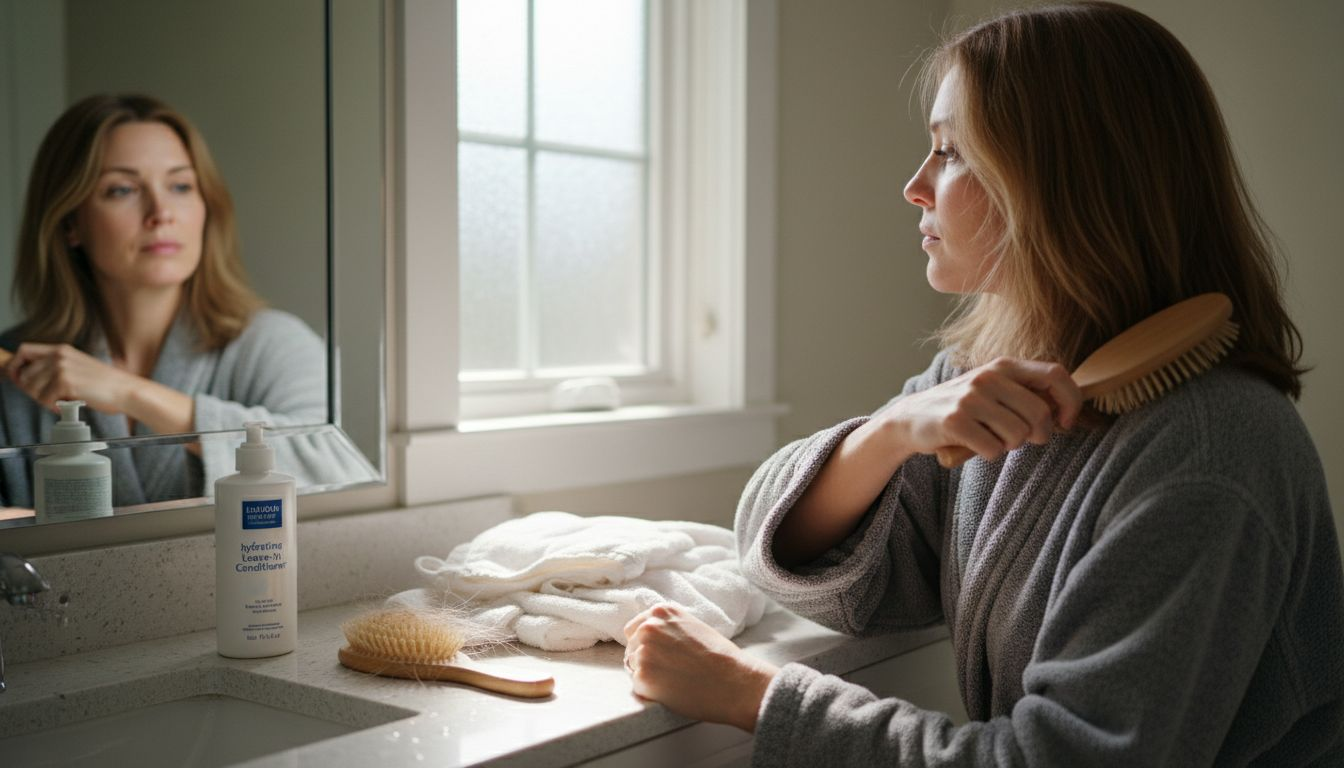
Nearly 40 percent of American women report trouble with hair breakage affecting their favorite styles and overall confidence. If you live in La Jolla and invest in luxury hair experiences, even small signs of damage can disrupt your daily routine and personal style. Understanding how to assess and upgrade your hair care is the foundation for reducing breakage and enjoying healthy hair that looks radiant all year round.
Table of Contents
- Step 1: Assess Current Hair Health And Routine
- Step 2: Upgrade Hair Care Products And Tools
- Step 3: Implement Gentle Washing And Drying Techniques
- Step 4: Strengthen Hair With Nourishing Treatments
- Step 5: Monitor Progress And Refine Your Regimen
Quick Summary
| Key Point | Explanation |
|---|---|
| 1. Assess your hair’s current health | Evaluate texture, strength, and scalp condition to identify issues for a tailored hair care strategy. |
| 2. Choose the right hair products | Select gentle, sulfate-free shampoos and conditioners; prioritize protective styling tools to reduce damage. |
| 3. Use gentle washing and drying methods | Apply shampoo to the scalp with lukewarm water; use soft materials for drying to minimize friction and breakage. |
| 4. Incorporate nourishing treatments | Use deep conditioning masks with vitamins and oils; ensure good dietary habits to support hair growth and strength. |
| 5. Track your progress over time | Document hair changes, product use, and effects monthly to fine-tune your routine for optimal results. |
Step 1: Assess current hair health and routine
Understanding your hair’s current condition is the critical first step toward reducing breakage and promoting stronger, healthier hair. This evaluation will help you identify specific issues and design a targeted hair care strategy that addresses your unique needs.
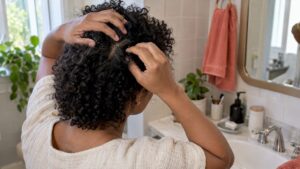
Start by conducting a comprehensive assessment of your hair’s texture, strength, and overall condition. Proper scalp and hair hygiene evaluations involve examining multiple aspects of your current routine. Check for signs of damage like split ends, excessive dryness, brittleness, or unusual shedding. Gently part your hair and inspect your scalp for any signs of buildup, irritation, or unusual flaking. Assess your current washing frequency, the products you use, and how your hair responds after styling.
Your hair assessment should also consider lifestyle and health factors. Diet, stress levels, hormonal changes, and medical history can significantly impact hair health. Consider consulting a professional who can perform detailed diagnostics like blood tests or scalp examinations to uncover potential underlying causes of hair fragility. Some key factors to evaluate include your protein intake, hydration levels, sleep quality, and any recent medical treatments that might affect hair strength.
Pro tip: Keep a weekly hair journal documenting your observations, product usage, and hair condition to track changes and identify patterns affecting your hair’s health.
Step 2: Upgrade hair care products and tools
Transforming your hair health begins with selecting the right products and tools that minimize damage and support hair strength. This critical step involves carefully evaluating and upgrading your current hair care arsenal to promote resilience and reduce breakage.
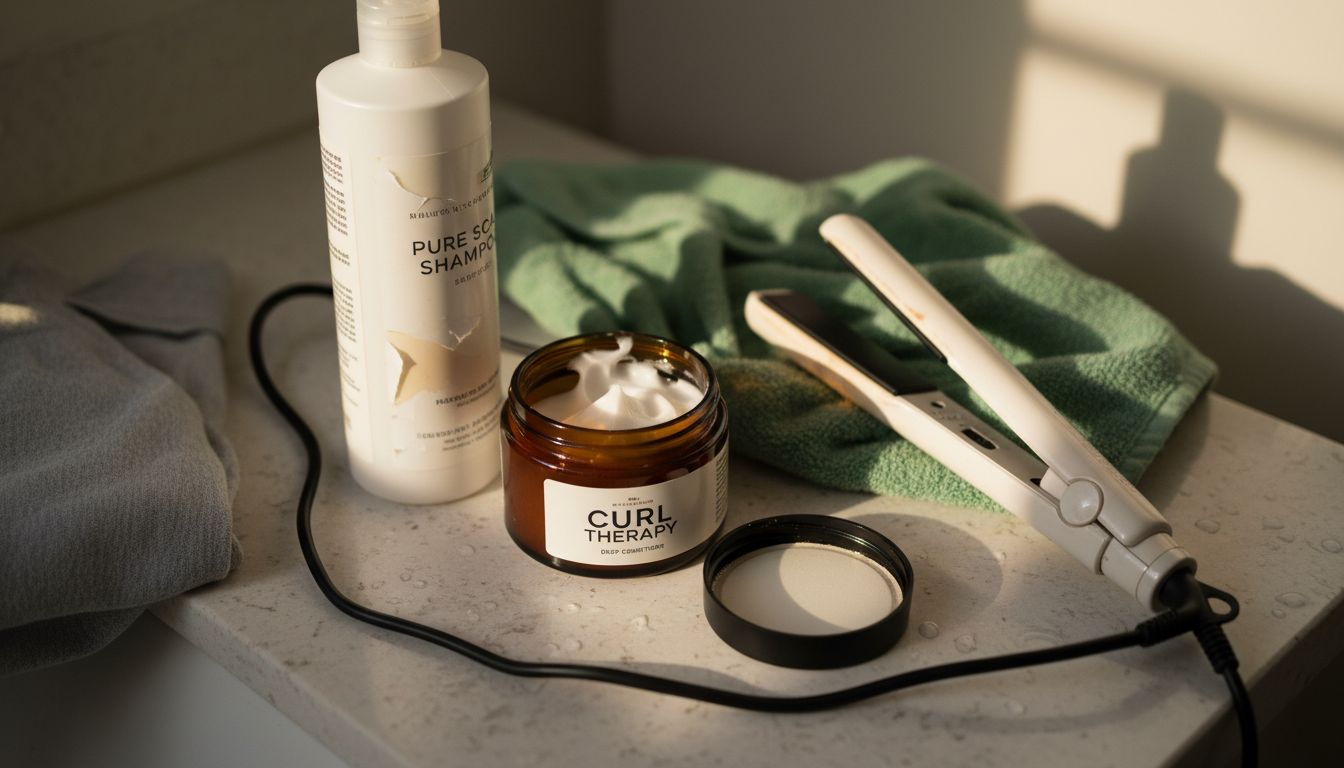
Choosing FDA-approved hair products is your first strategy for protecting hair quality. Look for gentle, sulfate-free shampoos and conditioners specifically formulated for your hair type. When selecting styling tools, prioritize devices with adjustable temperature settings and ceramic or tourmaline technologies that distribute heat more evenly. Wide-tooth combs, silk scrunchies, and microfiber towels can significantly reduce mechanical stress on your hair strands.
Pay close attention to ingredient lists and avoid products containing harsh chemicals like formaldehyde, parabens, and excessive alcohol. Research shows that nourishing ingredients such as keratin, biotin, and natural oils can help strengthen hair from root to tip. Consider consulting with a professional stylist who can recommend personalized product selections tailored to your specific hair texture and condition.
Here’s a comparison of common hair product ingredients and their effects:
| Ingredient Type | Example Ingredients | Benefit for Hair | Potential Risk |
|---|---|---|---|
| Proteins | Keratin, biotin | Strengthens structure | Buildup if overused |
| Natural oils | Argan, coconut, jojoba | Adds shine, reduces frizz | Can weigh down fine hair |
| Sulfate alternatives | Decyl glucoside | Gentle cleansing | May not lather as much |
| Harsh chemicals | Sulfates, parabens | Preserves shelf life | Can cause irritation |
Pro tip: Replace your hair tools every 12-18 months and invest in high-quality protective sprays to create a barrier between your hair and heat styling devices.
Step 3: Implement gentle washing and drying techniques
Reducing hair breakage starts with mastering a delicate approach to washing and drying your hair. The right techniques can dramatically minimize stress on your hair strands, preserving their strength and preventing unnecessary damage.
Proper hair and scalp hygiene requires a thoughtful, gentle approach to cleansing. Focus shampoo application directly on your scalp, using lukewarm water and massaging with fingertips rather than harsh scrubbing. When conditioning, concentrate the product on hair lengths and ends, avoiding direct application to your scalp. Use a wide-tooth comb to detangle wet hair carefully, working from ends to roots to prevent unnecessary pulling and breakage.
Drying techniques are equally crucial in protecting your hair. Swap out rough terry cloth towels for soft microfiber towels or an old cotton t-shirt, which create less friction. Instead of rubbing your hair vigorously, gently pat and squeeze out excess moisture. If you must use a blow dryer, keep it on the lowest heat setting and maintain a safe distance from your hair. Consider air drying whenever possible, and always use a heat protectant spray if styling tools are necessary.
Pro tip: Invest in a silk or satin pillowcase to reduce overnight friction and protect your hair’s cuticles while you sleep.
Step 4: Strengthen hair with nourishing treatments
Restoring your hair’s strength requires a targeted approach to nourishment that goes beyond basic care. By implementing strategic treatments, you can rebuild hair structure and prevent future damage from the inside out.
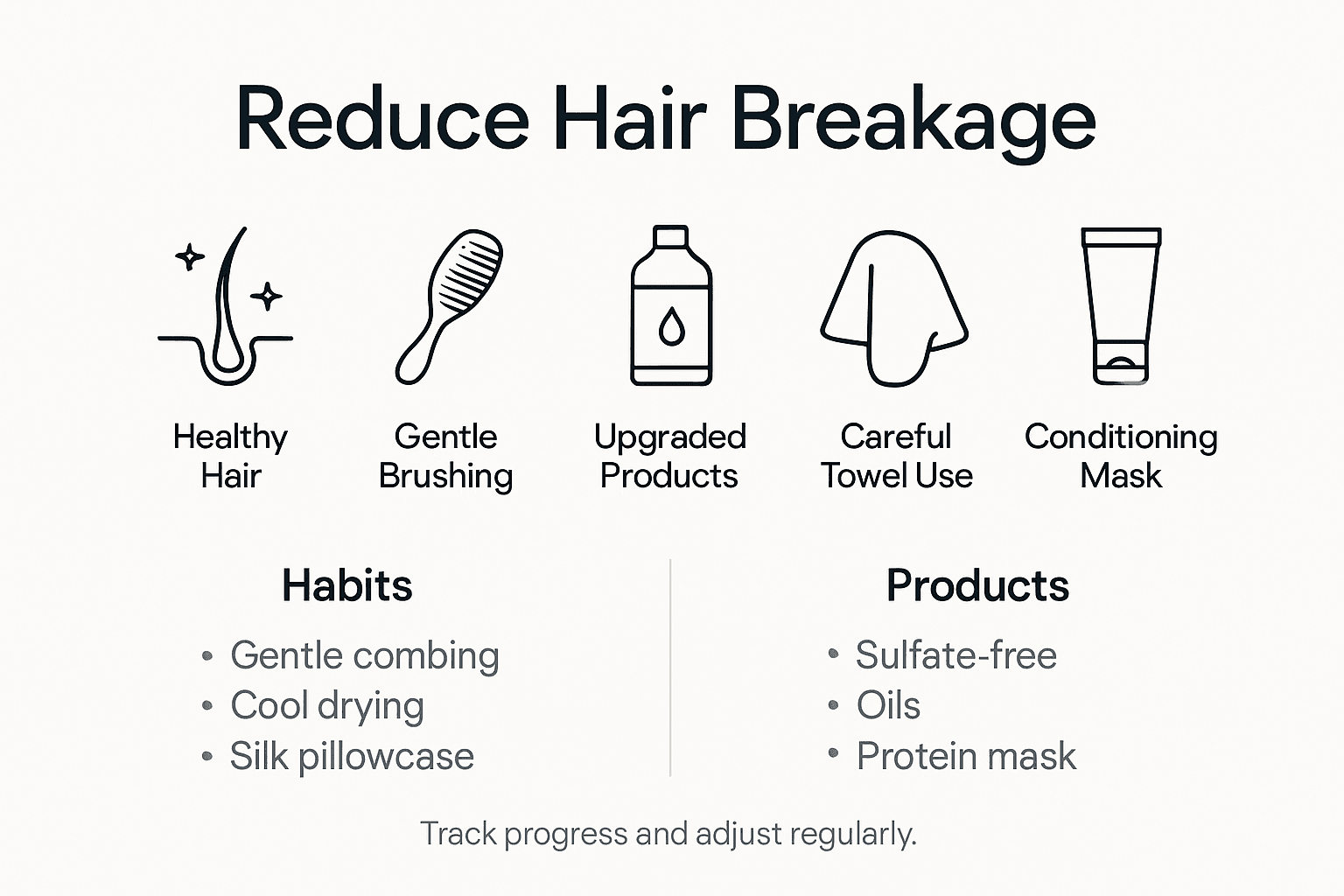
Micronutrient-rich treatments play a crucial role in hair health, targeting both scalp and hair shaft integrity. Focus on incorporating treatments with key nutrients like vitamin B complex, zinc, iron, and essential fatty acids. Consider deep conditioning masks containing natural ingredients such as rosemary oil, pumpkin seed extract, and keratin proteins. These targeted treatments can help repair damaged cuticles, improve hair elasticity, and reduce breakage by providing essential nutrition directly to your hair strands.
Your nourishing treatment strategy should include a combination of topical applications and dietary considerations. Look for leave-in conditioners with protein-building ingredients, weekly hair masks that penetrate deeply, and scalp treatments that stimulate follicle health. Pay attention to your overall nutrition, ensuring you consume adequate protein, vitamins, and minerals that support hair growth from within. Rotate different treatment types to prevent product buildup and keep your hair responsive to nourishing ingredients.
Pro tip: Apply deep conditioning treatments to damp hair and cover with a warm towel to help ingredients penetrate more effectively.
Step 5: Monitor progress and refine your regimen
Transforming your hair health is an ongoing journey that requires careful observation and strategic adjustments. Successfully reducing hair breakage means becoming an active participant in understanding your hair’s unique needs and response to treatments.
Medical tracking of hair health involves systematic assessment of your hair’s condition and treatment effectiveness. Start by taking clear, well-lit photographs of your hair every four weeks from multiple angles to document subtle changes. Track specific metrics like hair thickness, length retention, breakage frequency, and overall hair texture. Create a detailed log noting product usage, styling techniques, dietary changes, and any observable improvements or challenges.
Use this table to efficiently track your hair health metrics over time:
| Metric | How to Track | Change to Watch For |
|---|---|---|
| Hair thickness | Circumference check | Noticeably thinner strands |
| Breakage amount | Breakage per week | Sudden increases in split ends |
| Length retention | Measure monthly | Slowed or stunted growth |
| Scalp condition | Scalp photo log | New irritation or flaking |
Consistent refinement is key to your hair care success. Be prepared to make incremental adjustments to your routine based on your observations. If certain treatments are not producing desired results after 8-12 weeks, consider consulting a professional stylist or trichologist who can provide personalized insights. Remember that hair health is dynamic your approach should be flexible and responsive to your hair’s changing needs.
Pro tip: Use a dedicated smartphone app or spreadsheet to systematically record and visualize your hair care progress, making trend tracking easier and more objective.
Restore Strength and Shine with Expert Care at Joel C Ma Hair Studio
Breaking hair can feel discouraging when you have a clear goal of healthier, stronger strands. This article highlights critical steps like gentle washing techniques, nourishing treatments, and carefully choosing the right hair care products to reduce breakage and restore vitality. At Joel C Ma Hair Studio, we understand these specific challenges and offer personalized solutions tailored to your hair type and needs. Our team of skilled hair artists uses advanced techniques and premium products designed to rebuild your hair strength and minimize damage from styling.
Discover how a customized treatment plan combined with expert artistic care can transform your hair’s health and appearance. Don’t wait to give your hair the expert attention it deserves. Visit Joel C Ma Hair Studio to book your personalized consultation and experience luxury hair care that truly focuses on reducing breakage and enhancing your natural beauty. Explore our service menu and see real client transformations that prove the power of professional care.
Frequently Asked Questions
How can I assess the current health of my hair?
To assess your hair’s health, examine its texture, strength, and overall condition. Look for signs of damage, such as split ends and excessive dryness, and keep a journal of your observations to track changes over time.
What products should I use to reduce hair breakage?
Use gentle, sulfate-free shampoos and conditioners suitable for your hair type. Prioritize products with nourishing ingredients like keratin, biotin, and natural oils to strengthen your hair while avoiding harsh chemicals that can cause further damage.
What are the best washing and drying techniques to prevent breakage?
To prevent breakage, apply shampoo only to your scalp and condition the lengths and ends of your hair. Dry your hair gently with a microfiber towel or cotton t-shirt, and avoid vigorous rubbing to minimize friction.
How often should I use nourishing treatments for my hair?
You should incorporate nourishing treatments, like deep conditioning masks, at least once a week to restore hair strength. Look for treatments containing vitamins and essential fatty acids for optimal benefits and rotate types to prevent buildup.
How can I monitor my hair’s progress in reducing breakage?
To monitor progress, take photographs of your hair every four weeks and track metrics like hair thickness and breakage frequency in a log. Adjust your hair care routine based on these observations to achieve better results over time.