
How to Repair Damaged Hair for Salon-Quality Results

More than 80 percent of American adults experience some form of hair damage in their lifetime, often without realizing the true cause. Healthy hair is not just about appearance—it reflects your overall well being and confidence. With so much conflicting advice, understanding how to assess, treat, and restore your hair can feel confusing. This guide offers a clear, science based approach to help you identify damage, choose effective treatments, and build a plan for healthier, stronger hair.
Table of Contents
- Step 1: Assess Hair Damage and Identify Causes
- Step 2: Choose Personalized Repair Treatments
- Step 3: Apply Nourishing Masks and Hydrating Oils
- Step 4: Adopt Gentle Styling and Washing Techniques
- Step 5: Monitor Progress and Adjust Your Routine
Quick Summary
| Key Point | Explanation |
|---|---|
| 1. Assess Your Hair Damage | Examine your hair’s condition for split ends and brittleness to understand the extent of damage and causes. |
| 2. Choose Tailored Treatments | Select specific treatments like protein masks or deep conditioners based on your hair type and damage level for effective repair. |
| 3. Apply Treatments with Care | Focus on even application of masks and oils, allowing time for absorption while avoiding scalp buildup. |
| 4. Adopt Gentle Styling Practices | Use wide-toothed combs and detangle slowly while minimizing heat to reduce mechanical stress on your hair. |
| 5. Monitor Progress Regularly | Track improvements through photos and a hair journal to adjust your routine based on results and changes observed. |
Step 1: Assess Hair Damage and Identify Causes
Understanding the health of your hair requires a systematic approach. By carefully examining your hair’s condition, you can pinpoint the root causes of damage and develop a targeted repair strategy.
Start by performing a comprehensive visual and tactile examination of your hair. Look for telltale signs like split ends, excessive breakage, and uneven texture. Professionals utilize advanced techniques such as Scanning Electron Microscopy to evaluate hair shaft structural integrity, revealing microscopic damage from chemical treatments and styling. At home, you can conduct a simple strand test by gently stretching a single hair between your fingers. Healthy hair will have some elasticity and minimal breakage, while damaged hair will snap quickly or feel brittle.
Pay close attention to the Hair Breakage Index indicators, which include changes in hair diameter, unusual texture, and lack of natural shine. Common damage culprits include excessive heat styling, chemical treatments, environmental stress, and improper hair care routines. By understanding these factors, you can develop a personalized approach to hair restoration and prevent future damage.
Warning: Some damage might be irreversible, so early detection and intervention are crucial. Your next step will involve selecting appropriate treatments tailored to your specific hair damage profile.
Step 2: Choose Personalized Repair Treatments
Restoring damaged hair requires a strategic and individualized approach tailored to your specific hair condition. By selecting targeted treatments that address your unique hair challenges, you can effectively rebuild strength and restore your hair’s natural vitality.
Consider exploring advanced hair restoration techniques that offer precision healing strategies. Professional treatments like scalp microneedling, platelet rich plasma (PRP) therapy, and exosome treatments can provide deep repair at the cellular level. For at home care, evaluate your hair’s specific needs by examining its texture, porosity, and damage level. Create a customized treatment plan that might include protein treatments for weak strands, deep conditioning masks for moisture replenishment, and bond rebuilding products for chemically damaged hair.
Your treatment selection should focus on three primary goals repairing structural damage, restoring moisture balance, and protecting against future breakdown. Select products with keratin, ceramides, and natural oils that can penetrate the hair shaft and provide comprehensive repair. Look for treatments that match your specific hair type whether you have fine, thick, curly, or chemically processed hair.
Warning: Not all treatments work universally. What repairs one hair type might damage another. Always patch test and start with minimal applications. Your next step involves implementing your personalized hair repair strategy with patience and consistency.
Step 3: Apply Nourishing Masks and Hydrating Oils
Transforming damaged hair requires a precise and thoughtful approach to applying nourishing treatments that penetrate deep into the hair shaft. Your goal is to restore moisture, rebuild structural integrity, and create a protective barrier against further damage.
Professional hair repair technologies emphasize the importance of selecting and applying masks and oils with scientific precision. Begin by sectioning your hair to ensure even coverage. Choose a mask or oil treatment specifically designed for your hair type and damage level. For severely damaged hair, opt for protein rich treatments that help reconstruct the hair’s inner structure. Apply the product from mid length to ends, avoiding the scalp to prevent excess oil buildup. Use gentle massaging motions to help the product penetrate deeply, allowing the nutrients to repair and strengthen each strand.
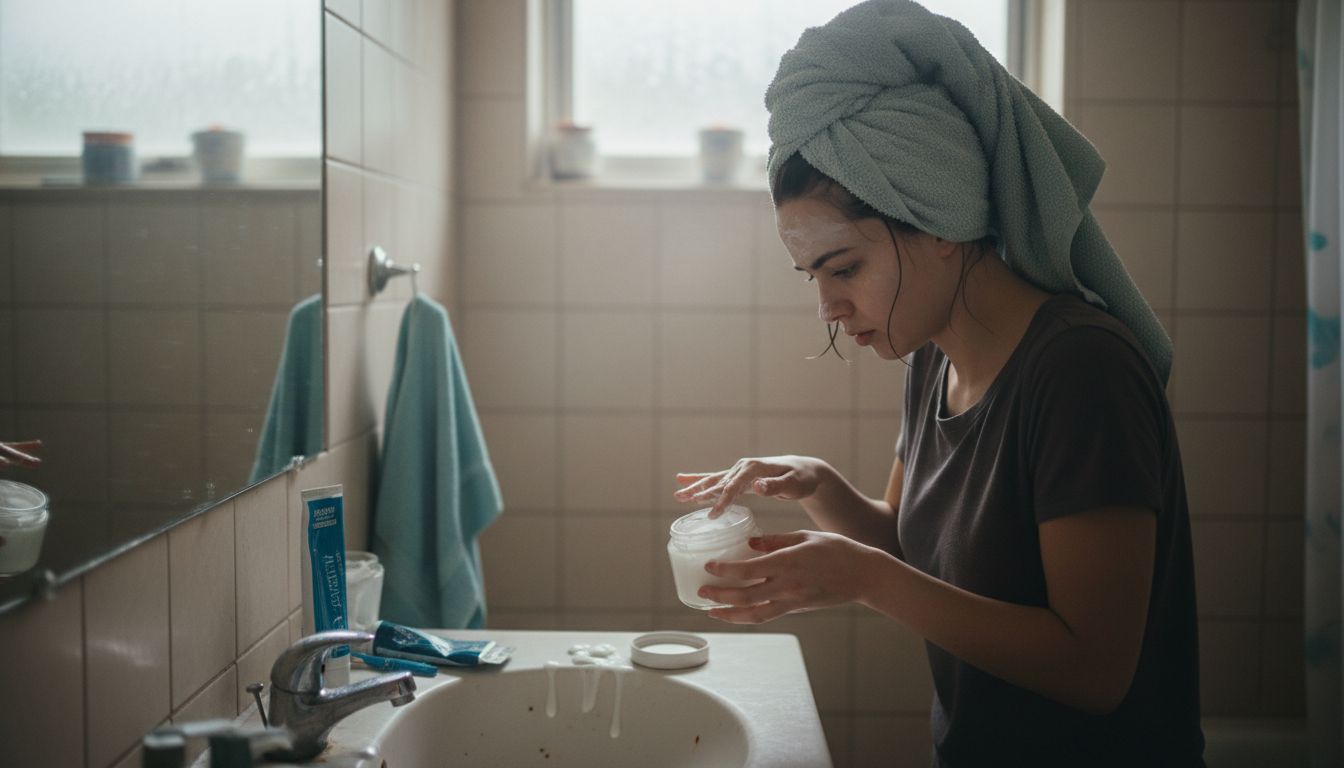
Time and technique are crucial when applying these treatments. Most nourishing masks require 15 to 30 minutes of processing time to maximize absorption. Use a shower cap or warm towel to create heat and enhance product penetration. For maximum effectiveness, incorporate advanced hair reconstruction techniques like deep conditioning treatments that utilize keratin and botanical extracts to rebuild hair strength.
Warning: More product does not mean better results. Always follow the recommended application guidelines and avoid overloading your hair. Your next step involves rinsing and sealing in the nutrients with a careful approach to maintain your hair’s newfound health and resilience.
Step 4: Adopt Gentle Styling and Washing Techniques
Healing damaged hair requires a complete transformation of your hair care routine, focusing on minimizing mechanical stress and preventing further structural breakdown. Your approach needs to be as delicate as the hair you are trying to restore.
Scientific research on cosmetic procedures reveals the critical importance of gentle handling to maintain hair integrity. Start by switching to a wide toothed comb and always detangle from the ends upward, using slow and careful motions. When washing, use lukewarm water instead of hot temperatures that can strip natural oils. Select sulfate free shampoos and apply them only to your scalp, allowing the suds to gently cleanse the length of your hair without aggressive rubbing. Opt for microfiber towels or soft cotton tshirts for drying, which create less friction compared to traditional terry cloth towels.
Understanding the Hair Breakage Index helps you recognize how mechanical stress impacts hair health. Minimize heat styling by reducing flat iron and blow dryer use. When you do style, always apply a heat protectant and use the lowest effective temperature. Consider air drying whenever possible and invest in silk or satin pillowcases that reduce overnight friction and prevent additional damage.
Warning: Aggressive styling breaks hair faster than you can repair it. Treat your hair like a delicate fabric that requires constant care and minimal manipulation. Your next step involves maintaining this gentle approach consistently to support long term hair recovery.
Step 5: Monitor Progress and Adjust Your Routine
Successful hair restoration is a dynamic journey that requires consistent evaluation and strategic adjustments. Your ability to carefully track your hair’s transformation will determine the ultimate effectiveness of your repair strategy.
Professional hair restoration specialists recommend creating a comprehensive tracking system to monitor your hair’s recovery. Start by taking weekly photographs from multiple angles under consistent lighting to document subtle changes. Maintain a detailed hair journal that records product usage, treatment applications, and observable improvements. Pay attention to key indicators like reduced breakage, increased shine, improved texture, and overall hair strength. Document the frequency of hair fall, elasticity tests, and any changes in your hair’s appearance.
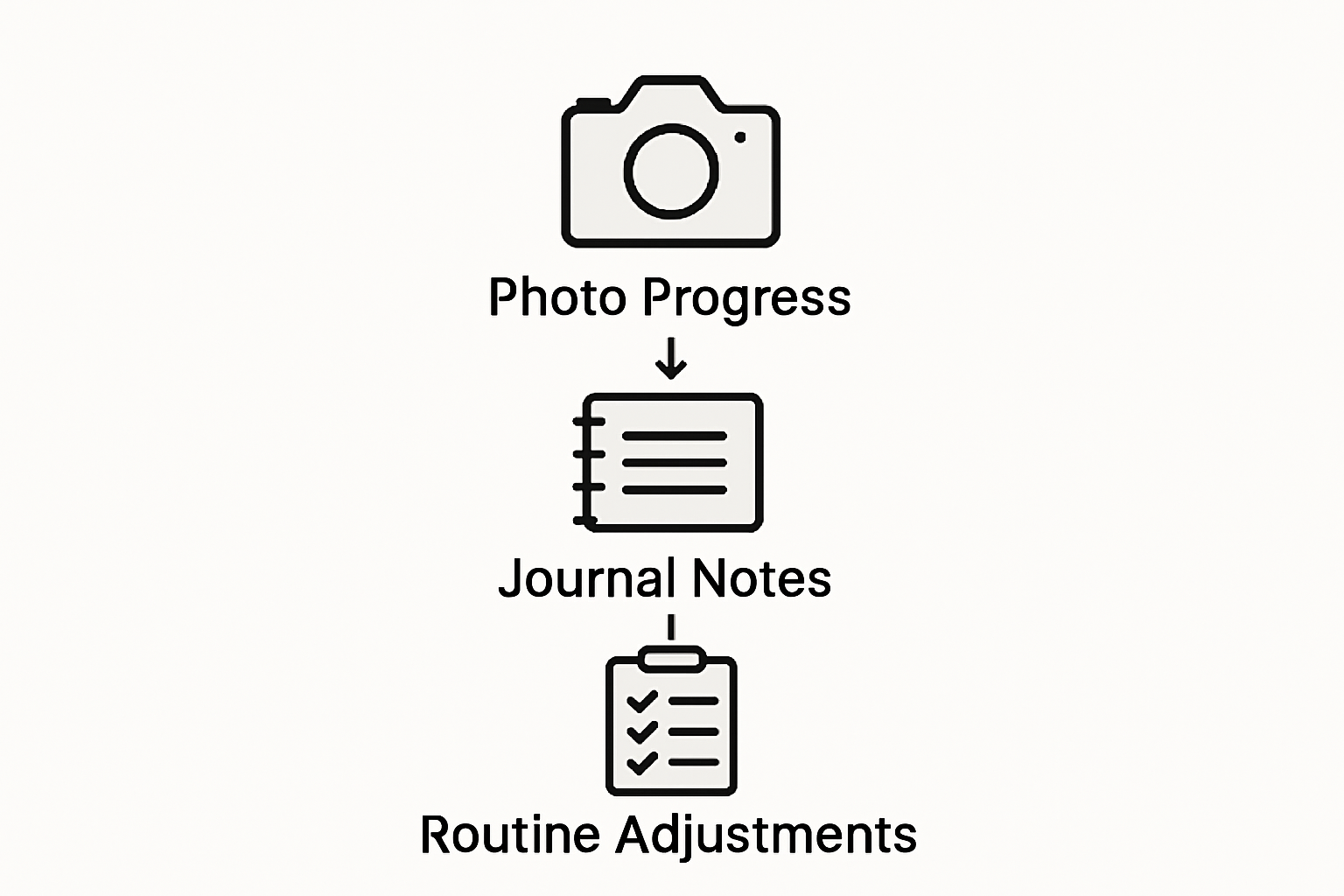
Advanced hair treatment protocols emphasize the importance of flexibility in your approach. Be prepared to modify your routine based on your hair’s response. If you notice minimal improvement after four to six weeks, consider consulting a professional who can provide personalized insights. Some treatments might require tweaking product combinations, adjusting application frequencies, or introducing complementary techniques to stimulate hair recovery.
Warning: Patience is crucial. Hair restoration is not an overnight process, and drastic changes can sometimes do more harm than good. Your consistent observation and measured adjustments will ultimately guide you toward achieving your hair health goals.
Restore Your Hair with Expert Care at Joel C Ma Hair Studio
Damaged hair caused by heat styling, chemical treatments, and environmental stress demands a personalized and gentle approach to truly heal and regain salon-quality shine and strength. If you are seeking effective solutions that focus on repairing structural damage, restoring moisture, and protecting your hair from further breakage Joel C Ma Hair Studio in La Jolla offers expert-driven treatments tailored to your unique hair needs.
Discover the difference when creativity meets precision at Joel C Ma Hair Studio. With over 25 years of experience in advanced techniques such as customized conditioning treatments and artistic haircuts tailored to your hair’s damage profile you are empowered to transform your hair health. Don’t wait for brittle strands to worsen book your personalized consultation today by visiting Joel C Ma Hair Studio and take the first step toward beautiful resilient hair. Experience premium care that supports your hair’s long-term recovery and delivers the salon-quality results you deserve.
Frequently Asked Questions
How can I assess the damage to my hair?
To assess hair damage, perform a visual and tactile examination. Look for split ends, breakage, and changes in texture, and conduct a strand test by gently stretching a single hair to evaluate its elasticity.
What types of treatments should I consider for repairing damaged hair?
Consider personalized treatments that focus on your hair’s specific needs. Use protein treatments for weak strands, deep conditioning masks for moisture, and bond-repairing products for chemically damaged hair.
How do I apply nourishing masks and oils effectively?
To effectively apply nourishing masks and oils, section your hair for even coverage, and apply the treatment from mid-length to ends. Use a shower cap to enhance absorption and leave on for the recommended time, usually between 15 to 30 minutes.
What gentle styling techniques should I adopt for damaged hair?
Adopt gentle styling techniques by using a wide-toothed comb to detangle from the ends upward and washing with lukewarm water. Also, minimize heat styling and consider using heat protectants when necessary to reduce damage.
How can I monitor my hair’s recovery progress?
You can monitor hair recovery by taking weekly photographs and keeping a detailed hair journal. Track product usage and note any improvements, such as decreased breakage or increased shine, to evaluate the effectiveness of your repair strategy.
How long should I wait to see improvements in my hair’s condition?
Wait approximately 4 to 6 weeks to start seeing improvements in your hair’s condition. If you notice minimal progress, be prepared to adjust your treatment routine accordingly to meet your hair’s needs.
Recommended
- Restore and Rejuvenate: Hair Treatments for Healthier Locks
- How to Fix Bad Haircut: Stylish Solutions for 2025 – Joel C Ma Hair Studio
- Complete Guide to Reasons for Hair Breakage – Joel C Ma Hair Studio
- Protecting Hair From Heat: The Essential Guide – Joel C Ma Hair Studio
- 7 Essential Hair Products for Damaged Hair Recovery | MyHair