
Complete Guide to Reasons for Hair Thinning
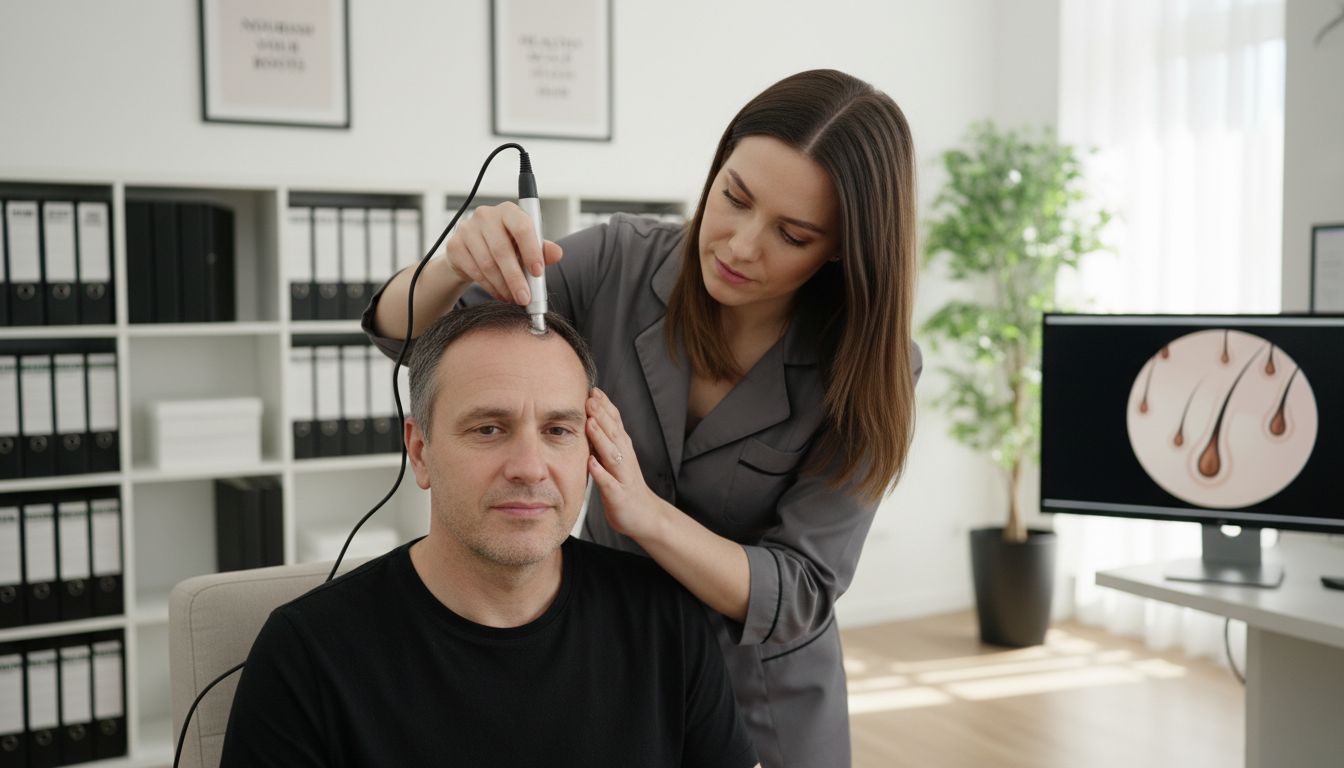
Nearly 35 million american men and women experience noticeable hair thinning during their lives, yet confusion about its causes continues to shape daily choices. Hair loss myths can lead to disappointment or missed solutions, making it difficult for anyone to know what truly works. By addressing what hair thinning really means and dispelling common misconceptions, this guide brings clarity for those seeking real answers about a concern that impacts countless families.
Table of Contents
- Defining Hair Thinning and Common Myths
- Key Types of Hair Thinning Explained
- Top Causes Behind Hair Thinning
- Genetic, Hormonal, and Medical Factors
- Lifestyle, Diet, and Environmental Triggers
- Prevention Strategies and Treatment Options
Key Takeaways
| Point | Details |
|---|---|
| Understanding Myths | Debunking misconceptions about hair thinning, such as the belief that only older individuals experience it, can encourage timely treatment. |
| Recognizing Types | Different types of hair thinning, like androgenetic alopecia and telogen effluvium, require specific management strategies for effective treatment. |
| Identifying Causes | Genetic predisposition, hormonal imbalances, and nutritional deficiencies are key factors influencing hair thinning that need to be addressed. |
| Preventive Measures | A combination of medical treatments, nutritious diets, and lifestyle modifications can significantly enhance hair health and slow thinning. |
Defining Hair Thinning and Common Myths
Hair thinning is a complex hair health condition that affects millions of people worldwide. Unlike popular misconceptions, it represents more than just aesthetic concerns. Hair thinning refers to a progressive reduction in hair density and volume, which can stem from multiple physiological and environmental factors.
Contrary to widespread beliefs, hair thinning isn’t simply about aging or genetics. Scientific research reveals a nuanced understanding of this condition. Some pervasive myths can actually prevent individuals from seeking appropriate treatment. For instance, many people mistakenly believe that wearing hats causes hair loss, when in reality, this is completely unfounded.
Key myths surrounding hair thinning include:
- Frequent shampooing leads to hair loss
- Only older people experience hair thinning
- Natural remedies can completely reverse hair loss
- Hair loss is always permanent
Understanding the scientific reality behind hair thinning requires dispelling these misconceptions. Each individual’s hair loss journey is unique, influenced by factors like hormonal changes, nutritional deficiencies, stress levels, and genetic predispositions. Professional consultation remains the most reliable approach to comprehending and addressing personal hair health challenges.
Key Types of Hair Thinning Explained
Hair thinning manifests in several distinct patterns, each with unique characteristics and underlying causes. Androgenetic alopecia, commonly known as pattern baldness, represents the most prevalent type of hair loss affecting both men and women. This genetic condition results in progressive hair density reduction, typically following specific scalp distribution patterns.
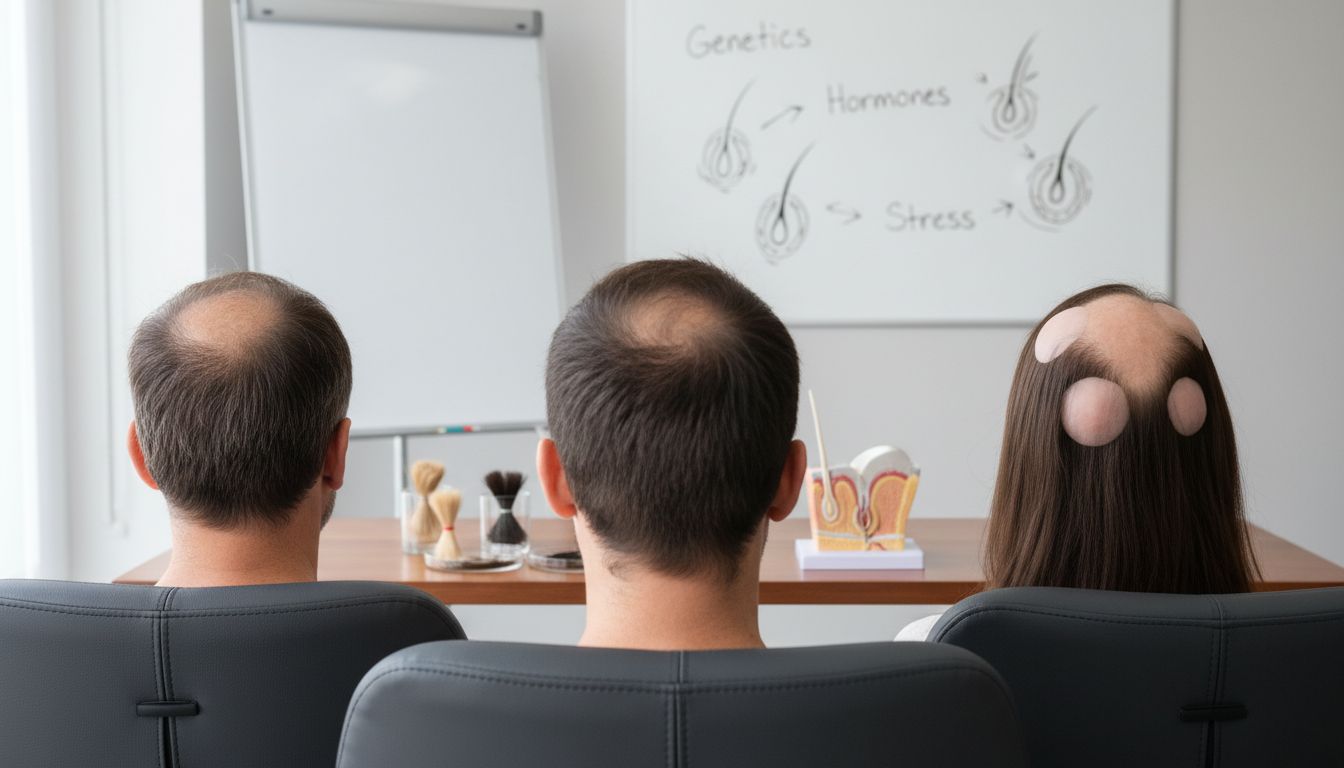
Another significant type is telogen effluvium, a temporary hair shedding condition triggered by significant physical or emotional stress. Unlike permanent hair loss types, telogen effluvium typically resolves once the underlying stressor is addressed. Individuals experiencing sudden weight loss, major surgery, or intense psychological stress are most susceptible to this form of hair thinning.
Specific hair thinning types include:
- Androgenetic Alopecia: Genetic pattern baldness
- Telogen Effluvium: Temporary stress-induced shedding
- Alopecia Areata: Autoimmune-related patchy hair loss
- Female Pattern Hair Loss: Progressive thinning in specific scalp regions
Understanding these different types is crucial for developing targeted treatment strategies. While some hair thinning conditions are reversible, others require comprehensive management approaches. Consulting with hair health professionals can help individuals identify their specific type and explore personalized intervention options.
Top Causes Behind Hair Thinning
Hair thinning emerges from a complex interplay of physiological and environmental factors. Genetic predisposition represents the most fundamental underlying cause, with some individuals inherently more susceptible to hair density reduction. This genetic blueprint can trigger progressive hair loss patterns that begin as early as adolescence or develop gradually over decades.
Hormonal fluctuations play a critical role in hair health. Significant physiological changes such as childbirth, thyroid disorders, and menopause can dramatically impact hair growth cycles. Conditions like diabetes, lupus, and other autoimmune disorders frequently disrupt normal hair production mechanisms, leading to unexpected thinning and potential permanent loss.
Key causes of hair thinning include:
- Genetic Factors: Inherited hair loss tendencies
- Hormonal Imbalances: Thyroid and reproductive hormone shifts
- Medical Conditions: Autoimmune diseases and metabolic disorders
- Nutritional Deficiencies: Lack of essential proteins and minerals
- Chronic Stress: Prolonged psychological and physical strain
Beyond these primary factors, lifestyle choices significantly influence hair health. Poor nutrition, extreme weight fluctuations, harsh chemical treatments, and inadequate hair care practices can accelerate hair thinning. Professional consultation remains the most effective approach to understanding individual risk factors and developing personalized hair preservation strategies.
Genetic, Hormonal, and Medical Factors
Genetic inheritance plays a pivotal role in determining hair health and potential thinning patterns. Female pattern hair loss demonstrates a complex interplay between genetic predisposition and hormonal influences, particularly involving androgen sensitivity. This genetic blueprint can create a heightened susceptibility to progressive hair density reduction, often following specific familial patterns that become evident over time.
Hormonal fluctuations represent another critical factor in hair thinning mechanisms. Medical conditions involving hormonal imbalances such as thyroid disorders can dramatically disrupt normal hair growth cycles. Conditions like hypothyroidism and hyperthyroidism can cause significant changes in hair texture, density, and overall scalp health, leading to unexpected thinning or widespread hair loss.
Key genetic and medical factors include:
- Androgen Sensitivity: Genetic predisposition to hormone-related hair loss
- Thyroid Dysfunction: Metabolic disorders impacting hair growth
- Autoimmune Conditions: Genetic immune system irregularities
- Chromosomal Variations: Inherited hair loss genetic markers
- Hormonal Shifts: Reproductive and metabolic hormone changes
Understanding these interconnected factors requires a comprehensive approach. While genetic and medical influences can seem overwhelming, modern medical research continues to develop targeted interventions. Professional diagnostic testing can help individuals identify specific risk factors and develop personalized strategies for managing potential hair thinning challenges.
Lifestyle, Diet, and Environmental Triggers
Lifestyle choices dramatically impact hair health and can accelerate or mitigate hair thinning processes. Significant weight fluctuations and chronic stress represent critical environmental triggers that can disrupt normal hair growth cycles. Rapid weight loss, intense psychological pressure, and inconsistent nutrition can shock the body’s metabolic systems, leading to unexpected hair density reduction.
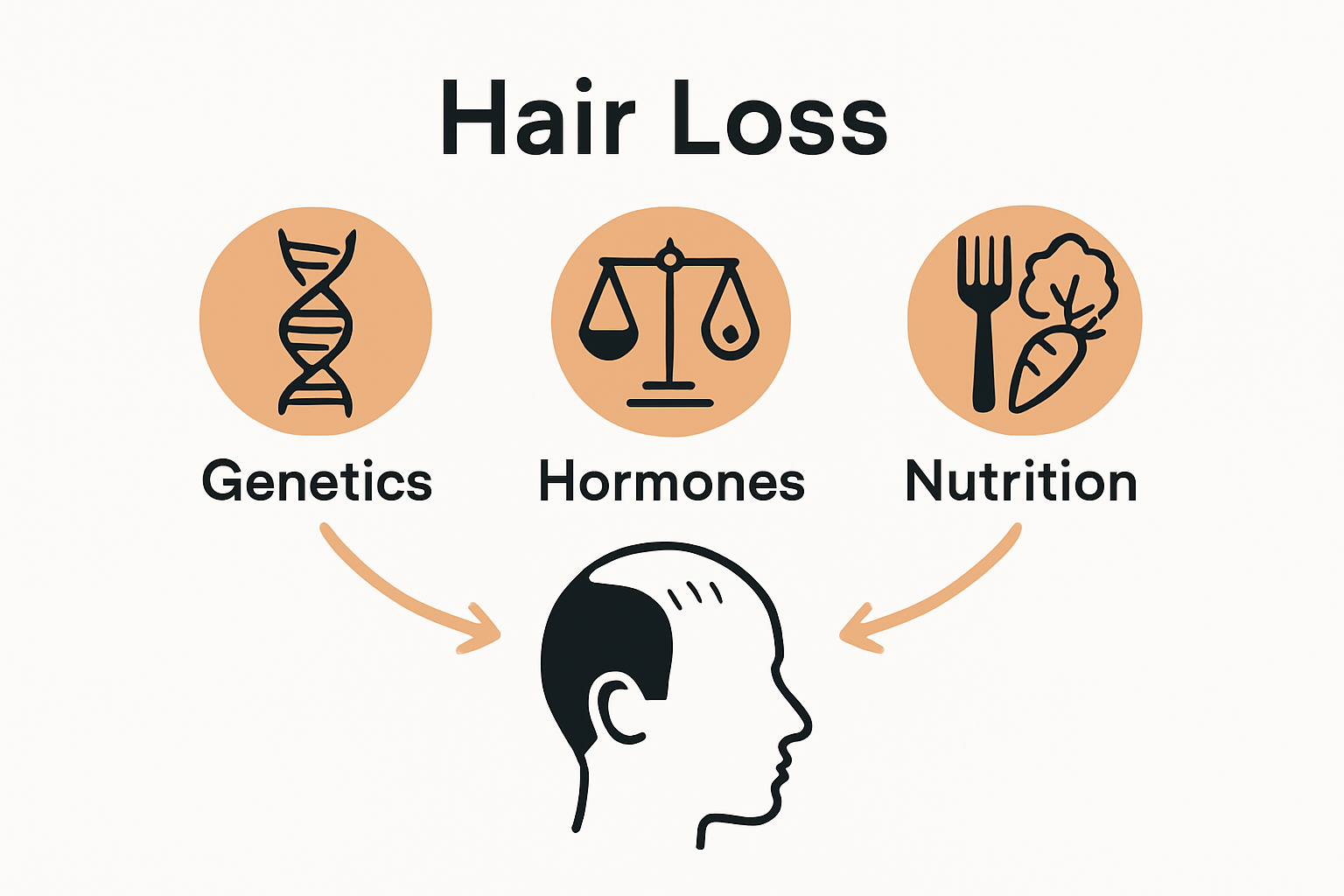
Nutritional deficiencies play a profound role in hair maintenance. Improper hair care practices and environmental exposures can compound existing hair health challenges. Chemical treatments, excessive heat styling, and prolonged exposure to pollution can weaken hair follicles, making them more susceptible to breakage and thinning.
Key lifestyle and environmental factors include:
- Nutritional Imbalances: Protein and mineral deficiencies
- Chronic Stress: Prolonged psychological strain
- Chemical Exposures: Harsh hair treatments and environmental toxins
- Dietary Restrictions: Extreme dieting and rapid weight changes
- Physical Activity: Intense exercise and metabolic shifts
Understanding these interconnected triggers empowers individuals to make proactive lifestyle modifications. While environmental and dietary factors can significantly impact hair health, strategic interventions and professional guidance can help mitigate potential damage. Comprehensive approaches that address nutrition, stress management, and protective hair care practices offer the most effective path to maintaining robust hair density.
Prevention Strategies and Treatment Options
Hair thinning management requires a multifaceted approach combining preventive care and targeted medical interventions. Medications like minoxidil and finasteride represent primary pharmaceutical treatments that can slow hair loss progression and potentially stimulate new growth. These treatments work by blocking hormonal processes that contribute to hair follicle miniaturization and supporting improved blood circulation to the scalp.
Non-pharmaceutical prevention strategies are equally critical in maintaining hair health. Dietary modifications and stress reduction techniques can significantly impact hair density and quality. Protecting hair from environmental damage, adopting gentle styling practices, and ensuring nutritional balance through protein and iron-rich diets can help mitigate hair thinning risks.
Comprehensive prevention and treatment approaches include:
- Pharmaceutical Interventions: Minoxidil and finasteride treatments
- Nutritional Support: Protein and mineral-rich dietary plans
- Scalp Protection: Minimizing heat and chemical damage
- Stress Management: Psychological wellness techniques
- Surgical Options: Hair transplant procedures for advanced cases
Professional consultation remains the most effective strategy for developing personalized hair preservation plans. Individual variations in hair loss patterns demand tailored approaches that consider genetic predisposition, lifestyle factors, and specific health conditions. Proactive management and early intervention can dramatically improve long-term hair health outcomes.
Take Control of Hair Thinning with Expert Care at Joel C Ma Hair Studio
Dealing with thinning hair can feel overwhelming as you face challenges like hair density loss, hormonal effects, and lifestyle triggers. The Complete Guide to Reasons for Hair Thinning explains key causes including genetic predisposition, stress, and nutrition which often require more than just home remedies. At Joel C Ma Hair Studio, you gain access to personalized solutions crafted by hair artists with over 25 years of experience who understand how crucial tailored care is to restoring confidence and improving hair vitality.

Discover the difference of expert-driven, customized treatments designed just for you. Whether you want to protect your hair from further thinning or seek style consultations for a fresh look, our luxury salon environment in La Jolla provides a safe place for transformation. Act now to begin your journey toward healthier hair. Visit Joel C Ma Hair Studio to explore our services and book your personalized consultation today.
Frequently Asked Questions
What are the main causes of hair thinning?
Hair thinning can be caused by a variety of factors, including genetic predisposition, hormonal imbalances, medical conditions, nutritional deficiencies, and chronic stress. Each individual’s situation is unique, requiring a personalized approach to management and treatment.
Can lifestyle choices affect hair thinning?
Yes, lifestyle choices such as poor nutrition, extreme weight fluctuations, and high levels of stress can significantly impact hair health and contribute to hair thinning. Maintaining a balanced diet and managing stress levels can help mitigate hair loss.
Is hair thinning always permanent?
Not necessarily. Some types of hair thinning, like telogen effluvium, are temporary and can resolve once underlying issues are addressed. However, conditions such as androgenetic alopecia may lead to permanent hair loss if not treated effectively.
How can I prevent hair thinning?
Preventive strategies include using pharmaceutical treatments like minoxidil, maintaining a balanced and nutritious diet, managing stress, protecting hair from environmental damage, and consulting with a healthcare professional for personalized advice.
Recommended
- How to Style Thinning Hair for a Fuller Look – Joel C Ma Hair Studio
- Dealing With Hair Loss: Complete Guide and Solutions – Joel C Ma Hair Studio
- Complete Guide to Stress and Hair Loss Men – Joel C Ma Hair Studio
- Complete Guide to Reasons for Hair Breakage – Joel C Ma Hair Studio
- The Benefits of GHK-Cu for Promoting Hair Growth
- Nährstoffmangel und Haarausfall: So erkennst du die wahre Ursache – mybody®x