
Complete Guide to Reasons for Hair Breakage
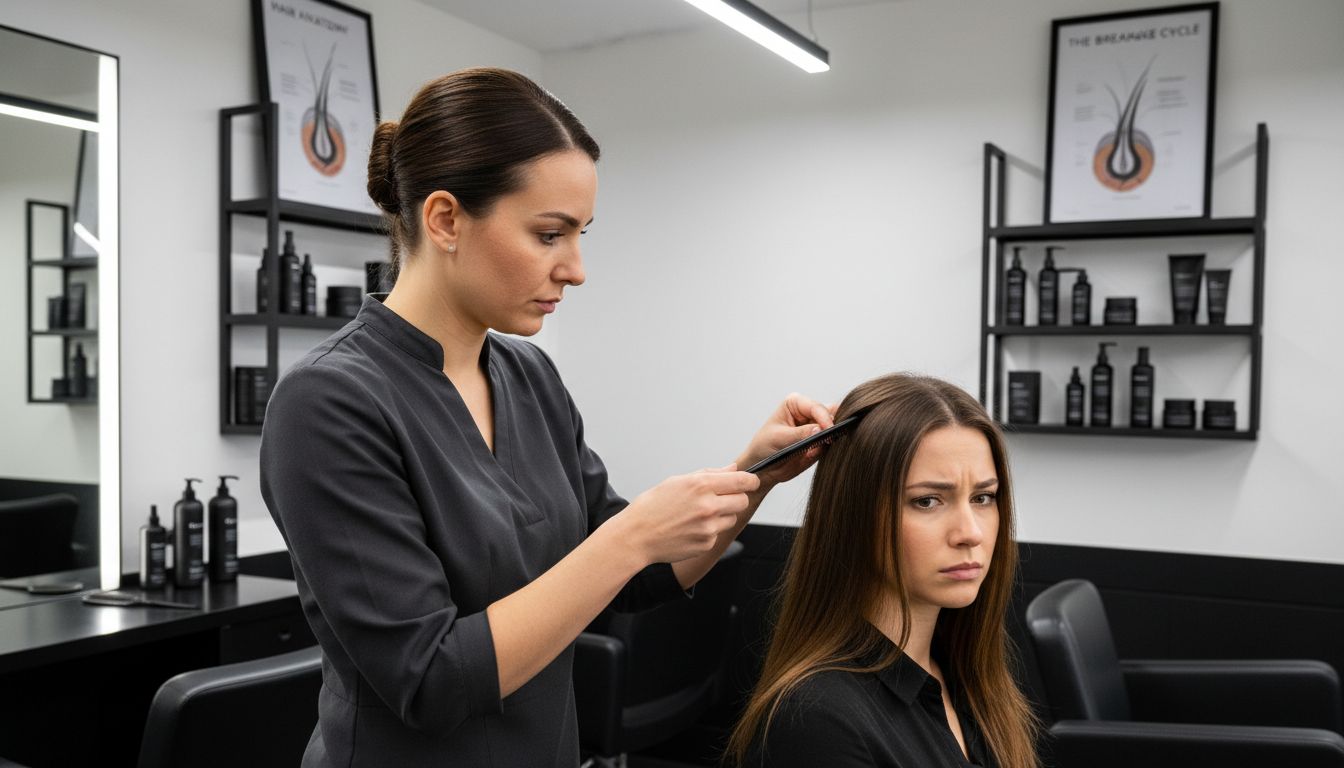
Over half of american adults report ongoing frustrations with split ends and brittle hair. Seeing more strands in your brush can raise questions about what truly causes hair breakage and which habits might make things worse. Myths about brushing and universal products often shape our routines, but understanding the real science helps you protect your hair from hidden damage and choose smarter solutions for stronger, healthier locks.
Table of Contents
- What Hair Breakage Is And Common Myths
- Main Causes Of Hair Breakage Explained
- Differences Among Hair Breakage Types
- Key Risk Factors For Hair Damage
- Prevention Strategies And Professional Solutions
Key Takeaways
| Point | Details |
|---|---|
| Understanding Hair Breakage | Hair breakage occurs when strands snap due to various factors, including genetics and improper care. This understanding is crucial for developing effective hair care strategies. |
| Myths About Hair Care | Common myths, such as the need to brush hair excessively or that all products work for every hair type, can lead to increased damage. Recognizing these myths is essential for proper hair maintenance. |
| Key Risk Factors | Factors including tight hairstyles, environmental exposure, and nutritional deficiencies significantly contribute to hair damage. Awareness of these can help in crafting a protective hair care routine. |
| Prevention Strategies | Proactive measures like using protective products, proper styling techniques, and a balanced diet are critical for preventing hair breakage and maintaining healthy hair. |
What Hair Breakage Is and Common Myths
Hair breakage is a frustrating hair health issue that occurs when hair strands snap or fracture, resulting in shorter lengths and an uneven, frizzy appearance. According to WebMD, these breaks can happen due to multiple factors, transforming your hair’s overall texture and strength.
Contrary to popular belief, hair breakage isn’t always just about poor hair care. Wikipedia reveals that genetic factors can significantly contribute to trichorrhexis nodosa, a condition characterized by weak points in the hair shaft. This means some individuals might be predisposed to hair breakage regardless of their hair care routine.
Several pervasive myths surround hair breakage that can actually worsen hair health. One classic misconception is that brushing hair 100 times daily promotes shine and strength. In reality, excessive brushing can cause significant damage, creating more stress and potential breakage points on your hair strands. Other common myths include:
- Thinking all hair products work universally for every hair type
- Believing heat styling doesn’t cause long-term damage
- Assuming breakage only happens to people with certain hair textures
Understanding the nuanced reality of hair breakage helps you develop more targeted, effective hair care strategies that protect your hair’s integrity and promote its natural strength.
Main Causes of Hair Breakage Explained
Hair breakage stems from a complex network of factors that can compromise hair health and structural integrity. WebMD highlights several critical contributors to hair strand damage, revealing that seemingly routine hair practices can significantly impact hair strength and resilience.
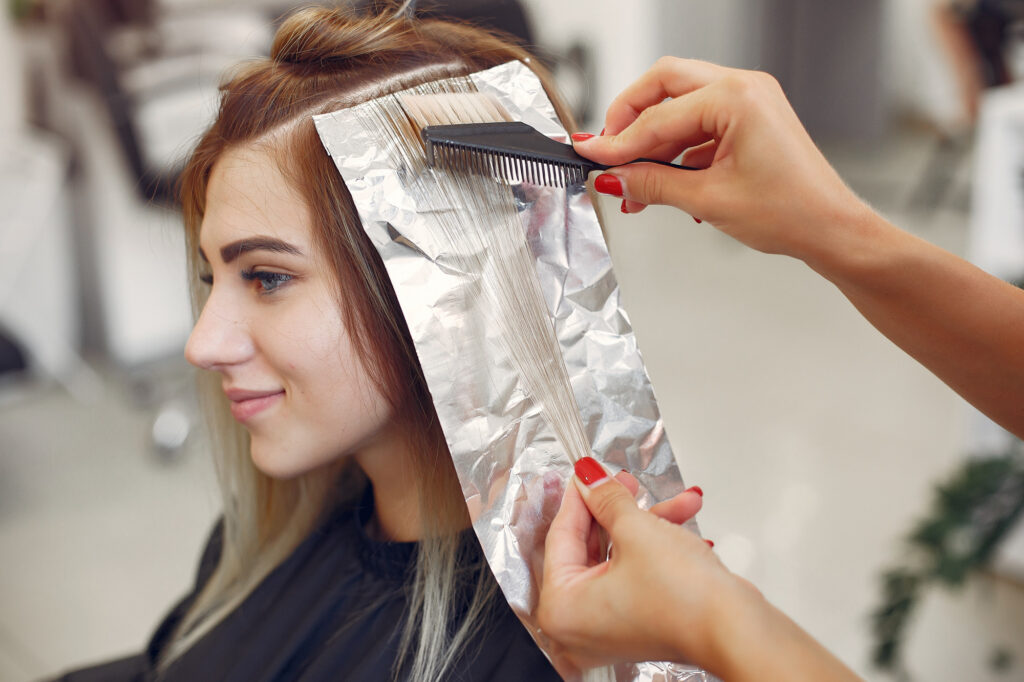
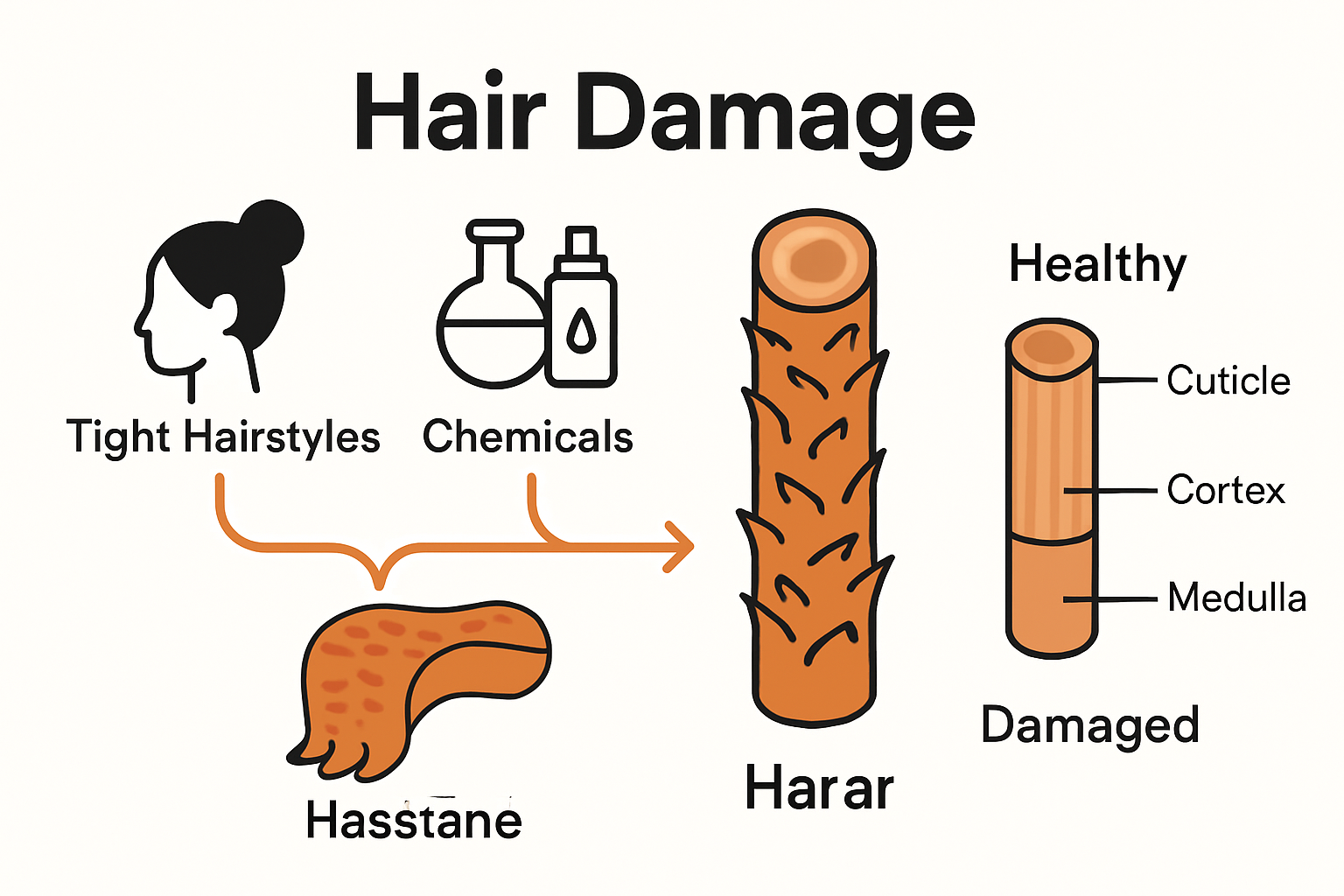
Chemical treatments represent one of the most aggressive causes of hair breakage. Processes like perming, coloring, and repeated chemical styling fundamentally alter hair’s protein structure, creating vulnerable points where strands become weak and prone to snapping. These treatments disrupt the hair’s natural protective keratin layers, making each strand increasingly susceptible to environmental and mechanical stress.
Physical handling and styling techniques play an equally significant role in hair damage. Tight hairstyles, excessive brushing, and rough manipulation can create microstresses that gradually weaken hair strands. Key mechanical causes of breakage include:
- Using tight elastic bands that pull and strain hair roots
- Brushing hair aggressively, especially when wet and most vulnerable
- Applying high-heat styling tools without proper heat protection
- Wearing hairstyles that create constant tension on hair follicles
Nutritional factors cannot be overlooked when understanding hair breakage. Deficiencies in key nutrients like protein, iron, and vitamins can compromise hair’s structural integrity, leading to increased fragility and reduced natural resilience. A holistic approach to hair health requires understanding these interconnected factors and implementing protective strategies that minimize potential damage.
Differences Among Hair Breakage Types
Hair breakage is not a one-size-fits-all condition, but rather a complex phenomenon with distinct variations that impact hair health differently. Wikipedia reveals two intriguing conditions that showcase the nuanced nature of hair fragility: trichorrhexis nodosa and monilethrix, each presenting unique characteristics that affect hair structure and strength.
In trichorrhexis nodosa, hair develops weak points along the hair shaft that make strands particularly prone to breaking. These vulnerable nodes create natural fracture points, causing hair to snap unexpectedly. Unlike uniform hair damage, this condition creates localized areas of extreme weakness that can transform hair’s overall integrity and appearance.
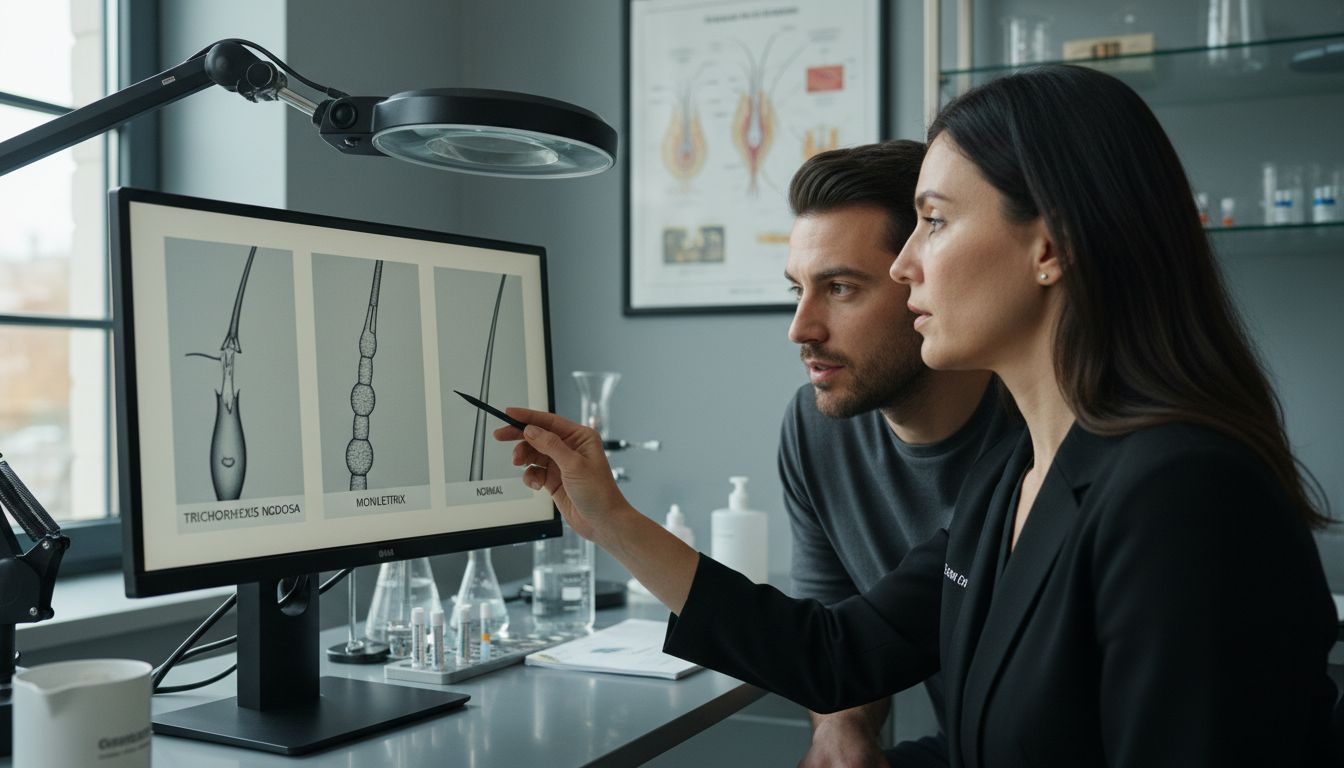
By contrast, monilethrix presents a dramatically different profile of hair breakage. As Wikipedia explains, this rare condition creates a distinctive beaded appearance in hair strands, resembling a string of small nodes. These characteristic formations make hair inherently brittle and susceptible to breakage, distinguishing it from other hair damage types.
The variations in hair breakage extend beyond these specific conditions. Different hair types experience breakage uniquely based on factors like:
- Natural hair texture and thickness
- Genetic predispositions
- Environmental exposure
- Chemical processing history
- Overall hair care practices
Understanding these nuanced differences allows for more targeted and effective hair care strategies, enabling individuals to address their specific hair health challenges with precision and expertise.
Key Risk Factors for Hair Damage
Hair damage is a multifaceted issue with numerous potential triggers that can compromise your hair’s health and appearance. Wikipedia highlights one particularly damaging phenomenon known as traction alopecia, which emerges from chronic pulling forces applied to hair strands through certain styling practices.
Hairstyling techniques represent a significant risk factor for hair damage. Tight ponytails, braids, and other tension-based styles can create sustained stress on hair follicles, leading to progressive weakening and potential permanent damage. These styling choices might seem fashionable in the moment, but they can cause long-term structural compromises to your hair’s integrity.
Wikipedia further reveals that external environmental factors play a crucial role in hair damage. Humidity, extreme temperature variations, and direct sunlight exposure can substantially increase hair’s vulnerability. Key risk factors that contribute to hair damage include:
- Repeated heat styling without protective products
- Chemical treatments like bleaching and perming
- Aggressive brushing and mechanical manipulation
- Prolonged exposure to UV radiation
- Nutritional deficiencies affecting hair protein structure
- Chronic stress and hormonal imbalances
Genetic predispositions also significantly influence hair’s susceptibility to damage. Some individuals naturally have more fragile hair structures, making them more prone to breakage and requiring more nuanced, personalized hair care approaches. Understanding these risk factors empowers individuals to make informed decisions about hair maintenance and protection.
Prevention Strategies and Professional Solutions
WebMD offers comprehensive insights into preventing hair breakage, emphasizing that proactive hair care requires a holistic approach addressing both daily practices and long-term hair health strategies. Understanding and implementing targeted prevention techniques can significantly reduce the risk of structural hair damage.
One critical prevention strategy involves modifying hair handling techniques. Wikipedia underscores the importance of reducing chronic traction on hair, which means avoiding tight hairstyles that create sustained stress on hair follicles. Professional stylists recommend alternating hairstyles, using soft hair ties, and minimizing tension-based styling methods to protect hair’s structural integrity.
Nutrition and lifestyle factors play an equally crucial role in hair health prevention. Key strategies for minimizing hair breakage include:
- Using leave-in conditioners with protective properties
- Avoiding brushing hair when wet and most vulnerable
- Implementing heat styling protectants before using hot tools
- Selecting hair products specific to your hair’s unique texture
- Maintaining a balanced diet rich in protein and essential nutrients
- Protecting hair from extreme environmental conditions
For individuals experiencing persistent hair breakage, professional interventions offer advanced solutions. Trichology consultations can provide personalized assessments, identifying underlying causes and developing targeted treatment plans that address individual hair health challenges with precision and expertise.
Restore Strength and Beauty to Your Hair Today
Hair breakage is more than just a cosmetic issue it can deeply affect your confidence and everyday life. This article highlights the real causes like chemical damage, tight hairstyles, and nutrient deficiencies that lead to fragile, brittle strands. If you are tired of uneven lengths and endless frizz caused by breakage you deserve solutions tailored specifically to your hair’s unique needs
Experience the transformative care at Joel C Ma Hair Studio where expert stylists with over 25 years of experience use advanced, personalized techniques to rebuild your hair’s strength and shine. From professional consultations that diagnose the underlying causes to gentle, creative treatments designed to protect and restore your hair integrity you can trust our team to deliver exceptional results. Don’t let hair breakage hold you back schedule your appointment now at Joel C Ma Hair Studio and take the first step towards healthier hair with proven expert care.
Frequently Asked Questions
What is hair breakage?
Hair breakage occurs when hair strands snap or fracture, resulting in shorter lengths and an uneven, frizzy appearance. It can be caused by various factors including chemical treatments, physical handling, and nutritional deficiencies.
What are the main causes of hair breakage?
The main causes of hair breakage include chemical treatments like perming and coloring, physical handling techniques such as tight hairstyles and excessive brushing, and nutritional deficiencies affecting hair structure.
How can I prevent hair breakage?
To prevent hair breakage, modify your hair handling techniques, use protective styling methods, avoid brushing when hair is wet, and maintain a balanced diet rich in essential nutrients like protein, iron, and vitamins.
What are the different types of hair breakage?
There are different types of hair breakage, including trichorrhexis nodosa, which features weak points along the hair shaft, and monilethrix, which presents a beaded appearance in hair strands. Each type affects hair strength and structure differently.