
Custom Hair Styling Tips for Every Hair Type

TL;DR:
- Personalized hair styling tailors techniques and product choices to individual hair types and environment. Proper heat settings and cooling practices are essential for lasting results. Mastering assessment skills builds a consistent routine and improves styling success over time.
Custom hair styling tips are personalized approaches that match your specific hair type, texture, and styling goals to produce results that generic advice simply cannot deliver. The industry term for this practice is “individualized hair styling,” and it covers everything from porosity testing to heat temperature selection. Joelcma, a La Jolla studio with over 25 years of experience, builds every client’s look on this foundation. The right technique, the right product, and the right tools for your hair make the difference between a style that lasts two days and one that collapses by noon.
What are the best custom hair styling tips for your hair type?
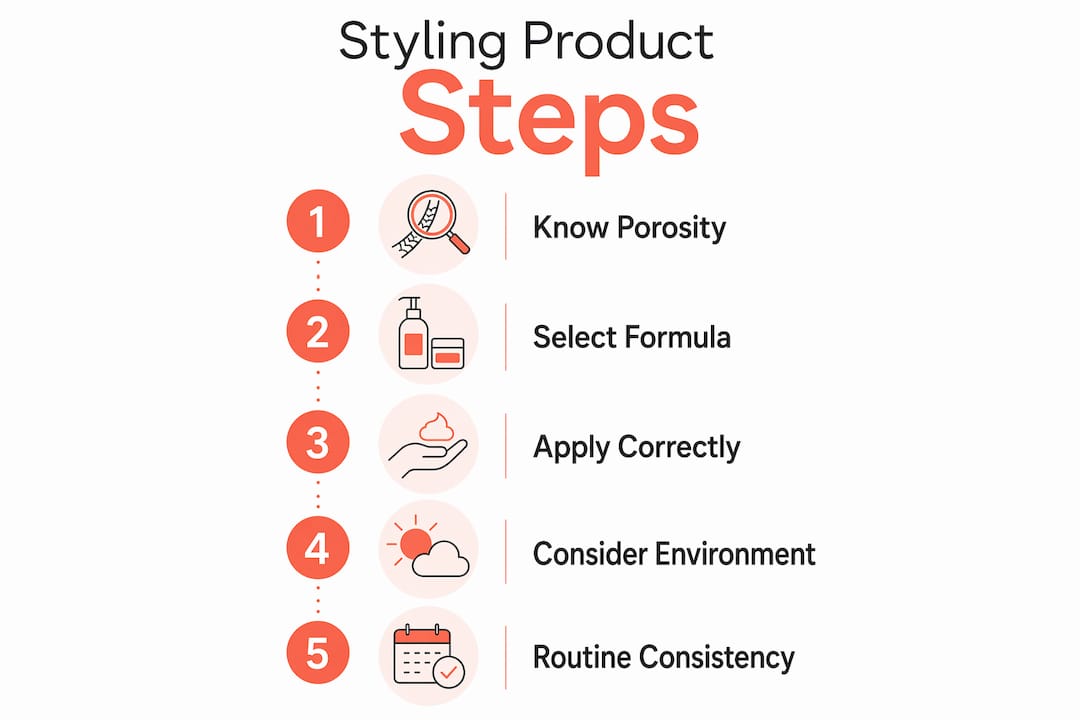
Personalized styling starts with knowing exactly what you are working with. Porosity affects moisture retention and product absorption, which means two people with the same curl pattern can need completely different products. A strand that absorbs water quickly has high porosity and benefits from heavier creams that seal moisture in. A strand that repels water has low porosity and needs lighter, water-based formulas that do not sit on the surface.
Hair density and scalp condition add another layer to the picture. Thick, dense hair holds heat longer and can handle stronger hold products. Fine, low-density hair collapses under heavy oils and needs lift at the root before anything else. Checking your scalp, whether it runs oily, dry, or balanced, tells you how often to wash and which shampoo formula to choose.
Three quick at-home assessments give you a reliable baseline:
- Strand test: Pull a single strand from your brush and stretch it. If it snaps immediately, it is low elasticity and needs protein. If it stretches and returns, elasticity is healthy.
- Float test: Drop a clean strand in a glass of water. Sinking quickly signals high porosity. Floating for several minutes signals low porosity.
- Density check: Pull your hair into a ponytail without stretching. A circumference under one inch is fine density; over two inches is thick.
Pro Tip: Read the full breakdown at Joelcma’s hair porosity guide before buying your next product. Matching formula to porosity is the single fastest way to improve results at home.
How do heat styling techniques change by hair type?
Heat is the most powerful tool in any styling routine, and it is also the most misused. The correct approach is to use the lowest effective heat setting: 250–325°F for fine or damaged hair, 325–375°F for normal hair, 375–400°F for thick or coarse hair, and no higher than 350°F for color-treated hair. Cranking a flat iron to its maximum setting does not speed up styling. It accelerates damage.
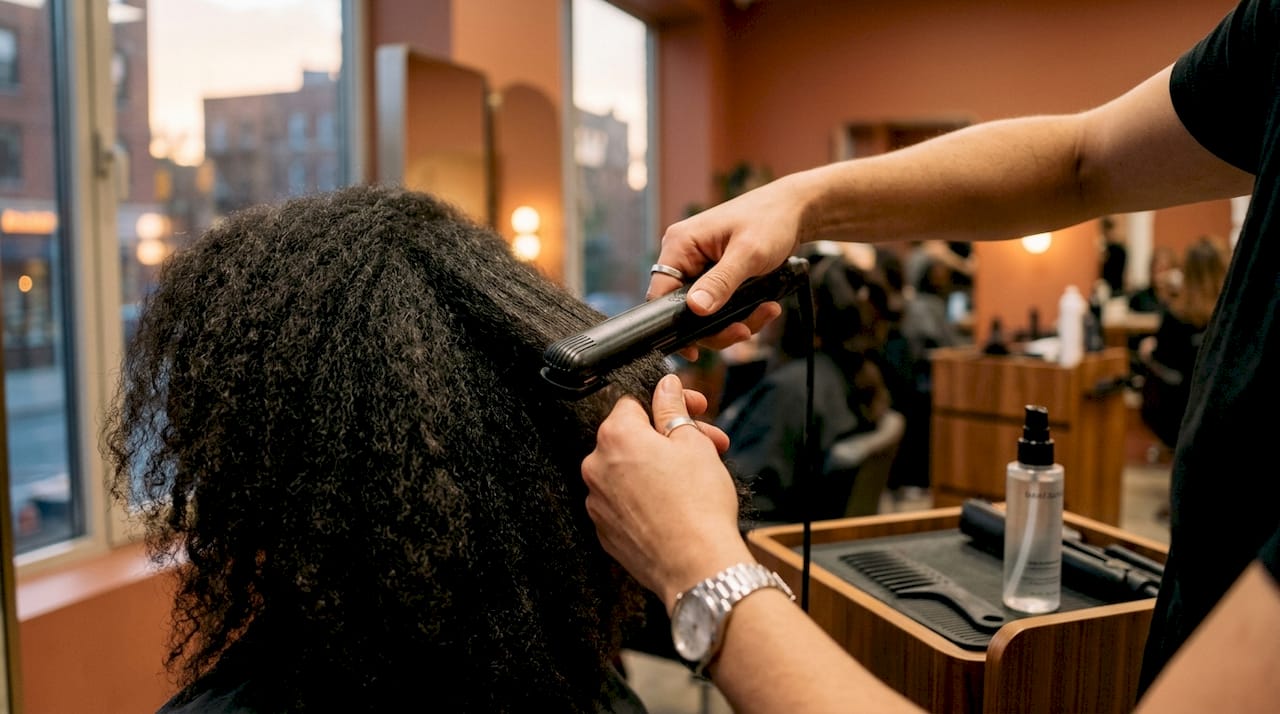
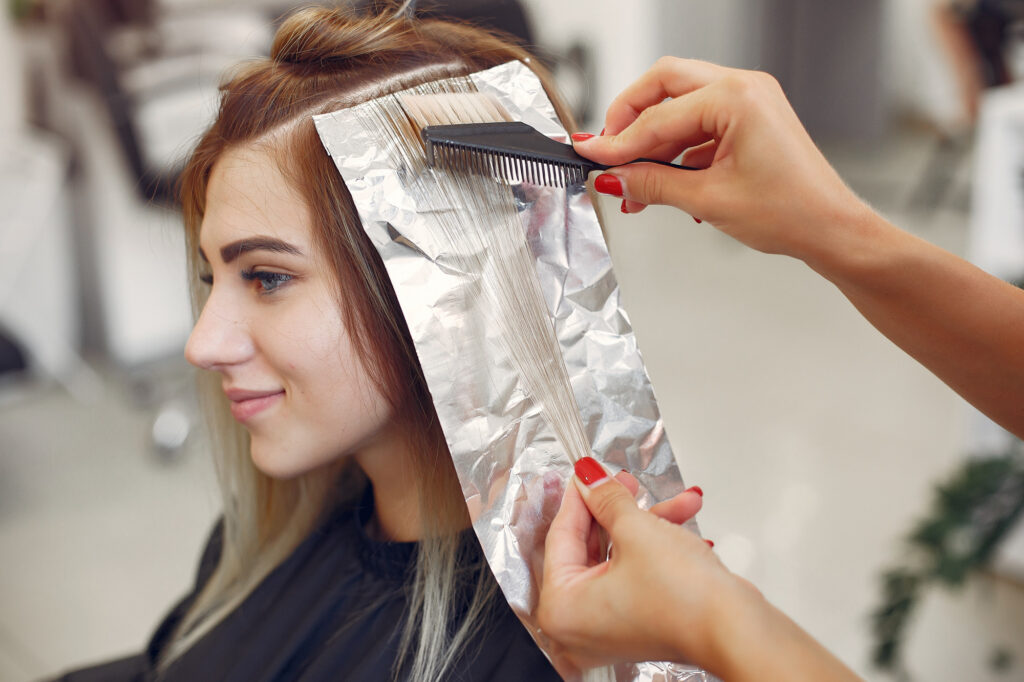
Sectioning is where most people lose control of their results. Working in clean, even sections lets heat distribute evenly and gives you directional control. For a blowout, professional technique includes sectioning the hair, using a round brush with airflow directed down the hair shaft, and finishing each section with a cool blast to lock the cuticle flat.
Follow these steps for a controlled heat styling session:
- Apply a heat protectant to damp hair before any tool touches it.
- Divide hair into four sections: two at the nape and two at the crown.
- Work from the bottom sections upward, releasing one clip at a time.
- Direct airflow or iron plates down the hair shaft, never against it.
- Finish each section with a cool shot and hold the shape until the hair is fully cool.
- Release the section only after it has cooled completely.
Rushing the cooling step is the most common reason a blowout falls flat within hours. Cooling locks in shape and increases style longevity. Hold each section in its styled position until it is cool to the touch before moving on.
For thin hair specifically, technique creates volume, not product quantity. Blow-dry against the natural fall at the roots, lift sections vertically, direct heat to the root, and cool the section in the lifted position. This approach builds structure that no amount of thickening spray can replicate on its own.
Pro Tip: Joelcma’s guide to protecting hair from heat covers protectant application by hair type, so you are not guessing at the right formula.
How do you choose the right styling products for your goals?
Product selection is where personalized hair care tips get specific fast. The wrong formula does not just underperform. It actively works against your style. Choosing products must align with your styling goals and environmental factors like heat and humidity.
The four core product categories and their best uses:
- Creams and leave-ins: Best for moisture, frizz control, and detangling. Apply to damp hair from mid-length to ends.
- Mousses and foams: Best for volume and curl definition. Apply to soaking wet hair at the root and scrunch through.
- Pomades and waxes: Best for texture, separation, and hold on dry hair. Use sparingly to avoid buildup.
- Clay and matte pastes: Best for texture and hold without shine. Ideal for short to medium styles needing definition.
Environmental conditions change which formula wins. In humid conditions, water-based pomades and layering techniques, such as a light cream under a clay or wax, maintain style without weighing hair down. Petroleum-based and heavy oil products soften in heat and humidity, causing styles to droop. In dry climates, richer creams and serums prevent static and brittleness.
Product application zones matter as much as formula. Heavy oils near the roots collapse thin hair volume. Apply thickening products only at the root. Keep ends nourished with lightweight serums that add shine without weight. Layering a light cream under a stronger hold product helps the second product spread evenly and perform better throughout the day.
A complete self-care routine pairs well with a consistent hair care practice. Products from wellness-focused brands like HAUS OF SMELL show how intentional product selection, whether for skin or hair, produces noticeably better results than grabbing whatever is on the shelf.
Step-by-step guide to a personalized daily and event styling routine
A reliable routine removes guesswork and produces consistent results. The tools and products you start with determine how much control you have at every step.
| Tool or Product | Purpose |
|---|---|
| Wide-tooth comb | Detangle wet hair without breakage |
| Boar bristle round brush | Smooth and direct hair during blowout |
| Ionic hair dryer | Reduce frizz and drying time |
| Heat protectant spray | Shield hair from thermal damage |
| Light hold finishing spray | Lock style without stiffness |
Preparation (the step most people skip):
- Wash with a shampoo matched to your scalp type, oily, dry, or balanced.
- Apply a conditioner from mid-length to ends and rinse with cool water to close the cuticle.
- Towel blot gently. Never rub. Rubbing lifts the cuticle and creates frizz before styling even begins.
- Apply your base product, cream, mousse, or leave-in, to damp hair immediately.
Styling execution:
- Section hair as described in the heat styling section above.
- Work each section with your chosen tool, directing heat or tension toward the style goal.
- Cool each section before releasing.
- Apply finishing product sparingly to dry hair once the full style is set.
For events, the same workflow applies with one addition: a professional blowout takes 30–60 minutes and lasts 2–5 days depending on hair type and scalp condition. Scheduling a blowout the day before an event, rather than the morning of, gives the style time to settle and reduces frizz from overnight humidity.
Pro Tip: For fine hair, check Joelcma’s resource on chic hairstyles for fine hair before your next event. The root-lifting and cooling techniques there translate directly to at-home routines.
Common troubleshooting fixes:
- Style falls flat by midday: You skipped the cooling step or used too heavy a product at the root.
- Frizz appears after drying: The cuticle was disturbed during towel drying, or you need a humidity-resistant formula.
- Style feels stiff or crunchy: Too much product was applied. Use less and emulsify it in your palms before applying.
Key Takeaways
Personalized hair styling succeeds when technique, product selection, and heat control are matched to your specific hair type and environment.
| Point | Details |
|---|---|
| Know your porosity first | Test porosity before buying products to match formula to absorption rate. |
| Heat settings are not one-size-fits-all | Use 250–325°F for fine or damaged hair and up to 400°F only for thick, coarse hair. |
| Cooling locks in the style | Hold each section in its styled position until cool before releasing for lasting results. |
| Product zone placement matters | Apply thickening products at roots only; use lightweight serums at ends to avoid collapse. |
| Humidity changes your formula | Switch to water-based products in humid conditions to maintain hold without heaviness. |
What 25 years of styling taught me about personalization
Most people believe more product equals better results. That belief is the single biggest obstacle I see. Technique is the variable that actually controls volume, shape, and longevity. A client with fine hair who masters root lifting and the cooling step will consistently outperform someone with thicker hair who piles on product and skips those steps.
The second lesson is patience with the assessment phase. Clients who take ten minutes to understand their porosity and density before choosing products save hours of frustration later. The humidity-proof hairstyle strategies that work in La Jolla’s coastal climate are a perfect example: the right water-based formula in summer is not a luxury choice. It is the only choice that holds.
My honest advice is to treat your hair routine like a skill, not a chore. Each session teaches you something. Adjust one variable at a time, whether that is heat temperature, product weight, or section size, and you will build a personalized routine that works reliably.
— Juiced
Personalized styling at Joelcma Hair Studio in La Jolla
Joelcma brings over 25 years of expertise to every client consultation, starting with a thorough assessment of your hair type, texture, and styling goals before a single tool is picked up.
The studio’s customized hair styling services cover everything from daily wear blowouts to event-ready looks, with techniques like balayage and artistic cuts tailored to your individual expression. A custom hair consultation at Joelcma gives you a clear, personalized plan you can maintain at home between visits. Book a session at the La Jolla studio and leave with both a great style and the knowledge to recreate it.
FAQ
What are custom hair styling tips?
Custom hair styling tips are personalized techniques and product choices matched to your specific hair type, porosity, density, and styling goals. They differ from generic advice by accounting for individual hair characteristics and environmental factors.
How do I find the right heat setting for my hair?
Use 250–325°F for fine or damaged hair, 325–375°F for normal hair, and 375–400°F for thick or coarse hair. Color-treated hair should stay at or below 350°F to prevent color fade and damage.
Why does my blowout fall flat so quickly?
Skipping the cooling step is the most common cause. Each section must cool completely in its styled position before you release it, because heat sets the shape and cool air locks it in.
How do I style thin hair for a special event?
Blow-dry against the natural fall at the roots, lift sections vertically, direct heat to the root, and cool in the lifted position. Avoid heavy oils near the roots, and use a thickening spray only at the root zone.
Which products work best in humid weather?
Water-based pomades and light creams layered under a clay or matte paste perform best in humidity. Avoid petroleum-based or heavy oil products in summer, as they soften in heat and cause styles to droop.
Recommended
- Straight Hair Styling Tips for Effortless Elegance in 2025 – Joel C Ma Hair Studio
- 7 Expert Tips for a Polished Hairstyle for Professional Women – Joel C Ma Hair Studio
- How to Style Curly Hair Men: Pro Tips for Defined Curls – Joel C Ma Hair Studio
- Master Cutting Curly Hair Techniques for Stunning Styles – Joel C Ma Hair Studio