
Over 25 Years of Color Advice: Vet Salons for Highlights in La Jolla
Book a consultation with a colorist whose portfolio shows hair like yours, and treat that consult as non-negotiable before any color touches your head. Weekend appointments fill fast, so call early and bring reference photos. For readers in the San Diego area weighing a premium, consultation-first option? Joel C Ma Hair Studio in La Jolla fits that description without the guesswork of a discount voucher.
TL;DR:
- Matching portfolio photos that resemble your hair type and natural color are more reliable than star ratings when choosing a stylist for highlights.
- Techniques like foils, babylights, and balayage serve different aesthetic goals and maintenance schedules, requiring clear communication about your desired look.
- Highlight costs vary from $80 to $250 depending on technique, hair length, and correction needs, with appointment times ranging from 90 minutes to over four hours.
- A thorough consultation should clarify whether prices include toner and styling, and discuss the expected number of sessions based on your hair’s condition.
- Reputable salons typically offer free adjustment policies within two weeks if the color result does not match the initial plan.
Table of Contents
- How Do You Find the Best Salon for Highlights Near Me?
- What Highlight Technique Actually Matches Your Goal?
- What Do Highlights Typically Cost and How Long Do They Take?
- How Do You Prepare for a Highlights Consultation?
- How Much Does Location and Parking Actually Matter?
- What Hygiene and Safety Standards Should a Salon Meet?
- Why Does Stylist Experience With Highlights Matter So Much?
- Can You Get a Truly Personalized Color Match?
- What Happens if Your Highlights Don’t Turn Out Right?
- Joel C Ma Hair Studio: What a Highlights Appointment Looks Like
- Boutique Studio or Discount Deal: Which One Is Right for You
- Sources
How Do You Find the Best Salon for Highlights Near Me?
Finding the best salon for highlights near me starts with matching portfolios, not star ratings. A five-star review tells you almost nothing about whether a colorist can handle your specific hair texture, length, or the exact shade of blonde you’re picturing. Portfolio photos do.
Start with photo evidence, not testimonials. Scroll a stylist’s before-and-after gallery and look for clients whose starting hair resembles yours: similar length, similar natural color, similar texture. A colorist who mostly posts transformations on straight, fine, light brown hair may struggle with thick, coarse, or previously colored hair. Booksy’s highlights search lets you filter by location, browse verified portfolios, and check real-time availability in one pass, which saves hours compared to calling salons one by one.
Read reviews for specificity, not sentiment. Generic praise (“loved it, so friendly!”) tells you the front desk was pleasant. What you want are reviews that mention highlights by name: grow-out quality after six weeks, whether the color matched the sample photo, whether toner was included. A review that says “my babylights still looked soft and natural three months later” is worth ten reviews that just say “great experience.”
Here’s a quick filter checklist to run before you call anyone:
- Does the portfolio include full-head shots in natural light, not just close-up swatches?
- Do at least three reviews specifically reference highlights, balayage, or color correction?
- Does the booking page list service duration and what’s included (toner, gloss, blow-dry)?
- Is there a visible consultation step before the color appointment, or does it jump straight to booking?
- Are recent posts (within the last two to three months) showing current work, not a five-year-old portfolio?
If you’re working through a booking platform or salon website, follow this sequence:
- Search by location and filter specifically for “highlights” or “balayage,” not just “hair color.”
- Open each stylist’s portfolio and sort mentally by hair type match, not by how flattering the lighting is.
- Cross-check availability against your schedule. Weekend and Saturday morning slots tend to book out one to two weeks ahead.
- Call or message to confirm whether a consultation is bundled into the appointment or scheduled separately.
- Ask directly whether the price quoted includes toner and blow-dry, since these are the most common hidden add-ons.
Deal sites complicate this process a little. Groupon’s color and highlights listings aggregate local deals that often bundle a cut, conditioning treatment, and blow-dry alongside the color service, with prices commonly landing in a moderate range depending on complexity. That range looks attractive until you read the fine print. Many vouchers exclude toner for long hair, charge extra for hair below shoulder length, or cap the service at a “partial” application that won’t cover a full head. Before buying a voucher, check exactly what’s included, what counts as an upcharge, and whether the salon has real highlight-specific reviews, not just generic five-star ratings tied to haircuts.
Pro Tip: Screenshot the exact reference photo you plan to bring, then message it to the salon before booking. A colorist who responds with specific questions about your hair’s history is a better sign than one who just confirms the appointment time.
The practical shortcut many people skip: check a stylist’s Instagram or TikTok directly, not just their salon’s main page. Individual colorists often post more frequent, more honest documentation of their actual client work than a salon’s curated marketing feed. Look at posts from the last few weeks, not a highlight reel from two years ago.
What Highlight Technique Actually Matches Your Goal?
Not all highlights are the same service, and asking for “highlights” without specifying the technique is how mismatched expectations happen. Here’s what each term actually means and what it costs you in maintenance.
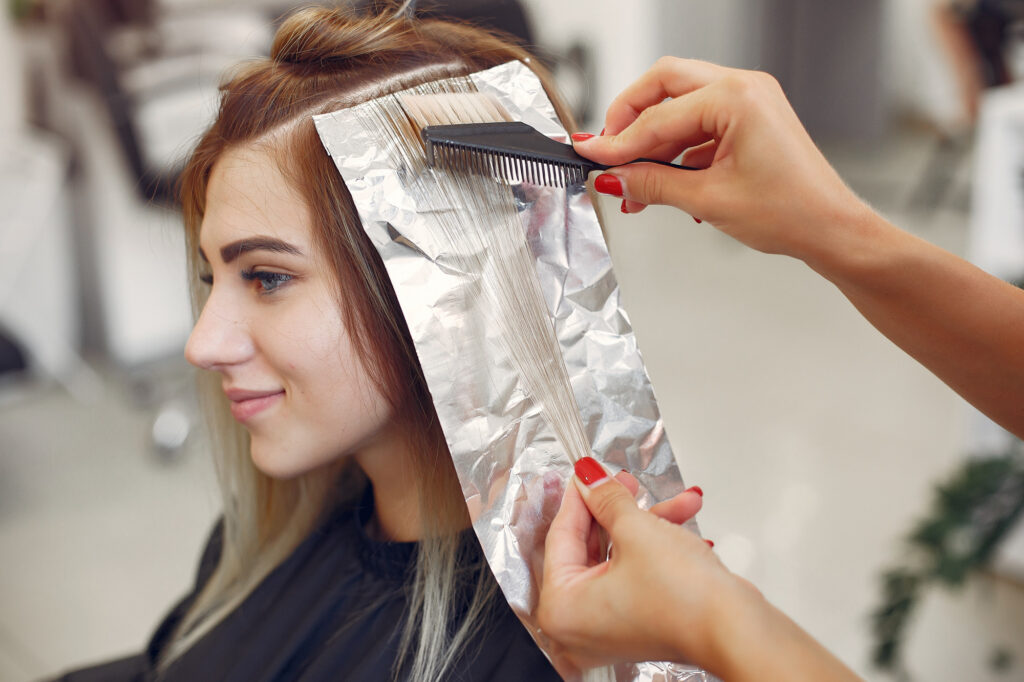
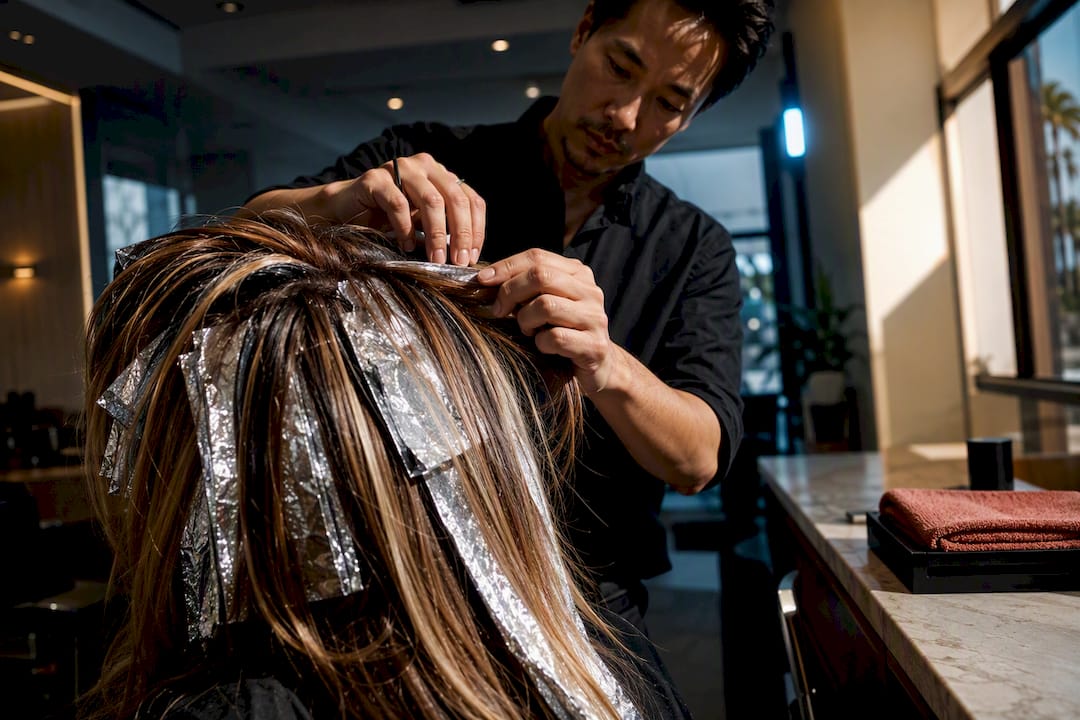
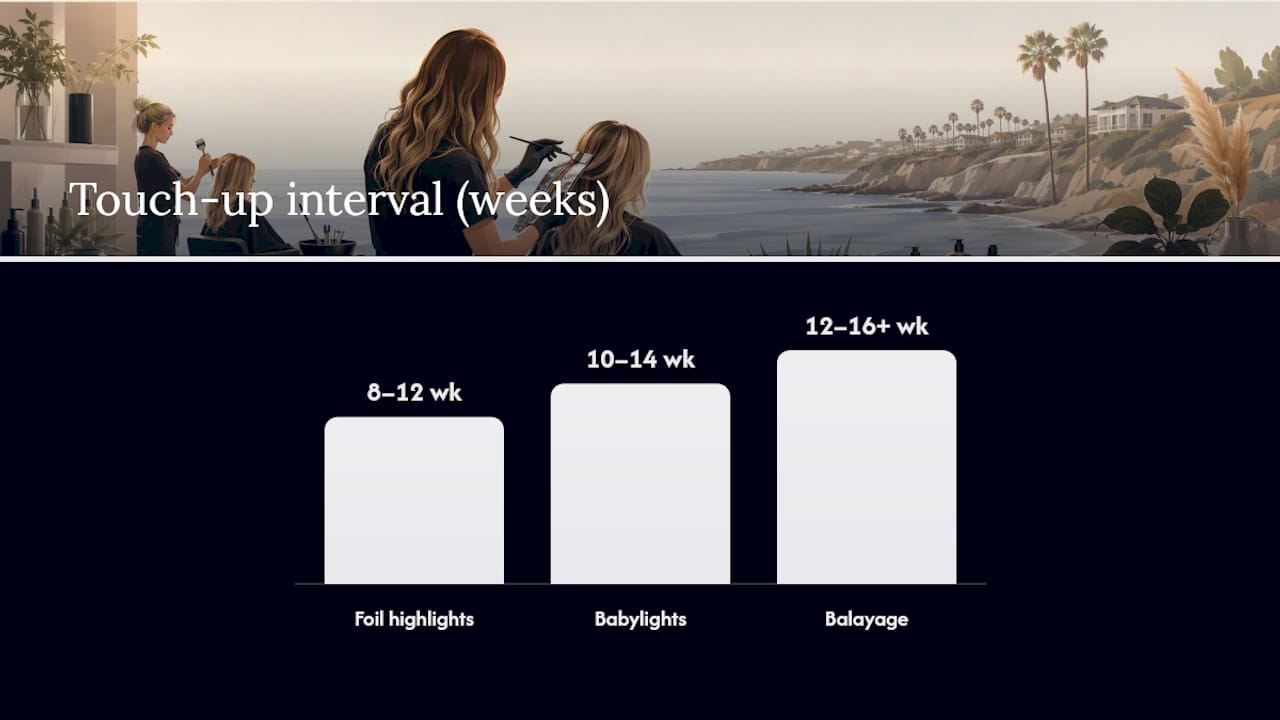
Foil highlights are the classic technique: sections of hair isolated in foil packets and lightened, creating defined, higher-contrast strands. They deliver the most dramatic lightening in a single session but grow out more visibly at the root line, usually needing a touch-up every eight to twelve weeks.
Babylights use much finer foil sections, mimicking the way a child’s hair naturally lightens in the sun. The result is subtler and more diffused than traditional foils, blends well into most base colors, and tends to look intentional even as it grows out, though achieving fine, even sections takes a stylist longer at the chair.
Balayage skips foil almost entirely in favor of hand-painting lightener directly onto the hair’s surface. Colorists who specialize in this technique, like the approach described by Color And Andy’s highlight work, use it specifically to create soft, dimensional color that grows out without a harsh line, which is why it’s become the default request for people who want low-maintenance color. The trade-off is a softer, more blended look rather than the crisp brightness foils produce.
Face-framing highlights and money pieces target just the strands around your face, brightening your features without committing to a full-head process. This is the fastest and cheapest highlight service, and it’s a smart entry point if you’ve never colored your hair before.
Partial versus full head determines both price and time. A partial application covers the top and crown; a full head covers everything underneath as well. If you’re going more than two or three shades lighter, or correcting a previous color job, expect the process to span multiple sessions rather than one long appointment. Here’s how the techniques stack up on maintenance:
- Foils: highest contrast, root touch-up every 8 to 12 weeks
- Babylights: subtle blend, touch-up every 10 to 14 weeks
- Balayage: softest grow-out, touch-up every 12 to 16 weeks or longer
- Face-framing: lowest commitment, easiest to space out or skip
If you’re unsure which fits your hair, a balayage versus highlights breakdown walks through the technical differences in more depth, and comparing lowlights against highlights is worth a look if you want dimension without going lighter overall.
What Do Highlights Typically Cost and How Long Do They Take?
Price and time both scale with how much hair you’re processing and how far you’re pushing the color. A face-framing touch-up might run under an hour; a full-head correction on long, previously colored hair can eat an entire afternoon.
Price bands vary by service complexity. Local deal listings on Groupon show color and highlight services commonly falling between $80 and $250, but that range compresses at the low end for partial or face-framing work and expands well past $250 for full-head balayage, extensive correction, or very long, thick hair that requires more product and more stylist time. Correction work, where a previous box-dye job or uneven color needs to be fixed before new highlights go in, is almost always priced separately and can double the base cost.
Appointment length typically runs from about 90 minutes for small, partial work up to four or more hours for full-head foils or multi-step correction, and availability tends to tighten on weekends, so early booking matters if you’re set on a Saturday slot.
What actually drives the final number:
- Hair length and thickness: more hair means more product and more time at the chair.
- Technique: foils generally take longer to place than hand-painted balayage, but balayage can require more product for a soft, blended result.
- Correction complexity: fixing box color, brassy tones, or uneven previous highlights adds a separate charge and sometimes a second appointment.
- Add-ons: toner, gloss, Olaplex or bond-building treatments, and blow-dry styling are frequently priced separately unless the menu says otherwise.
When you’re reading a service menu or a voucher, look specifically for what’s excluded. Deals often list a base highlight price but exclude toner for long hair, charge extra past a certain hair length, or don’t include the blow-dry that makes color look finished. A menu that clearly states “includes toner and style” is more trustworthy than one that just lists “highlights, $99” with no detail.
How Do You Prepare for a Highlights Consultation?
The consultation is where good highlights get planned and bad ones get prevented. Walking in without questions, or without photos, hands the entire outcome to chance.
Ask these questions when you book:
- Does the quoted price include toner, gloss, and blow-dry, or are those separate charges?
- How long will the appointment realistically take given my hair length and the technique I want?
- Is a patch test offered or required for scalp sensitivity, and how far in advance does it need to happen?
- How many sessions will this take if I’m going more than two shades lighter or correcting old color?
- What’s the maintenance plan afterward, including which products you’ll recommend for at-home care?
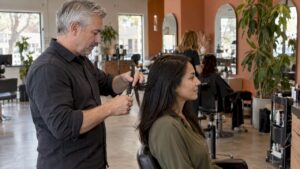
At the actual consultation, dig deeper. Ask the colorist directly about their experience with your specific hair type and history: has previous box color, keratin treatments, or chemical straightening been factored into the plan? A colorist worth trusting will explain, without being asked twice, how many sessions a major change will take and why rushing it risks hair damage. That’s consistent with how experienced colorists structure client consultations, treating the plan as a conversation rather than a quick upsell.
Bring three types of photos: a close-up of the exact placement and tone you want, a photo of your current hair in natural daylight (not a filtered selfie), and a photo of your hair down and styled the way you normally wear it. This gives the stylist a realistic starting point instead of guessing from a flattering angle. If you need visual reference for what different placements actually look like on darker bases, highlight ideas for dark hair is a useful place to browse before your appointment.
Pro Tip: If a stylist can’t give you a rough time estimate or a session count during the consult, treat that as a warning sign, not a quirk. Experienced colorists plan complex jobs in stages and can tell you that plan on the spot.
Watch for these red flags before you commit money to a chair:
- No visible portfolio, or a portfolio that only shows haircuts, never color work.
- Vague answers when you ask directly about timing or total price.
- Reviews that mention “highlights” in passing but never describe the actual result or grow-out.
- A hard push toward expensive add-ons or upgrades before you’ve even discussed your hair’s condition.
A quick note on safety at this stage: if you have a sensitive scalp or any history of reactions to hair color, ask about patch testing before your appointment date, not the day of. Reviewing basic hair coloring safety precautions ahead of time gives you informed questions to ask rather than relying on the salon to volunteer everything.
How Much Does Location and Parking Actually Matter?
Convenience shapes whether you’ll actually keep up with maintenance appointments, and highlights need maintenance. A salon with the best portfolio in your city is only useful if you can realistically get there every two to three months.
Parking and transit access change the math on “best.” A downtown specialty salon might have the strongest colorist in the region, but if parking costs $20 and takes fifteen minutes to find, that friction adds up over a year of touch-ups. Suburban and boutique studios frequently offer easier, often free, parking and shorter wait times, which can offset a slightly higher service price when you factor in your actual time and stress.
Before booking, check a few practical details: is there dedicated salon parking or metered street parking nearby, and how far is the walk from a bus or trolley stop if you’re relying on public transit? Salons in dense commercial areas often share limited parking with neighboring businesses, which gets worse on weekends when appointment demand peaks. If you’re commuting from across town, factor that travel time into your appointment window, especially for a four-hour full-head session where arriving late can shrink your actual color processing time.
Convenience isn’t just about the first visit. Highlights require repeat trips, so weigh the location against your actual schedule, not just your first impression of the salon’s interior.
What Hygiene and Safety Standards Should a Salon Meet?
A salon’s approach to hygiene tells you a lot about how carefully they’ll handle chemical processes on your scalp. This matters more with highlights than with a basic trim, since lightener and toner involve direct chemical contact.
Look for visible, basic signals when you walk in for your consultation: tools stored in sealed or sanitized containers rather than loose on a cart, fresh towels and capes for each client, and clearly separated stations rather than crowded, shared workspaces. Ask whether the salon offers a patch test for color-sensitive clients, particularly if you’ve never had a chemical color service before or have had a reaction in the past.
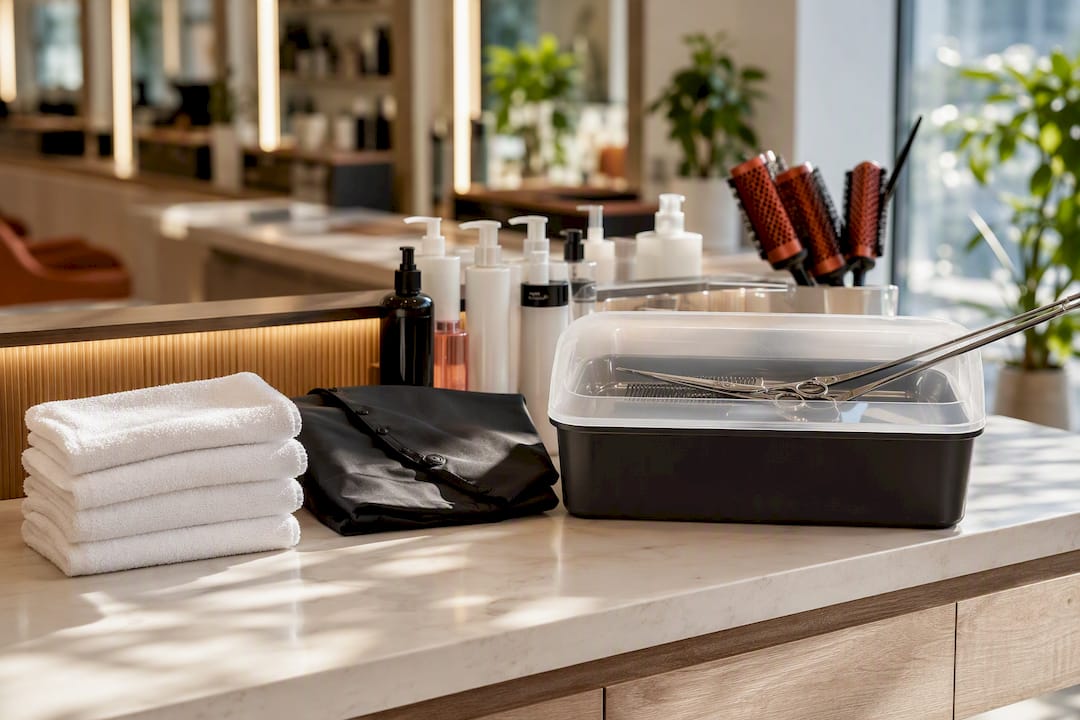
Most states require licensed cosmetologists to follow specific sanitation protocols for tools and workstations, though exact requirements vary by state board. You don’t need to interrogate a salon about its compliance paperwork, but a stylist who mentions sanitation practices unprompted, or who asks about your scalp health and any recent treatments before applying lightener, is signaling real attention to safety rather than rushing through the appointment.
If you have known sensitivities or a history of scalp irritation, raise it at booking, not once you’re in the chair. A brief read through hair coloring safety precautions beforehand gives you the vocabulary to ask specific, informed questions.
Why Does Stylist Experience With Highlights Matter So Much?
A colorist’s overall years in the industry matter less than their specific, recent experience with highlighting techniques. Someone who’s spent a decade primarily doing haircuts and only occasionally colors hair is a different bet than a colorist who does highlights daily.
Ask directly how much of their current client base is color work versus cuts, and how often they personally perform balayage or foil highlights in an average week. A colorist who does five to ten color services weekly has far more repetition and pattern recognition for how different hair types lift than one who does it occasionally. That repetition is what lets an experienced colorist predict how your specific hair will lighten and avoid the brassy, uneven results that come from guessing.
Portfolio depth is the clearest external signal of this. A colorist with dozens of recent highlight photos, showing variety across hair types and lengths, has clearly built a specialty. One with a handful of color photos buried in a portfolio dominated by cuts probably hasn’t.
Formal training matters too, but less than ongoing practice. Advanced color certifications and technique-specific workshops (many colorists list balayage-specific training separately from general cosmetology licensing) suggest a stylist has invested beyond the baseline requirement. Ask about this directly at consultation if it isn’t obvious from their bio or social presence, and don’t be shy about asking how long they’ve specifically been doing highlight work, not just hairdressing overall.
Can You Get a Truly Personalized Color Match?
Off-the-shelf color formulas rarely produce a result that looks intentional on your specific hair. The best salons build a custom formula for each client rather than applying a standard mix.
A genuine color match starts with your natural base tone, your hair’s underlying pigment (warm, cool, or neutral), and how your hair has responded to any previous color or lightening. Experienced colorists mix bespoke formulas at the chair rather than pulling a pre-made box, adjusting the toner specifically to counteract brassiness or warmth that your particular hair tends to pull. This is part of why consultation-first colorists insist on seeing and touching your hair before quoting a final price or technique, since a photo alone can’t tell them how your hair will actually lift.
Ask at consultation whether the salon customizes formulas per client or works from a limited set of standard shades. A stylist who talks through your skin tone, your eye color, and how you want the highlights to read in different lighting is doing real customization. One who points at a color chart and asks you to pick a number is not offering the same depth of service.
If you’re weighing whether to go lighter gradually or jump straight to a bigger change, a transition guide from highlights to balayage covers how colorists typically stage that kind of shift without overprocessing your hair in one sitting.
What Happens if Your Highlights Don’t Turn Out Right?
Even with a strong consultation and a skilled colorist, color doesn’t always land exactly as pictured on the first try. What separates a trustworthy salon from a risky one is how they handle that gap.
Ask directly, before you book, what the salon’s policy is on touch-ups or corrections if the color doesn’t match what was discussed. Reputable salons typically offer a complimentary adjustment within a set window, often one to two weeks, if the result is meaningfully off from the agreed plan. That’s different from a full refund policy. Most salons won’t refund a color service outright, but a willingness to bring you back and adjust the tone at no extra charge is the realistic industry standard worth asking about.
Get this policy in writing or at least confirmed verbally before the appointment starts, not after you’re unhappy with the result. If a salon is vague or defensive when you simply ask “what happens if I’m not satisfied,” treat that hesitation as useful information. A colorist confident in their work will explain their adjustment policy plainly, often mentioning it before you even ask, because they’ve dealt with the occasional mismatch before and have a standard way of handling it.
Reviews are useful here too: look specifically for mentions of how a salon handled a correction or touch-up request, not just praise for a first-time result. That tells you how they perform when things don’t go perfectly, which is the scenario that actually reveals professionalism.
Joel C Ma Hair Studio: What a Highlights Appointment Looks Like
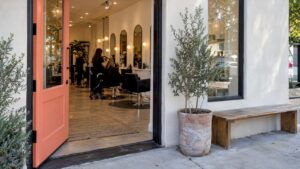
A hair studio in La Jolla builds its approach around the same consultation-first standard this guide recommends. With over 25 years of experience behind the studio’s founder, the team’s balayage and highlight portfolio reflects a specific focus on custom color rather than one-size-fits-all formulas, and client transformations documented across the studio’s work give you real photo evidence to evaluate before you ever sit in the chair.
An appointment starts with a real consultation: your colorist looks at your hair’s current condition, discusses the tone and placement you’re picturing, and mixes a formula specific to your base color rather than applying a generic mix. Depending on whether you’re booking partial highlights, a full-head transformation, or balayage, expect a realistic time estimate before the color goes on, not a vague “it depends” once you’re already in the chair. Aftercare guidance and product recommendations, including options covered in the studio’s salon-grade shampoo comparison for colored hair, come standard so your color holds between visits.
If you’re ready to book, bring the same photo checklist covered earlier: a close-up of your desired placement, a natural-light shot of your current hair, and a photo of how you typically wear it styled. Review the studio’s highlights and cut services or browse the broader local color salon shortlist to see how the studio’s consultation-first approach compares to what you’ve learned to look for, then reach out to schedule your consultation.
Boutique Studio or Discount Deal: Which One Is Right for You
A boutique studio earns its price when you’re planning a major color change, fixing a previous correction, or building a long-term color relationship with one colorist who learns your hair over repeat visits. That continuity is worth paying for.
A deal or voucher can be perfectly reasonable for lower-stakes updates, like a face-framing refresh, provided you read the inclusions carefully and confirm recent reviews specifically mention highlights, not just haircuts. The savings evaporate fast if a “highlights” voucher excludes toner on hair past your shoulders.
My honest read: book the consultation before you commit to either path. Bring your photos, ask the timing and pricing questions directly, and let the colorist’s answers, not the price tag, tell you whether you’ve found the right chair.
— Juiced
Sources
- Hair Highlights Near Me | Book Your Color
- Color and highlights deals and listings — Groupon
- Stunning Highlights NYC | Color And Andy
- Hair Salon Near Gold Coast, Chicago | CK Studio Salon