
Creative Hair Color: Ideas, Techniques and What to Expect

Creative hair color is any color plan that goes beyond one flat shade: melted tones, vivid fashion shades, hand-painted placement, or a mix of all three. The best results start with your hair’s history, your skin tone and the life you live outside the salon chair. This guide covers the ideas worth asking for, how each is built, what the work costs at our La Jolla studio, and how to protect your scalp and your color.
TL;DR
- Creative color ranges from soft and natural-looking (melted bronde, dimensional balayage) to bold (teal, emerald, burgundy, violet). Pick the level of upkeep you will actually keep up with.
- Dark or previously colored hair usually needs lightening before a vivid shade, so plan for more time and a higher price than a single-process color.
- At Joel C Ma Hair Studio, hand-painted balayage is $200-$225 and a color transformation is $200-$225. Final price depends on length, density and the formula.
- Ask for a consultation and a skin allergy test before any full service, especially if you have reacted to dye before.
- Color-safe shampoo, conditioner and a regular deep conditioning treatment protect both shine and hair health.
Table of Contents
- What “creative” color really means
- Creative color ideas, from soft to bold
- Choosing a creative color that suits you
- What it costs at our studio
- Safety first: the part people skip
- Our perspective
- Making creative color last
- Book your creative color consultation
- FAQ
- Sources
What “creative” color really means
People search this phrase for very different things. Some want a fashion shade like emerald or dusty mauve. Others want a more artistic version of blonde or brunette: a face-framing brightness, a copper that shifts in sunlight, a root that melts into the length. Both count. What they share is intention: the color is designed for you rather than pulled from a box.
Three decisions shape every creative color:
- The shade. Natural, warm, cool, or vivid fashion tones.
- The placement. All over, in streaks, in a panel around the face, at the ends, or blended from the roots.
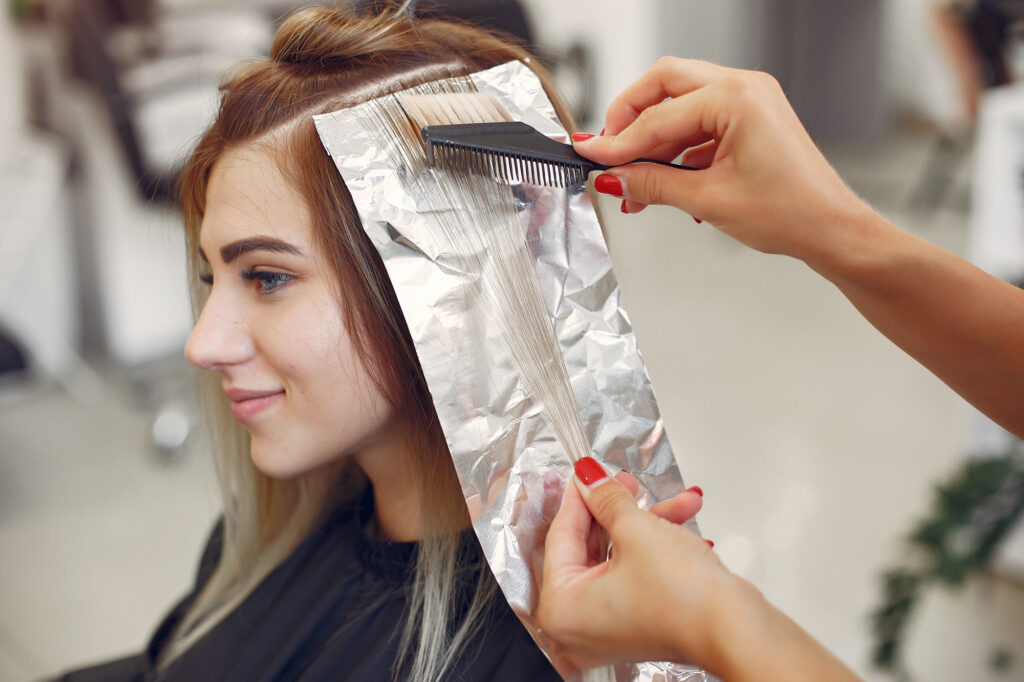
- The technique. Foils, hand-painting, color melting, or a toner and gloss over a lightened base.
If you want a primer on terms your stylist will use, our color vocabulary guide for beginners covers the basics, and our overview of dimensional color explains how depth and movement are built.
Creative color ideas, from soft to bold
Soft and lived-in
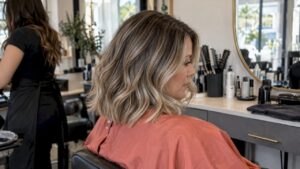
This is creative color for people who want to look like themselves on a very good day. Trend coverage from Refinery29’s 2026 color roundup describes khaki bronde, a blend of blonde and brunette with ashier tones that gives a more organic, lived-in finish. The colorist quoted there suggests asking for a seamless lift and a color melt.
The reason these looks work for busy people is the grow-out. Because the transition between your natural base and the lighter pieces is blended, there is no hard line at the root. Most clients can go longer between visits than with a solid color.
Balayage is the classic technique here. The lightener is painted by hand, so the placement follows your cut and the way your hair falls. If you are new to it, read Balayage for Beginners or What Is Balayage and Why It Transforms Hair Color. If you currently wear foil highlights, moving from highlights to balayage can be done in stages.
Rich and jewel-toned
Burgundy, dark violet, midnight blue and emerald sit between natural and fantasy. L’Oréal Paris’s list of fun hair colors includes shades like these, and they have a practical advantage: on dark hair they can read as a deep sheen in indoor light and show their color in the sun. That makes them a good first step if you want something unusual but still office-friendly.

A jewel tone on dark brown hair may need only partial lightening, or sometimes none, depending on the shade. Your stylist can strand-test it during the consultation so you see how your hair responds before committing.
Vivid and dimensional
Teal, turquoise, opal and sunflower shades are the head-turners. These nearly always require lifting the hair to a pale, even base first, because the pigment needs a clean canvas. Expect a longer appointment, a gloss or toner step, and more careful home care.
Vivid color also looks different depending on where it sits:
- Face-framing pieces: a pop of color in the front section, easy to hide or grow out.
- Peekaboo or underlayer color: hidden when your hair is down, visible when you pull it up.
- Color blocking: large sections of contrasting color with clean edges.
- Melted ends: a gradient from your natural root into a vivid tip.
Placement is where artistry matters most. A good colorist sections the hair so the color moves with your cut, which is why we pair color planning with haircut planning. If you want to explore cut ideas that suit a bold color, our piece on creative haircut ideas is a good companion.
Warm, expensive-looking neutrals
Copper, cinnamon and mocha shades have all been called trends in recent seasons, and they suit people who want richness without a dramatic change. Warm tones can drift brassy as they fade, so toner and the right at-home care matter. We explain how to keep tones clean in How to Avoid Brassy Hair Naturally.
Choosing a creative color that suits you
Trend photos are a starting point. Four things decide whether a color works on you.
Your starting point. Natural dark hair, previously dyed hair, gray coverage and virgin light hair all behave differently. Old box dye is the most common surprise: it can lift unevenly and may need color correction first. If that is you, read Color Correction Salon: What to Expect and When to Book.
Your skin tone and eye color. Cool-toned skin often looks best in ash, violet and blue-based shades, while warm-toned skin often glows in copper and golden tones. These are tendencies, not laws, and a good stylist can shift a vivid shade warmer or cooler to flatter you.
Your upkeep tolerance. Be honest. If you wash your hair daily with hot water and never use a mask, a pastel will fade in days.
Your workplace and lifestyle. Some of our clients want color that is visible on weekends and quiet during the week. Hidden placement and soft melts solve this.
Here is how the common routes compare:
| Look | Best for | Lightening needed | Typical upkeep |
|---|---|---|---|
| Hand-painted balayage | Dimension with a soft grow-out | Yes, to the degree you want | Toner refresh and a gloss as needed |
| Dark jewel tone (burgundy, violet) | Rich color on dark hair | Often little or none | Color-safe care, periodic gloss |
| Face-framing vivid color | A bold accent that is easy to change | Yes, in the chosen sections | Frequent washes fade it; refresh as needed |
| Full vivid shade (teal, opal) | Maximum impact | Usually to a pale base | Highest: color-depositing care and regular touch-ups |
| Warm copper or mocha | Natural-looking richness | Depends on your base | Toner to prevent brassiness |
What it costs at our studio
Creative color is priced by the work involved, not by the name of the shade. These are our published prices for the color services most often used to build a creative look, as listed on our services page:
| Service | Price |
|---|---|
| Full Balayage/Hair Painting | $200-$225 |
| Color Transformation | $200-$225 |
| Full Highlights | $150-$225 |
| Partial Highlights | $115-$160 |
| All Over Color | $95-$130 |
| Roots Touch-Up | $75-$120 |
| Men Color | $55-$80 |
| Men Highlight | $100-$155 |
| Women’s Haircut | $60-$75 |
| Men’s Haircut | $45-$50 |
A few notes. The range within each service reflects hair length and density. A vivid shade over dark hair is a multi-step process, so a consultation is the only honest way to quote it. Many clients add a haircut to reshape the color, and a blow dry style or a deep conditioning treatment to finish. Our Deep Conditioning/Blow Dry Style is $80-$85, and the Opaplex Colored Deep Conditioning/Blow Dry Style is $115.
Safety first: the part people skip
Creative color often means more lightener, more product and more time on the scalp. That makes safety worth a few minutes before you book.
The allergy test
Para-phenylenediamine (PPD) is the commonest and best-known allergen in hair dyes, according to a clinical review in the National Library of Medicine’s PMC archive. The same review notes that a professionally performed skin patch test is the gold standard for diagnosing allergic contact dermatitis from hair dye, and that manufacturers recommend a 48-hour allergy alert test before a full service. The open test applies a small amount behind the ear or in the crook of the elbow, left uncovered for 45 minutes and watched for reactions over 48 hours.

If you have ever had itching, swelling, blistering or a rash on your scalp, face or neck after coloring, do not wait for the salon day to find out. See a dermatologist or allergist first, and tell your colorist before the appointment. If you develop swelling of the face, trouble breathing or a severe reaction at any time, seek emergency medical care.
Black henna and sensitivity
Allergy UK’s guidance on reactions to hair dye states that black henna tattoos have been associated with later allergic sensitivity to hair dye, so they should be avoided. If you have had a temporary “black henna” tattoo, mention it at your consultation.
What a good consultation covers
A proper color consultation should cover your color and chemical history, any past reactions, scalp condition, and your realistic goals. We outline what to look for in Hair Color Consultation: 5 Checks for a Safer Salon Visit, and our hair coloring safety precautions page goes through what to do before and after.
Our perspective
We have heard every version of “I just want something different.” The studio was built around the idea that color should be designed, not applied. Our founder has more than 25 years of experience, and our team of hair artists works on a simple principle: the cut, the color and the person have to agree with each other.
Here is what that looks like in practice. We start with a conversation, not a swatch. We want to know what you wear, how you style your hair in the morning, how often you are willing to come in, and what you have done to your hair before. Then we choose a technique to match. A hand-painted balayage can look effortless for months. A vivid panel can be the right call for someone who wants fun without commitment. A full vivid shade can be stunning, and we will tell you plainly what it takes to keep it that way.
We also believe in saying no or “not today.” If your hair is compromised, the most creative thing we can do is rebuild it first with conditioning and a gentler plan. Hair health and safety protocols are part of the artistry, not a separate step. The color you walk out with should still look good, and feel good, long after the photo.
— Juiced
Making creative color last
Vivid and lightened hair need a different routine than untouched hair. These habits make the biggest difference:
- Wash less often, and cooler. Hot water opens the cuticle and lets color escape faster.
- Use color-safe products. Our guide to choosing color safe conditioners explains what to look for.
- Add a mask regularly. Lightened hair loses moisture, and hair masks help restore it. A salon deep conditioning treatment goes further.
- Protect from heat and sun. Use a heat protectant and consider a hat on long beach days. In La Jolla, sun and salt water are part of life, so plan for them.
- Book the gloss. A toner or gloss between major services refreshes tone and shine without a full process.
If you also want length or fullness to show off a color design, extensions can be colored to match. We offer clip-in, tape-in, bonding and fusion options, and our guide on how to choose hair extensions explains the differences.
Book your creative color consultation
If you are ready to turn an idea into a plan, we would love to meet you. We offer personalized style consultations, balayage, highlights, color transformations, haircuts and styling for women and men at our La Jolla salon. See the full menu and published prices on our services page, or if you are planning an event, look at our special occasion updo styling, which starts from $100. Bring inspiration photos, an honest history of your hair, and any questions about safety.
FAQ
Do I need to bleach my hair for a creative color?
Often, yes, but not always. Vivid shades like teal or opal usually need a pale base. Deeper tones such as burgundy or violet can sometimes work on dark hair with less lightening. A consultation and strand test will show what your hair needs.
How long does creative hair color last?
It depends on the shade and your care. Soft, blended color can look good for months because the grow-out is gentle. Vivid shades fade faster, especially with frequent washing, heat and sun, so plan on touch-ups or glosses.
Is creative hair color bad for my hair?
Lightening and frequent color do stress hair, and results vary with your hair’s condition and the process. Healthy hair, a careful plan and regular conditioning treatments reduce the risk. If your hair is already very dry or breaking, tell your stylist so you can rebuild it first.
Should I do a patch test before coloring?
Yes, especially if you have reacted to dye before. A 48-hour test behind the ear or at the elbow is the standard precaution, and a dermatologist can do a professional patch test if you have had reactions. Tell your colorist about any history before your visit.
How much does creative hair color cost in La Jolla?
At our studio, a full balayage or color transformation is $200-$225, full highlights are $150-$225 and all over color is $95-$130. Complex vivid work is quoted after a consultation because it depends on your starting color.
Sources
- Para-phenylenediamine allergy: current perspectives on diagnosis and management, PMC
- Reactions to Hair Dye, Allergy UK
- 12 Elevated Hair Color Trends To Inspire Your Next Salon Visit In 2026, Refinery29
- 20 Fun Hair Color Ideas to Shake Up Your Look, L’Oréal Paris