
Dimensional Color: Transforming Hair With Depth & Movement
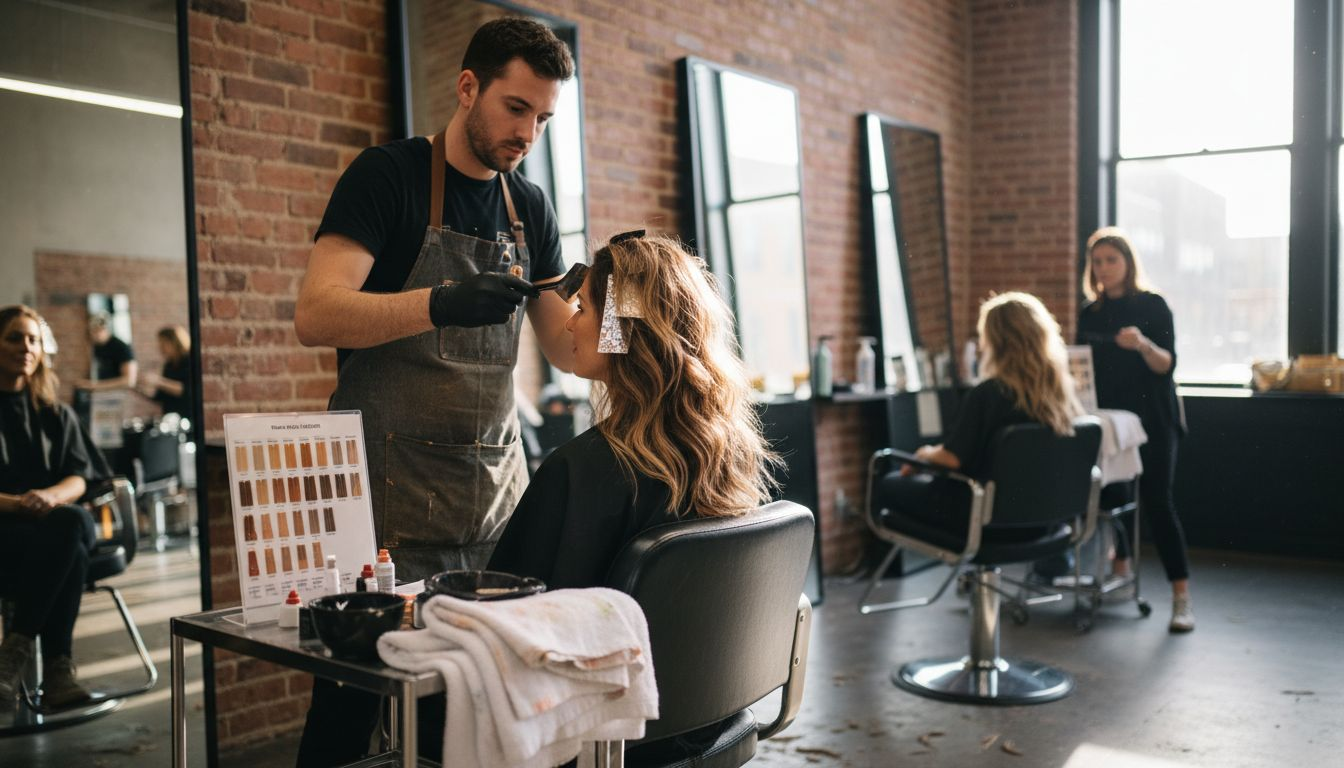
Bold style choices are reshaping the way American women in La Jolla express themselves with hair color. As interest in personalized, artistic techniques grows, more women are exploring dimensional color for a modern look that turns heads. With over 60 percent of clients now seeking multi-tonal hues instead of flat, single-shade color, expectations for expert artistry have never been higher. Discover how the right dimensional color approach brings depth and radiance to every strand.
Table of Contents
- Defining Dimensional Color And Misconceptions
- Popular Techniques For Creating Dimension
- Key Features: Depth, Texture, And Shine
- Dimensional Vs. Traditional Color Methods
- Maintenance, Cost, And Common Pitfalls
Key Takeaways
| Point | Details |
|---|---|
| Dimensional Color Technique | Dimensional color enhances depth and texture by using multiple shades and tones for a natural look. |
| Popular Techniques | Techniques like balayage and color melting offer customizable and modern hair transformations. |
| Maintenance Requirements | Dimensional color generally requires more care, including specific products to maintain vibrancy and prevent brassiness. |
| Customized Consultations | Professional consultation ensures personalized techniques that complement individual hair characteristics and styles. |
Defining Dimensional Color And Misconceptions
Dimensional color represents an advanced hair coloring technique that goes far beyond traditional single-tone applications. Unlike flat, uniform color treatments, dimensional color creates visual depth, movement, and dynamic texture through strategic color placement and blending techniques.
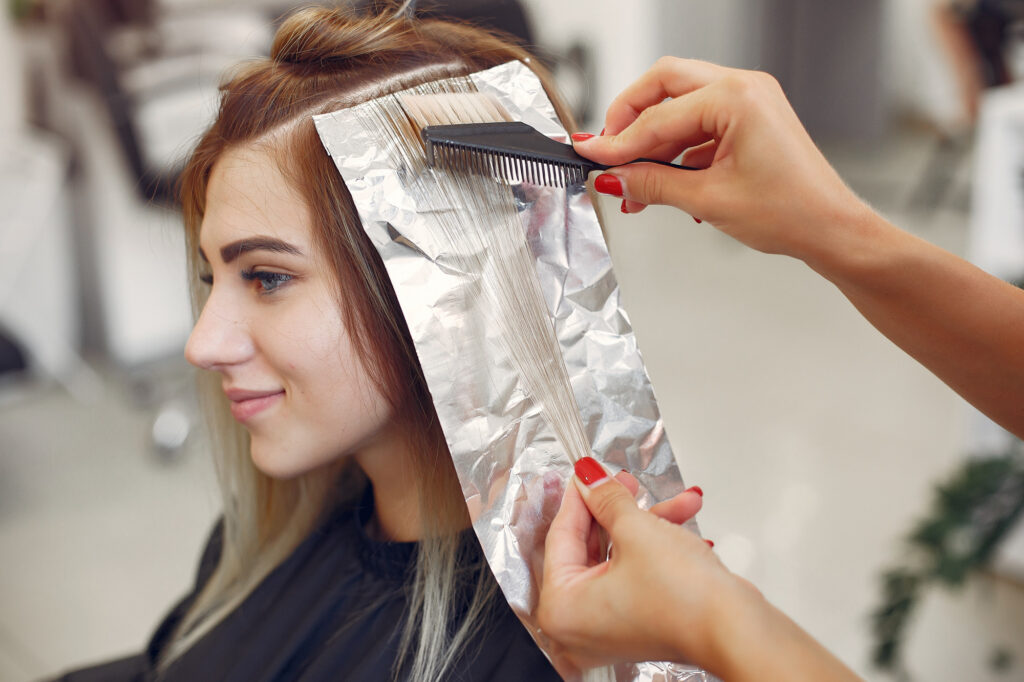
At its core, dimensional color involves applying multiple shades and tones to create visual complexity. Skilled colorists use techniques like balayage, color melting, and foil highlights to craft a multidimensional effect that mimics natural hair’s inherent variations. This approach allows for subtle transitions between colors, resulting in a more nuanced, sophisticated appearance that looks effortlessly natural.
Common misconceptions about dimensional color often stem from outdated hair styling perspectives. Many clients mistakenly believe that dimensional color requires extensive maintenance or will look unnaturally streaky. In reality, modern techniques allow for incredibly seamless, low-maintenance color transitions that grow out gracefully. Professional colorists like those at Joel C Ma Hair Studio can customize dimensional color to complement your natural hair texture, skin tone, and personal style.
Pro tip: Request a comprehensive color consultation that includes virtual color mapping to preview how dimensional color will enhance your unique features and hair structure.
Popular Techniques For Creating Dimension
Professional hair colorists employ several sophisticated techniques to achieve dimensional color, each designed to create unique visual effects and personalized hair transformations. These methods go beyond traditional single-process coloring, offering clients nuanced and dynamic hair color experiences that reflect individual style and natural hair movement.
One primary technique is balayage, a hand-painted highlighting method that creates soft, graduated color transitions. Unlike traditional foil highlights, balayage allows colorists to strategically place lighter and darker tones, mimicking the natural way sunlight naturally illuminates hair. Another popular approach is color melting, which involves blending multiple hair color shades seamlessly to create a fluid, almost watercolor-like effect that appears incredibly natural and multidimensional.
Additional advanced techniques include babylights (ultra-fine, subtle highlights that create delicate dimension) and ombré (a gradient color technique transitioning from darker roots to lighter ends). Professional colorists at Joel C Ma Hair Studio often combine these methods, customizing the approach to each client’s unique hair texture, facial features, and personal aesthetic preferences. The goal is always to create a look that appears effortless and enhances the client’s natural beauty.
Pro tip: Request a detailed strand test and consultation to determine which dimensional color technique will most effectively complement your natural hair color and desired style transformation.
Here’s a comparison of popular dimensional color techniques and their main effects:
| Technique | Visual Outcome | Maintenance Level | Best For |
|---|---|---|---|
| Balayage | Soft, blended highlights | Low to moderate | Sun-kissed, natural look |
| Color Melting | Fluid, seamless transitions | Moderate | Multi-tonal, modern styles |
| Babylights | Delicate, subtle dimension | Low | Fine hair, natural depth |
| Ombré | Gradient from dark to light | Moderate | Bold, trendy appearance |
Key Features: Depth, Texture, And Shine
Dimensional color transcends traditional hair coloring by creating a sophisticated visual landscape that celebrates hair’s natural complexity. The primary goal is to develop a multifaceted color experience that captures light, movement, and intricate textural variations. Recent advances in hair cosmetic science emphasize the importance of preserving hair’s inherent qualities while enhancing its visual appeal.
The three fundamental features of dimensional color—depth, texture, and shine—work in harmony to create a nuanced, dynamic hair appearance. Depth is achieved through strategic color placement that introduces darker and lighter tones, creating an illusion of volume and movement. Texture emerges from the way different color shades interact, mimicking the natural variations found in untreated hair. Shine becomes a critical element, with professional colorists using techniques that enhance the hair’s reflective qualities, making each strand appear luminous and healthy.
Professional colorists understand that achieving optimal dimension requires a deep understanding of individual hair characteristics. Factors like natural hair color, texture, and underlying pigmentation play crucial roles in determining the most effective dimensional color approach. The interplay of highlights, lowlights, and carefully blended tones creates a result that looks natural yet intentionally sophisticated, transforming hair from a simple canvas into a dynamic, living artwork.
Pro tip: Invest in professional color-protecting hair care products that maintain the vibrancy and dimensional qualities of your specialized color treatment.
Dimensional Vs. Traditional Color Methods
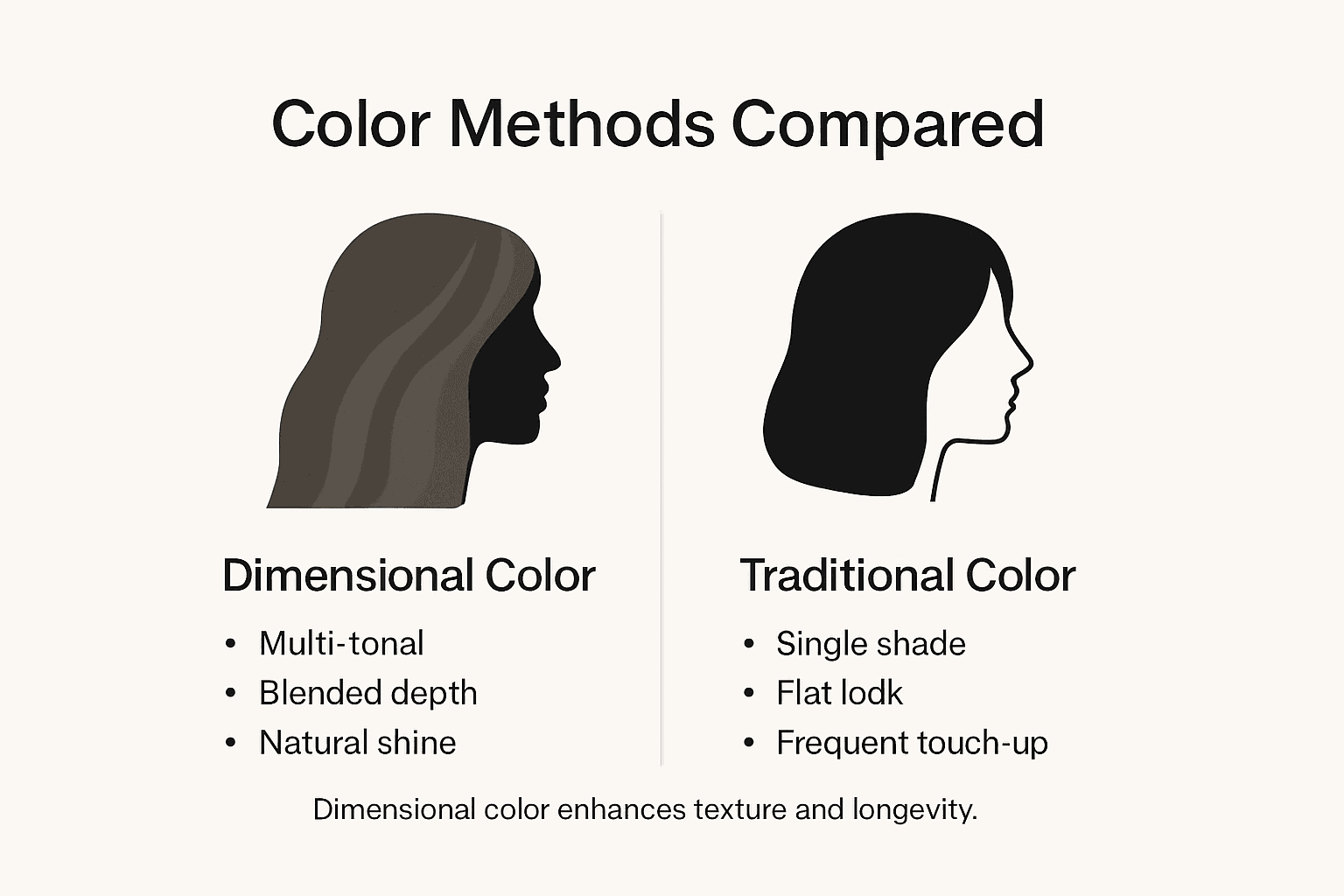
The science of hair coloring reveals a stark contrast between traditional and dimensional color techniques. Traditional hair coloring approaches involve applying a single, uniform shade across the entire head, resulting in a flat, monochromatic appearance that lacks visual complexity. This one-dimensional method essentially masks hair’s natural texture and movement, creating a somewhat artificial look that fails to capture the hair’s inherent depth and vibrancy.
Dimensional color, by contrast, represents a sophisticated approach that celebrates hair’s natural variation. Where traditional methods create a static, uniform color, dimensional techniques strategically layer multiple tones to simulate the way natural hair catches and reflects light. Advanced coloring approaches incorporate highlights, lowlights, and carefully blended shades that create a rich, multifaceted color experience. This technique mimics the subtle color variations found in untreated hair, resulting in a more organic and dynamic appearance.
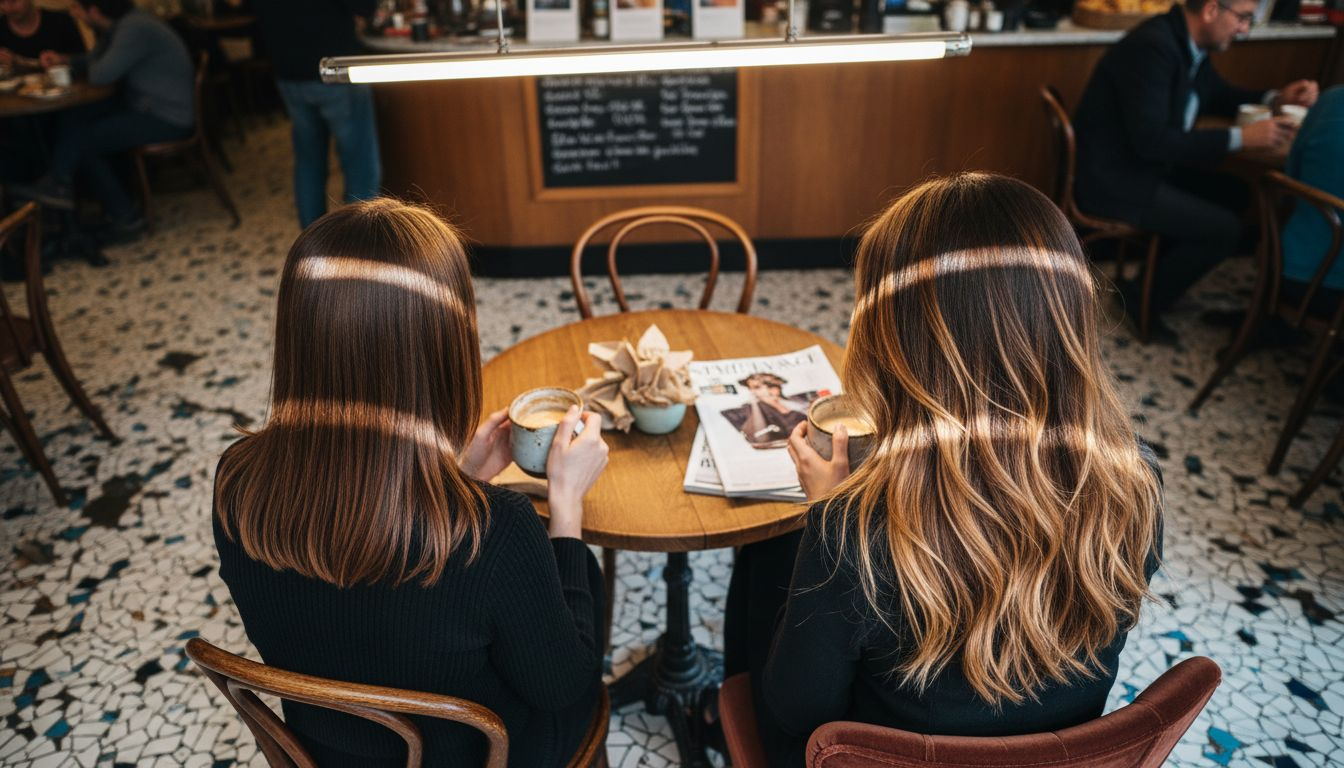
The practical differences extend beyond aesthetic appeal. Traditional single-process color typically requires more frequent touch-ups, as root growth becomes immediately apparent against the uniform background. Dimensional color techniques offer more forgiving grow-out periods, with strategically placed colors that blend seamlessly with natural root growth. Professional colorists at Joel C Ma Hair Studio understand that each client’s hair is unique, and dimensional coloring allows for unprecedented customization that traditional methods simply cannot achieve.
Below is a summary of how dimensional and traditional color methods compare:
| Aspect | Dimensional Color | Traditional Color |
|---|---|---|
| Number of Shades | Multiple, blended tones | Single, uniform shade |
| Grow-Out Appearance | Soft and blended | Noticeable root line |
| Customization | Highly tailored to client | Limited personalization |
| Visual Effect | Dynamic depth and shine | Flat, monochromatic finish |
Pro tip: Ask your colorist about a personalized dimensional color consultation that maps out precise tone placement to complement your individual hair texture and skin tone.
Maintenance, Cost, And Common Pitfalls
Dimensional color represents a sophisticated investment in personal styling, requiring a nuanced understanding of maintenance protocols and potential challenges. Professional colorists recognize that this advanced technique demands more strategic care than traditional single-process coloring, with costs and upkeep varying significantly based on individual hair characteristics and desired outcomes.
The financial investment for dimensional color typically ranges from 30% to 50% higher than standard color treatments. This increased cost stems from the advanced techniques, specialized skills, and extended time required by professional colorists. Maintenance challenges include preserving color vibrancy, preventing unwanted brassiness, and managing root growth. Clients must commit to professional-grade hair care products, typically using sulfate-free shampoos, deep conditioning treatments, and color-protecting styling products to extend the life of their dimensional color.
Common pitfalls often emerge from unrealistic expectations or improper at-home care. Inexperienced clients might attempt DIY color corrections, which can lead to significant damage and costly professional interventions. Color fading, uneven tone distribution, and unexpected undertones are frequent issues that require expert intervention. Professional colorists at Joel C Ma Hair Studio recommend scheduling regular touch-up appointments every 6-8 weeks and using professional-grade purple or blue toning products to neutralize unwanted color shifts.
Pro tip: Invest in a consultation package that includes personalized maintenance recommendations and a tailored hair care strategy to maximize the longevity and vibrancy of your dimensional color treatment.
Unlock Stunning Hair Dimension with Joel C Ma Hair Studio
If you have been searching for ways to bring depth, texture, and shine to your hair through expert dimensional color techniques like balayage and color melting this is your chance to transform your look. Many people hesitate because they worry about maintenance or unnatural results but with Joel C Ma Hair Studio in La Jolla you can enjoy a personalized, artistic approach that embraces your natural hair characteristics and skin tone. Experience the confidence that comes from dynamic multi-tonal color crafted by seasoned professionals with over 25 years of expertise.
Discover how our expert team can customize your dimensional color treatment to create that effortless, luminous style that grows out beautifully. Don’t wait to upgrade your hair with a low-maintenance, richly layered color effect that truly highlights your individuality. Visit Joel C Ma Hair Studio now to schedule your personalized color consultation and see real client transformations. Take the next step towards hair that moves, shines, and tells your unique story with every angle. Book your appointment today and embrace the art of dimensional color.
Frequently Asked Questions
What is dimensional color in hair treatment?
Dimensional color is an advanced hair coloring technique that incorporates multiple shades and tones to create visual depth, movement, and texture, resulting in a more sophisticated and natural appearance.
What techniques are commonly used to achieve dimensional color?
Techniques like balayage, color melting, babylights, and ombré are commonly employed to create dimensional color. Each method offers unique visual effects and can be customized to suit individual preferences and hair types.
How does dimensional color differ from traditional hair coloring?
Unlike traditional hair coloring, which uses a single, uniform shade, dimensional color utilizes multiple blended tones to create a rich, multifaceted look that mimics natural hair color variations and allows for more forgiving grow-out periods.
What maintenance is required for dimensional color treatments?
Maintaining dimensional color typically involves using professional-grade hair care products, scheduling regular touch-up appointments every 6-8 weeks, and following tailored maintenance recommendations to preserve color vibrancy and prevent unwanted brassiness.
Recommended
- Double Process Color: What Sets It Apart – Joel C Ma Hair Studio
- Hair Contouring Explained: Techniques and Benefits – Joel C Ma Hair Studio
- Inspiring Hair Artistry Ideas for Your Next Look
- Master Transitioning to Grey Hair Naturally and Stylishly – Joel C Ma Hair Studio
- 7 Stunning Yarn Color Combinations You Must Try – CRAFTISS