
Balayage for Beginners: Creating Natural, Sun-Kissed Hair
Most American salon clients arrive expecting standard foil highlights, yet balayage has completely changed the coloring game. This hand-painted method delivers a natural, sun-kissed look that is highly customized and far lower maintenance than traditional approaches. With over 60 percent of American women now requesting balayage-inspired color blends, understanding the true technique—and debunking popular myths—can help you choose the flawless style that suits your life and look.
Table of Contents
- Defining Balayage And Common Misconceptions
- Types Of Balayage And Color Effects
- How The Balayage Process Works In Salons
- Benefits Of Balayage Versus Traditional Highlights
- Risks, Maintenance, And Avoiding Common Mistakes
Key Takeaways
| Point | Details |
|---|---|
| Balayage Technique | Balayage is a hand-painted hair coloring method that offers customized, sun-kissed dimension without harsh lines. |
| Color Versatility | This technique works across a variety of hair colors, including blonde, brunette, and red, making it suitable for diverse clients. |
| Maintenance Benefits | Balayage grows out gracefully, requiring fewer touch-ups compared to traditional highlights, making it lower maintenance. |
| Professional Consultation | A consultation with a stylist is crucial for determining the right balayage technique for individual features and preferences. |
Defining Balayage and Common Misconceptions
Balayage represents a revolutionary hair coloring technique that transforms traditional highlighting approaches. Derived from the French term meaning ‘to sweep’, this artistic method involves hand-painting color onto hair to create natural, sun-kissed dimension that looks effortlessly stunning.
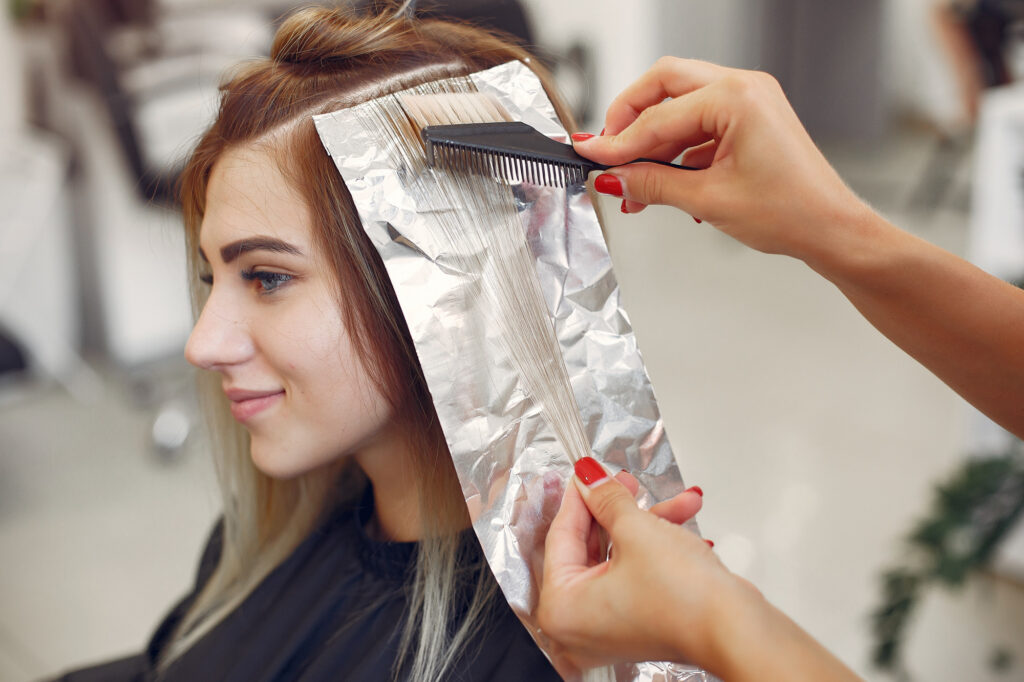
Unlike traditional foil highlights that create uniform, structured color patterns, balayage offers a completely customized approach. Hair colorists strategically place lighter and darker tones to mimic the nuanced way sunlight naturally illuminates hair. The technique allows for seamless blending that eliminates harsh lines of demarcation, resulting in a soft, multidimensional effect that grows out gracefully.
Despite its rising popularity, several misconceptions persist about balayage. Many clients mistakenly believe this technique works only for blonde hair or requires extensive maintenance. In reality, balayage is incredibly versatile, working beautifully across brunette, red, and even darker hair tones. Professional stylists can adapt the technique to complement individual hair textures, skin undertones, and personal style preferences.
Pro Tip: Color Consultation Preparation: Before your balayage appointment, arrive with clean, unstyled hair and bring inspiration photos that showcase the exact color and dimension you want to achieve. This helps your stylist understand your vision and create a personalized color transformation.
Types of Balayage and Color Effects
Balayage isn’t just a single technique, but a spectrum of artistic color applications that can dramatically transform hair. Balayage offers a stunning range of color variations, each designed to complement different hair types, skin tones, and personal style preferences. From cool platinum tones to warm caramel highlights, this technique provides unprecedented customization for hair color enthusiasts.
Some of the most popular balayage styles include Platinum Balayage, which creates an icy, sophisticated blonde effect, and Honey Blonde Balayage, which adds warmth and brightness to light to medium brown hair. Colorists can strategically blend tones ranging from champagne to slate grey, ensuring a natural, multidimensional look that mimics the nuanced way sunlight naturally highlights hair.
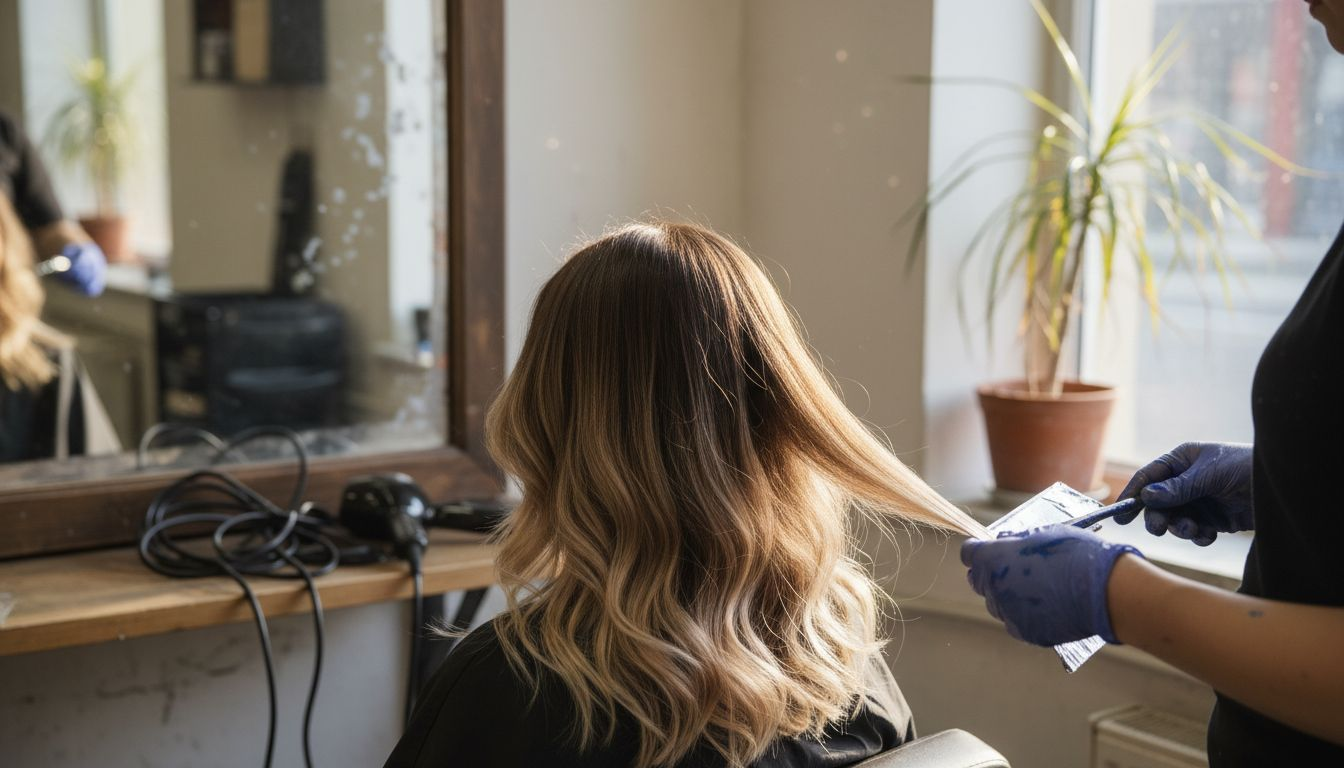
For those with darker hair tones, balayage provides equally stunning options. Chocolate and mocha balayage techniques add rich depth without requiring extensive lightening, while caramel and ash blonde variations offer sophisticated alternatives to traditional highlights. The technique’s true magic lies in its ability to create personalized color effects that look effortless and grow out gracefully, minimizing the need for frequent salon touch-ups.
Below is a quick reference to popular balayage types and their signature effects:
| Style Name | Best For | Signature Effect |
|---|---|---|
| Platinum Balayage | Light or pre-lightened hair | Icy, luminous blonde |
| Honey Blonde Balayage | Light to medium brown | Warm, bright golden highlights |
| Chocolate Balayage | Medium to dark brown | Rich, natural-looking depth |
| Caramel Balayage | Brunettes and redheads | Warm, soft caramel glow |
| Ash Blonde Balayage | Cool skin undertones | Subtle, muted blonde tones |
Pro Tip: Color Dimension Strategy: When selecting a balayage style, consider your natural hair color, skin undertone, and lifestyle. Bring inspiration photos to your consultation and discuss how different color placements can enhance your overall look and complement your personal aesthetic.
How the Balayage Process Works in Salons
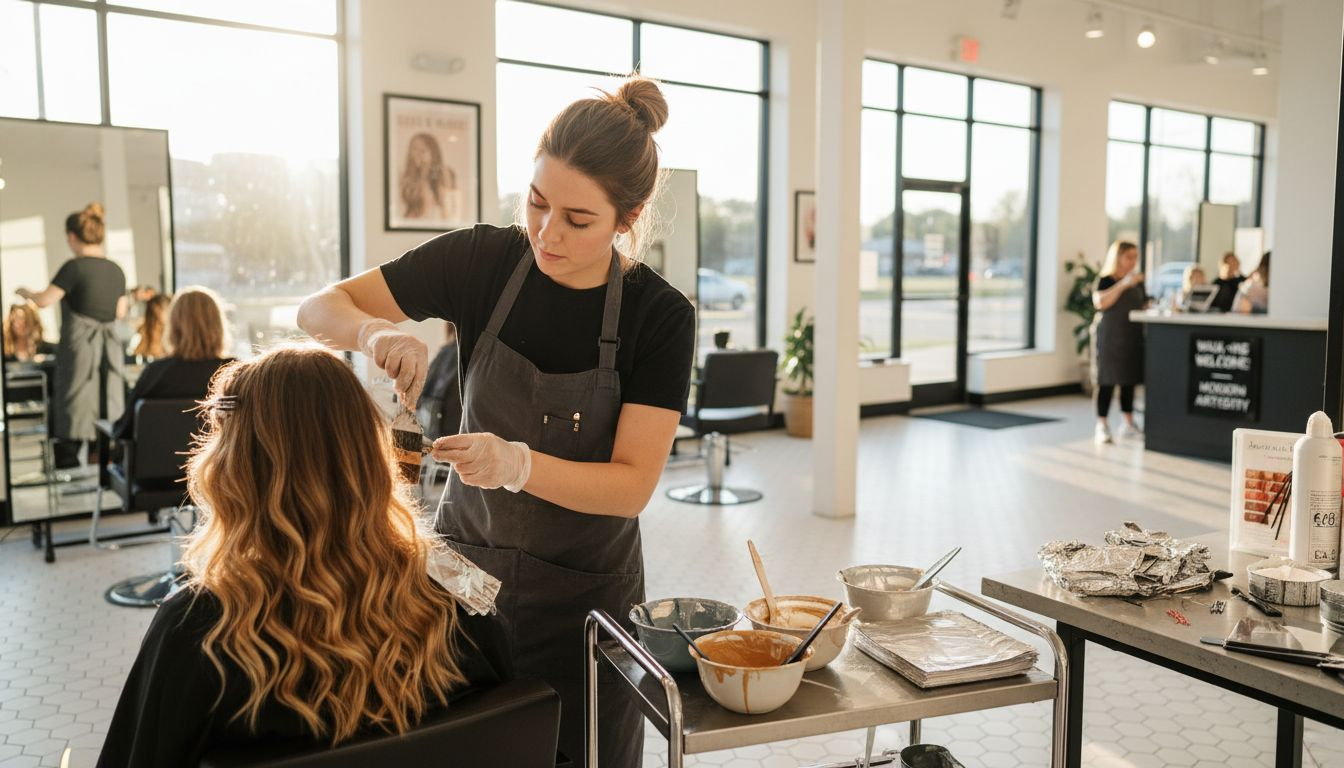
Balayage transforms hair coloring from a mechanical process into an artistic technique, requiring exceptional skill and precision from professional stylists. Stylists apply color freehand, focusing on areas where sunlight naturally lightens hair, creating a nuanced, personalized color effect that looks effortlessly natural.
The technique begins with a comprehensive consultation where the stylist evaluates your hair’s natural color, texture, and desired outcome. They strategically hand-paint lightener or color onto specific hair sections, carefully controlling the saturation and placement. Unlike traditional foil highlights that create uniform streaks, balayage allows for a more organic, graduated color transition that mimics natural sun-kissed highlights.
Technical precision is crucial during the balayage process. Stylists use specialized brushes to paint color with varying intensity, creating depth and dimension. They carefully blend colors to ensure smooth transitions between your natural hair color and the new highlights. The placement of color is meticulously calculated to complement your hair’s natural movement, face shape, and individual style, resulting in a customized look that appears soft and seamless.
Pro Tip: Consultation Preparation: Bring clean, unstyled hair and at least three inspiration photos showing the exact balayage effect you want. This helps your stylist understand your vision and create a personalized color transformation that perfectly suits your individual style.
Benefits of Balayage Versus Traditional Highlights
Balayage offers a revolutionary alternative to traditional hair highlighting techniques, providing clients with a more natural, sophisticated approach to hair color transformation. Unlike uniform streaky highlights that create stark, predictable color patterns, balayage mimics the organic way sunlight naturally illuminates hair, resulting in a soft, dimensional effect that looks effortlessly chic.
The primary advantages of balayage become apparent in its maintenance and versatility. Traditional foil highlights often require precise, frequent touch-ups to manage visible regrowth lines, creating a high-maintenance hair care routine. In contrast, balayage grows out gracefully, with subtle color transitions that remain aesthetically pleasing even as weeks pass. This technique allows for remarkable customization, working beautifully across diverse hair types, lengths, textures, and color palettes.
Technically speaking, balayage represents a more artistic coloring approach. Stylists hand-paint color with strategic precision, carefully controlling color saturation and placement to create a multidimensional effect. This method allows for more nuanced color blending, producing highlights that look like they’ve been naturally kissed by sunlight. The result is a more personalized, flattering look that enhances individual features and complements natural hair movement in ways traditional highlights simply cannot match.
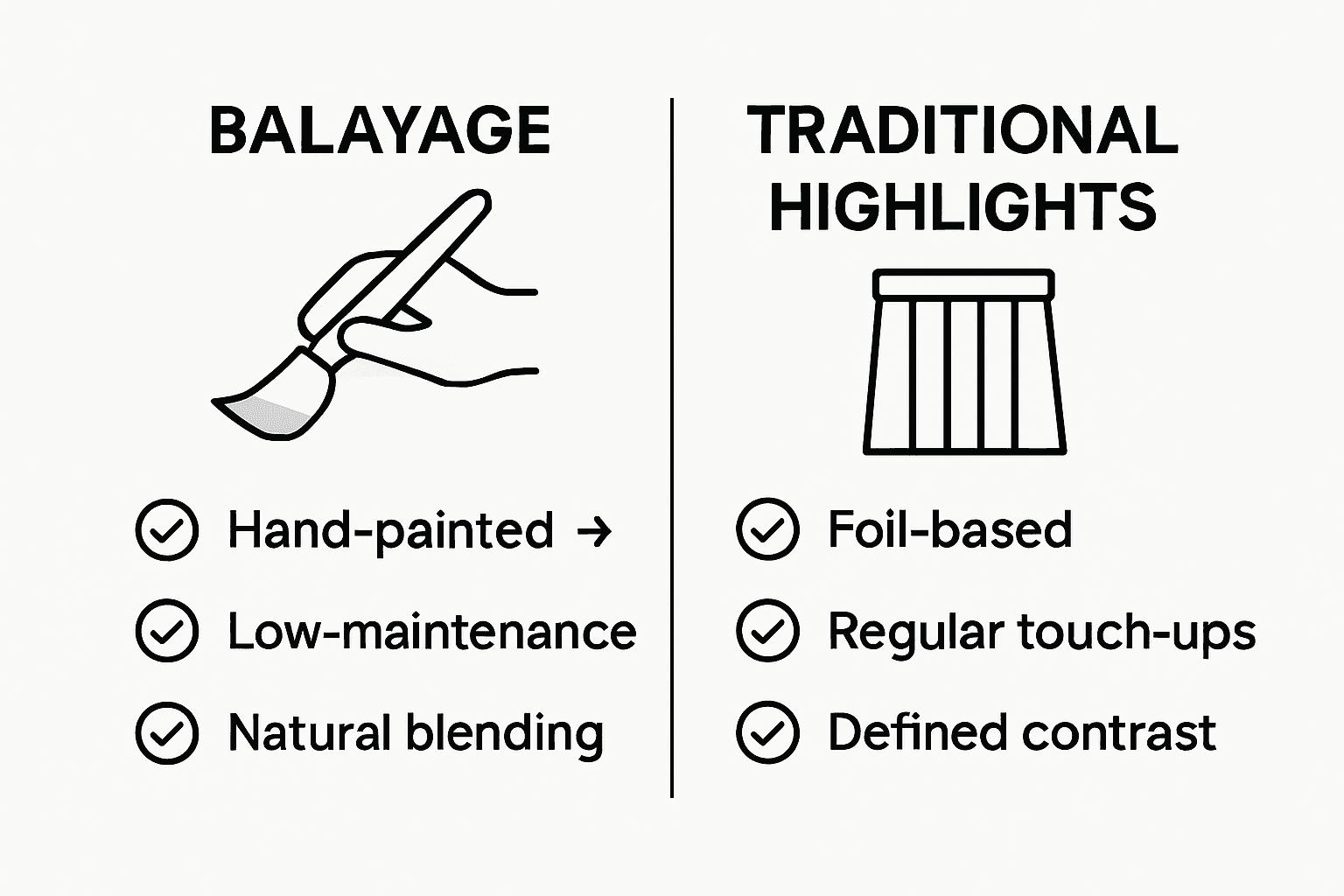
Here’s a comparison of balayage and traditional highlights to highlight key differences:
| Characteristic | Balayage | Traditional Highlights |
|---|---|---|
| Application Technique | Freehand, hand-painted | Foil, structured placement |
| Grow-Out Appearance | Soft, blended regrowth | Noticeable regrowth lines |
| Customization Level | Highly personalized and artistic | More uniform, less tailored |
| Ideal Maintenance | Infrequent touch-ups needed | Requires frequent salon visits |
| Color Effect | Subtle, sun-kissed dimension | Defined, streaky color effect |
Pro Tip: Color Compatibility Assessment: Before committing to balayage, consult with a professional colorist who can evaluate your natural hair color, skin tone, and personal style to determine the most flattering balayage technique for your unique look.
Risks, Maintenance, and Avoiding Common Mistakes
Balayage requires careful consideration to maintain its stunning, natural-looking effect, with potential risks ranging from color inconsistency to hair damage. While the technique offers remarkable versatility, clients must understand the nuanced maintenance requirements to preserve their hair’s health and color vibrancy.
Color selection represents a critical factor in successful balayage. Certain shades, particularly ash blonde and platinum tones, demand specialized care to prevent brassiness and maintain their intended aesthetic. Professional colorists recommend using targeted hair care products and periodic glossing treatments to sustain color integrity. Extreme color transformations may necessitate intensive hair restoration treatments, ensuring the balayage remains both visually stunning and structurally sound.
Common mistakes can compromise the balayage’s delicate artistry. DIY attempts often result in uneven color application, harsh lines, or unexpected tone variations. Professional stylists emphasize the importance of understanding individual hair texture, natural color undertones, and skin complexion when selecting balayage techniques. Improper maintenance, such as using generic hair products or infrequent professional consultations, can lead to color fading, unwanted brassy tones, and potential hair damage.
Pro Tip: Color Protection Strategy: Invest in professional-grade, color-safe shampoos and conditioners specifically designed for your balayage tone, and schedule quarterly maintenance appointments to ensure your hair remains vibrant and healthy.
Experience Expert Balayage at Joel C Ma Hair Studio
Struggling to achieve that perfect natural, sun-kissed balayage look described in our Uncategorized Archives – Joel C Ma Hair Studio section That subtle blend that grows out beautifully without harsh lines or constant touch-ups can be challenging without professional expertise. If you want to avoid common pitfalls like uneven tones, color fading, or damage while embracing a personalized, multidimensional color transformation Joel C Ma Hair Studio is your premier destination in La Jolla California.

At Joel C Ma Hair Studio our highly skilled artists bring over 25 years of creative experience to hand-paint bespoke balayage tailored to your hair texture natural color and lifestyle. From consultation to flawless execution we focus on artistry professionalism and a luxurious salon experience that ensures your hair stays healthy vibrant and effortlessly stunning. Don’t wait to elevate your look with confidence and care visit Joel C Ma Hair Studio today and discover how our expert colorists transform balayage dreams into reality. Book your personalized balayage consultation now and take the first step toward luminous hair that turns heads.
Frequently Asked Questions
What is balayage?
Balayage is a hair coloring technique that involves hand-painting color onto the hair to create natural, sun-kissed highlights and dimension, mimicking how sunlight naturally lightens hair.
Is balayage suitable for all hair colors?
Yes, balayage is incredibly versatile and works beautifully on various hair colors, including blondes, brunettes, and reds. Professional stylists can adapt the technique to complement your unique hair color and texture.
How is balayage different from traditional highlights?
Unlike traditional highlights that use foil for uniform streaks, balayage is a freehand technique that allows for a more organic, graduated color transition with softer, more natural-looking effects.
How often do I need to touch up my balayage?
One of the benefits of balayage is its low maintenance. Since it grows out gracefully with subtle transitions, you typically need less frequent salon visits compared to traditional highlights, allowing for a more relaxed hair care routine.
Recommended
- 7 Expert Tips to Achieve Perfect Balayage for Brunettes – Joel C Ma Hair Studio
- How to Transition from Highlights to Balayage Beautifully – Joel C Ma Hair Studio
- What Is Balayage and Why It Transforms Hair Color – Joel C Ma Hair Studio
- 7 Expert Tips for Perfect Balayage for Short Hair – Joel C Ma Hair Studio