
Examples of Artistic Haircuts: 2026’s Boldest Styles
TL;DR:
- Artistic haircuts are precise, sculptural styles that blend structure, texture, and personal expression. Key styles in 2026 include the Trixie, Shawk, and sculptural buzz cut, each requiring specific natural hair textures for optimal results. Maintaining these styles depends on proper technique, natural hair movement, and tailored color choices that emphasize the cut’s architecture.
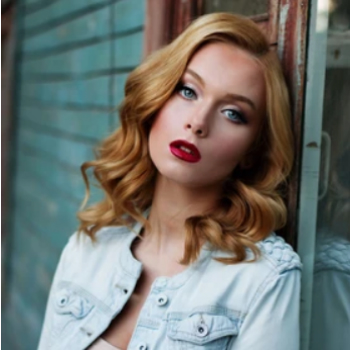
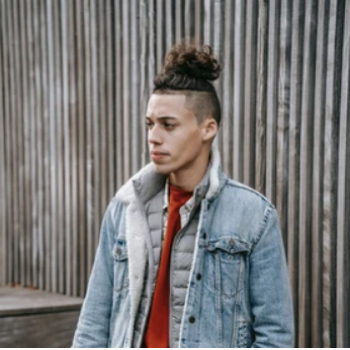
Artistic haircuts are defined as precision-crafted styles that treat hair as a sculptural medium, combining structure, texture, and personal expression into a single wearable design. The best examples of artistic haircuts in 2026 go far beyond a standard trim. Styles like the trixie, shawk, and sculptural buzz cut prove that hair is a living canvas. Precision cutting techniques, bold color contrasts, and an understanding of natural hair movement are what separate these looks from ordinary cuts. If you are searching for inspirational haircut ideas that reflect who you are, this guide covers the most compelling creative haircut styles available right now.
1. What are the most popular examples of artistic haircuts in 2026?
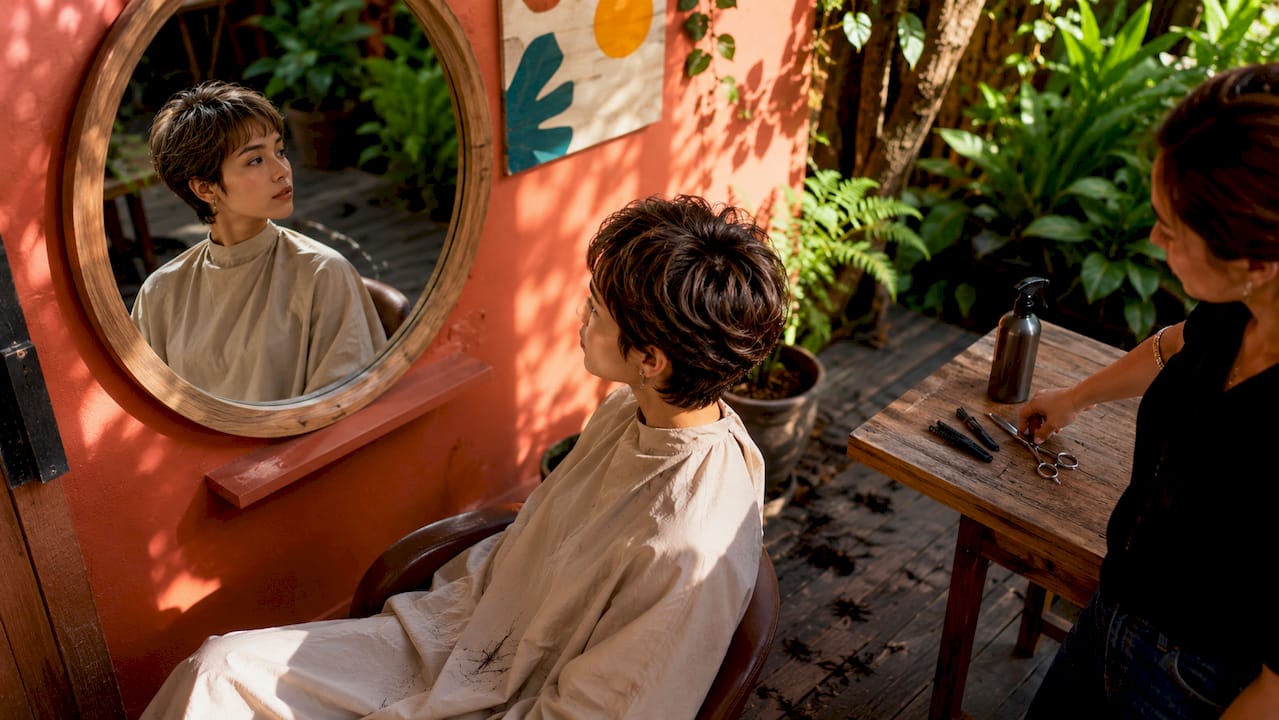
The trixie cut leads 2026’s cropped haircut conversation. It blends pixie and bixie influences with crown layers ranging from 2–3 inches and a close-cut nape that delivers a sculptural silhouette. The result is a structured yet soft shape that works on straight, wavy, and fine hair types.
The shawk is the season’s most rebellious entry. Developed by Andy Heasman, International Creative Director at RUSH Hair, the shawk merges shag graduation with mohawk-inspired volume for a look that reads as punk-sophisticated. The texture is layered and lived-in, but the shape is deliberate and controlled.
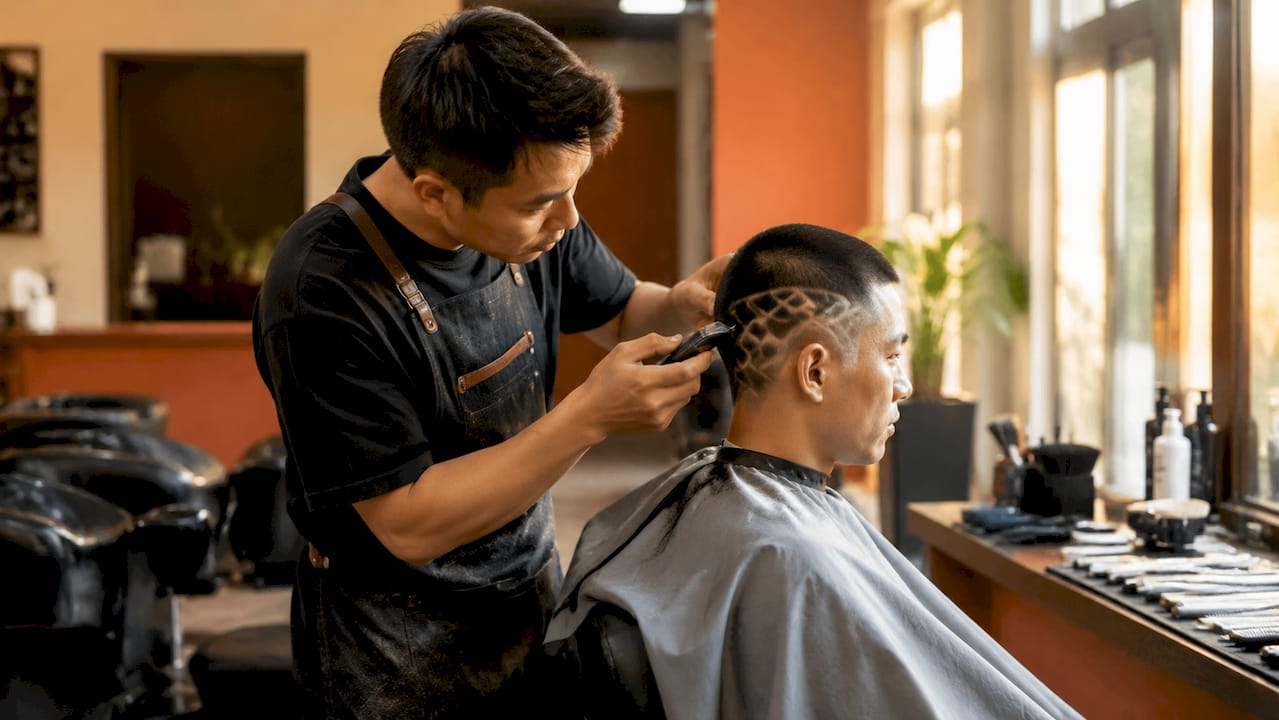
Sculptural buzz cuts with geometric grid designs round out the top tier. Rihanna’s living sculpture hair at the 2026 Met Gala featured precision-carved patterns and dimensional accessories that redefined what a buzz cut can communicate. That red-carpet moment confirmed that minimalist cuts can carry maximum artistic weight.
Pro Tip: Match your artistic haircut choice to your hair’s natural texture and growth pattern first. A shawk works best on medium-to-thick hair with natural movement, while the trixie suits finer textures that benefit from close-cut structure.
2. How do advanced cutting techniques create artistic haircuts?
Point cutting uses only the last 5–10 mm of the scissor blade at a 45-degree angle to soften hard lines without removing bulk unevenly. This technique is the foundation of most artistic haircut styles because it creates controlled softness rather than blunt edges. Stylists at Joelcma use point cutting to build movement into shapes that would otherwise look rigid.
Notchers remove bulk cleanly. They carry 5–12 teeth and target weight pockets without accidental thinning across the entire section. Blending shears work alongside notchers to smooth transitions between layers, which is critical in multi-length styles like the shawk or jellyfish cut.
Here is a comparison of the two primary texturizing tools:
| Tool | Primary function | Best used on |
|---|---|---|
| Notchers | Remove bulk in targeted sections | Thick, dense hair |
| Blending shears | Smooth layer transitions | All hair types |
| Point-cutting scissors | Soften ends and perimeter lines | Fine to medium hair |
Slide cutting is another technique worth knowing. Modern artistic shags rely on controlled slide cutting through small, intentional sections to create airiness between layers without damaging the hair shaft. The result is movement that looks effortless but is actually engineered.
- Point cutting: softens perimeter lines on all lengths
- Notching: removes bulk without disrupting the outer shape
- Slide cutting: builds movement and airiness into layered styles
- Blending shears: connect layers for seamless transitions
Pro Tip: Ask your stylist to assess your cut in its near-raw state, with minimal product. A structurally strong artistic cut should hold its shape without heavy styling. If it needs a lot of product to look right, the cut itself may need adjustment.
The structural integrity of a cut depends on working with natural hair patterns rather than against them. Heavy product use often signals a flaw in the cut’s architecture, not a styling preference. This principle, championed by master stylist Akin Konizi, is the standard Joelcma applies to every precision cutting service.
3. How do artistic haircut styles integrate with hair color and face shape?
Artistic cuts and color are not separate decisions. Layering tailored to bone structure with high-contrast colors like deep reds or platinum directly accentuates the architecture of the cut. Keke Palmer’s sculptural Met Gala look demonstrated this perfectly: the color placement amplified the cut’s geometry rather than competing with it.
Face shape determines where volume and length should live. Oval faces carry almost any artistic haircut style, while round faces benefit from height at the crown and reduced width at the sides. Square faces soften with layered movement around the jaw. Knowing this before you commit to a style saves you from a cut that fights your natural structure.
Here is how color choices interact with specific artistic cuts:
- Trixie cut: platinum or ash tones at the crown emphasize the structured top layers
- Shawk: two-tone color with darker roots and lighter ends reinforces the mohawk silhouette
- Sculptural buzz cut: single bold color or geometric bleached sections highlight carved patterns
- Jellyfish cut: coordinated color between the top cap and longer underlayer creates visual separation
The jellyfish haircut is the most color-dependent style on this list. Its double-layer silhouette relies on deliberate color planning to make the two sections read as distinct shapes. Without coordinated color, the effect collapses into a single undifferentiated mass. Maintenance for this style doubles compared to single-layer cuts, covering both precise trimming and color upkeep.
4. Comparison of artistic haircut styles: maintenance, styling, and suitability
Choosing the right creative haircut style means matching visual ambition to real-life maintenance capacity. The table below gives you a direct comparison across the five leading artistic cuts of 2026.
| Style | Length | Complexity | Maintenance interval | Best for |
|---|---|---|---|---|
| Trixie cut | Short (2–3 in. crown) | Moderate | Every 4–6 weeks | Fine to medium hair |
| Shawk | Medium | High | Every 6–8 weeks | Thick, wavy hair |
| Sculptural buzz cut | Very short | High (design work) | Every 2–4 weeks | All textures |
| Freestyle design cut | Varies | Very high | Every 2–3 weeks | Straight to wavy |
| Jellyfish cut | Long underlayer | Very high | Every 4–6 weeks (dual trim) | Medium to thick hair |
Freestyle design cuts require the most spatial awareness of any style on this list. These cuts follow hair growth patterns and skull curvature to achieve maximum visual impact. A geometric pattern that ignores the skull’s natural contours will distort as the hair grows. This is why freestyle designs demand the most frequent maintenance visits.
For readers new to artistic cuts, the trixie is the most accessible starting point. It delivers a strong visual statement with moderate upkeep and suits a wide range of hair textures. The sculptural buzz cut is the boldest commitment but also the most affordable to maintain at home between salon visits, since the length is minimal.
- Budget-friendly entry point: trixie cut or sculptural buzz cut
- Highest visual impact: freestyle design cut or shawk
- Most color-dependent: jellyfish cut
- Best for low daily styling time: sculptural buzz cut
You can explore advanced cutting techniques for a deeper look at how each of these styles is built from the inside out.
Key takeaways
Artistic haircuts succeed when the cut’s structure works with natural hair movement, not against it, making stylist expertise and regular maintenance non-negotiable.
| Point | Details |
|---|---|
| Start with hair physics | Choose your artistic cut based on natural texture and growth pattern before committing to a style. |
| Technique drives the result | Point cutting, slide cutting, and notching are the tools that separate artistic cuts from ordinary ones. |
| Color amplifies structure | High-contrast color placement should reinforce the cut’s geometry, not compete with it. |
| Maintenance is part of the style | Complex cuts like the jellyfish and freestyle designs require visits every 2–4 weeks to hold their shape. |
| Structure over product | A well-executed artistic cut holds its form with minimal styling product in its near-raw state. |
Why I think most people underestimate what an artistic haircut actually demands
Most people walk into a salon with a photo and walk out disappointed. The photo shows the finished result of a cut designed for a specific skull shape, hair density, and color history. What it does not show is the three consultations, the color pre-treatment, and the stylist’s 20-minute assessment of natural growth patterns that made that result possible.
The transformative power of an artistic haircut is real. I have seen clients completely reframe how they carry themselves after a shawk or a precision-carved buzz cut. But that transformation only holds when the cut is built on honest information: your actual hair texture, your real maintenance schedule, and your genuine tolerance for styling time.
The biggest mistake I see is choosing a style based on boldness alone. Boldness without structure is just chaos. The best unique hairstyle examples you will find in 2026 are bold because they are structurally sound, not in spite of it. A trixie cut on the wrong texture looks like a bad pixie. The same cut on the right hair, executed with point cutting and proper layering, looks like architecture.
My advice: spend as much time talking to your stylist as you do scrolling for inspiration. Bring the photos, but also bring your honest answers about how much time you spend on your hair each morning. The right artistic cut for you is the one that looks intentional on day seven, not just day one.
— Juiced
Discover your artistic haircut at Joelcma
Joelcma’s team at Joel C Ma Hair Studio in La Jolla, California, has spent over 25 years building the kind of technical foundation that makes artistic haircuts actually work. Every client begins with a personalized consultation that maps hair texture, face shape, and lifestyle before a single cut is made. Whether you are drawn to the structured precision of a trixie, the rebellious volume of a shawk, or a freestyle geometric design, the studio’s hair styling artistry services are built to translate your inspiration into a cut that holds its shape and suits your life. Book your consultation at Joelcma and bring your ideas.
FAQ
What defines an artistic haircut?
An artistic haircut is defined by its use of precision cutting techniques, deliberate structure, and design elements that express individuality. It treats hair as a sculptural medium rather than a standard trim.
What are the best artistic haircuts for 2026?
The trixie cut, shawk, sculptural buzz cut, freestyle design cut, and jellyfish haircut are the leading artistic haircut styles in 2026. Each offers a distinct level of complexity, maintenance, and visual impact.
How often do artistic haircuts need to be trimmed?
Maintenance intervals range from every 2–3 weeks for freestyle design cuts to every 6–8 weeks for the shawk. Complex styles like the jellyfish cut require dual trimming of both the top and bottom layers.
Can artistic haircuts work on all hair textures?
Most artistic cuts are designed for specific textures. The trixie suits fine to medium hair, the shawk performs best on thick or wavy hair, and the sculptural buzz cut works across all textures. A stylist assessment before committing is the most reliable way to match cut to texture.
Do artistic haircuts require a lot of styling products?
A well-executed artistic haircut should hold its shape with minimal product. Heavy product reliance typically signals a structural flaw in the cut rather than a styling requirement.
Recommended
- Creative Haircut Ideas: 2026’s Boldest Styles – Joel C Ma Hair Studio
- Artistic haircuts 2026: 85% personalized styles for you – Joel C Ma Hair Studio
- Artistic haircut styles: Your La Jolla guide to personalized looks – Joel C Ma Hair Studio
- Why Artistry in Haircutting Matters for Your Style – Joel C Ma Hair Studio