
How to Maintain Salon Hair: Your At-Home Guide
TL;DR:
- Maintaining salon-fresh hair requires using pH-balanced, sulfate-free shampoos and avoiding hot water for rinsing. Proper wash timing, regular gloss treatments, and product choices based on hair porosity help preserve color and health. Consistent routines, including cool water rinses and scheduling trims, ensure long-lasting vibrant hair.
Salon hair maintenance is the practice of preserving your color, texture, and style between professional appointments through targeted daily and weekly care. Knowing how to maintain salon hair at home is the difference between color that lasts 8–10 weeks and color that fades in 3–4 weeks. The right products, wash timing, and personalized routine protect your investment long after you leave the chair. This guide covers everything from pH-balanced shampoos and heat protection to weekly treatments and the scheduling of gloss services.
Which hair care products best support salon-fresh hair at home?
The single most impactful product choice you make is your shampoo. A pH-balanced, sulfate-free shampoo with a pH of 4.5–5.5 keeps the hair cuticle flat, prevents swelling, and stops color from leaching out prematurely. Sulfates strip the protective lipid layer from the hair shaft, which accelerates fading and dryness. Brands like Pureology, Redken Color Extend, and Olaplex No. 4 are formulated specifically for color-treated hair.
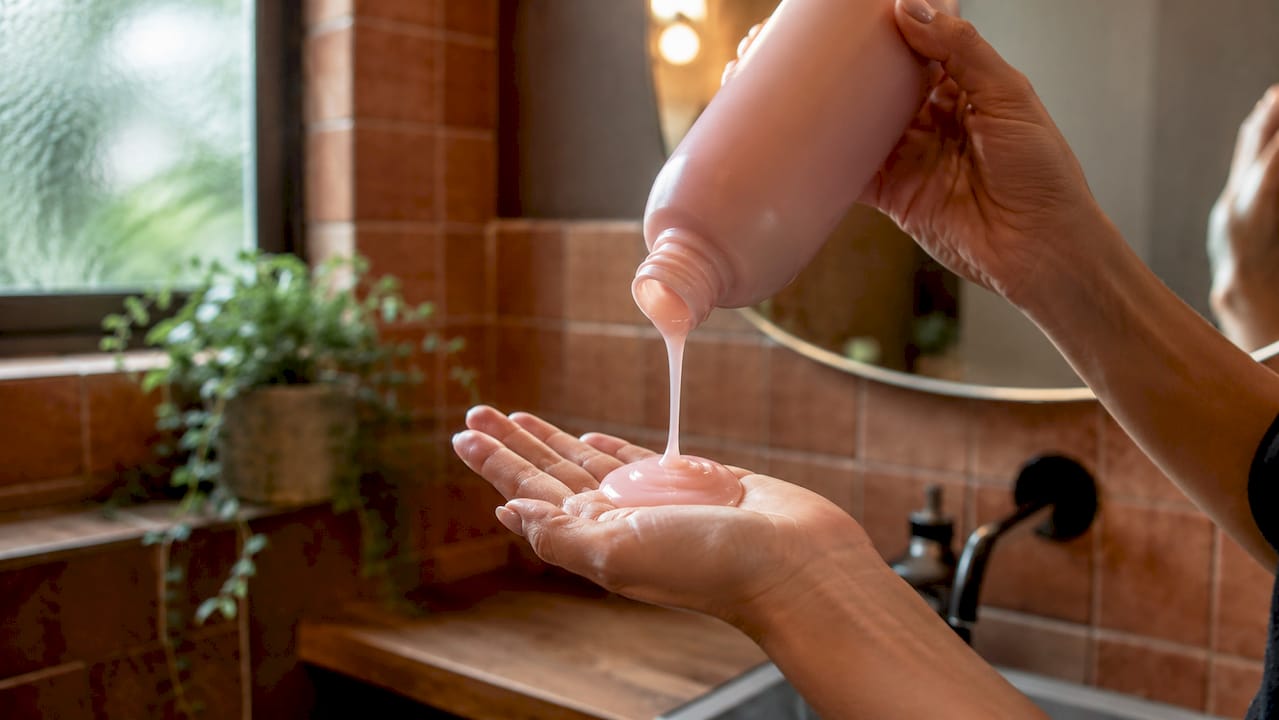
Conditioner is not optional. Apply a rinse-out conditioner from mid-shaft to ends every wash, and add a deep-conditioning mask once a week. Masks from lines like Kérastase Nutritive or Olaplex No. 8 restore moisture and elasticity that heat styling and chemical services remove over time.
Anti-frizz and heat protectant products must match your hair’s porosity and texture. Frizz is often caused by mismatched products, not just humidity. Fine, low-porosity hair needs lightweight humectants like glycerin-based serums. Thick, high-porosity hair needs heavier emollients like argan oil or shea butter blends.
- Sulfate-free shampoo: Preserves color and cuticle integrity. Look for pH 4.5–5.5 on the label.
- Weekly deep-conditioning mask: Restores moisture lost to heat and chemical services.
- Heat protectant spray: Apply before any tool above 300°F. Products like Kenra Platinum Silkening Mist work well across hair types.
- Chelating shampoo (monthly): Chelating shampoos use EDTA or phytic acid to remove mineral buildup from hard water without stripping color pigments. They outperform clarifying shampoos for color-treated hair.
- Toning or purple shampoo: Use once a week if you have blonde, silver, or highlighted hair to neutralize brassiness.
Pro Tip: Clarifying shampoos and chelating shampoos are not the same thing. Clarifying shampoos remove product buildup but can strip color. Chelating shampoos target mineral ions specifically. If you live in a hard-water area like San Diego, use a chelating shampoo once a month instead of a clarifying formula.
How often and when should you wash your hair after a salon visit?
The 48-hour rule is the most important timing guideline for color-treated hair. Washing within the first 48 hours post-color causes irreversible pigment loss because the cuticle is still open and the color molecules are not fully locked in. This is a chemical window, not a suggestion. Skipping that first wash protects the depth and vibrancy of your color from day one.
After that initial period, wash 2–3 times per week at most. Overwashing strips natural oils and accelerates color fade. Dry shampoo from brands like Batiste or Living Proof can extend your style between washes without touching water.
Water temperature matters more than most people realize. Hot water swells the hair cuticle, which lifts color and causes frizz. Always rinse with cool or lukewarm water to keep the cuticle flat and your color sealed in.
- Wait 48 hours before your first post-color wash. No exceptions.
- Use cool or lukewarm water for every rinse, from shampoo through conditioner.
- Apply heat protectant before using a blow dryer, flat iron, or curling wand.
- Set styling tools to the lowest effective temperature. Most hair types style well at 300–350°F. Fine hair should stay below 300°F.
- Blot hair dry with a microfiber towel rather than rubbing with a regular towel. Friction roughens the cuticle and creates frizz.
- Air dry when possible. Reducing heat tool use even once a week makes a measurable difference in cuticle health over months.
Pro Tip: Finish every shower with a 10-second cold rinse. It closes the cuticle completely, adds immediate shine, and costs nothing.
What does a weekly and monthly routine for healthy hair look like?
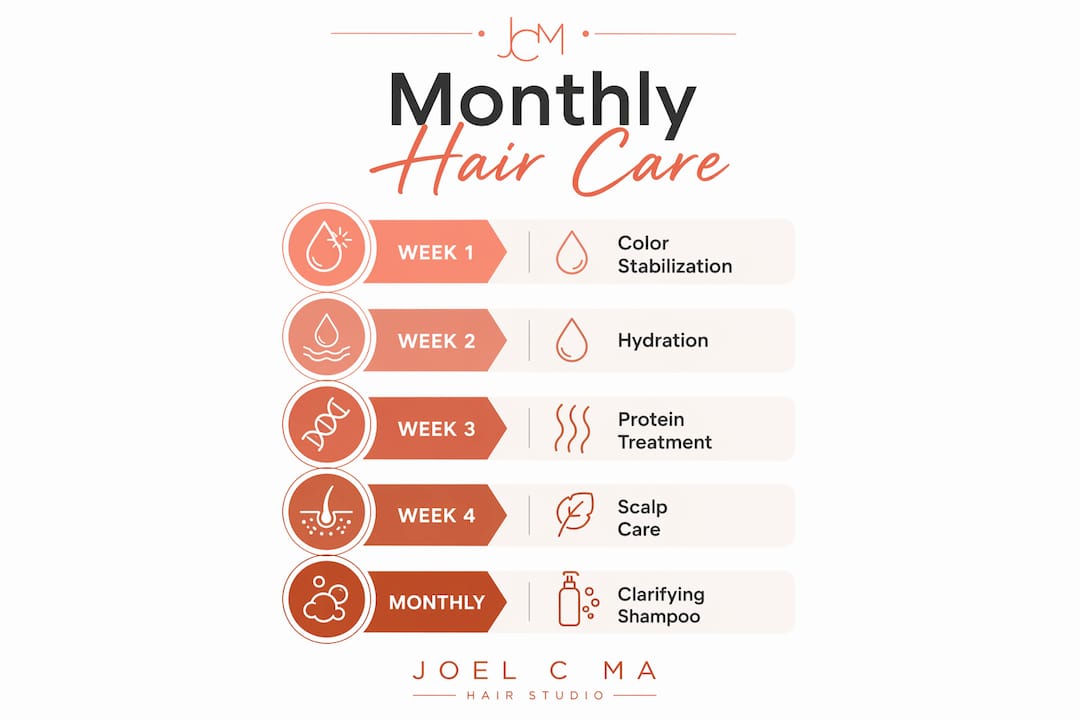
Salon hair upkeep follows a cyclical maintenance schedule that shifts focus week by week. The first week after a service, your priority is letting color settle and keeping moisture high. By weeks 3–4, you shift to brass control and strengthening treatments. By weeks 6–8, you schedule a trim or gloss service to refresh the result.
The table below maps out a practical monthly care framework.
| Timeframe | Focus | Action |
|---|---|---|
| Week 1 post-service | Color stabilization | No hot water, no sulfates, deep condition twice |
| Weeks 2–3 | Hydration and shine | Weekly mask, toning shampoo if blonde or highlighted |
| Weeks 4–5 | Brass and buildup control | Chelating shampoo once, purple or blue toning treatment |
| Every 4–10 weeks | Color refresh | Gloss or toning service at the salon (30–45 minutes, lower cost than full color) |
| Every 6–8 weeks | Structural health | Trim to prevent split ends from traveling up the shaft |
Scalp care belongs in this routine too. A two-minute scalp massage during shampooing increases circulation and helps distribute natural oils. If you spend time outdoors in La Jolla or anywhere with strong UV exposure, use a UV-protective hair mist or wear a hat. Sun degrades color pigments and dries out the hair shaft just like it does skin.
Protein treatments belong in the monthly rotation, but they require balance. Overusing protein masks causes brittleness, especially in fine or low-porosity hair. One protein treatment per month is enough for most people. Pair it with a moisture mask the following week to keep the balance right.
How do individual hair characteristics affect your maintenance routine?
Home routines fail when they account for hair type but ignore porosity, density, and scalp condition. These three factors determine which products work, how often you wash, and how much moisture or protein your hair actually needs.
Hair porosity describes how easily your hair absorbs and retains moisture. Low-porosity hair resists moisture absorption and benefits from lightweight, water-based products applied to damp hair. High-porosity hair absorbs moisture quickly but loses it just as fast, so it needs heavier creams and oils to seal the cuticle.
- Low porosity: Use lightweight serums and avoid heavy butters that sit on the surface. Apply products to wet hair for better absorption.
- High porosity: Use rich conditioners and oil-based sealants like argan or jojoba oil. Protein treatments help fill gaps in the cuticle.
- Fine hair: Avoid heavy masks that weigh strands down. Volumizing conditioners from brands like Aveda or Bumble and bumble work better.
- Thick or coily hair: Needs more moisture and longer conditioning time. Leave-in conditioners from brands like SheaMoisture or Briogeo are well suited.
- Oily scalp: Wash every other day and apply conditioner only from mid-shaft to ends. Avoid scalp contact with heavy products.
- Dry scalp: Use a gentle, hydrating shampoo and consider a scalp serum with hyaluronic acid or tea tree oil.
Curly and coily hair types generally need less frequent washing, sometimes once a week, because natural oils travel more slowly down the spiral shaft. Straight hair picks up oil faster and may need washing every two days. Adjusting your schedule to your actual scalp behavior, not a generic rule, produces better results.
What are common mistakes that damage salon results at home?
The most damaging mistake is washing color-treated hair too soon. The first 48 hours post-color is a chemical window where pigment is not fully locked into the cortex. Washing during this period, especially with hot water or a high-pH shampoo, removes pigment permanently. No conditioning treatment can reverse that loss.
- Using hot water: Hot water lifts the cuticle and pulls color out with every wash. Switch to cool rinses permanently, not just after color services.
- Overusing clarifying shampoo: Once a month is the maximum for color-treated hair. Weekly use strips color and leaves hair dry and brittle.
- Skipping heat protectant: One session with an unprotected flat iron at 400°F can cause more damage than a month of proper care repairs.
- Layering too many products: Product overload causes buildup that dulls shine and weighs hair down. Stick to three to four products per styling session.
- Ignoring hard water: Hard water deposits calcium and magnesium on the hair shaft, creating a film that blocks moisture and fades color. A monthly chelating shampoo removes this buildup.
“Extending time between washes and using conditioning products properly reduces frizz and maintains shine.” — Vogue, Best Frizz-Fighting Products
Managing frizz without overloading products comes down to one principle: seal the cuticle. Cool water rinses, microfiber towels, and a lightweight anti-frizz serum applied to damp hair accomplish this without buildup. You can also read more about preventing hair damage naturally to build a stronger foundation for your routine.
Key Takeaways
Maintaining salon-fresh hair at home requires the right products, correct wash timing, and a cyclical routine tailored to your hair’s porosity, density, and scalp condition.
| Point | Details |
|---|---|
| Use pH-balanced shampoo | A sulfate-free shampoo at pH 4.5–5.5 preserves color and keeps the cuticle flat. |
| Follow the 48-hour rule | Never wash color-treated hair within 48 hours of a service to prevent pigment loss. |
| Schedule gloss services | A gloss or toning service every 4–10 weeks refreshes color vibrancy affordably. |
| Trim every 6–8 weeks | Regular trims stop split ends from traveling up the shaft and ruining your style. |
| Match products to porosity | Low-porosity hair needs lightweight formulas; high-porosity hair needs richer sealants. |
What I have learned after years of watching clients maintain their color
The clients who keep their hair looking salon-fresh the longest are not the ones who buy the most products. They are the ones who do a few things consistently and correctly. They wait the full 48 hours before washing. They rinse with cool water every single time. They book a gloss service before their color looks dull, not after.
The biggest mistake I see is treating a home routine like a one-time setup. Hair changes with the seasons, with hormonal shifts, and with lifestyle. The routine that worked in winter may not work in summer when humidity and UV exposure are higher. You have to stay curious about your own hair and adjust.
My honest recommendation is to stop chasing the perfect product and start paying attention to your wash water temperature and your wash frequency. Those two variables alone account for more color longevity and shine than any serum on the market. If you want to go deeper, making hair color last naturally is a great place to start building that knowledge.
Collaborate with your stylist. Tell them what is and is not working at home. A good stylist adjusts your service based on what your hair is doing between visits, not just what it looks like in the chair. That partnership is what separates clients who love their hair year-round from those who only love it on the day they leave the salon.
— Juiced
Keep your color vibrant with Joelcma
Joelcma at Joel C Ma Hair Studio in La Jolla, California, has spent over 25 years helping clients build personalized care plans that actually hold up between visits. Whether you need a gloss service to refresh your color, a consultation to dial in your at-home routine, or a trim to keep your ends healthy, the studio offers expert guidance tailored to your specific hair type and lifestyle.
The team at Joelcma also curates product recommendations for every hair type. Start with their expert breakdown of the best salon shampoos for colored hair to find the right formula for your color service. Ready to book your next appointment or consultation? Visit joelcma.com to get started.
FAQ
How long does salon color last with proper care?
With a pH-balanced, sulfate-free shampoo and correct wash habits, salon color lasts 8–10 weeks. Without proper care, it fades in 3–4 weeks.
When can I wash my hair after getting it colored?
Wait at least 48 hours after a color service before washing. Washing sooner causes irreversible pigment loss because the cuticle is still open.
How often should I get a gloss or toning service?
A professional gloss or toning service every 4–10 weeks refreshes color vibrancy. It takes 30–45 minutes and costs less than a full color appointment.
What is the difference between a clarifying and a chelating shampoo?
Clarifying shampoos remove product buildup but can strip color. Chelating shampoos use EDTA or phytic acid to remove mineral deposits from hard water without pulling color pigments from the hair.
Does water temperature really affect hair color?
Yes. Hot water swells the cuticle and pulls color out with every wash. Cool or lukewarm rinses keep the cuticle flat, seal in color, and add visible shine.