
Dry Scalp Remedies: Expert Solutions for Healthier Hair

TL;DR:
- Reaching for anti-dandruff shampoo at the first sign of flakes is a common mistake that can worsen scalp conditions. Properly identifying whether you have dry scalp, dandruff, or seborrheic dermatitis is crucial for applying effective treatment and avoiding aggravation. Personalized and seasonally adaptable scalp care, including targeted OTC products and professional guidance, is essential for long-term relief and scalp health.
Reaching for the nearest anti-dandruff shampoo the moment your scalp starts flaking is one of the most common mistakes people make with scalp care. The truth is, dry scalp management depends on correctly distinguishing true dryness from related conditions like dandruff and seborrheic dermatitis, because using the wrong treatment does not just fail to help, it can actively make things worse. For those of us living in La Jolla, where ocean breezes, sun exposure, and hard water all play into scalp health, getting this right matters even more. This guide gives you the framework and the actionable remedies to finally move forward with confidence.
Table of Contents
- Understanding the difference: Dry scalp vs. dandruff and seborrheic dermatitis
- The most effective over-the-counter remedies for dry scalp
- Scalp care technique: Shampooing, rotation, and maximizing results
- When home remedies aren’t enough: Signs you need expert help
- Why most people miss the real solution to dry scalp problems
- Personalized hair consultations: The La Jolla advantage
- Frequently asked questions
Key Takeaways
| Point | Details |
|---|---|
| Identify your scalp issue | Distinguishing between dry scalp and dandruff is crucial for choosing the right remedy. |
| Choose targeted products | Select shampoos and treatments that match your specific scalp needs for optimal results. |
| Technique matters | Proper shampooing techniques and rotating active ingredients can drastically improve scalp health. |
| Get expert help if needed | If your symptoms are persistent, consult a specialist for personalized care and advanced treatments. |
Understanding the difference: Dry scalp vs. dandruff and seborrheic dermatitis
You cannot fix a problem you have not correctly identified. That sounds obvious, but most people skip straight to treatment without stopping to ask whether their flaking scalp is actually dry or whether something else is happening entirely. The three most commonly confused conditions are dry scalp, dandruff, and seborrheic dermatitis, and while they can look alike at first glance, they have very different causes and require different approaches.
Dry scalp happens when your scalp does not retain enough moisture. The skin gets tight, itchy, and produces small, white, powdery flakes. This condition often worsens in winter or after spending time in air-conditioned environments, and it tends to improve with gentle moisturizing.
Dandruff is typically linked to an overgrowth of a naturally occurring yeast called Malassezia on the scalp. The flakes are usually larger, more oily, and may appear yellowish. Unlike dry scalp, dandruff is not caused by dryness. In fact, the scalp in dandruff cases is often oily, which is why adding more moisture makes things worse, not better. You can explore a reduce dandruff guide to dig deeper into treatment approaches specifically for this condition.
Seborrheic dermatitis is the more intense version of dandruff. It causes inflammation, intense itching, and greasy scales that can appear not just on the scalp but on the eyebrows, sides of the nose, and behind the ears. The AAFP identifies it as a chronic, relapsing condition requiring targeted, often medicated treatment.
Here is a quick comparison to help you figure out which camp you fall into:
| Feature | Dry scalp | Dandruff | Seborrheic dermatitis |
|---|---|---|---|
| Flake appearance | Small, white, powdery | Larger, oily, white or yellow | Thick, greasy, yellowish |
| Scalp feel | Tight, dry | Normal to oily | Oily, inflamed |
| Itching level | Mild to moderate | Moderate | Moderate to severe |
| Redness | Rare | Occasional | Common |
| Common trigger | Cold weather, low humidity | Yeast overgrowth | Immune response, yeast |
| Treatment focus | Moisturizing | Antifungal/antimicrobial | Prescription or medical OTC |
Key insight: Mislabeling your condition is the single biggest reason scalp issues drag on for months or even years. If you treat dandruff with a thick moisturizing shampoo, you may create an environment where yeast thrives even more.
The most effective over-the-counter remedies for dry scalp
Once you have identified what you are actually dealing with, choosing the right product becomes much simpler. The good news is that for most mild to moderate scalp conditions, over-the-counter (OTC) options are quite effective when selected and used correctly. The Cleveland Clinic notes that OTC shampoos work well for mild cases, while persistent or more inflamed conditions may need medical-strength solutions.
Here is how to choose based on your condition:
-
True dry scalp: Look for gentle, sulfate-free, moisturizing shampoos that contain ingredients like glycerin, aloe vera, argan oil, or ceramides. These help replenish the skin barrier without stripping natural oils. Avoid anything labeled “clarifying,” as those formulas are designed to remove buildup and can worsen dryness significantly.
-
Dandruff: Reach for shampoos containing zinc pyrithione, selenium sulfide, or ketoconazole. These active ingredients target the Malassezia yeast responsible for dandruff. Pyrithione zinc is widely available and gentle enough for regular use.
-
Seborrheic dermatitis: You may need a stronger formula. Coal tar shampoos slow the rate at which skin cells turn over, reducing scaling. Ketoconazole 1% shampoos are available OTC and are among the most studied options for this condition. For stubborn cases, a dermatologist can prescribe a 2% ketoconazole formulation or topical steroids.
| Active ingredient | Best for | How often to use |
|---|---|---|
| Zinc pyrithione | Dandruff, mild seb derm | 2-3 times per week |
| Ketoconazole 1% | Dandruff, seb derm | Twice weekly for 4 weeks |
| Selenium sulfide | Moderate dandruff | Twice weekly |
| Coal tar | Severe flaking, psoriasis | 2-3 times per week |
| Salicylic acid | Thick scale removal | As needed |
| Glycerin or ceramide | True dry scalp | Every wash |
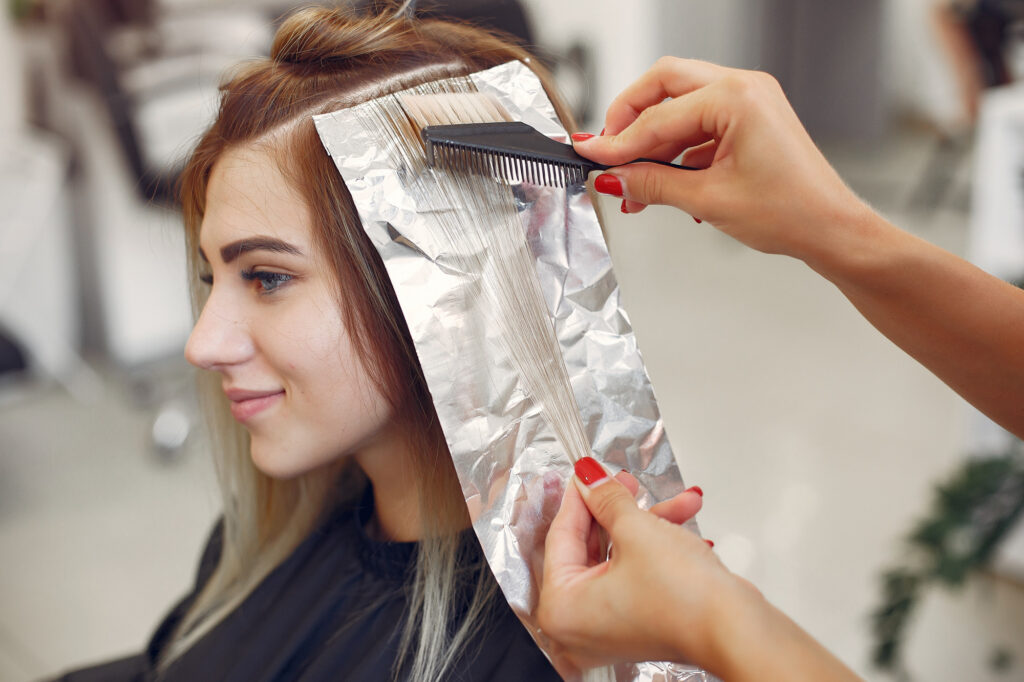
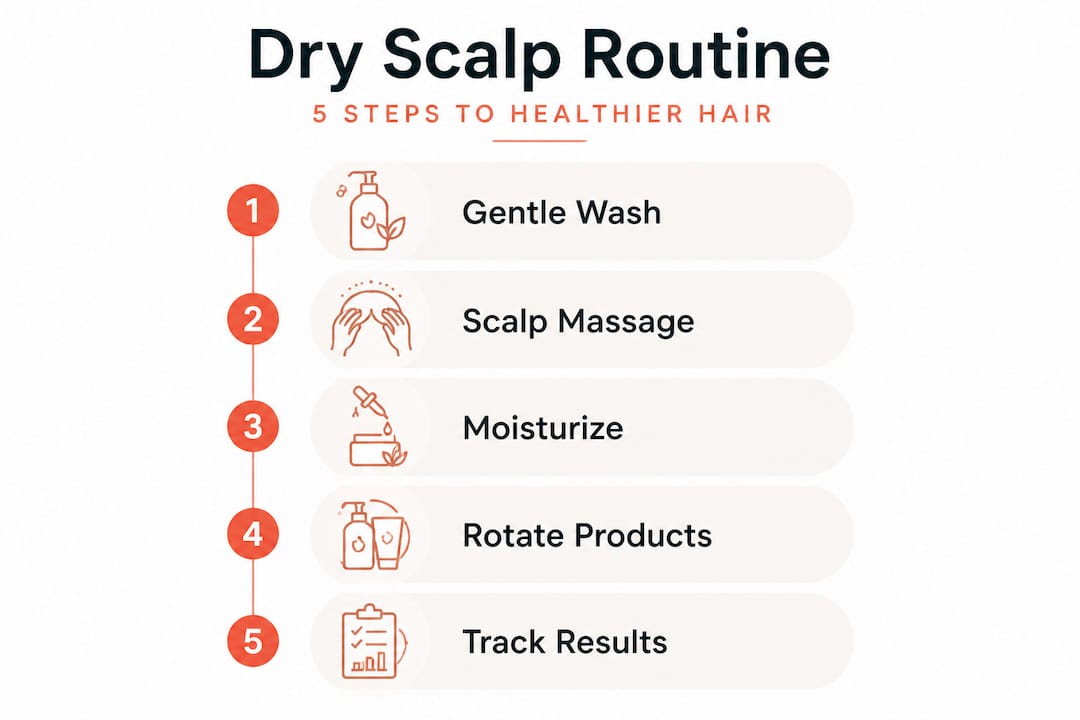
For those with color-treated hair, this is where things get tricky. Many medicated shampoos, especially coal tar and selenium sulfide, can strip color or affect tone. That is why it is worth checking the tips for healthy scalp to understand how to balance treatment with hair health. Also, incorporating scalp massage into your routine can improve circulation and help treatments absorb more effectively.
Pro Tip: If you have color-treated hair and also need to treat dandruff, try alternating: use your medicated shampoo twice a week and your color-safe shampoo on the other wash days. This maintains treatment effectiveness without sacrificing your color investment.
Scalp care technique: Shampooing, rotation, and maximizing results
Having the right product in your shower is only half the equation. How you use it matters just as much, and this is where most people leave real results on the table. The Mayo Clinic advises leaving medicated dandruff shampoo on the scalp for at least several minutes before rinsing, since active ingredients need contact time to do their job.
Most people lather up, rinse after 30 seconds, and wonder why nothing changes. Think of it like letting a cleaning solution sit before wiping a surface. The chemistry needs time to work.
Here is a step-by-step technique for getting the most from your scalp treatment:
- Wet your hair thoroughly before applying any shampoo. This helps distribute the product evenly.
- Apply directly to the scalp, not just the hair. Gently work the shampoo in with your fingertips using small circular motions.
- Leave it on for five minutes minimum. Set a timer if you need to. Read a label, do your skincare routine, whatever works.
- Rinse with lukewarm water. Hot water strips oils and can worsen both dry scalp and seborrheic dermatitis.
- Follow with a lightweight conditioner applied from mid-length to ends only. Conditioner on the scalp can clog follicles and undo your treatment.
Pro Tip: The five-minute rule is not just a suggestion. Studies supporting the
rotation of dandruff actives show that one reason treatments stop working over time is that the Malassezia yeast adapts to a single active ingredient. Rotating between zinc pyrithione, ketoconazole, and selenium sulfide every few weeks keeps the treatment effective and prevents resistance buildup.
This rotation strategy is something that even experienced hair professionals emphasize but that online guides rarely spell out clearly. If your shampoo worked for a while and then seemed to stop, you have likely encountered this exact issue. Switching to a different active ingredient and then rotating back often restores effectiveness within two to three weeks.
One more often-overlooked tip: washing frequency matters. Over-washing a dry scalp accelerates moisture loss. Under-washing a dandruff-prone scalp allows yeast to proliferate. For dry scalp, washing two to three times per week is generally ideal. For dandruff or seborrheic dermatitis, more frequent washing, particularly with medicated shampoo, is often recommended. You can also explore sulfate-free shampoo benefits to understand how ingredient choices affect scalp balance over time.
When home remedies aren’t enough: Signs you need expert help
Most dry scalp cases respond well to the strategies outlined above. But some situations genuinely call for professional evaluation, and recognizing those signs early saves a lot of time, money, and discomfort. According to Scripps Health, if OTC measures do not relieve symptoms, a dermatology evaluation can include prescription shampoos, anti-inflammatory topicals, antifungal therapy, and in some cases patch testing for product allergy.
Here are the signs that you should escalate beyond home care:
- Intense itching that disrupts sleep or daily life
- Persistent flaking after four to six weeks of consistent OTC treatment
- Redness, swelling, or open sores on the scalp
- Flaking that spreads to other areas like the face, neck, or chest
- Sudden hair thinning alongside scalp symptoms
- A burning sensation rather than typical dryness or itch
- Symptoms that seem to worsen with specific products, suggesting contact allergy
A dermatologist can run a patch test to identify whether you have an allergy to a specific ingredient in your shampoo or conditioner. This is more common than people realize, and many people cycle through products for years without realizing the product itself is the irritant.
In La Jolla specifically, the combination of sun exposure, ocean salt, and chlorinated pools creates a unique environment that can accelerate scalp inflammation and worsen existing conditions. If you are a regular beach or pool visitor and your scalp issues seem to spike in summer, that context matters when speaking to a specialist.
Pro Tip: Before your dermatology appointment, photograph your scalp symptoms and bring a list of every product you use, including shampoos, conditioners, styling products, and even sunscreen. This gives your dermatologist a complete picture and speeds up the diagnostic process significantly.
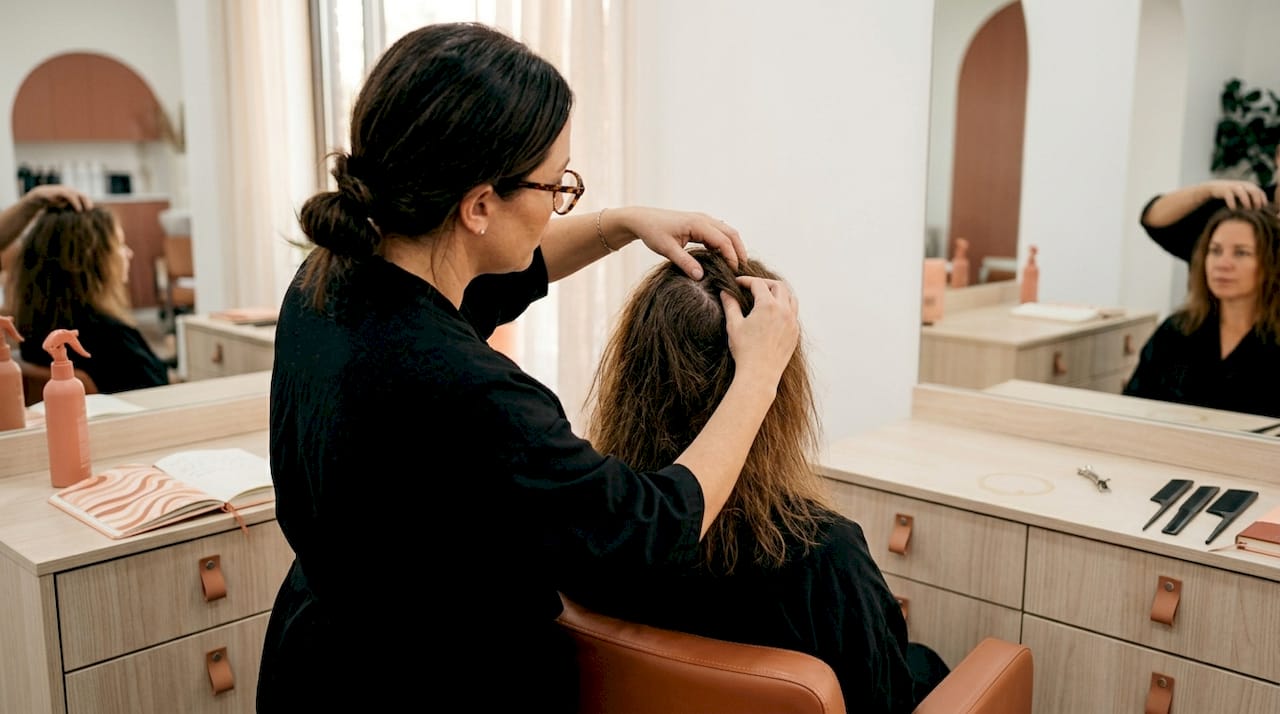
In addition to dermatology, exploring scalp treatment benefits offered through professional hair care studios can be a worthwhile complement to medical care. Sometimes, what looks like a persistent dry scalp is actually a combination of product buildup and mild inflammation that a professional scalp treatment can address effectively. You can also reference trusted guidance on skincare for dry skin to understand how general skin barrier health connects to scalp health.
Why most people miss the real solution to dry scalp problems
After more than 25 years in the industry, here is something we have seen over and over: people treat their scalp like a problem to be solved once, when it actually requires ongoing, adaptive care. That is the uncomfortable truth that most internet guides skip over entirely.
Generic remedies fail not because they are bad products, but because they are not tailored to the person using them. Your scalp condition is influenced by your genetics, your diet, your hormone levels, your stress, and yes, the specific environment you live in. La Jolla is not Phoenix. It is not Seattle. The coastal humidity, sun intensity, and water mineral content here create specific scalp challenges that a one-size-fits-all approach simply cannot address.
We have seen clients come in after months of using the “number one rated” shampoo from an online list, and their scalp has gotten measurably worse. Why? Because that shampoo was formulated for someone with different hair, different scalp chemistry, and a different climate. Personalized scalp care, which you can read more about through our scalp massage guide, starts with understanding the individual, not just the symptom.
Long-term scalp health is not a destination. It is a routine that evolves. Seasonal changes, hormonal shifts, lifestyle adjustments, and even changes in water quality all affect how your scalp behaves. Working with someone who understands both the science and your personal hair profile gives you a framework that adapts, rather than a rigid prescription that stops working the moment your circumstances change.
Personalized hair consultations: The La Jolla advantage
If you have been cycling through shampoos without lasting relief, it might be time to stop guessing and start getting personalized guidance from people who specialize in exactly this.
At Joel C Ma Hair Studio in La Jolla, our team brings over 25 years of experience to every client consultation, and that includes scalp health. Whether you are noticing persistent flaking, unexplained hair thinning, or scalp sensitivity that flares after the beach, we can help you identify what is actually going on and build a care plan that fits your hair, your lifestyle, and your environment. Explore our haircuts for scalp health options or learn how our personalized styling consultations go beyond aesthetics to address the health of your hair from root to tip. Book your consultation and finally get answers that stick.
Frequently asked questions
What is the best shampoo type for a truly dry scalp?
Moisturizing, sulfate-free shampoos are ideal for true scalp dryness, as they cleanse gently without stripping protective oils. Gentler cleansing and barrier support are the foundation of dry scalp care when seborrheic dermatitis is not involved.
How do I know if my flakes are from dandruff or dry scalp?
Dandruff flakes are often oily and yellowish with possible itch and inflammation, while dry scalp flakes are smaller, whiter, and less itchy. The AAFP describes seborrheic dermatitis as producing yellow, oily scales in sebaceous-gland-rich areas, which is a clear contrast to the dry, powdery flakes of a moisture-depleted scalp.
How long should I leave dandruff shampoo on my scalp?
Leave dandruff shampoo on your scalp for at least five minutes to maximize its effectiveness. The Cleveland Clinic advises that active ingredients need adequate contact time with the scalp to work properly before rinsing.
When should I see a dermatologist for scalp issues?
If OTC shampoos and home care do not relieve your symptoms or if you have persistent itching, redness, or inflammation, see a dermatologist. Scripps Health confirms that dermatology evaluation can uncover the need for prescription treatments, antifungal therapy, or even patch testing for contact allergies.
Recommended
- The Essential Guide to Tips for Healthy Scalp – Joel C Ma Hair Studio
- Discover the benefits of scalp treatments for healthier hair – Joel C Ma Hair Studio
- Scalp Massage Benefits: Boosting Hair Health Naturally – Joel C Ma Hair Studio
- 6 Best Practices for Sensitive Skin: Gentle Anti-Aging Tips – Cellure