
Benefits of Scalp Massage for Hair Health and Stress
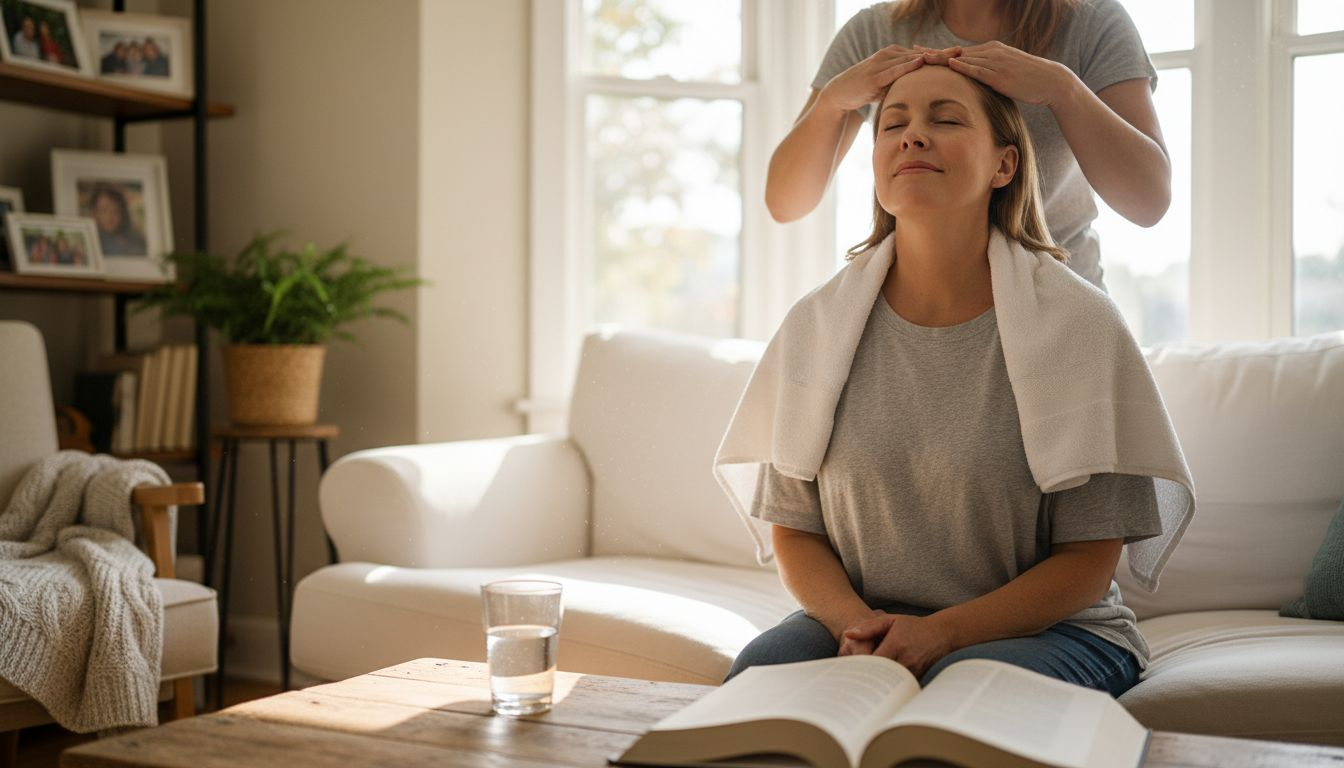
Most American women underestimate just how transformative a professional scalp massage can be, yet studies show over 60 percent experience better hair health with regular treatments. Premium salons in La Jolla are redefining hair care by blending ancient techniques with holistic wellness approaches that put relaxation and hair vitality first. Explore how intentional scalp massage can become your secret to radiant hair, reduced stress, and a truly luxurious self-care ritual.
Table of Contents
- What Is Scalp Massage? Key Concepts And Myths
- Techniques And Types: Manual To Device-Assisted
- Science Of Scalp Massage: How Hair Responds
- Stress Relief And Scalp Health Benefits Explained
- Risks, Limitations, And Best Practice Tips
Key Takeaways
| Point | Details |
|---|---|
| Scalp Massage Benefits | Regular scalp massage promotes relaxation, improves circulation, and supports overall hair health by enhancing blood flow to hair follicles. |
| Manual vs. Device-Assisted Techniques | Both manual and electric scalp massage methods can be effective, but personalization is key to maximizing benefits. |
| Psychological Advantages | Scalp massage can reduce stress by lowering cortisol levels and promoting emotional well-being through neurochemical responses. |
| Safety Considerations | Individuals with scalp issues or certain medical conditions should consult healthcare professionals before starting a massage routine. |
What Is Scalp Massage? Key Concepts and Myths
A scalp massage represents a targeted therapeutic technique involving gentle manipulation of the skin and underlying tissues atop the head. This practice goes beyond simple touching, focusing strategically on stimulating specific nerve endings, muscles, and blood vessels in the scalp region. Experts confirm scalp massage involves systematic pressure and movement techniques designed to promote relaxation, improve circulation, and potentially support overall hair health.
The primary mechanisms of scalp massage center on increasing blood flow to hair follicles and reducing muscular tension. By applying strategic pressure using fingertips, professionals can activate nerve receptors that trigger relaxation responses while simultaneously encouraging nutrient delivery to hair roots. Current research challenges several long-standing myths about scalp manipulation, particularly the misconception that massage might cause hair loss – when performed correctly, it actually supports follicular health.
Common techniques include circular motions, kneading movements, and light tapping across different scalp regions. These methods help release accumulated stress, potentially reduce cortisol levels, and create an environment conducive to hair growth. Professional practitioners typically recommend varying pressure and movement patterns to maximize therapeutic benefits, understanding that individual scalp sensitivity differs significantly.
Pro tip: Start your scalp massage with light, gentle movements and gradually increase pressure, paying attention to how your scalp responds to ensure maximum comfort and effectiveness.
Techniques and Types: Manual to Device-Assisted
Scalp massage techniques span a wide range of approaches, from traditional manual methods to sophisticated device-assisted technologies. Comprehensive guides highlight the nuanced differences between manual and electric scalp massagers, revealing unique benefits for hair and scalp health across different application styles. Manual techniques typically involve human hands and fingertips, while device-assisted methods leverage specialized tools designed to enhance massage effectiveness.
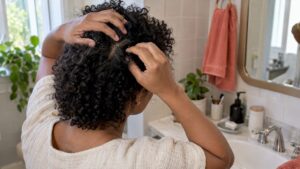
Manual techniques represent the foundational approach to scalp massage, characterized by direct human touch and intuitive movement patterns. Practitioners use fingertips to apply gentle, strategic pressure through circular motions, kneading, and tapping techniques. Modern scalp massage research explores various tool-based and hands-on approaches that cater to individual scalp sensitivities, emphasizing the importance of personalized massage strategies.
Device-assisted scalp massagers introduce technological precision to the massage experience. These tools range from handheld electric devices with multiple attachment heads to silicone brushes with varied textures and vibration settings. Advanced models offer customizable intensity levels, allowing users to target specific scalp regions and adjust pressure according to personal comfort. Some sophisticated devices incorporate additional features like infrared technology or ionic stimulation to potentially enhance blood circulation and support hair follicle health.
Here’s a concise comparison of manual and device-assisted scalp massage approaches:
| Method | Tools Used | Level of Personalization | Unique Advantage |
|---|---|---|---|
| Manual | Hands, fingertips | High, fully tailored | Intuitive technique control |
| Device-Assisted | Electric massagers, brushes | Adjustable settings, moderate | Precise pressure delivery |
Pro tip: When selecting a scalp massage device, prioritize tools with adjustable settings and soft, flexible tips to ensure comfortable and effective scalp stimulation.
Science of Scalp Massage: How Hair Responds
Hair follicle biology reveals a complex relationship between mechanical stimulation and cellular response. Groundbreaking scientific research demonstrates how standardized scalp massage triggers remarkable changes in hair growth mechanisms, uncovering the intricate biological pathways that transform simple touch into potential hair health improvements. The process involves sophisticated cellular interactions that go far beyond surface-level manipulation.
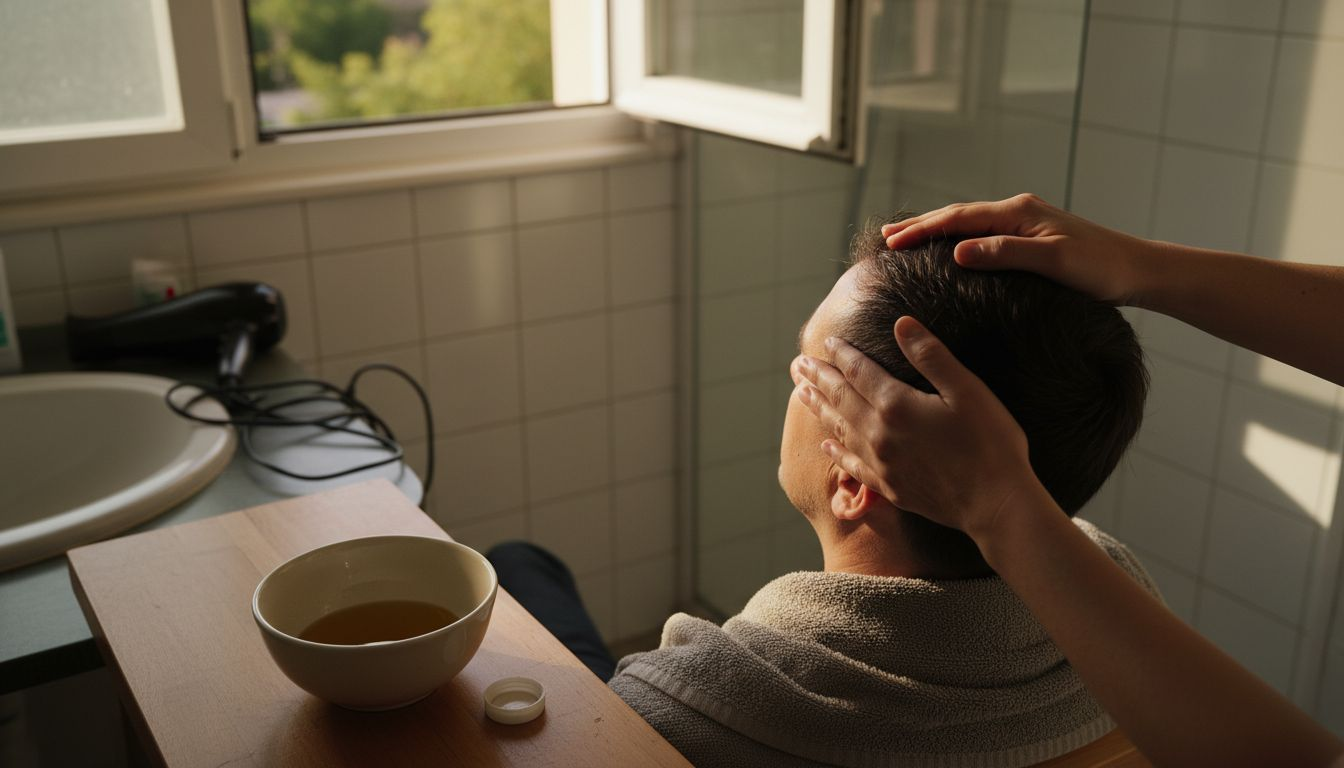
At the cellular level, scalp massage initiates a cascade of physiological responses within dermal papilla cells. These specialized cells, located at the hair follicle base, respond to mechanical pressure by modifying gene expression patterns. The consistent stimulation appears to activate molecular signaling pathways that can potentially increase blood circulation, enhance nutrient delivery, and stimulate cellular metabolism directly associated with hair follicle function.
The biomechanical impact of scalp massage extends to multiple hair growth phases. By applying strategic pressure and movement, massage techniques can potentially influence the transition between telogen (resting) and anagen (active growth) phases. This mechanical intervention may help prolong the active growth period, potentially reducing hair shedding and supporting more robust hair production. The scientific evidence suggests that consistent, gentle stimulation can create a more favorable environment for healthy hair growth.
Pro tip: Aim for consistent, gentle scalp massage techniques lasting 3-5 minutes daily to maximize potential cellular stimulation and hair health benefits.
Stress Relief and Scalp Health Benefits Explained
Stress management through scalp massage represents a sophisticated approach to holistic wellness, targeting both psychological and physiological responses simultaneously. Comprehensive scientific research reveals the intricate connection between scalp massage and stress reduction mechanisms, demonstrating how targeted touch can trigger profound relaxation responses within the human body. The interaction between mechanical stimulation and neurological pathways creates a complex cascade of stress-alleviating effects.
The physiological impact of scalp massage extends beyond surface-level relaxation. When strategic pressure is applied to specific scalp regions, the nervous system responds by reducing cortisol levels – the primary hormone associated with stress. This biochemical shift triggers a comprehensive relaxation response, lowering heart rate, decreasing muscle tension, and promoting overall mental calm. The neural pathways stimulated during massage activate parasympathetic nervous system functions, effectively counteracting the body’s stress-induced fight-or-flight mechanisms.
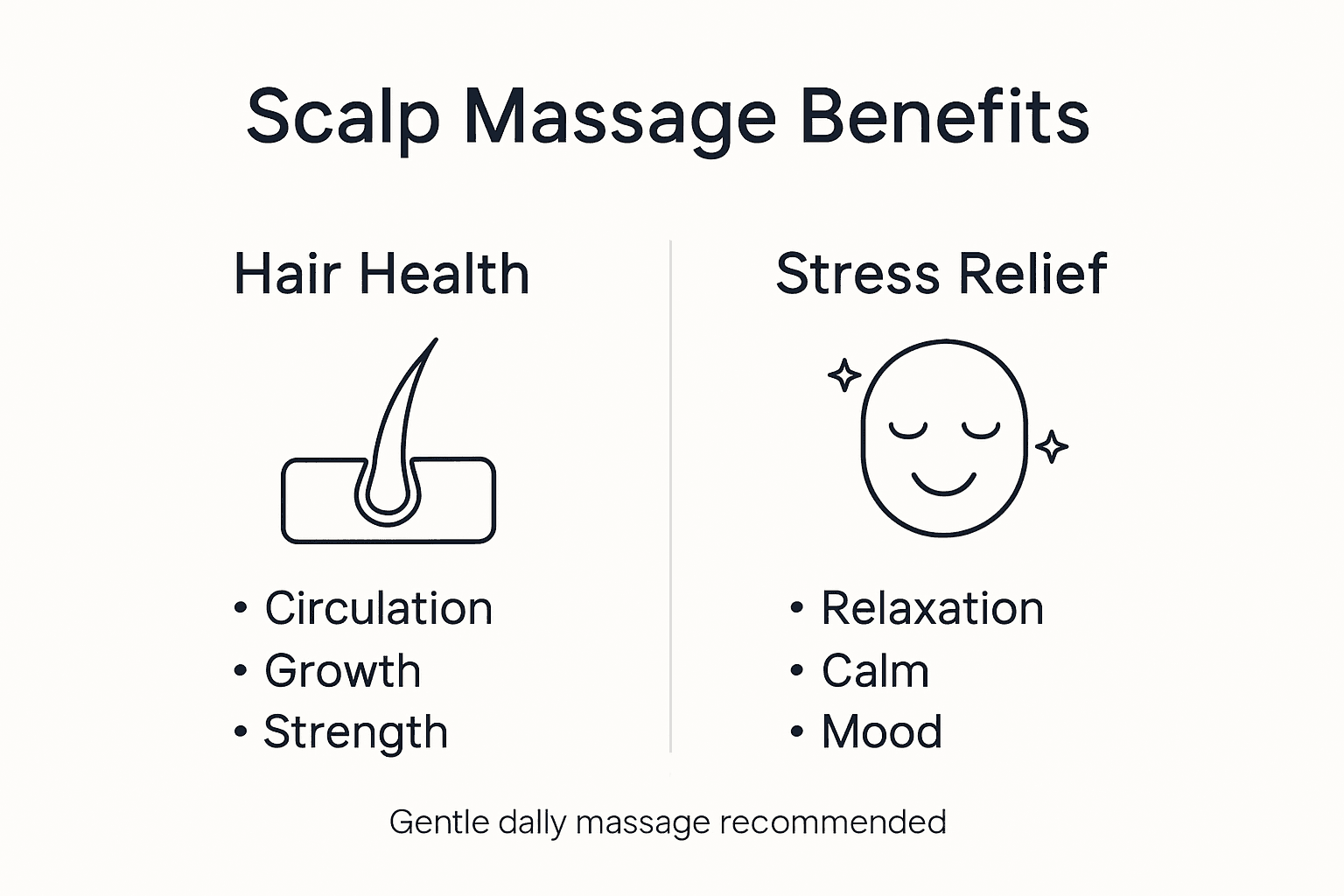
Psychological benefits complement the physiological transformations occurring during scalp massage. The deliberate, rhythmic touch creates a meditative experience that helps interrupt negative thought patterns and promotes emotional equilibrium. Neurochemical changes during massage include increased production of serotonin and dopamine, neurotransmitters directly linked to mood regulation and emotional well-being. This holistic approach demonstrates how targeted physical intervention can create meaningful psychological transformation, offering a natural alternative to traditional stress management techniques.
Pro tip: Practice mindful breathing during your scalp massage to amplify relaxation benefits and create a more profound mind-body connection.
Risks, Limitations, and Best Practice Tips
Scalp massage safety requires a nuanced understanding of potential risks and individual health considerations. Comprehensive medical reviews highlight critical precautions individuals must consider before implementing scalp massage techniques, emphasizing that not all massage approaches are universally appropriate. Understanding individual health context becomes paramount in preventing potential complications.
Certain medical conditions and scalp vulnerabilities demand careful assessment before massage implementation. Individuals with active scalp infections, open wounds, severe dandruff, psoriasis, or recent surgical procedures should consult healthcare professionals before beginning any massage routine. Professional standards outline specific contraindications and risk management protocols to ensure safe and responsible practice. Excessive pressure, aggressive techniques, or inappropriate manipulation can potentially exacerbate existing scalp conditions or cause unexpected dermatological reactions.
Proper technique represents the most critical factor in mitigating potential risks associated with scalp massage. Practitioners should prioritize gentle, consistent movements using clean hands or sanitized tools, avoiding excessive force or prolonged intense stimulation. Individuals with sensitive skin, autoimmune disorders, or chronic scalp conditions should start with minimal pressure, monitoring their body’s response and consulting dermatological professionals if any adverse reactions occur. Technique variation, pressure modulation, and individual physiological differences necessitate a personalized, cautious approach.
Review these essential precautions before starting any scalp massage routine:
| Risk Factor | Why It Matters | Recommended Action |
|---|---|---|
| Scalp Infection | Infection may worsen with massage | Consult a healthcare professional first |
| Sensitive Skin | Prone to irritation or reactions | Start with minimal pressure and monitor |
| Recent Surgery | Area may be delicate or healing | Avoid massage until cleared by doctor |
Pro tip: Always perform a patch test and start with light, gentle pressure when introducing scalp massage, gradually increasing intensity while carefully observing your body’s response.
Unlock the Full Potential of Your Hair Health with Expert Care
If you are seeking to boost hair growth, reduce stress, and nurture your scalp with proven techniques like scalp massage, you deserve personalized solutions designed for your unique hair needs. The article highlights gentle, consistent stimulation and stress relief as keys to healthy hair follicles and improved scalp circulation. At Joel C Ma Hair Studio, our seasoned professionals understand these critical connections and combine artistic expertise with tailored treatments to transform your hair experience.
Experience more than just a haircut. Discover advanced hair care services that integrate scalp health and styling artistry all under one roof. Visit Joel C Ma Hair Studio today to consult with our experts who will craft the ideal approach for your hair growth and scalp vitality. Don’t wait to invest in your hair’s future – book your personalized session now and embrace the confidence that comes from truly healthy, vibrant hair.
Frequently Asked Questions
What are the benefits of scalp massage for hair health?
Scalp massage enhances blood circulation to hair follicles, potentially promoting hair growth and overall follicular health. It also helps relax the scalp and reduce muscle tension, which may support improved hair vitality.
How can scalp massage help reduce stress?
Scalp massage can lower cortisol levels in the body, promoting relaxation. The rhythmic touch can trigger a meditative experience, increasing the production of serotonin and dopamine, neurotransmitters associated with mood enhancement and emotional well-being.
What techniques should I use for an effective scalp massage?
Effective techniques include circular motions, kneading, and gentle tapping. Start with light pressure and gradually increase according to your comfort level. Personalize movements based on your scalp sensitivity to maximize relaxation and benefits.
Are there any risks associated with scalp massage?
Yes, potential risks include worsening scalp conditions such as infections or irritations. Individuals with sensitive skin or scalp conditions should start gently and consider consulting a healthcare professional before starting a routine.