
Essential sun protection for vibrant, healthy hair
TL;DR:
- UV rays degrade hair keratin and accelerate color fading, affecting strength, shine, and tone.
- Hair SPF products are often unregulated; lab-tested formulas offer better protection.
- Combining physical barriers, tested SPF products, timing outdoors, and professional treatments best guards hair in the sun.
You put real effort into your hair, whether it’s a fresh balayage, a precision cut, or a color treatment you’ve been waiting weeks to show off. But every hour you spend outdoors in La Jolla without any hair protection is quietly working against all of that. Sun damage is not just a skin problem. UV rays break down the very proteins that keep your hair strong, smooth, and full of life, and color fading can start faster than most people expect. This guide brings together the science, the salon-approved strategies, and the honest product guidance you need to keep your hair looking as good in August as it did the day you walked out of the salon.
Table of Contents
- How the sun actually damages your hair
- How effective are hair SPF and UV-protection claims?
- Stylish, practical steps for keeping your hair safe in the sun
- Comparing hair sun protection methods and products
- Why most hair sun protection advice falls short (and what really works)
- Bring expert hair protection to your daily routine
- Frequently asked questions
Key Takeaways
| Point | Details |
|---|---|
| UV protection is vital | Direct sun exposure breaks down hair protein and rapidly fades color, especially in bright climates like La Jolla. |
| Check product evidence | Prioritize sun-protection products with proven test data over marketing claims or raw SPF numbers. |
| Layer your defenses | Combining SPF products, stylish hats, and healthy routines provides maximum protection and preserves vibrant styles. |
| Reapply and refresh | Reapply hair SPF regularly and book professional treatments for lasting results. |
How the sun actually damages your hair
To protect hair effectively, it’s vital to understand what actually happens to hair in the sun.
Your hair is built primarily from keratin, a tough fibrous protein that gives each strand its structure, strength, and elasticity. When UV rays hit your hair, they trigger a photochemical reaction that slowly degrades that keratin. The result is hair that feels rough, breaks more easily, and loses its natural bounce. This is not a dramatic overnight change. It happens gradually, strand by strand, session by session.
Color is another major casualty. UV radiation oxidizes the melanin pigments inside the hair shaft, which is exactly what makes hair go brassy, dull, or washed out after a summer outdoors. This applies to natural hair as well as color-treated hair, though treated and lighter hair types take the hit faster and more visibly.
Here is what UV damage typically does to hair:
- Breaks down keratin, reducing tensile strength and elasticity
- Oxidizes melanin, leading to color fading and brassiness
- Damages the cuticle layer, making hair porous and frizzy
- Removes natural moisture, causing dryness and brittleness
- Worsens existing chemical damage from coloring or heat styling
“Laboratory tests that measure changes in hair keratin and protein integrity are the standard for validating UV protection claims, mapping results to real-world UV exposure cycles.”
The scientific tools used to measure this damage give us a clearer picture of just how serious the problem is. Researchers use metrics like ΔE (pronounced delta E), which quantifies how much a hair’s color has shifted after UV exposure. They also measure keratin denaturation temperature to track protein breakdown. The lower your keratin integrity score, the weaker and more fragile your hair becomes over time. If you want to dig deeper, check out these sun protection hair tips from our team at Joel C Ma Hair Studio.
How effective are hair SPF and UV-protection claims?
Now that you understand what UV does to hair, let’s explore how well sun-protection products really deliver.
Walk down any beauty aisle and you’ll find shampoos, sprays, oils, and leave-in treatments labeled with SPF numbers. The problem is that hair SPF is not regulated the same way skin SPF is. There is no universal standard requiring hair products to back up those numbers with specific test protocols, which means a bottle claiming “SPF 30” might be doing far less than you think.
The most credible research on this comes from studies that measure actual ΔE values before and after UV exposure. One experimental study found a meaningful correlation between SPF and color protection, showing that higher-labeled SPF products did correspond to smaller UV-induced color differences. That is encouraging, but the key word is “labeled.” Without actual test data published alongside that label, you’re trusting marketing copy, not science.
| Product type | SPF claim reliability | Color protection | Ease of use |
|---|---|---|---|
| SPF oils and balms | High (when lab-tested) | Excellent | Moderate |
| SPF mists and sprays | Variable | Good with reapplication | Easy |
| SPF shampoos | Low to moderate | Minimal standalone effect | Very easy |
| Physical barriers (hats) | Not applicable | Excellent | Straightforward |
| Salon UV treatments | High (professional grade) | Excellent | Requires appointment |
Stat to remember: Research shows that products with no UV protection can result in ΔE values two to three times higher after the same UV exposure compared to high-SPF alternatives. That is a visible, measurable difference.
Pro Tip: When shopping for a hair SPF product, look for brands that reference in vitro or in vivo testing data on their website or packaging. If you cannot find any mention of how they tested their SPF claim, move on. Explore more ways of preventing hair damage that go beyond product selection alone.
Stylish, practical steps for keeping your hair safe in the sun
Understanding product claims is just the start. Here’s how to design a routine that blends science with style.
The good news is that building an effective sun-protection habit does not require an extensive new regimen. A few targeted changes, done consistently, can make a significant difference by the time summer winds down.
-
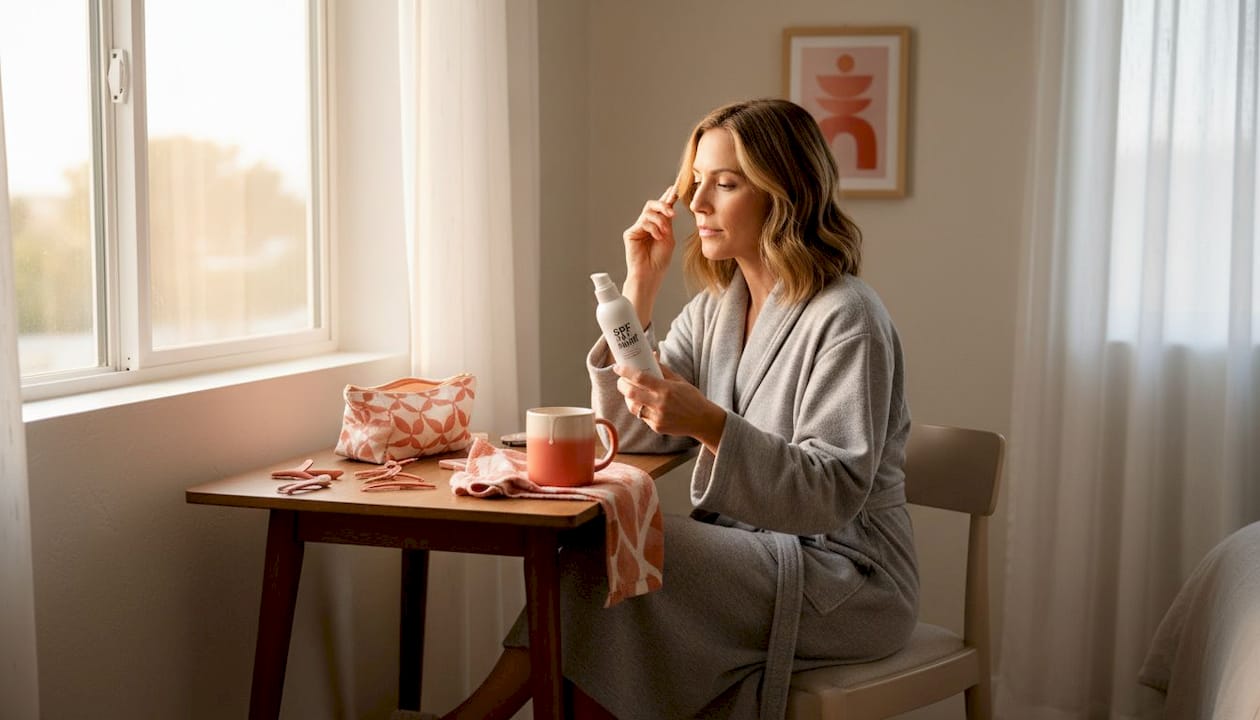
Apply an SPF hair product before heading outdoors. Focus on the most exposed areas: your part, your ends if your hair is down, and any areas where the scalp is visible. Oils and leave-in balms tend to offer the strongest keratin protection.
-
Wear a hat or scarf on peak sun days. La Jolla’s UV index regularly reaches 10 or higher during summer months. A wide-brimmed hat is not just stylish, it is genuinely the most reliable physical barrier you can use. Silk and satin-lined options minimize friction damage too.
-
Limit direct sun exposure between 10 a.m. and 3 p.m. This is peak UV intensity time. If you’re at the beach or hiking, position yourself in the shade when you’re not active.
-
Rinse your hair immediately after swimming. Chlorine and saltwater both compromise the hair cuticle, making it far more vulnerable to UV damage afterward. A quick freshwater rinse removes these harsh elements before they compound the sun’s effects.
-
Reapply your SPF product every two hours. Laboratory research confirms that UV exposure cycles in controlled testing, where one hour in a Q-Sun chamber simulates up to 4.5 hours of real-world Nevada sun, use reapplication between cycles to maintain protection levels. The same logic applies to your real-world routine.
-
Schedule regular conditioning treatments. Deep conditioning and protein treatments restore moisture and partially address keratin loss. They won’t undo severe UV damage, but they keep hair resilient between outdoor days.
-
Trim split ends regularly. Sun-damaged ends are more porous and more susceptible to further damage. Keeping ends fresh means damage stays minimal and manageable.
For more ideas tailored to different lifestyles, our summer hair care routines blog goes into detail on building habits that actually stick. You can also find targeted advice in our guide on summer care for all hair types.
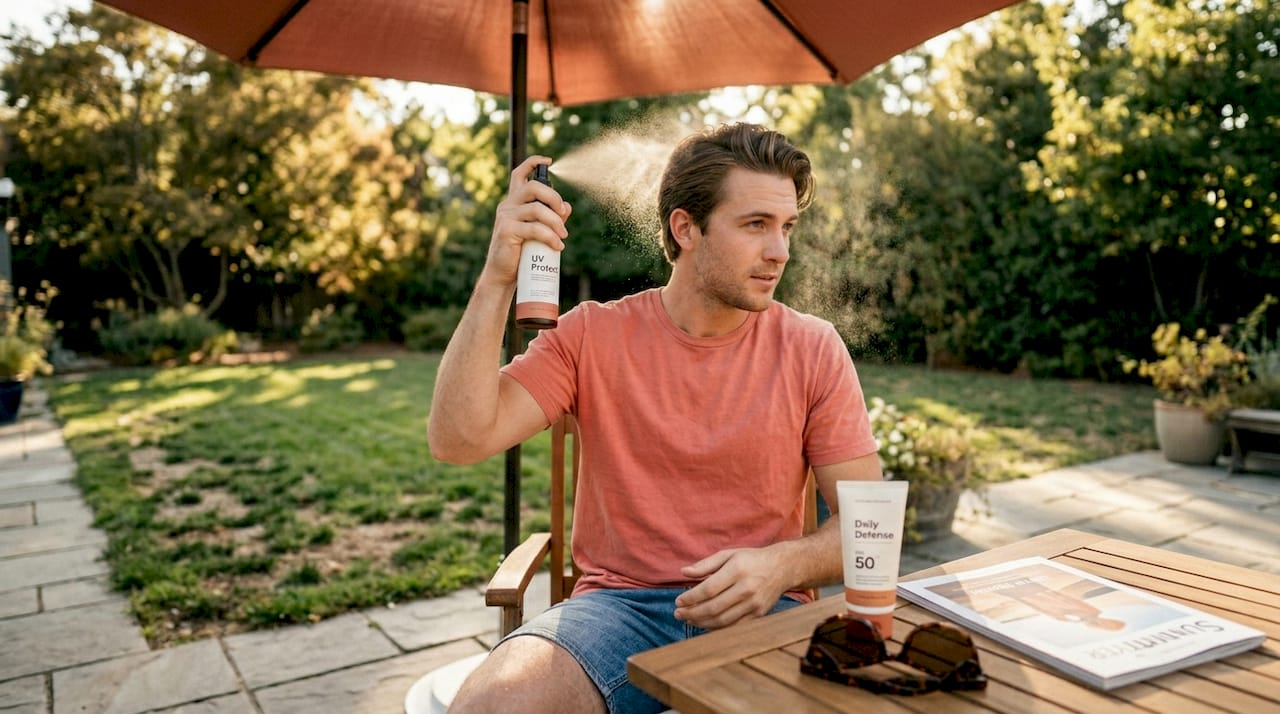
Pro Tip: If you color your hair, apply a small amount of SPF hair oil to dry hair before leaving the house, not just to damp hair after washing. Dry hair absorbs oil quickly and the UV-filtering ingredients get to work immediately, rather than being diluted by moisture.
Comparing hair sun protection methods and products
With your toolkit of strategies, it helps to see which protection methods stack up side by side.
Not every method works equally well for every lifestyle. Someone who surfs three mornings a week has very different needs from someone who walks from their car to a restaurant patio. The chart below breaks it down clearly.
| Method | Best for | Reapplication needed | Protection level | Style impact |
|---|---|---|---|---|
| SPF oils and balms | Long beach days, colored hair | Every 2 hours | Very high | Adds shine |
| SPF mists | Quick outings, layering | Every 1.5 to 2 hours | Moderate | Minimal |
| Physical (hat or scarf) | All-day outdoor events | None | Highest | High style potential |
| SPF shampoo | Daily maintenance | None (wash-based) | Low on its own | No impact |
| Salon UV treatments | Frequently colored hair | Monthly or per appointment | Very high | None |
Key takeaways from the comparison:
- SPF oils and balms are the strongest performers when tested under lab conditions. Research confirms that higher SPF oils and balms show the best reduction in color change compared to no protection at all.
- SPF mists are versatile and easy to carry, but they need to be applied more frequently to stay effective, especially in humid or windy conditions.
- Physical barriers like hats and scarves deliver the most complete protection. They require zero reapplication and can easily become a signature style element rather than an afterthought.
- Salon treatments are the smart choice if you regularly color, bleach, or heat-style your hair. They often contain UV-absorbing ingredients in higher concentrations than retail products, and they are applied to every part of the hair structure.
For advice on making color last through summer and beyond, our long-lasting color tips page has practical guidance from our stylists.
Why most hair sun protection advice falls short (and what really works)
Here is something we see often: clients who diligently apply SPF hair products every morning still end up with faded, dry, straw-like hair by mid-summer. It’s frustrating, and it almost always comes down to the same root problem. They trusted a label over actual evidence.
The hair care market is full of products that use SPF numbers as a selling tool without any meaningful science behind the claim. This same issue shows up in skin sunscreen research, where studies have found that consumer-labeled SPF values can overstate real-world UV absorption. The same skepticism needs to apply to hair. An SPF 50 label on a mist that was never formally tested is not protecting your balayage.
What actually works, in our experience after more than 25 years in this industry, is a layered approach. No single product is enough on its own. You need a tested SPF formula, physical protection on high-UV days, smart timing of your outdoor activities, and consistent professional maintenance. This is especially true in La Jolla, where the combination of intense sun, salt air, and ocean exposure creates conditions that are tougher on hair than a typical inland environment.
We also want to be honest about salon treatments. They are not magic either. A UV-protective gloss or protein treatment will give your hair meaningful armor, but it does not mean you can skip the hat at noon. Think of professional treatments as a foundation layer that makes everything else you do more effective. When you combine trusted salon strategies with smart daily habits, the results are genuinely noticeable.
The other mistake we see is people focusing entirely on the hair strand and ignoring the scalp. UV damage to the scalp skin can affect follicle health over time, which ultimately affects hair growth and quality. Protecting your scalp with physical barriers or SPF scalp sprays is part of the complete picture.
Bring expert hair protection to your daily routine
Turning practical advice into lasting results means choosing the right products and trusting skilled pros for guidance.
At Joel C Ma Hair Studio, we work with clients every day who want their color and style to last through the sun-drenched La Jolla summer without sacrificing vibrancy or health. Our stylists can recommend the right salon shampoos for colored hair that genuinely support UV protection at home, not just formulas with buzzwords on the label.
We also offer customized hair styling consultations designed around your unique hair type, color history, and lifestyle. Whether you spend your weekends sailing or strolling Prospect Street, we will build a personalized protection plan that keeps your hair looking its best from one appointment to the next. Book a consultation with our team and give your hair the expert care it deserves this season.
Frequently asked questions
Is hair SPF really necessary if I don’t color my hair?
Yes, UV radiation breaks down natural hair proteins and fades even untreated hair, so sun protection is relevant for every hair type and color.
How often should I reapply hair sun protection during the day?
Research on UV cycle reapplication supports reapplying every two hours, and more frequently after swimming or heavy sweating.
Are there any natural alternatives to SPF hair sprays?
Wearing hats or scarves provides the most reliable physical protection, and some plant-based oils like raspberry seed oil have mild UV-absorbing properties worth layering in.
Do high SPF numbers guarantee color protection?
Higher SPF helps, but only products backed by real lab test data deliver on that promise. Label claims alone are not a reliable guarantee.
Is sun damage to hair reversible?
Some dryness and texture issues can be improved with conditioning treatments, but UV-induced color fading and significant protein breakdown cannot always be fully reversed without new hair growth.
Recommended
- How to Protect Hair from Sun: Luxurious Salon Tips – Joel C Ma Hair Studio
- Protecting Hair From Heat: The Essential Guide – Joel C Ma Hair Studio
- How to maintain blonde hair for vibrant, healthy shine – Joel C Ma Hair Studio
- Skönhetsvitaminer: Så påverkar de ditt utseende – vitaminone.se