
Ombre vs Balayage: Choosing Your Perfect Hair Color
Over 60 percent of American women say personalized hair color boosts their confidence, especially when navigating the world of ombre and balayage. For style-driven women in La Jolla, the choice between these French-inspired techniques can define your entire look and your luxury hair experience. Understanding the subtle artistry and dramatic statements behind both balayage and ombre empowers you to select a transformation as effortless or bold as your California lifestyle demands.
Table of Contents
- Ombre And Balayage: Essential Definitions
- Technique Differences And Color Placement
- Typical Results And Style Variations
- Maintenance Needs And Long-Term Costs
- Suitability By Hair Type And Lifestyle
- Common Mistakes And Expert Recommendations
Key Takeaways
| Point | Details |
|---|---|
| Technique Differences | Balayage offers a soft, natural look with freehand application, while ombre features a bold gradient from dark to light. |
| Maintenance Requirements | Balayage typically requires touch-ups every 12-16 weeks, whereas ombre needs attention every 8-12 weeks. |
| Suitability | Balayage suits various hair types and lengths, while ombre is ideal for medium to long hair with a bold style preference. |
| Common Challenges | Both techniques require skilled application; improper techniques can lead to harsh transitions or patchy results. |
Ombre and balayage: Essential definitions
Hair color techniques have evolved dramatically, with balayage and ombre emerging as two transformative styling approaches that offer personalized, artistic hair color transformations. These techniques, originating from French hairstyling traditions, provide distinct methods for creating dimensional, multi-tonal hair color that moves beyond traditional highlights.
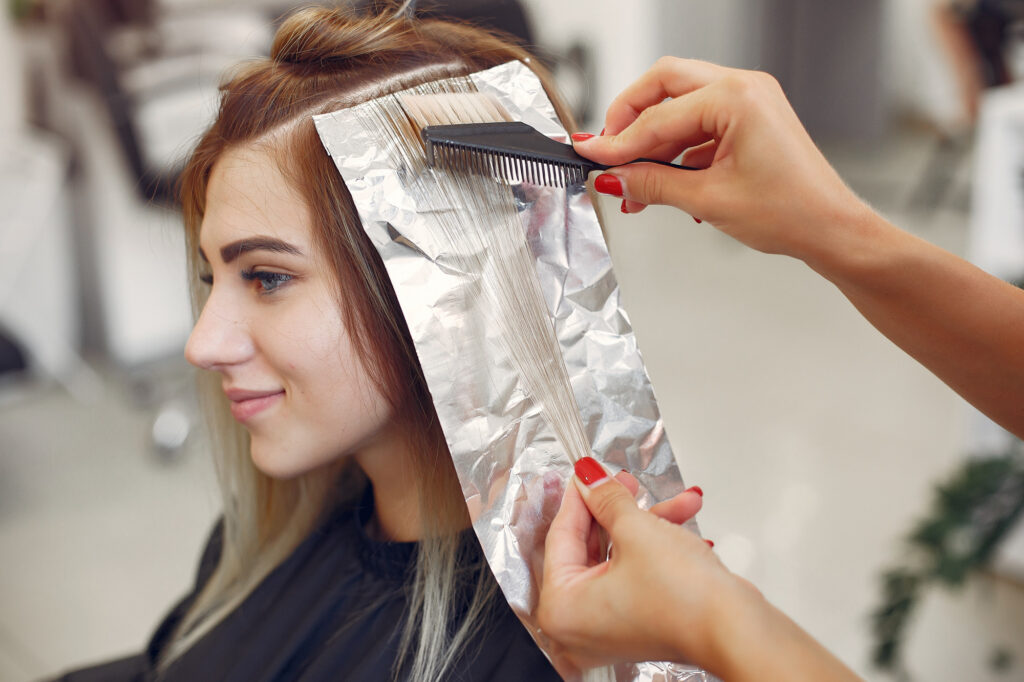
Balayage, which literally means “to sweep” in French, is a hand-painted hair coloring technique characterized by freehand application of lightener. Unlike traditional foil highlights, balayage creates a soft, natural gradation of color that mimics the sun-kissed effect of natural lightening. Hairstylists apply color vertically and strategically, creating subtle transitions that look effortless and radiant.
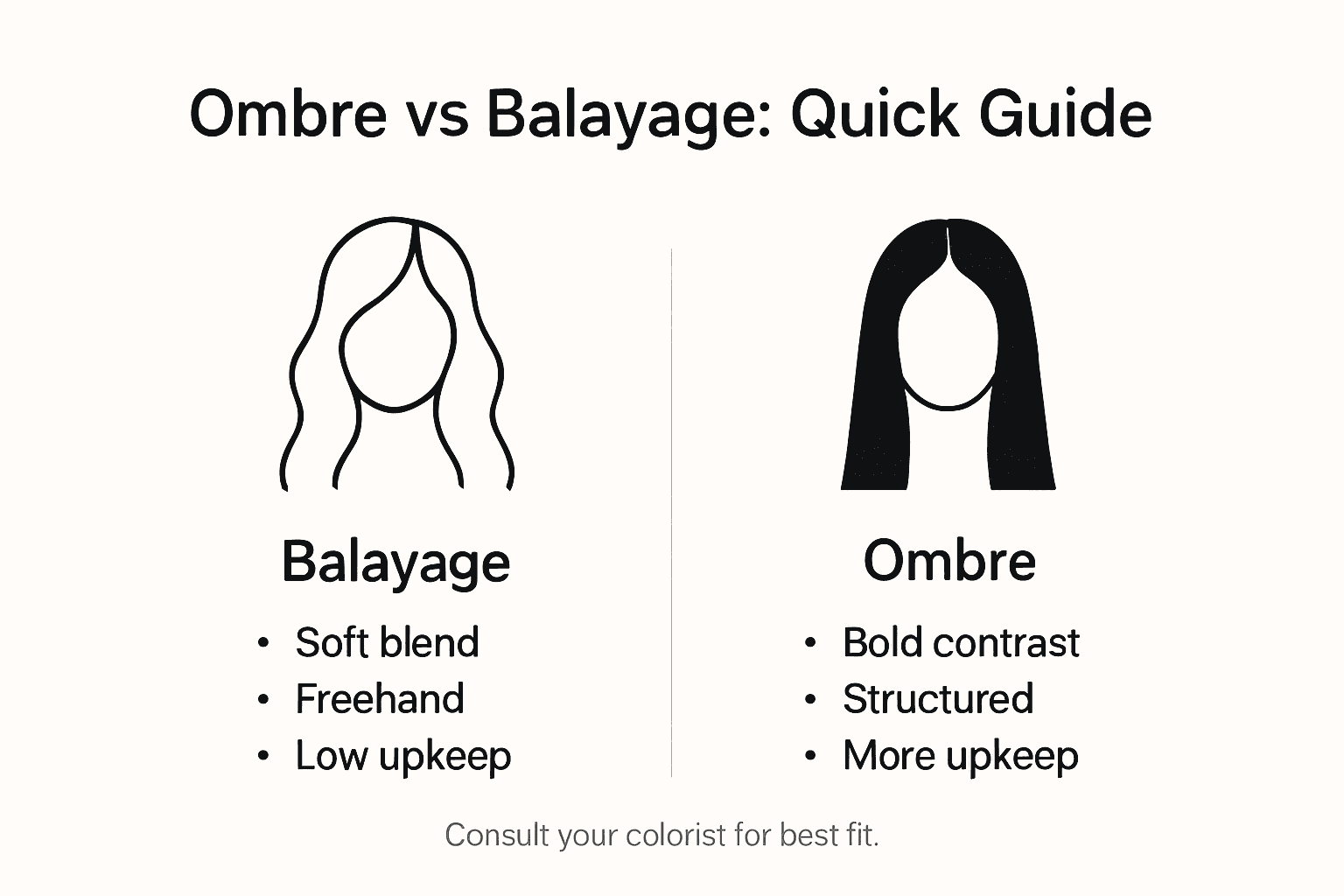
In contrast, ombre represents a more dramatic color gradient technique where hair transitions from darker roots to significantly lighter ends. The word “ombre” translates to “shadow” in French, reflecting the technique’s distinctive contrast between color sections. While balayage focuses on soft, blended transitions, ombre creates a more defined, bold color shift that can range from subtle to dramatically striking.
Pro tip: When selecting between balayage and ombre, consider your hair’s natural texture, your personal style, and maintenance preferences to choose the technique that best complements your look.
Here is a side-by-side comparison of balayage and ombre hair coloring techniques:
| Aspect | Balayage | Ombre |
|---|---|---|
| Application style | Freehand painting | Horizontal sectioning |
| Color transition | Subtle, seamless blend | Distinct, bold gradient |
| Ideal hair length | Any length | Medium to long hair |
| Maintenance frequency | Every 12-16 weeks | Every 8-12 weeks |
| Visual impact | Natural, sun-kissed look | Eye-catching, two-tone effect |
Technique differences and color placement
The artistry behind balayage and ombre lies in their distinctly different application techniques, each creating unique visual effects that transform hair color with precision and creativity. Understanding these techniques goes beyond mere color selection – it’s about mastering the strategic placement and blending of shades to achieve a personalized, natural-looking result.
Balayage application involves a freehand painting technique where stylists meticulously apply lightener using long, vertical brush strokes. This approach creates a soft, dimensional effect by concentrating color on the hair’s top layers, allowing for seamless color diffusion without harsh demarcation lines. Hairstylists strategically place lighter sections to mimic natural sun-kissed highlights, ensuring the color looks effortless and organically integrated.
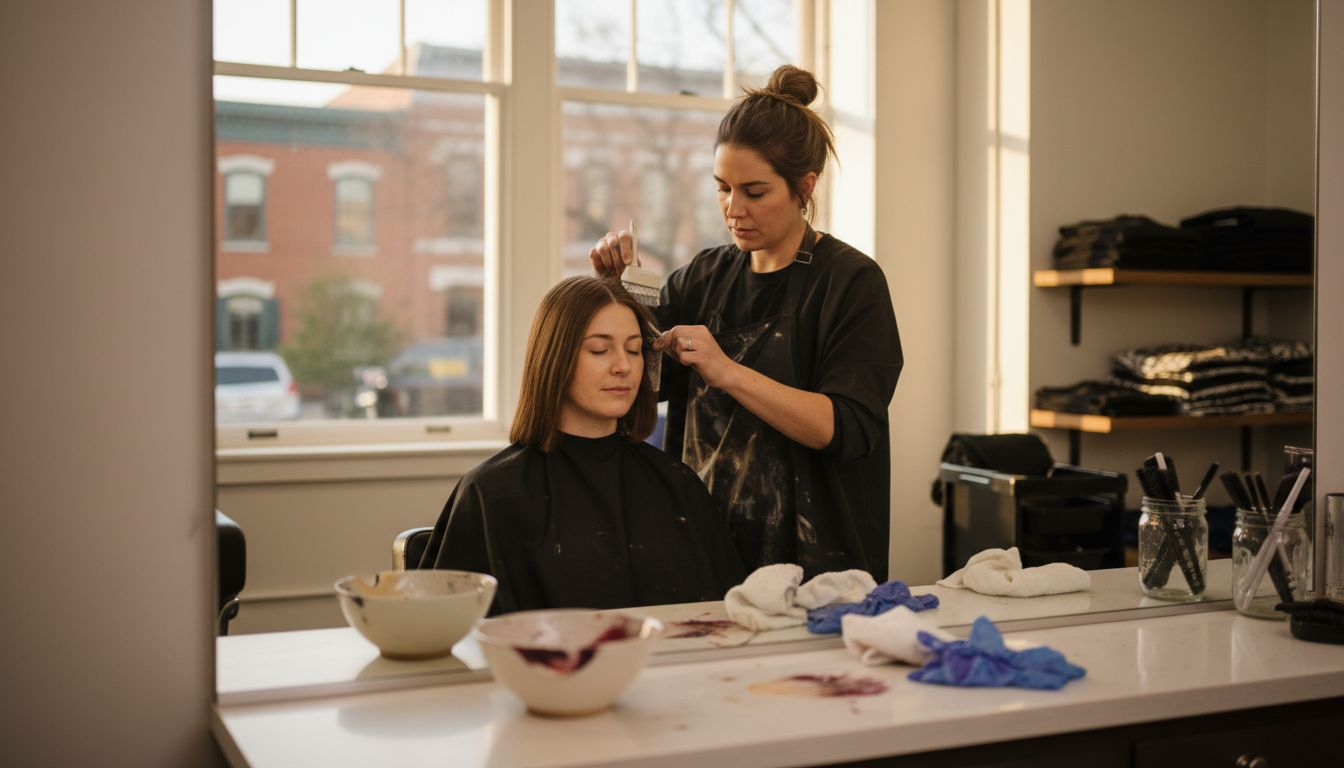
Conversely, ombre technique employs a more structured approach with clear horizontal color placement. The method creates a dramatic gradient effect, transitioning from dark roots to significantly lighter ends with a distinct color boundary. Stylists often use precise sectioning and foil techniques to maintain a bold, two-tone appearance that provides maximum color contrast. This technique allows for more dramatic color transformations, enabling clients to explore bolder, more graphic color statements.
Pro tip: Consult with a professional colorist to analyze your hair’s natural texture, underlying tones, and maintenance capacity to determine whether balayage’s subtle blending or ombre’s bold transition best suits your personal style and lifestyle.
Typical results and style variations
Hair color transformations through balayage and ombre offer a spectrum of visual expressions, each technique delivering unique aesthetic outcomes that cater to different personal styles and aesthetic preferences. The nuanced differences between these techniques create dramatically different visual impacts, allowing for extensive personalization.
Balayage typically produces a multi-tonal, sun-kissed dimension that maintains 80-90% of the natural base color, resulting in an organic, seamless color transition. This technique is particularly versatile, creating soft, natural-looking highlights that enhance hair’s natural movement and texture. Variations like foilayage and babylights allow for even more refined customization, enabling stylists to create subtle, intricate color patterns that look effortlessly natural.
Ombre, in contrast, delivers a more dramatic color transformation with its bold, graphic color gradient. The technique creates a striking two-toned effect, transitioning from darker roots to significantly lighter ends with a clear demarcation line. Style variations range from classic ombre to reverse ombre and even fantasy color interpretations, allowing for everything from subtle, soft transitions to bold, statement-making color shifts. These variations enable clients to experiment with color intensity, from understated elegance to head-turning, vibrant transformations.
Pro tip: Consider your lifestyle, hair maintenance commitment, and personal style when selecting between balayage and ombre, as each technique offers unique visual results and requires different levels of upkeep.
Maintenance needs and long-term costs
Choosing between balayage and ombre involves more than aesthetic preferences – it requires careful consideration of the financial investment and ongoing maintenance commitments associated with each hair coloring technique. Understanding the long-term care requirements can help you make a more informed decision that aligns with your lifestyle and budget.
Balayage offers a more low-maintenance coloring experience with touch-ups typically spaced 12-16 weeks apart. While the initial application may be more expensive due to the intricate, artistic technique required, the softer regrowth and blended color transitions mean fewer salon visits over time. This technique minimizes the visible grow-out process, allowing for a more forgiving and cost-effective approach to hair color maintenance. The surface-level application and natural-looking results mean you can extend time between professional color treatments.
Ombre, by contrast, presents a more structured maintenance challenge. The dramatic color gradient with its sharp contrast between roots and ends typically requires touch-ups every 8-12 weeks to maintain the intended visual effect. The more defined color transition means regrowth is more noticeable, potentially necessitating more frequent salon visits. Though the initial application might be less expensive, the ongoing maintenance can accumulate higher costs over time. Clients seeking this bold look should budget for more regular color refreshing to preserve the technique’s distinctive two-tone appearance.
Pro tip: Calculate your potential annual hair color budget by considering both the initial service cost and the frequency of required touch-ups, not just the upfront pricing.
Suitability by hair type and lifestyle
Selecting the perfect hair coloring technique requires a nuanced understanding of how different methods complement individual hair characteristics and personal lifestyle demands. The right choice goes beyond aesthetic preferences, encompassing practical considerations that impact daily hair management and overall style expression.
Balayage offers remarkable versatility across hair types and textures, making it an ideal option for individuals with diverse hair profiles. This technique works exceptionally well for wavy, curly, and straight hair, providing a natural, sun-kissed appearance that seamlessly blends with existing hair color. The subtle, hand-painted approach allows for customization that adapts to individual hair patterns, making it particularly attractive for those seeking a low-maintenance, effortlessly chic look that complements their natural hair movement.
Ombre, in contrast, demands more specific hair characteristics to achieve its dramatic visual impact. This technique truly shines on medium to long hair lengths, where the color gradient can be most dramatically displayed. It appeals to individuals with a bold personal style and the willingness to invest time in regular maintenance. The technique requires hair with sufficient length to create a clear, striking transition from dark roots to lighter ends, making it less suitable for shorter hairstyles or those seeking a more understated color transformation.
Pro tip: Schedule a professional consultation to assess your specific hair type, texture, and lifestyle to determine whether balayage or ombre will provide the most flattering and manageable color transformation.
To help you choose the right technique, here are key factors to consider:
| Factor | Balayage Best For | Ombre Best For |
|---|---|---|
| Lifestyle | Low-maintenance routines | Trend-focused individuals |
| Hair type | Wavy, curly, straight | Thick, medium to long strands |
| Personal style | Classic, understated looks | Bold, creative expressions |
Common mistakes and expert recommendations
Navigation through the intricate world of hair color transformations requires a keen understanding of potential pitfalls and strategic approaches that ensure optimal results. Professional colorists emphasize that technique and precision are paramount in achieving the desired aesthetic outcome while maintaining hair health and integrity.
Balayage techniques demand exceptional skill and attention to detail, with common mistakes often arising from improper application strategies. Inexperienced colorists may apply lightener too close to the roots, create uneven hand-painted sections, or fail to blend mid-length transitions, resulting in harsh, unnatural color demarcations. These errors can produce patchy highlights or oversaturated ends that compromise hair’s overall appearance and health. Successful balayage requires a nuanced understanding of color placement, strategic lightener application, and a sophisticated approach to creating seamless, dimensional color.
Ombre transformations present their own unique set of potential missteps, primarily centered around gradient blending and color transition precision. Novice colorists frequently struggle with creating smooth color gradients, often producing stark, abrupt lines that disrupt the intended visual flow. The most significant challenges include maintaining consistent color intensity, ensuring even fade transitions, and selecting complementary shades that enhance the hair’s natural tone. Professional colorists recommend thorough pre-treatment consultations, precise sectioning techniques, and the use of advanced bond-building treatments to minimize potential damage and achieve a flawless, sophisticated color result.
Pro tip: Always request to see a colorist’s portfolio and discuss their specific experience with balayage and ombre techniques before committing to a hair color transformation.
Master Your Perfect Hair Color with Expert Guidance at Joel C Ma Hair Studio
Choosing between balayage and ombre can feel overwhelming due to their distinct color techniques and maintenance needs. Whether you seek the subtle sun-kissed blend of balayage or the bold gradient of ombre, finding a personalized solution that suits your hair type, lifestyle, and style goals is essential. Joel C Ma Hair Studio understands the challenges of selecting the right technique and brings over 25 years of expert experience to help you achieve a flawless, customized look.

Discover how our skilled team uses advanced artistic techniques to deliver stunning balayage and ombre transformations tailored just for you. Don’t wait to experience the difference a professional consultation makes in ensuring your hair color complements your unique style while fitting your maintenance preferences. Visit us today at Joel C Ma Hair Studio to schedule your personalized color consultation and explore our full range of hair styling services. Your perfect hair color awaits.
Frequently Asked Questions
What is the difference between balayage and ombre?
Balayage is a freehand painting technique that creates a soft, natural gradation of color, while ombre features a more dramatic gradient that transitions from dark roots to significantly lighter ends.
How often should I schedule touch-ups for balayage and ombre?
Balayage typically requires touch-ups every 12-16 weeks, whereas ombre usually needs refreshing every 8-12 weeks due to its more defined color transitions.
Which technique is better for low-maintenance hair?
Balayage is generally considered more low-maintenance than ombre, as it allows for a softer regrowth and longer intervals between salon visits.
Can I choose either technique for any hair type?
While balayage is versatile and works well on various hair types, ombre is best suited for medium to long hair, making it less suitable for shorter styles.
Recommended
- How to Transition from Highlights to Balayage Beautifully – Joel C Ma Hair Studio
- 7 Expert Tips to Achieve Perfect Balayage for Brunettes – Joel C Ma Hair Studio
- What Is Balayage and Why It Transforms Hair Color – Joel C Ma Hair Studio
- Balayage for Beginners: Creating Natural, Sun-Kissed Hair – Joel C Ma Hair Studio