
How to prevent split ends: expert hair care guide 2026
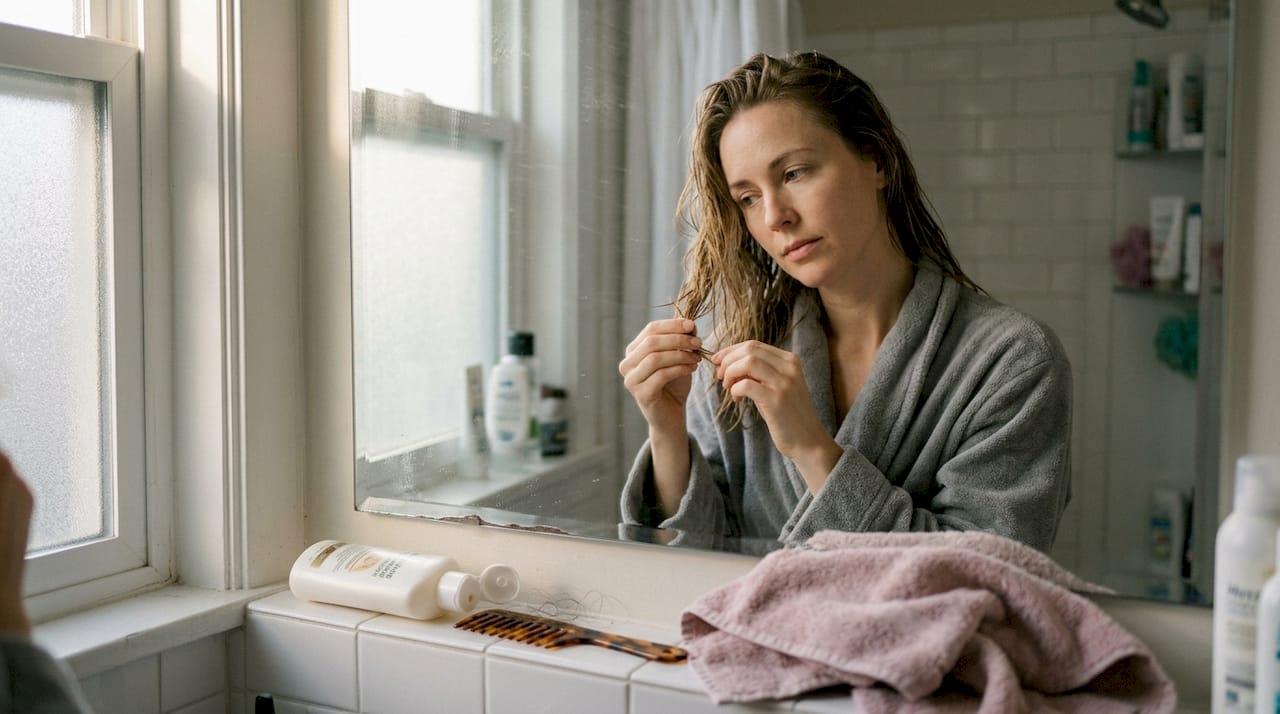
You trim regularly, condition faithfully, and still notice those telltale frayed ends. Split ends are one of the most frustrating hair concerns women face, undermining months of growth and care. The good news? Preventing split ends isn’t about expensive miracle products or complicated routines. It’s about understanding what causes damage and implementing expert-backed habits that protect your hair from root to tip. This guide reveals the science-backed strategies that keep your hair healthy, strong, and split-free, combining professional insights with practical daily techniques you can start using today.
Table of Contents
- Understanding What Causes Split Ends
- Preparing Your Hair Care Routine To Prevent Split Ends
- Executing Split End Prevention: Practical Habits And Expert Styling Tips
- Innovative Product Ingredients Targeting Split End Repair And Prevention
- Experience Expert Hair Care Services In La Jolla
- FAQ
Key takeaways
| Point | Details |
|---|---|
| Regular trims prevent progression | Trimming every 6-8 weeks stops splits from traveling up the hair shaft |
| Gentle handling protects cuticles | Wide-tooth combs, silk pillowcases, and careful detangling reduce mechanical stress |
| Heat and chemical protection essential | Protectants and temperature limits below 320°F minimize cuticle and cortex damage |
| Environmental shields maintain strength | UV products, hats, and post-swim rinses guard against sun, wind, and chlorine degradation |
| Products seal temporarily, habits last | Ingredients help but cannot replace consistent prevention routines and professional trims |
Understanding what causes split ends
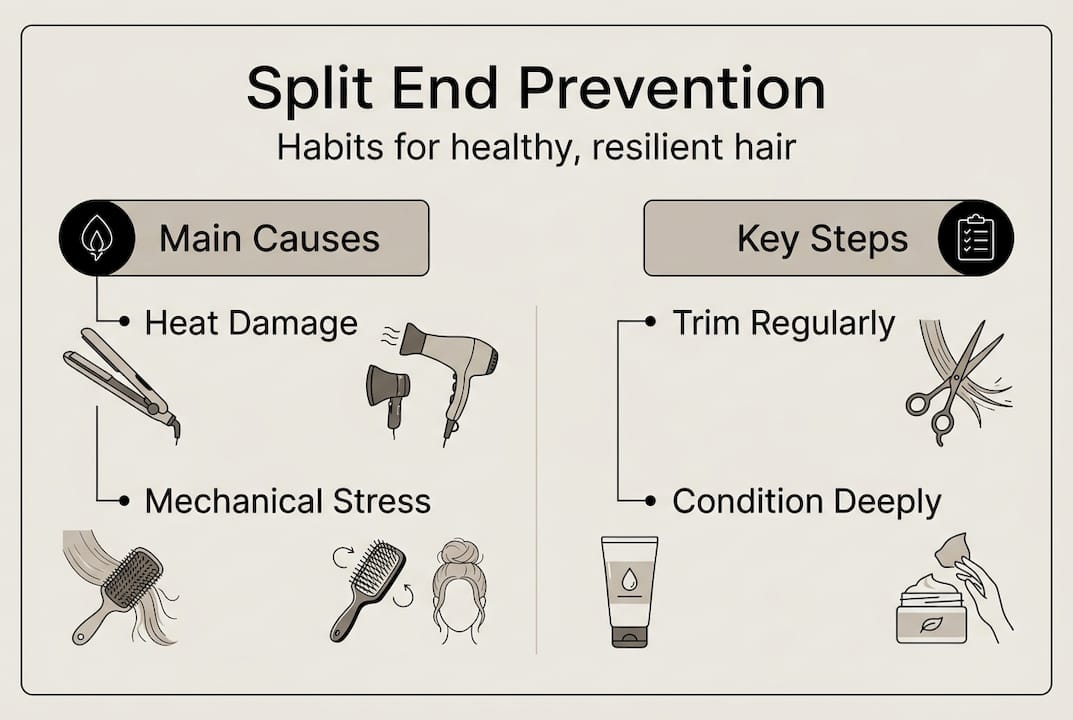
Before you can prevent split ends effectively, you need to understand the multiple factors that create them. Split ends result from mechanical stress, heat exposure, chemical treatments, and environmental factors causing cuticle and cortex damage. Your hair is remarkably resilient, but daily activities slowly compromise its structure.
Mechanical stress tops the list of culprits. Every time you brush aggressively, tie your hair too tightly, or sleep on rough cotton pillowcases, you create microscopic cracks in the hair fiber. These tiny fractures accumulate over weeks and months, eventually splitting the hair shaft completely. The friction from clothing, especially winter scarves and high collars, adds to this wear.
Heat styling tools deliver another devastating blow to hair integrity. Flat irons, curling wands, and blow dryers weaken both the protective cuticle layer and the inner cortex structure. When temperatures exceed safe limits, the protein bonds holding your hair together literally break down. This thermal damage makes hair brittle and prone to splitting at the weakest points.
Chemical treatments compound the problem significantly. Hair coloring, bleaching, perming, and relaxing all alter your hair’s natural structure. When you overlap these processes or don’t allow adequate recovery time between treatments, you strip away protective oils and weaken protein bonds. The result? Hair that splits easily and breaks off unpredictably.
Environmental factors silently erode hair strength every single day:
- UV radiation from sun exposure degrades protein structures and fades protective pigments
- Wind creates tangles and friction that stress hair fibers mechanically
- Chlorine from pools strips natural oils and oxidizes hair proteins
- Dry air and low humidity pull moisture from hair shafts, making them brittle
- Pollution particles coat hair and create abrasive surfaces that damage cuticles
Understanding these causes empowers you to reduce hair breakage naturally by targeting the specific stressors affecting your hair type and lifestyle.
Preparing your hair care routine to prevent split ends
Prevention starts long before damage becomes visible. Building protective habits into your daily routine creates a shield against the stressors that cause splits. Use heat protectants and limit styling below 320°F to minimize damage, and practice gentle detangling with a wide-tooth comb starting from the ends. These foundational steps make an enormous difference in long-term hair health.
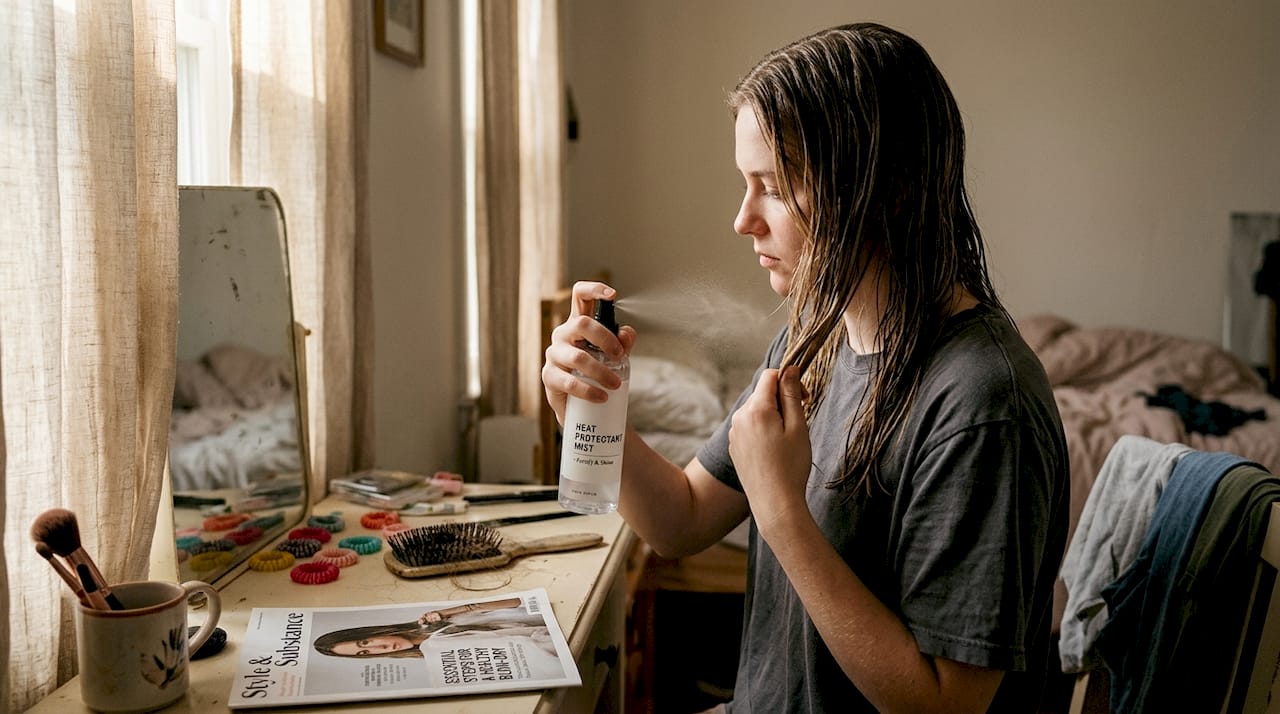
Heat protection deserves your immediate attention. Apply a quality heat protectant spray or serum to damp hair before any thermal styling. These products create a barrier that absorbs some of the heat before it reaches your hair shaft. Set your tools to the lowest effective temperature, ideally staying below 320°F for fine hair and below 350°F for thicker textures. Better yet, embrace air-drying whenever your schedule allows. Your hair repairs itself more effectively when given regular breaks from heat exposure.
Detangling technique matters more than most people realize. Always start at the ends and work upward in small sections, never ripping through knots from roots to tips. A wide-tooth comb or specialized detangling brush distributes stress more evenly across hair strands. Detangle when hair is damp and coated with conditioner for maximum slip and minimum breakage. This simple shift in approach can dramatically protect hair during styling.
Your sleep environment creates hours of friction every night. Silk or satin pillowcases allow hair to glide smoothly as you move, unlike cotton which grabs and tugs at individual strands. Similarly, swap elastic hair ties for silk scrunchies or spiral hair ties that don’t create pressure points. These small investments pay dividends in reduced mechanical damage over time.
Environmental protection requires proactive measures. Protect from UV, wind, and chlorine with hats, UV products, and post-swim rinses to maintain hair strength and elasticity. Wear a wide-brimmed hat during extended sun exposure, especially at the beach or pool. Apply leave-in conditioners with UV filters before outdoor activities. After swimming, rinse hair immediately with fresh water to remove chlorine and salt residue before it penetrates the hair shaft.
Pro Tip: Create a weekly deep conditioning ritual where you apply a rich mask, cover with a shower cap, and let it penetrate for 20 to 30 minutes. This intensive moisture boost helps maintain the elasticity that prevents splits from forming in the first place.
| Protection Type | Application | Frequency | Key Benefit |
|---|---|---|---|
| Heat protectant | Before blow-drying or styling | Every heat session | Shields from thermal damage |
| UV hair products | Before sun exposure | Daily in summer | Prevents protein degradation |
| Deep conditioning | After shampooing | Weekly | Restores moisture and elasticity |
| Silk accessories | At bedtime | Nightly | Reduces friction damage |
Nutrition plays a supporting role in hair resilience. Adequate protein, biotin, and omega-3 fatty acids support the internal structure that resists splitting. While topical treatments work from the outside, proper nutrition strengthens hair from within. Combining both approaches creates the most comprehensive prevention strategy.
These preparatory steps work together synergistically. Each habit reinforces the others, creating multiple layers of protection against the daily stressors your hair faces. When you protect your hair from sun damage and minimize heat exposure while improving your detangling technique, you address damage from multiple angles simultaneously. This comprehensive approach delivers results that single interventions simply cannot match.
Executing split end prevention: practical habits and expert styling tips
Knowing what to do means nothing without consistent execution. Integrating expert habits into your daily routine transforms theoretical knowledge into visible results. The most critical habit? Regular trims every 6-8 weeks are the only permanent fix, as products seal temporarily but cannot repair splits once they form.
Follow this trimming protocol for optimal results:
- Schedule appointments every 6 to 8 weeks without exception, even if growth seems minimal
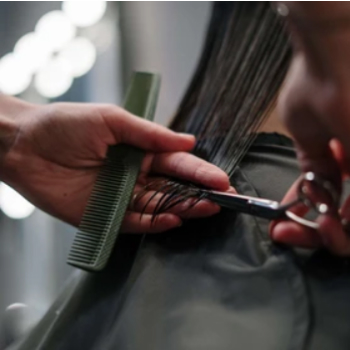
- Request dusting or micro-trims that remove only damaged ends, preserving length
- Communicate your growth goals clearly so your stylist balances health with length retention
- Between trims, inspect ends weekly and snip any visible splits immediately to prevent upward travel
- Track your optimal trimming frequency based on how quickly damage appears in your specific hair type
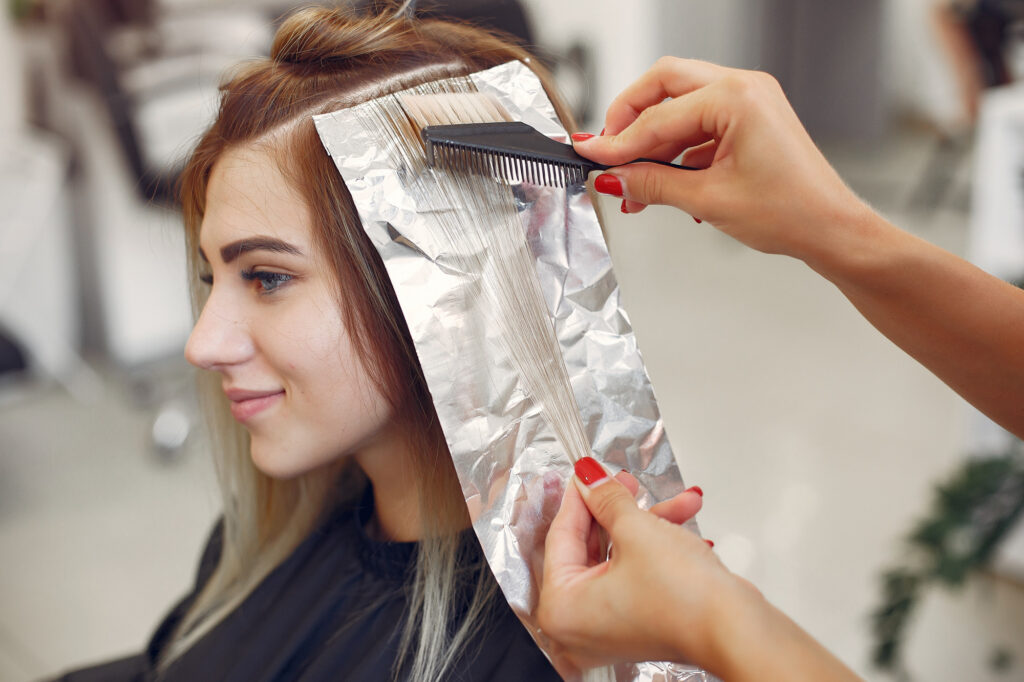
Chemically treated hair demands extra vigilance and modified care. Avoid overlapping chemical processes to minimize severe damage, and use salon keratin or gloss treatments to strengthen chemically treated hair. Space color appointments at least 6 weeks apart, and never bleach over previously bleached sections without professional guidance. When you must use chemicals, apply rich conditioners before and after treatments to buffer the damage.
Professional strengthening treatments bridge the gap between chemical services. Keratin treatments smooth the cuticle and add a protective coating that lasts weeks. Gloss treatments seal the cuticle and add shine while minimizing porosity. These salon services don’t prevent splits entirely, but they significantly reduce the rate at which damage accumulates on processed hair.
Your daily handling technique directly impacts split end formation:
- Avoid brushing wet hair when it’s most vulnerable to stretching and breaking
- Use only seamless, smooth hair accessories without metal parts that snag
- Never twist or wring hair to remove excess water after washing
- Blot gently with a microfiber towel instead of rubbing vigorously
- Minimize touching and playing with hair throughout the day
Protective styling offers powerful prevention for curly, textured, or long hair. Braids, buns, and twists keep ends tucked away from friction and environmental exposure. These styles reduce the mechanical stress that creates internal splits before they become visible. However, ensure protective styles aren’t too tight, as tension damage can be worse than leaving hair loose.
Pro Tip: If you notice splits forming faster than your trim schedule, examine your styling habits rather than just increasing trim frequency. Often, a single damaging habit like aggressive brushing or excessive heat is the culprit that needs correction.
| Prevention Method | Primary Benefit | Limitation | Best For |
|---|---|---|---|
| Regular trims | Permanently removes splits | Reduces length temporarily | All hair types |
| Protective styling | Minimizes mechanical stress | Can cause tension damage if too tight | Long or textured hair |
| Sealing products | Temporarily bonds split fibers | Does not repair underlying damage | Between trims |
| Heat-free styling | Eliminates thermal damage | Requires more time and planning | Fine or damaged hair |
Conditioners deserve special attention in your prevention routine. They reduce friction during combing and styling, allowing hair to glide past itself rather than catching and tearing. Apply conditioner from mid-shaft to ends, never at the roots where it can weigh hair down. Leave it on for at least 2 minutes to allow ingredients to penetrate the cuticle.
Curly and coily hair types require modified approaches. These textures naturally have more bends and curves where splits tend to form. Extra gentle detangling techniques become non-negotiable. Section hair into manageable pieces and work through each one methodically with your fingers or a wide-tooth comb. Never rush this process, as hurried detangling creates more damage than any other single factor for textured hair.
Long hair faces unique challenges because ends are older and have endured more cumulative damage. If your hair reaches past your shoulders, consider protective styles for daily wear and reserve wearing it down for special occasions. This approach dramatically reduces the friction and environmental exposure that ages ends prematurely. Many women find that adopting this strategy allows them to grow hair longer than ever before possible.
Innovative product ingredients targeting split end repair and prevention
Modern hair care science has developed sophisticated ingredients that work at the molecular level to prevent and temporarily repair split ends. While these innovations cannot replace regular trims, they significantly extend the time between cuts and improve overall hair quality. N-acyl amino acids, gamma-polyglutamic acid, and lipid-soluble esters target hair cuticle and cortex repair and prevention through distinct mechanisms.
N-acyl amino acids function as building blocks that help restore damaged cuticle layers. These molecules penetrate the hair shaft and bind to damaged protein sites, essentially filling in gaps where the cuticle has eroded. When applied regularly, they create a smoother surface that resists further splitting. Products containing these ingredients work best when used after every wash as part of your leave-in routine.
Gamma-polyglutamic acid represents a breakthrough in moisture retention technology. This ingredient holds significantly more water than traditional humectants like glycerin, keeping hair hydrated even in challenging environmental conditions. Proper hydration maintains the elasticity that allows hair to bend without breaking. When hair loses moisture, it becomes brittle and snaps easily under stress. This ingredient prevents that brittleness from developing in the first place.
Lipid-soluble esters take a different approach by reinforcing the internal cortex structure. Unlike surface treatments that only address the cuticle, these molecules penetrate deeply into the hair shaft. They strengthen the protein matrix from within, making hair more resistant to the mechanical and chemical stresses that cause splitting. Think of them as internal scaffolding that supports hair structure.
When shopping for prevention products, look for these ingredients on labels:
- Lauroyl glutamate or myristoyl glutamate (N-acyl amino acids)
- Gamma-PGA or polyglutamic acid (moisture retention)
- Cetyl esters or behenyl esters (cortex reinforcement)
- Hydrolyzed proteins (keratin, silk, wheat) for surface repair
- Ceramides and cholesterol for lipid barrier restoration
Modern formulations often combine multiple technologies for comprehensive protection. A quality leave-in treatment might include amino acids for cuticle repair, polyglutamic acid for hydration, and plant oils for additional lipid protection. These multi-functional products deliver better results than single-ingredient solutions.
Remember that even the most advanced ingredients cannot reverse splits once they fully form. Products excel at prevention and can temporarily bond split fibers to prevent further travel up the shaft. Use them consistently as part of your hair repair routine, but maintain realistic expectations about their capabilities. They complement professional trims rather than replacing them.
The effectiveness of these ingredients depends heavily on application technique and frequency. Apply products to damp hair when the cuticle is slightly open and more receptive to penetration. Distribute evenly from mid-shaft to ends, ensuring complete coverage. Reapply daily or after each wash for continuous protection. Sporadic use delivers minimal benefits compared to consistent application.
Experience expert hair care services in La Jolla
Preventing split ends at home works best when supported by professional expertise. At Joel C Ma Hair Studio, we combine over 25 years of experience with personalized care plans designed for your unique hair type and lifestyle. Our expert haircuts maintain optimal hair health while achieving your style goals, and our team understands exactly how much to trim for maximum health with minimum length loss.

We offer customized styling services that adapt to your specific needs, whether you have chemically treated hair requiring extra care or natural texture needing specialized techniques. Our stylists provide expert guidance on heat protection strategies tailored to your styling preferences, ensuring you can achieve your desired look without compromising hair integrity. Combining professional salon care with the at-home habits you’ve learned creates the healthiest, most beautiful hair possible. Book a consultation today to develop your personalized split end prevention and styling plan.
FAQ
How often should I trim my hair to effectively prevent split ends?
Trimming every 6 to 8 weeks is optimal for preventing split ends from progressing up the hair shaft. This frequency removes damage before it worsens while maintaining your desired length. If you use heat styling daily or have chemically treated hair, you may need trims closer to the 6-week mark, while those with minimal styling can extend to 8 weeks.
Can products restore split ends permanently without trimming?
Products can temporarily seal or camouflage split ends but cannot permanently fix them once the hair fiber has separated. Only trimming removes split ends completely and prevents the damage from traveling upward. Use serums and treatments as complementary care to extend time between trims and prevent new splits from forming, but don’t rely on them as substitutes for regular cuts.
What daily hair care habits help minimize split ends?
Use gentle detangling techniques starting at hair ends with a wide-tooth comb, and limit heat styling while always applying protectants. Sleep on silk or satin pillowcases to reduce friction overnight, and wear protective hairstyles that minimize mechanical stress. These daily practices significantly reduce the rate at which splits form, especially when combined with UV protection during sun exposure.
How can chemically treated hair avoid split ends?
Avoid overlapping chemical processes by spacing treatments at least 6 weeks apart to reduce cumulative damage. Incorporate salon keratin and gloss treatments to strengthen hair between color services, and use rich conditioners before and after chemical applications. Practice extra gentle detangling and styling for treated hair, and consult with professionals about customized care plans that balance your color goals with hair health maintenance.