
Hair colorist expert guide: personalized color in La Jolla
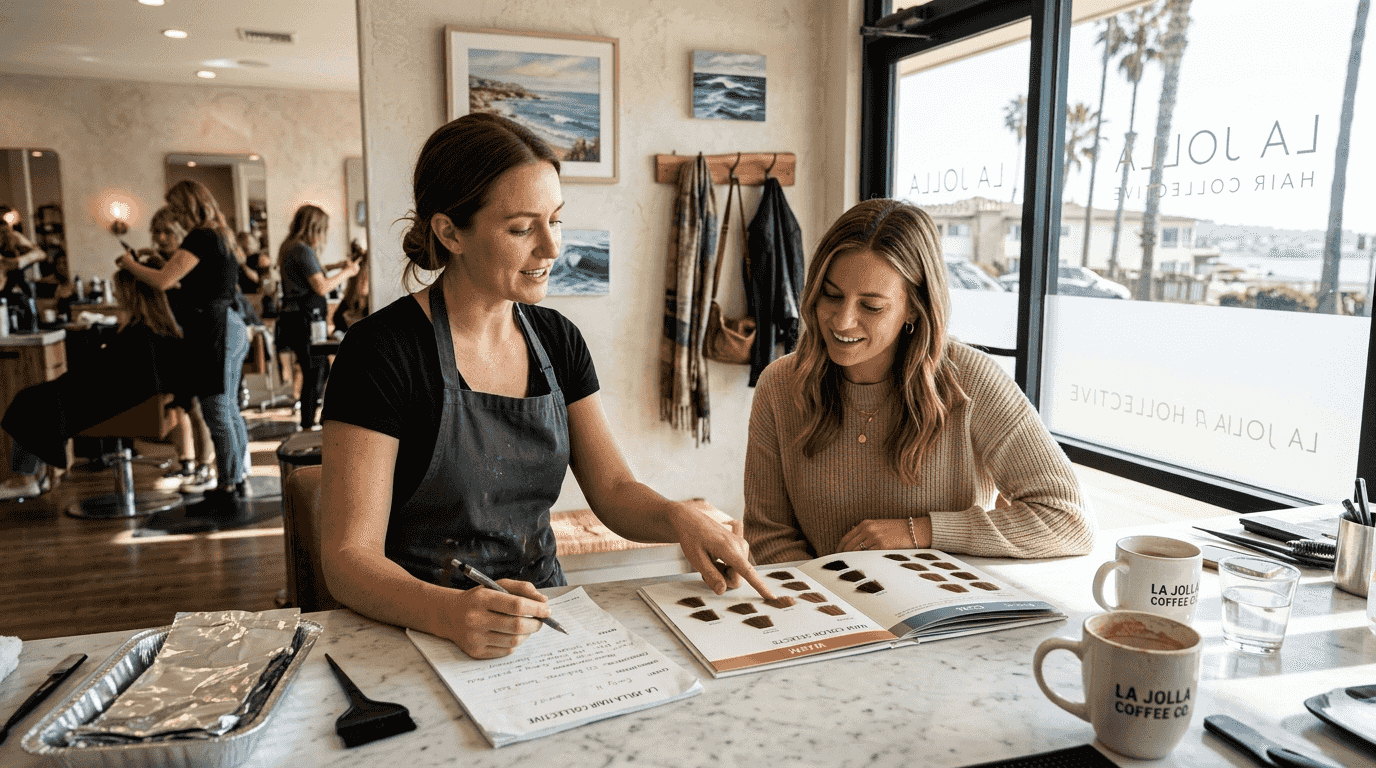
Many people think hair coloring is just about picking a shade and applying it. In reality, achieving stunning, healthy color requires deep expertise in hair biology, personalized consultations, and advanced techniques. A professional hair colorist evaluates your unique hair porosity, condition, and lifestyle to create a custom color plan that enhances your look while protecting hair integrity. This guide reveals how expert colorists in La Jolla deliver personalized, high-end services that go far beyond surface-level transformations.
Table of Contents
- Why Personalized Consultations Are The Foundation Of Expert Hair Coloring
- Understanding Hair Porosity And Condition: Key Factors In Color Application
- Advanced Coloring Techniques And Trends Tailored To Unique Hair Needs
- Ensuring Safe, Lasting Results: Expert Colorist Care And Maintenance Advice
- Experience Expert Personalized Hair Color Services In La Jolla
- Frequently Asked Questions
Key takeaways
| Point | Details |
|---|---|
| Personalized consultations | Clients receiving personalized consultations report 30% higher satisfaction by tailoring color to hair history and goals. |
| Hair porosity matters | Understanding porosity ensures even color absorption and prevents damage or rapid fading. |
| Advanced techniques | Balayage, ombré, and AirTouch offer customized, natural-looking results suited to individual hair types. |
| Safe maintenance practices | Color-safe products and expert aftercare extend vibrancy and protect hair health long-term. |
| Expert assessment | Professional colorists evaluate strand tests and condition to minimize risk and maximize results. |
Why personalized consultations are the foundation of expert hair coloring
A thorough consultation transforms hair coloring from guesswork into a science-backed art. Your colorist reviews your hair history, including past chemical treatments, heat styling habits, and any previous color mishaps. This background shapes every decision, from pigment selection to processing time. Assessing hair porosity, elasticity, and current condition prevents uneven results and damage that plague DIY attempts.
Clients receiving personalized consultations report 30% higher satisfaction because the process aligns expectations with realistic outcomes. During the consultation, your colorist discusses lifestyle factors like swim frequency, sun exposure, and styling routines. These details influence color longevity and maintenance requirements. Setting realistic expectations upfront avoids disappointment and builds trust.
Strand tests during consultations preview how your hair reacts to specific formulas. This small step reveals processing speed, color uptake, and potential sensitivities before committing to a full application. Skipping this test risks patchy color or unexpected tones. Pro Tip: Always request a strand test during your consultation to preview color results and check hair resilience before full application.
Consultations also explore your desired look through visual references and color theory discussions. Your colorist explains how undertones, skin tone, and eye color interact with different shades. This collaborative approach ensures the final color flatters your features and matches your vision. The investment in consultation time pays off with results that feel custom-made, not cookie-cutter.
“Understanding your hair’s unique characteristics before coloring is the difference between a beautiful transformation and a costly correction.”
Key consultation elements include:
- Detailed hair history and prior treatment review
- Porosity and elasticity assessment through touch and visual inspection
- Lifestyle and maintenance discussion to set realistic care expectations
- Strand testing to preview color behavior and processing needs
- Visual reference analysis to align desired outcomes with achievable results
Understanding hair porosity and condition: key factors in color application
Hair porosity determines how quickly your hair absorbs and retains color pigment. Low porosity hair has tightly sealed cuticles that resist moisture and color penetration. This hair type requires longer processing times and sometimes heat to open cuticles for pigment entry. Without proper technique, color may sit on the surface rather than bonding internally, leading to rapid fading.
Medium porosity represents the ideal balance. Cuticles open and close predictably, allowing even color absorption and excellent retention. This hair type responds well to most coloring techniques and maintains vibrancy with standard care. Most healthy, untreated hair falls into this category, making color services straightforward and reliable.
Hair porosity significantly impacts color absorption with high porosity over-absorbing pigment and releasing it quickly. High porosity hair has lifted or damaged cuticles from chemical treatments, heat styling, or environmental stress. While it accepts color rapidly, it also loses pigment faster through washing and environmental exposure. This hair type requires gentler formulas and intensive conditioning to prevent further damage.
| Porosity Level | Color Absorption Speed | Retention Quality | Recommended Approach |
| — | — | — |
| Low | Slow, requires longer processing | Excellent once absorbed | Use heat or pre-treatment to open cuticles |
| Medium | Predictable, even uptake | Very good with standard care | Standard processing, routine maintenance |
| High | Rapid, sometimes uneven | Poor, fades quickly | Gentle formulas, protein treatments, frequent toning |
Strand tests reveal your hair’s porosity level by showing how quickly it absorbs color and how the pigment settles. Your colorist observes whether color penetrates evenly or concentrates in damaged areas. This information guides formula adjustments, processing time, and aftercare recommendations. Ignoring porosity leads to brassy tones, uneven saturation, or excessive damage.
Pro Tip: Tailoring your hair care routine to your porosity type improves color longevity and hair softness between salon visits. Understanding your hair’s porosity empowers you to choose appropriate hair color options that work with your hair’s natural characteristics.
Porosity considerations include:
- Low porosity needs pre-treatment and heat to accept color effectively
- Medium porosity offers predictable, reliable color results with minimal special handling
- High porosity requires protein treatments and gentler formulas to prevent over-processing
- Regular porosity assessments track hair condition changes over time
- Customized product recommendations maintain color vibrancy based on porosity type
Advanced coloring techniques and trends tailored to unique hair needs
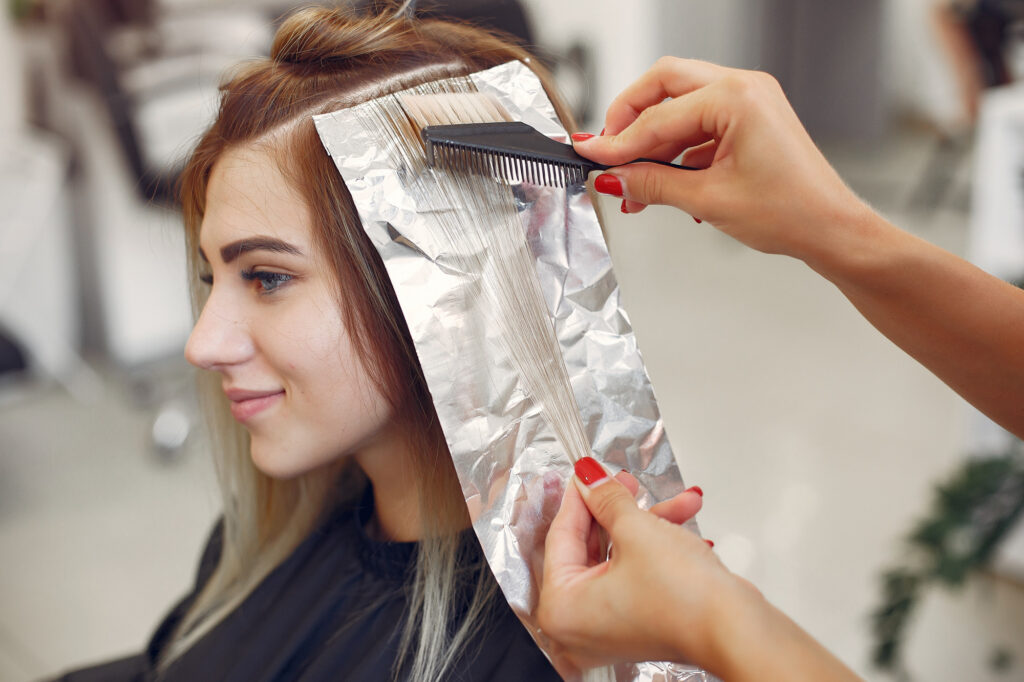
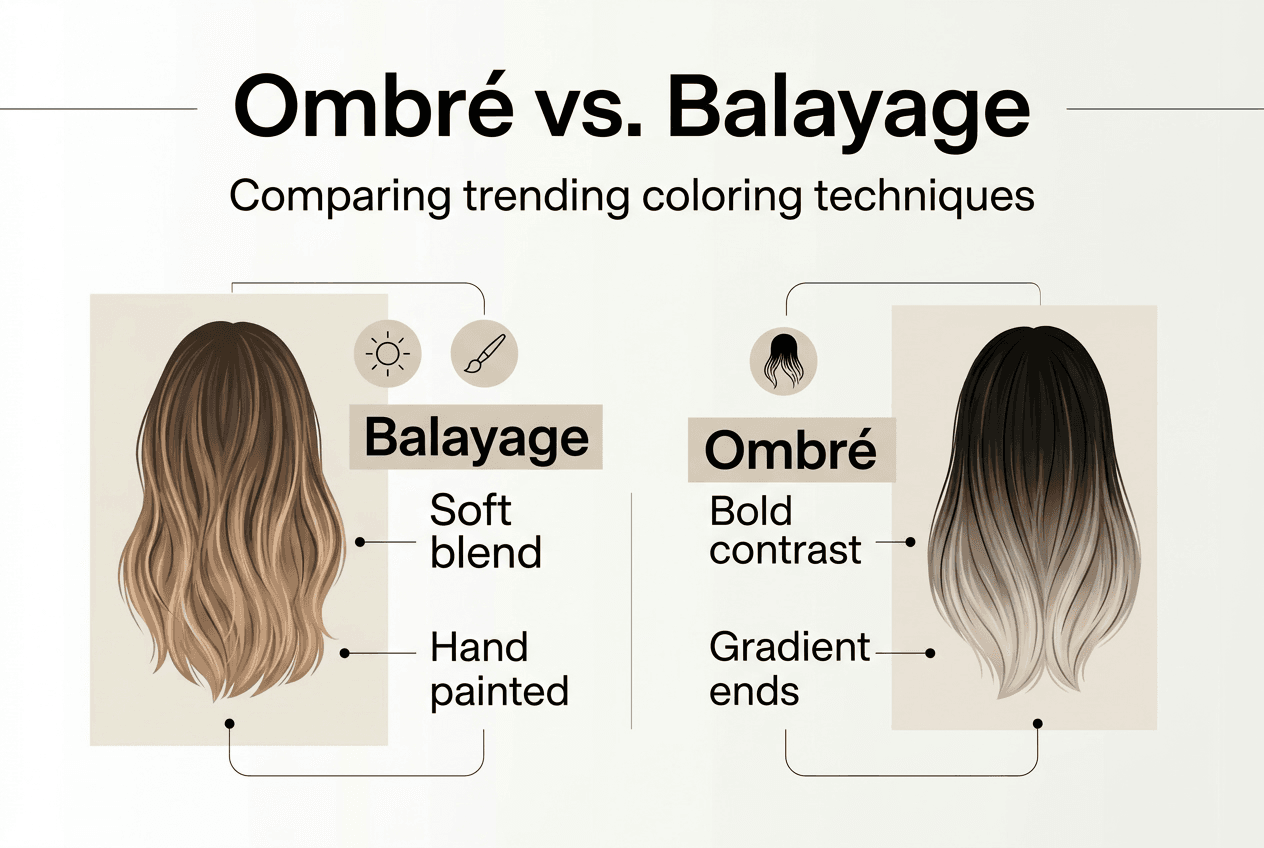
Balayage creates natural, sun-kissed highlights through hand-painted color application. This technique offers soft, blended transitions without harsh lines, mimicking how sunlight naturally lightens hair. Balayage suits clients seeking low-maintenance color that grows out gracefully. The customizable placement flatters face shapes and enhances hair movement, making it ideal for busy lifestyles.
Ombré delivers dramatic gradient effects from darker roots to lighter ends. This bold technique creates striking contrast and visual interest, perfect for clients wanting statement color. While ombré requires more frequent toning to maintain vibrancy, the defined transition line offers creative flexibility. The technique works beautifully on medium to long hair where the gradient has space to develop.
Shatush provides soft, diffused lightening through backcombing and freehand application. This Italian technique creates subtle dimension without foils, resulting in an effortless, lived-in look. Shatush excels at adding brightness around the face while maintaining depth at the roots. The gentle approach minimizes damage, making it suitable for finer or more fragile hair types.
AirTouch uses controlled airflow to separate hair strands before coloring, ensuring only the strongest hairs receive color. This innovative technique reduces damage risk and creates incredibly natural results. The method takes longer but delivers superior blending and dimension. AirTouch suits clients with mixed hair textures or those recovering from previous color damage.
Choice of coloring technique balances desired expressiveness and permissible hair damage, requiring expert assessment of hair condition and client goals. Interest in lighting transitions has surged 48% as clients seek personalized color that reflects their individuality. Your colorist matches technique to your hair porosity, curl pattern, and maintenance commitment.
| Technique | Visual Impact | Maintenance Level | Damage Risk | Ideal Hair Type |
|---|---|---|---|---|
| Balayage | Natural, sun-kissed highlights | Low, grows out softly | Minimal | All types, especially wavy |
| Ombré | Bold gradient, high contrast | Medium, needs toning | Moderate | Medium to long, straight or wavy |
| Shatush | Soft, diffused lightening | Low, subtle regrowth | Minimal | Fine or fragile hair |
| AirTouch | Ultra-natural dimension | Low, seamless growth | Very low | Mixed textures, damaged hair |
Technique selection factors include:
- Hair porosity and elasticity determine safe processing limits
- Curl type affects color placement and blending strategies
- Lifestyle and styling habits influence maintenance feasibility
- Desired contrast level guides technique choice between subtle and bold
- Previous color history impacts which methods work safely
Exploring the differences between ombré and balayage helps you visualize which technique aligns with your style preferences and hair characteristics.
Ensuring safe, lasting results: expert colorist care and maintenance advice
Safe color application respects your hair’s biological limits. For highly porous curls, tone lift should not exceed two to three levels to prevent elasticity loss and breakage. Pushing beyond this threshold compromises curl pattern and causes irreversible damage. Your colorist evaluates strand strength before determining safe lightening levels, prioritizing hair health over aggressive color changes.
Bond-building treatments during color services remain debated among professionals. The use of bond-building treatments depends on hair condition and the specific chemical process being performed. These treatments work by reconnecting broken disulfide bonds, theoretically reducing damage. However, they add cost and processing time without guaranteed benefits for all hair types. Your colorist assesses whether your hair genuinely needs this intervention or if standard conditioning suffices.
Post-color care directly impacts how long your color stays vibrant and your hair remains healthy. Switching to sulfate-free, color-safe shampoos prevents premature pigment stripping. These gentler formulas clean effectively without harsh detergents that open cuticles and release color molecules. Washing less frequently, ideally every two to three days, extends color life significantly.
Heat protection becomes non-negotiable after coloring. Thermal tools combined with color-treated hair accelerate damage and fading. Always apply heat protectant before blow-drying or styling, and reduce tool temperatures when possible. Air-drying occasionally gives your hair a break from thermal stress.
Pro Tip: Regularly update your hair care routine based on your hair condition and porosity to sustain color vibrancy and hair health between salon visits. Environmental factors like chlorine, saltwater, and UV exposure fade color rapidly. Wear protective styles or hats during extended sun exposure, and rinse hair immediately after swimming. Pre-saturating hair with clean water before swimming reduces chemical absorption.
Follow-up consultations every six to eight weeks maintain color integrity and address any concerns. Your colorist tracks how your hair responds to color over time, adjusting formulas and techniques as needed. This ongoing relationship ensures consistently beautiful results and catches potential issues before they become problems. Learning about signature coloring techniques helps you communicate preferences during follow-up visits.
Essential maintenance practices include:
- Use sulfate-free, color-safe shampoos and conditioners formulated for treated hair
- Limit heat styling and always apply thermal protection products beforehand
- Protect hair from chlorine, saltwater, and prolonged sun exposure with barriers
- Schedule regular toning sessions to neutralize brassiness and refresh color
- Deep condition weekly to restore moisture and strengthen color-treated strands
Experience expert personalized hair color services in La Jolla
Your hair deserves the artistry and expertise that comes from decades of experience and continuous education. At Joel C Ma Hair Studio, we transform hair coloring into a personalized journey that honors your unique hair characteristics and style vision. Our in-depth consultations ensure every color decision protects your hair’s integrity while delivering stunning results.
Our team specializes in signature coloring techniques that balance creativity with hair health, from subtle balayage to bold transformations. We provide customized product recommendations, including premium color-safe shampoos, to maintain your color’s vibrancy at home. Whether you’re exploring new shades or perfecting your current look, our expert color guidance ensures confident, beautiful outcomes. Book your personalized consultation today and discover what truly expert hair color services can achieve for your unique hair needs.
Frequently asked questions
What does a hair color consultation involve?
A comprehensive consultation reviews your complete hair history, including previous color treatments, chemical services, and heat styling patterns. Your colorist assesses current hair condition, porosity, and elasticity through visual inspection and touch. The discussion covers your lifestyle factors, maintenance willingness, and specific color goals using visual references. Strand tests preview how your hair will react to proposed formulas, ensuring safe, predictable results. This thorough evaluation creates a customized color plan that flatters your features while respecting your hair’s biological limits. Learn more about consultation benefits for personalized styling outcomes.
How do hair porosity levels affect hair coloring?
Low porosity hair resists color penetration due to tightly sealed cuticles, requiring longer processing times or heat application for adequate pigment absorption. Medium porosity accepts and retains color predictably with standard techniques and minimal special handling. High porosity hair absorbs color rapidly but releases it quickly through washing and environmental exposure, often resulting in faster fading and requiring gentler formulas with intensive conditioning. Your colorist tailors color application methods, processing times, and product selections based on your specific porosity level to optimize results and minimize damage. Understanding your porosity helps you make informed decisions when you pick hair color options.
What are the benefits of professional hair coloring techniques like balayage or ombré?
Professional techniques like balayage and ombré offer natural-looking, customized color gradients that complement individual hair types, face shapes, and lifestyles. These methods provide dimensional color that grows out gracefully, reducing maintenance frequency compared to traditional highlights. Expert application minimizes damage by strategically placing color only where needed and using appropriate processing times. The techniques require specialized training to execute properly, ensuring even saturation, seamless blending, and predictable results that DIY attempts cannot replicate. Discover the nuanced differences between ombré and balayage to determine which suits your style.
How can I maintain my hair color and health after a salon visit?
Use sulfate-free, color-safe shampoos and conditioners specifically formulated for color-treated hair to prevent premature pigment stripping. Wash hair every two to three days rather than daily to extend color vibrancy and reduce cuticle stress. Apply heat protectant products before any thermal styling and lower tool temperatures to minimize damage. Protect hair from chlorine, saltwater, and UV exposure by wearing protective styles, using leave-in treatments, or rinsing immediately after swimming. Deep condition weekly and schedule regular toning sessions every six to eight weeks to neutralize brassiness and refresh color intensity. Explore recommended shampoos for colored hair to find products that work for your specific color and hair type.
Recommended
- Hair Coloring FAQs: Expert Insights for La Jolla Women – Joel C Ma Hair Studio
- Luxury Hair Color Corrections in La Jolla: Expert Solutions for Every Style – Joel C Ma Hair Studio
- Best Hair Color for Men: Stylish Looks in La Jolla – Joel C Ma Hair Studio
- How to Pick Hair Color: Expert Steps for Stunning Results – Joel C Ma Hair Studio