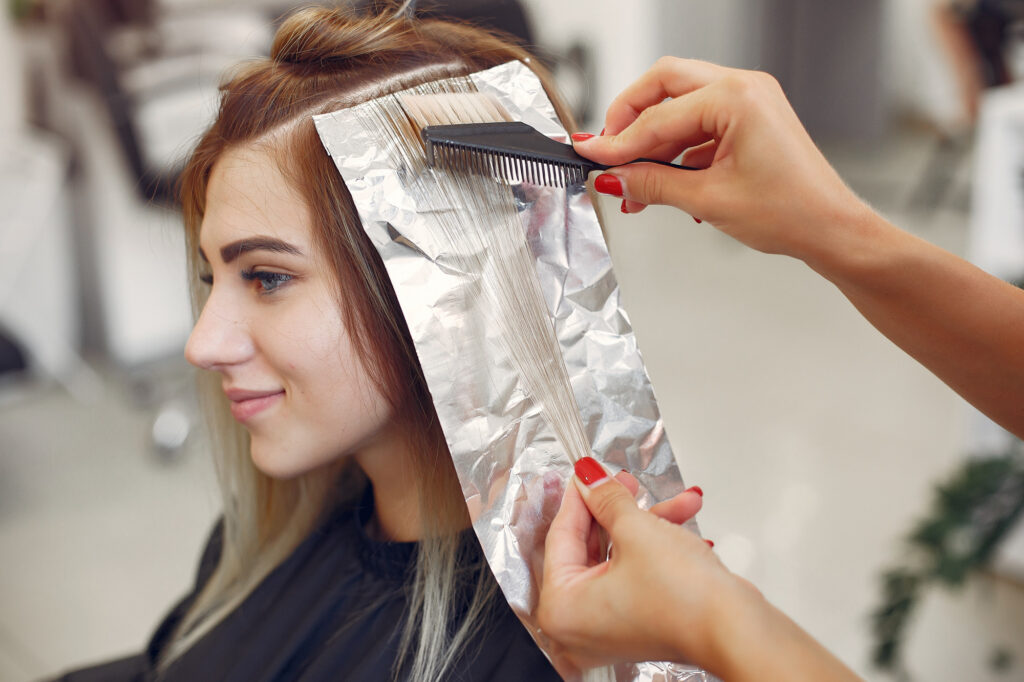

Expert hair care tips for salon-quality style at home

TL;DR:
- Knowing your hair’s texture, porosity, and thickness guides personalized hair care routines.
- Professional-grade products with higher concentration levels provide better, longer-lasting results.
- Customized styling and maintenance routines help preserve color, manage thick or curly hair, and ensure confident, vibrant hair daily.
Keeping your hair looking freshly styled between salon visits is one of the biggest challenges for anyone serious about their look. Whether you’re rocking a precision cut, a balayage, or a bold fashion color, the real work happens at home. Most people rely on guesswork, grabbing whatever shampoo is on sale and hoping for the best. But there’s a smarter way. In this guide, we’re sharing the professional frameworks, product strategies, and styling routines that our team at Joel C Ma Hair Studio uses to help La Jolla clients maintain vibrant, healthy, and fashion-forward hair every single day.
Table of Contents
- Assess your hair: Unlocking your type and needs
- Product selection: Salon formulas for everyday hair care
- Styling routines: From everyday glam to pro finishes
- Color care and advanced maintenance
- Expert strategies for thick, curly, and challenging hair
- Our perspective: Why personalized routines matter more than trends
- Next steps: Elevate your hair with La Jolla’s experts
- Frequently asked questions
Key Takeaways
| Point | Details |
|---|---|
| Tailored product choice | Matching products to your hair type preserves health and style. |
| Pro-level styling routines | Using salon techniques at home keeps hair looking fresh and fashion-forward. |
| Protect color vibrancy | Specific steps and products extend the life and shine of colored hair. |
| Personalization is key | Expert consultation and individualized care routines yield the best results. |
Assess your hair: Unlocking your type and needs
Before you buy a single product or follow any styling routine, you need to know your hair. This sounds obvious, but most people skip this step entirely, and it’s why their results are inconsistent.
Start by identifying three key characteristics: texture (fine, medium, or coarse), porosity (how well your hair absorbs and holds moisture), and thickness (the density of hair on your scalp). Each combination calls for a completely different care approach.
Here’s a quick diagnostic guide:
- Fine hair feels silky and limp, tangles easily, and loses volume fast
- Thick hair is dense, can feel heavy, and tends toward frizz in humidity
- Curly hair has a natural coil pattern and needs serious moisture retention
- Color-treated hair is often more porous and requires gentler, protective products
- High-porosity hair absorbs moisture quickly but loses it just as fast
For those with curly or high-porosity hair, the LOC method for curly hair is a game-changer. LOC stands for Liquid, Oil, Cream, and it layers hydration in a specific order to lock moisture in rather than letting it escape. Fine hair, on the other hand, benefits from volumizing formulas that lift the root without weighing strands down.
If you’re working with styling fine hair for volume, the approach is almost the opposite of what curly-hair clients need. You want lightweight formulas, not rich creams. And if you’re curious about cut styles that complement your texture, exploring best chic hairstyles for fine hair can give you a strong visual starting point.
Pro Tip: Run a clean strand of your hair under water and drop it in a glass. If it floats, you have low porosity. If it sinks, you have high porosity. This single test changes everything about how you should moisturize.
Product selection: Salon formulas for everyday hair care
Once you know your hair’s needs, the next step is choosing the right products. And this is where most people waste money and damage their hair without realizing it.

Professional-grade products differ from drugstore options in one critical way: concentration. Salon formulas use higher-quality ingredients at effective levels, meaning you use less and get better results. Drugstore products often rely on fillers that create short-term shine but build up over time, dulling your hair.
Here’s a breakdown of the core product categories and what they do:
| Product type | Best for | Key benefit |
|---|---|---|
| Volumizing shampoo | Fine, flat hair | Lifts root, adds body |
| Moisturizing shampoo | Thick, curly, dry hair | Softens and hydrates |
| Color-safe shampoo | Color-treated hair | Preserves pigment, reduces fade |
| Sulfate-free shampoo | All types, especially color | Gentle cleanse, no stripping |
| Leave-in conditioner | Curly, porous, damaged hair | Seals moisture, reduces frizz |
For color-treated clients, waiting 72 hours post-color before your first wash is non-negotiable. Pair that with sulfate-free formulas and cool-water rinses to dramatically extend your color’s life.
Essentials by goal:
- Moisture: Deep conditioning mask, leave-in conditioner, hydrating serum
- Shine: Gloss treatment, lightweight oil (argan or camellia)
- Color protection: Sulfate-free shampoo, UV-protectant spray, color-depositing conditioner
- Growth support: Scalp-stimulating serum, biotin-enriched shampoo
To make hair color last longer, your product lineup matters as much as your salon appointment. Think of your at-home routine as maintenance between professional services, not a replacement for them.
Pro Tip: Apply your conditioner from mid-shaft to ends only. Roots produce natural oil and rarely need extra moisture, but the ends are where breakage and dryness start.
Styling routines: From everyday glam to pro finishes
Armed with expert-approved products, it’s time to master professional styling routines. The difference between a good hair day and a great one often comes down to preparation, not talent.
Here’s a step-by-step pro routine for everyday styling:
- Start with damp, not soaking wet hair. Towel blot gently, never rub.
- Apply a heat protectant evenly from roots to ends before any tool touches your hair.
- Section your hair into at least two or three parts. This is the single biggest habit that separates amateur results from professional ones.
- Use a root lift spray at the base of each section before blow-drying for volume-boosting results.
- Direct your blow dryer downward along the hair shaft to smooth the cuticle and add shine.
- Finish with a light mist of flexible hold spray, not a stiff lacquer.
For special occasions, add a round brush to your blow-dry routine and finish with a flat iron or curling wand on small sections. The key is temperature control. Most people use tools that are far too hot, which causes cumulative damage over time.
One of the most valuable things you can do before trying a new style is book a fashion-forward hair consultation. At Joel C Ma Hair Studio, we use AI-assisted previews to show you how a new cut or color will look on you before any scissors come out.
“Personalized styling consultations allow clients to see potential looks before committing, making every styling decision more confident and intentional.”
Precision sectioning and root lift sprays are not just for stylists. They are accessible techniques that anyone can learn and apply at home with a little practice.
Color care and advanced maintenance
For those with bold colors or advanced styles, specialized maintenance is essential. Color is an investment, and protecting it at home is where that investment either pays off or fades away.
The most important rule: wait 72 hours after coloring before your first wash. The color molecules need time to fully bond with the hair shaft. Washing too early disrupts this process and causes immediate fading.
Color care do’s and don’ts:
| Do | Don’t |
|---|---|
| Use sulfate-free shampoo | Use clarifying shampoos on color |
| Rinse with cool water | Rinse with hot water |
| Apply UV protection spray | Skip heat protectant |
| Deep condition weekly | Over-wash (limit to 2-3x per week) |
| Use color-depositing conditioner | Use products with alcohol as a main ingredient |
Common mistakes that cause fading:
- Washing hair daily, which strips color faster than almost anything else
- Using hard water without a filter (minerals in hard water oxidize color)
- Skipping deep conditioning, which leads to porous, color-leaking strands
- Exposing hair to chlorine or saltwater without protective product first
- Using dry shampoo directly on colored roots without brushing it out fully
For clients managing balayage or highlights, avoiding brassy hair is a consistent concern. A purple or blue toning shampoo used once a week neutralizes unwanted warmth and keeps blondes clean and cool between appointments.
Stat callout: Consistent use of sulfate-free products and cool-water rinses can significantly extend the vibrancy of color-treated hair, reducing the frequency of costly color refreshes.
Expert strategies for thick, curly, and challenging hair
Each hair type faces distinct struggles. Now let’s focus on thick and curly hair, which requires a completely different approach than fine or straight textures.
Thick hair is strong but can be difficult to manage. It holds styles well but takes longer to dry, tends toward frizz, and can feel heavy without the right products. Curly hair shares many of these traits but adds the challenge of maintaining curl definition without crunch.
Essential tools and products for thick and curly hair:
- Wide-tooth comb for detangling on wet, conditioned hair (never dry)
- Microfiber towel to blot dry without disrupting curl pattern
- Curl-defining cream applied in sections while hair is still wet
- Diffuser attachment on your blow dryer to dry curls without frizz
- Deep conditioning mask used weekly to prevent dryness and breakage
For thick hair management, sectioning is everything. Divide hair into four sections before styling. Work through each section individually rather than trying to manage the full head at once. This reduces tangles, saves time, and produces far more consistent results.
Pro Tip: Know when to go minimalist. If your hair feels weighed down or product-coated, take a week with just shampoo and a light conditioner. Buildup is one of the most overlooked causes of limp, dull curls. Sometimes less is genuinely more.
If you’re also dealing with thinning areas alongside thick texture, learning how to style thinning hair can help you balance fullness across the scalp without over-styling.
Our perspective: Why personalized routines matter more than trends
Here’s something the mainstream hair care world doesn’t say enough: most generic tips fail because they ignore your specific hair. A trending routine on social media might work beautifully for one person and completely destroy another’s hair, because hair type, porosity, and lifestyle are never the same.
After more than 25 years in this industry, we’ve seen it repeatedly. Clients come in frustrated after following popular advice, and the problem is almost always the same. They followed a trend instead of a personalized strategy.
What’s exciting now is that personalized hair consultations have evolved. AI-assisted tools let us analyze your hair’s unique characteristics and preview results before making any changes. This removes the guesswork and replaces it with confidence.
The best hair routines are not static. They adapt as your hair changes with seasons, hormones, and lifestyle. Building that awareness and adjusting over time is what separates clients who always look great from those who are constantly chasing results they never quite reach.
Next steps: Elevate your hair with La Jolla’s experts
You now have the frameworks to make smarter product choices, build a real styling routine, and protect your color investment. But knowing the theory and applying it to your specific hair are two different things.
At Joel C Ma Hair Studio in La Jolla, we specialize in turning this kind of knowledge into a personalized plan that actually works for your hair. Whether you’re looking for guidance on best salon shampoos for colored hair, exploring customized hair styling options, or ready to book a consultation, our team is here to help. For women navigating professional environments and wanting polished results, our expert polished hairstyle tips are a great place to start. Book your visit and let’s build something beautiful together.
Frequently asked questions
How can I tell if my hair is low, normal, or high porosity?
Place a clean strand in a glass of water. If it floats, your hair is low porosity; if it sinks quickly, it’s high porosity. This simple test guides your entire moisture routine.
What’s the LOC method and who should use it?
The LOC method layers Liquid, Oil, and Cream to hydrate and seal moisture, and it’s ideal for curly and highly porous hair. It works by locking hydration in at each step rather than letting it evaporate.
How do I make color last in-between salon visits?
Wait at least 72 hours before washing after a color service, use sulfate-free shampoo, and always rinse with cool water to keep pigment locked in.
Is sulfate-free shampoo really necessary for colored hair?
Yes. Sulfate-free shampoo reduces color stripping with every wash and helps maintain vibrancy significantly longer than standard formulas.
What’s the best way to handle thick or tangled hair at home?
Section your hair before styling, use nourishing products, and always detangle from ends up to minimize breakage and keep frizz under control.
Recommended
- 7 Expert Tips for a Polished Hairstyle for Professional Women – Joel C Ma Hair Studio
- Straight Hair Styling Tips for Effortless Elegance in 2025 – Joel C Ma Hair Studio
- Expert hair styling tips for sleek, luxurious results – Joel C Ma Hair Studio
- How to Prevent Hair Damage for Luxurious, Healthy Locks – Joel C Ma Hair Studio