
Double Process Color: What Sets It Apart
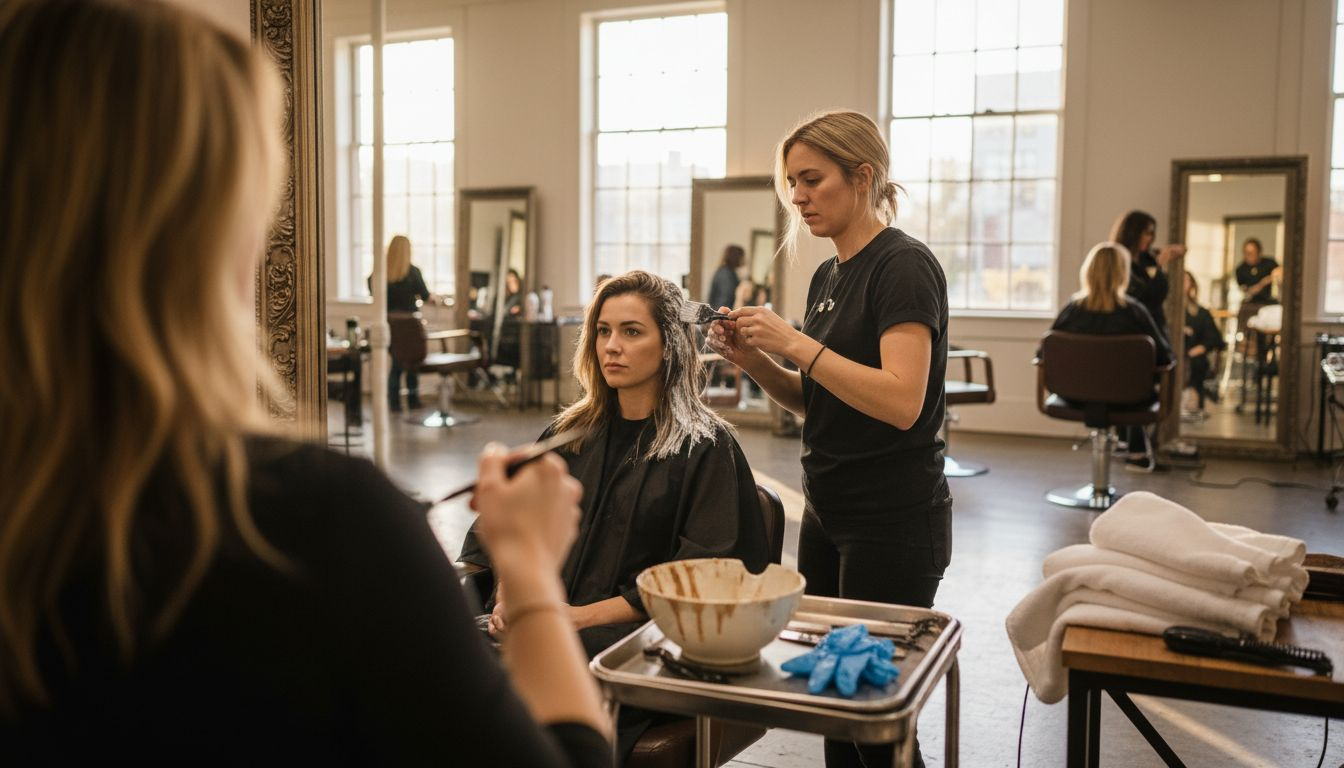
Bold hair transformations have become a signature of American style, with over 65 percent of women now choosing advanced color treatments for a fresh and multidimensional look. For fashion-conscious women in La Jolla, double process color offers the power to change your hair dramatically while indulging in salon luxury. Discover how expert colorists can create vibrant results, carefully balancing artistic technique with unrivaled service for those who expect nothing less than perfection.
Table of Contents
- Defining Double Process Color for Hair
- How Double Process Color Works
- Who Benefits from Double Process Color
- Maintenance, Risks, and Cost Factors
- Double Process vs. Single Process Color
Key Takeaways
| Point | Details |
|---|---|
| Double Process Color Technique | This comprehensive hair coloring method involves two stages: lightening existing hair color and applying a new shade for dramatic transformations. |
| Ideal Candidates | Particularly beneficial for individuals with dark hair aiming for light, pastel, or vibrant fashion colors, or those needing significant color correction. |
| Maintenance Requirements | Requires ongoing care, including regular touch-ups every 4-6 weeks and special products to maintain hair health and color vibrancy. |
| Cost Factors | Financially, double process color sessions typically range from $150 to $400, reflecting the complexity and time involved compared to single process color. |
Defining Double Process Color for Hair
Double process color represents a sophisticated hair coloring technique that transforms your hair through two critical chemical stages. Unlike single-process color methods, this approach involves strategically removing existing hair pigmentation before depositing an entirely new color, creating dramatic and precise hair transformations.
The first stage of double process color requires lightening the hair, typically using bleach or high-lift color formulations. This initial step strips away the natural or existing pigment, creating a clean canvas that allows for maximum color flexibility. Professional colorists use specialized chemical agents to carefully remove underlying hair color, ensuring the hair can accept the subsequent color application without unwanted undertones or uneven results.
The second stage involves applying the desired final color tone, which can range from subtle natural hues to vibrant fashion shades. This technique is particularly effective for individuals wanting to achieve significant color shifts – such as transitioning from dark brown to platinum blonde or creating pastel and vivid fashion colors that require complete pigment removal. The precision of double process color allows for unprecedented control over hair color transformation, making it a preferred method for those seeking dramatic and professional-quality results.
Pro tip: Always consult with a professional colorist before attempting double process color to assess your hair’s health and potential color outcomes.
How Double Process Color Works
Hair color transformation is a complex chemical process that requires precision and expertise. The double process technique begins by strategically breaking down existing hair pigments using powerful oxidizing agents that penetrate the hair shaft and remove natural melanin. This initial lightening stage creates a blank canvas, effectively erasing the hair’s original color and preparing it for the subsequent color application.
The first stage involves applying a bleaching agent that opens the hair cuticle and strips away existing pigmentation. Professional colorists carefully monitor this process to prevent damage, ensuring the hair remains structurally intact while achieving the desired level of lightness. Strong oxidizing agents are used to systematically break down natural and artificial color molecules, which allows for dramatic color transformations that would be impossible with single-process techniques.
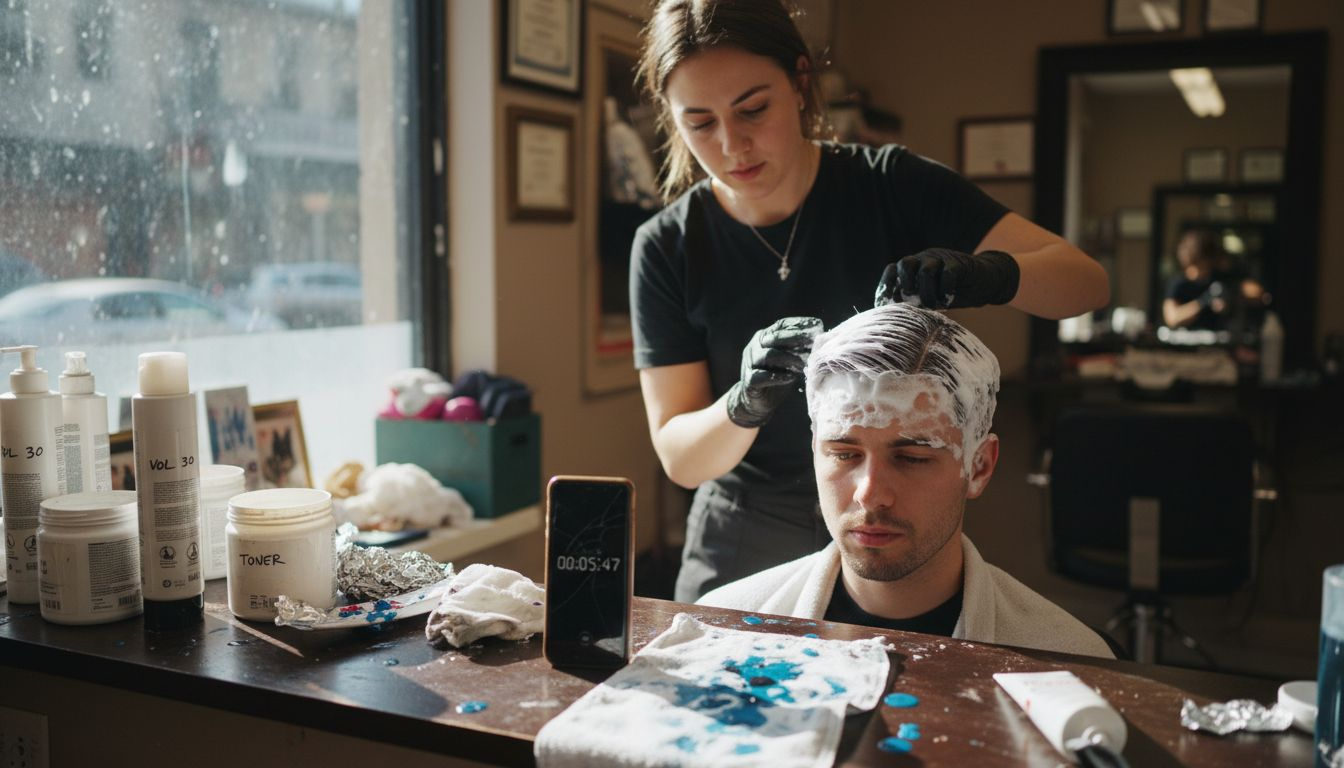
Once the hair reaches the appropriate lightness level, the second stage involves applying a specialized toner or new color. This step is crucial for neutralizing any unwanted brassy or yellow undertones and depositing the final desired shade. The opened hair cuticle from the initial lightening process allows color molecules to penetrate deeply into the hair cortex, resulting in a more vibrant, long-lasting color that appears rich and multidimensional.
Pro tip: Schedule a professional consultation to assess your hair’s health and determine the optimal double process color strategy for your specific hair type and desired outcome.
Who Benefits from Double Process Color
Dramatic hair color transformations are not for everyone, but certain individuals will find double process color particularly beneficial. Those with naturally dark hair who dream of achieving ultra-light blonde, platinum, or pastel shades will discover this technique offers the most reliable path to their desired look. The technique allows for complete pigment removal, creating a blank canvas that enables even the most challenging color transitions.
Professional colorists recommend double process color for clients seeking specific aesthetic goals. Fashion-forward individuals wanting vibrant, unconventional hair colors like blues, pinks, or lavender will find this method essential. The technique is especially valuable for those with previous color treatments, as it can effectively neutralize existing pigments and create a clean foundation for new, bold color applications.
Beyond aesthetic transformations, double process color serves practical purposes for those experiencing specific hair challenges. Individuals with significant color correction needs, such as removing unwanted brassy tones or transitioning between drastically different color ranges, will benefit most from this comprehensive coloring approach. The method provides unparalleled control, allowing professional colorists to craft highly personalized color experiences that single-process techniques cannot achieve.
Pro tip: Consult with a professional colorist to assess your hair’s health and determine whether your hair can safely withstand the double process color technique.
Maintenance, Risks, and Cost Factors
Double process color demands a significant investment in both financial resources and ongoing hair care. The complex coloring technique requires substantially more time and specialized products compared to traditional single-process treatments, which directly impacts the overall cost. Clients can expect to invest anywhere from $150 to $400 per session, depending on hair length, complexity of color transformation, and salon expertise.
The risks associated with double process color extend beyond financial considerations. Repeated chemical treatments can potentially compromise hair structure, leading to increased fragility, dryness, and potential breakage. Professional colorists recommend intensive conditioning treatments, specialized color-safe shampoos, and reduced heat styling to mitigate potential damage. Individuals with previously chemically treated or naturally fragile hair may need additional consultation to assess their hair’s capacity to withstand the double process technique.
Maintenance for double process color is both time-consuming and precise. Clients should anticipate root touch-ups every 4-6 weeks and use professional-grade purple shampoos to prevent brassiness in lighter shades. The ongoing commitment includes regular deep conditioning treatments, minimizing heat exposure, and protecting hair from UV radiation and chlorine, which can quickly degrade the color’s vibrancy and integrity.
The table below summarizes the main maintenance challenges and solutions for double process color:
| Challenge | Impact on Hair | Recommended Solution |
|---|---|---|
| Color Fading | Dull, uneven shade | Use color-safe shampoo |
| Dryness & Fragility | Increased breakage risk | Deep conditioning treatments |
| Brassiness | Unwanted yellow tones | Professional purple shampoos |
| Root Regrowth | Noticeable demarcation | Regular salon touch-ups |
Pro tip: Invest in a professional color-preserving hair care routine and schedule quarterly protein treatments to maintain your double process color’s health and brilliance.
Double Process vs. Single Process Color
The fundamental difference between single and double process color lies in their complexity and transformative potential. Single process color offers a straightforward approach, applying one color directly to the hair in a single application. This method works best for subtle color enhancements, covering gray hair, or maintaining an existing shade with minimal dramatic change. The process is typically faster, less expensive, and places less stress on the hair’s structural integrity.
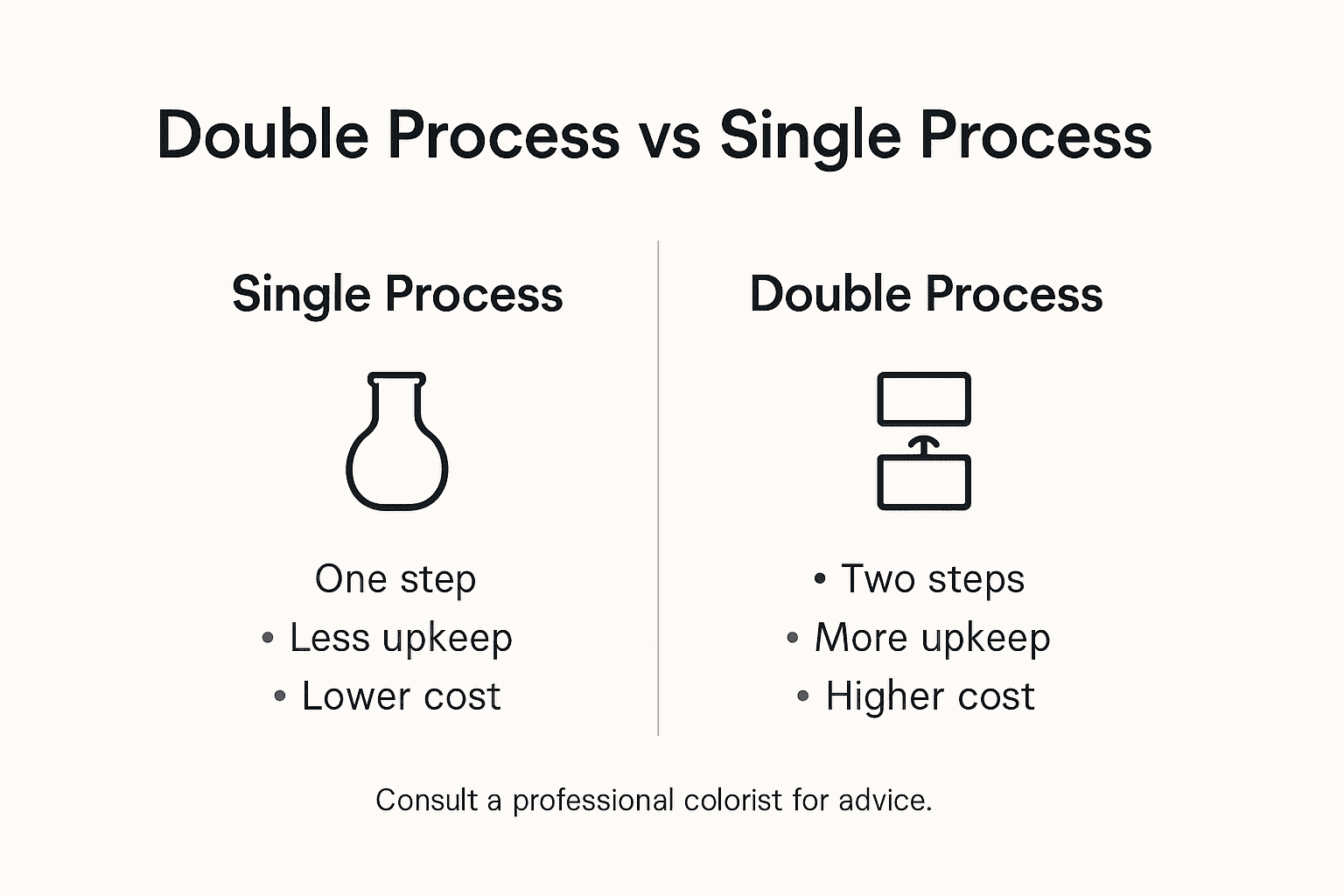
Double process color, by contrast, represents a more comprehensive and intricate coloring technique. The method requires two distinct steps: first lightening the hair through bleaching, then applying the desired final color. This approach enables truly transformative color changes, allowing clients to achieve dramatically lighter shades, vibrant fashion colors, or complete color corrections that single process techniques cannot accomplish. Professional colorists recommend double process for those seeking significant color shifts, particularly individuals with naturally dark hair wanting to transition to platinum, pastel, or unconventional hair colors.
Cost and maintenance differences between the two techniques are substantial. Single process color typically ranges from $50 to $150 and requires touch-ups every 4-6 weeks, while double process services can cost between $150 to $400 and demand more frequent professional maintenance. The additional chemical processing in double process color necessitates more intensive hair care routines, including specialized conditioning treatments, purple shampoos, and reduced heat styling to preserve color vibrancy and minimize potential damage.
Here’s a quick comparison of single process and double process hair color techniques:
| Aspect | Single Process Color | Double Process Color |
|---|---|---|
| Number of Steps | One application | Two chemical stages |
| Color Change | Subtle or natural shift | Dramatic transformation possible |
| Typical Cost | $50–$150 per session | $150–$400 per session |
| Maintenance Required | Basic touch-ups | Intensive care, frequent touch-ups |
| Best For | Covering grays, enhancing one shade | Fashion shades, major color shifts |
Pro tip: Consult with a professional colorist to determine which color process best matches your hair goals, current hair condition, and long-term maintenance capacity.
Discover Precise Double Process Color with Expert Care at Joel C Ma Hair Studio
Transforming your hair through the intricate double process color technique requires not only advanced skill but also personalized attention to maintain hair health and vibrancy. If you are seeking a dramatic color change from dark to platinum or vibrant fashion shades, you understand the challenges of preventing damage and achieving the perfect tone. The complexity of this two-step method highlights the need for expertise that balances artistic vision with your hair’s unique condition.
At Joel C Ma Hair Studio, our team of highly skilled colorists brings over 25 years of experience in mastering advanced color techniques like double process color. We prioritize your hair’s health while delivering stunning, multidimensional results. From the careful lightening phase to the flawless application of your chosen shade, our personalized consultations ensure your goals are met with precision and style.

Ready to elevate your hair color and experience the artistry of professional double process color? Explore our full range of expert color services and book your personalized consultation today at Joel C Ma Hair Studio. Learn how our specialized care can create bold transformations safely and beautifully by visiting our services page. Make the confident choice for your hair’s future and schedule your appointment now to embrace the brilliance of a custom color journey.
Frequently Asked Questions
What is double process color for hair?
Double process color involves a two-step hair coloring technique that first lightens the hair by removing existing pigments and then deposits a new color, allowing for dramatic transformations.
Who should consider double process color?
This technique is ideal for individuals with naturally dark hair looking to achieve significantly lighter shades or vibrant fashion colors, as it provides a clean canvas for color application.
How is double process color different from single process color?
The key difference lies in the complexity; double process color requires two stages (lightening and then coloring), while single process color involves a single application to enhance or cover hair color.
What are the maintenance requirements for double process color?
Double process color requires more intensive maintenance, including regular root touch-ups every 4-6 weeks, the use of color-safe and purple shampoos, deep conditioning treatments, and minimizing heat exposure to maintain color vibrancy.
Recommended
- Grey Blending Techniques: Achieving Natural Elegance – Joel C Ma Hair Studio
- Luxury Hair Color Corrections in La Jolla: Expert Solutions for Every Style – Joel C Ma Hair Studio
- What is Hair Toning? Understanding the Basics and Benefits – Joel C Ma Hair Studio
- Hair Color Correction 101: What You Need to Know