
Grey Blending Techniques: Achieving Natural Elegance
Over 60 percent of American women start noticing gray hair before they turn fifty. Facing this natural shift can spark frustration or curiosity about new hair trends. Grey blending is transforming what it means to go gray, offering a chic solution that turns traditional covering methods on their head. Here you will discover how this trend blends sophistication with simplicity, helping American clients embrace their natural hair while looking polished and modern.
Table of Contents
- Defining Grey Blending In Modern Hair Color
- Types Of Grey Blending Methods Explained
- How Salon Professionals Achieve Seamless Results
- Personalizing Grey Blending For Every Client
- Common Mistakes And How To Avoid Them
Key Takeaways
| Point | Details |
|---|---|
| Embrace Grey Blending | This technique transforms gray hair into a sophisticated aesthetic choice, integrating it with pigmented strands for a polished look. |
| Personalized Consultation is Key | Working with a professional colorist allows for tailored strategies that consider individual hair characteristics and personal style. |
| Careful Technique Selection | Different gray blending methods like Babylights and Balayage can greatly impact the final appearance, so choose methods that suit your hair type. |
| Avoid Common Mistakes | Mistakes such as color mismatch or over-processing can undermine the results, emphasizing the need for precision and artistry in application. |
Defining Grey Blending in Modern Hair Color
Grey blending is a sophisticated hair coloring technique that transforms the traditional perception of gray hair from a sign of aging to a stylish, intentional aesthetic choice. Unlike standard hair color approaches, this method seamlessly integrates natural gray strands with pigmented hair, creating a harmonious and dimensional appearance.
The core philosophy behind grey blending is embracing natural hair progression while maintaining a chic, polished look. Modern techniques like babylights and balayage allow individuals to strategically weave gray strands into their overall hair color, producing a nuanced and elegant transition. This approach moves beyond simple coverage, instead celebrating the unique texture and character of emerging gray hair.
Technically, grey blending involves multiple strategic coloring methods. Colorists typically use:
- Strategic highlights and lowlights
- Subtle color melting techniques
- Careful tone matching to natural hair color
- Precision placement of gray-blending pigments
The result is a natural, multi-dimensional hair color that looks intentional and sophisticated, rather than artificially uniform or obviously dyed.
Pro Tip – Gray Blending Strategy: Consult a professional colorist who specializes in nuanced color techniques to create a personalized grey blending approach that complements your natural hair texture and skin tone.
Types of Grey Blending Methods Explained
Modern hair color techniques offer multiple sophisticated approaches to integrating gray hair, each designed to create a natural, seamless transition. These methods range from subtle highlights to comprehensive color transformation strategies, allowing individuals to personalize their gray blending experience based on their unique hair characteristics and aesthetic preferences.
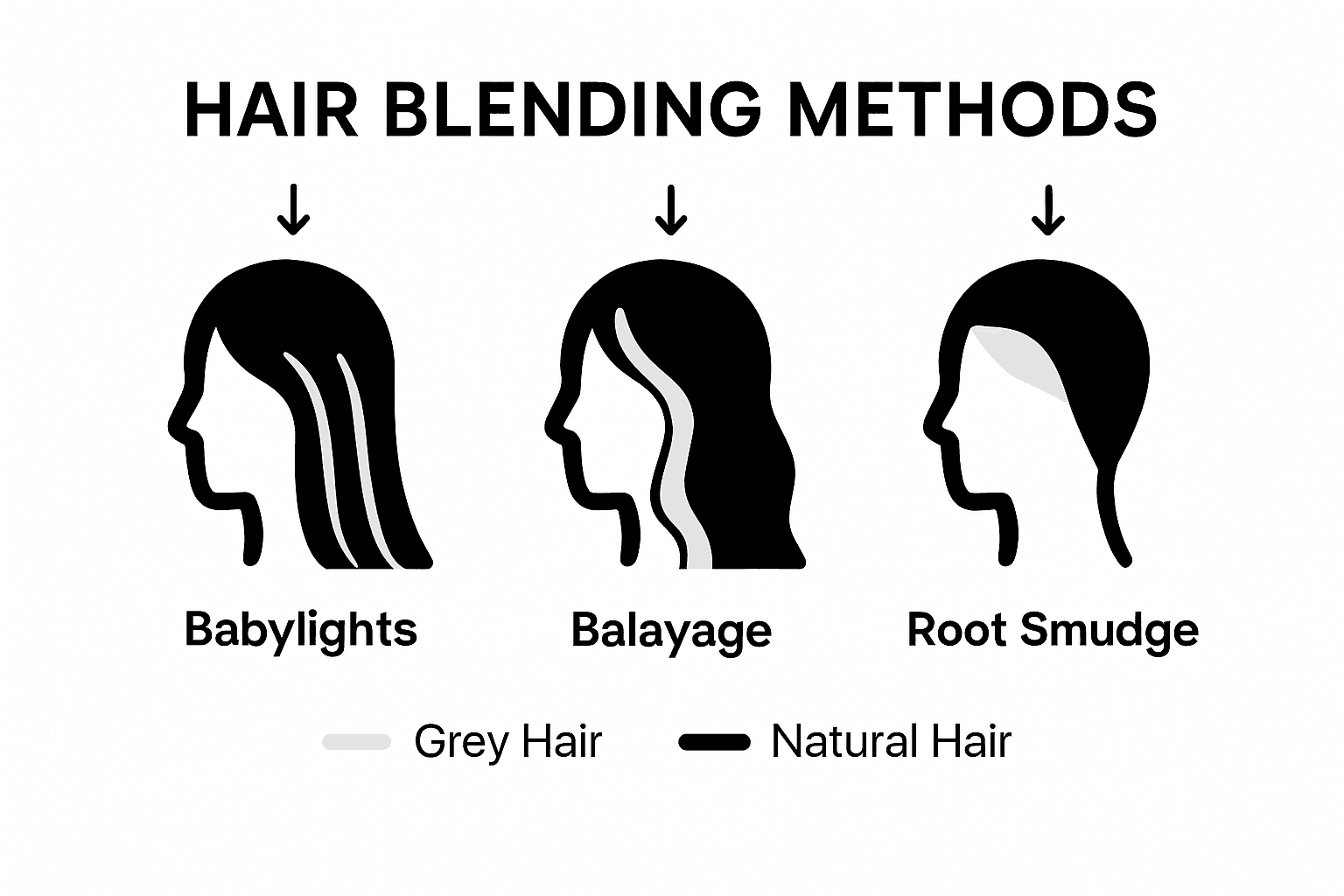
The primary grey blending methods include:
- Babylights: Ultra-fine, delicate highlights that mimic natural sun-kissed variations
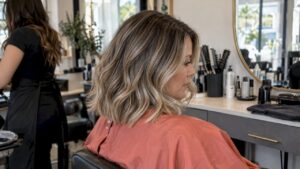
- Balayage: Hand-painted technique creating soft, graduated color transitions
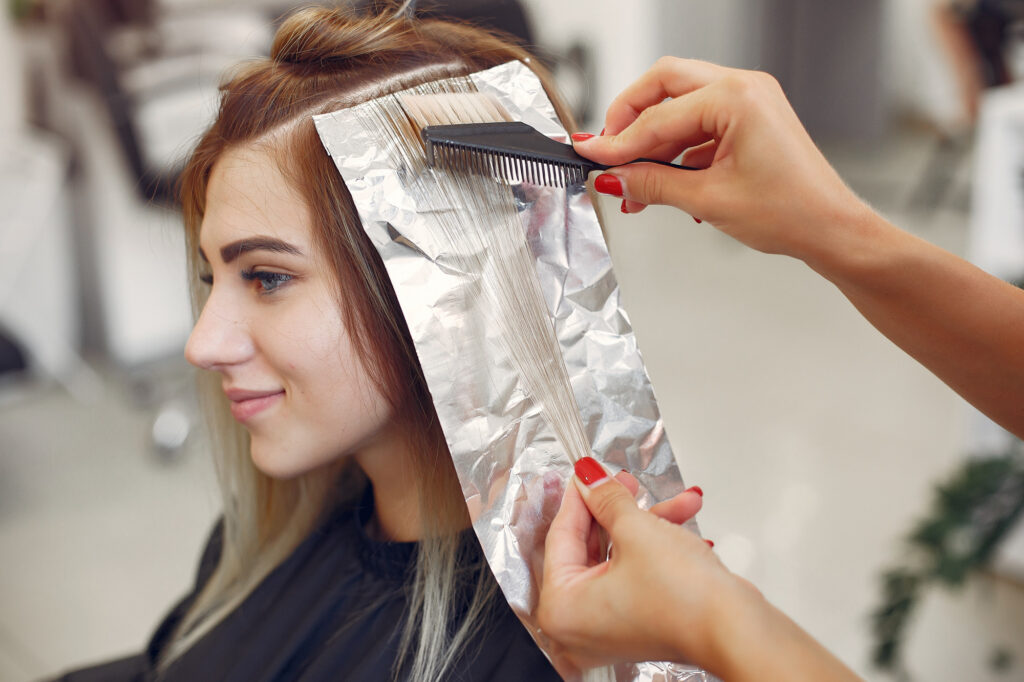
- Foil Highlights: Precise color placement using traditional aluminum foil sections
- Root Smudging: Blending root colors to minimize harsh demarcation lines
Each technique offers distinct advantages for managing gray hair integration. Babylights work exceptionally well for those with minimal gray, providing a soft, diffused appearance. Balayage offers more dramatic dimensional results, creating depth and movement throughout the hair. Foil highlights provide maximum color control, while root smudging ensures a seamless, natural-looking grow-out process.
Advanced colorists often combine multiple techniques to achieve personalized gray blending results. This approach allows for customized color placement that complements individual hair texture, natural color, and personal style preferences.
Here’s a comparison of popular grey blending methods and their ideal use cases:
| Blending Method | Best For | Effect on Appearance |
|---|---|---|
| Babylights | Subtle grays, fine hair | Soft, luminous, barely-there blend |
| Balayage | Thick hair, dramatic look | Natural, sun-kissed dimension |
| Foil Highlights | High gray density | Controlled, precise, noticeable lift |
| Root Smudging | Blunt grow-out lines | Softens roots, seamless transition |
Pro Tip – Technique Selection: Schedule a detailed consultation with a professional colorist to determine the most suitable grey blending method for your specific hair type and aesthetic goals.
How Salon Professionals Achieve Seamless Results
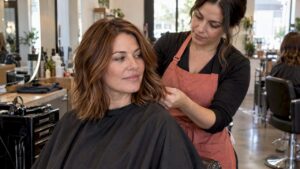
Salon professionals approach gray blending as a precise art form, carefully analyzing each client’s unique hair characteristics to create a natural, sophisticated transition. Professional colorists use strategic highlight placement to harmonize natural gray strands with the client’s existing hair color, transforming what might be perceived as an imperfection into a deliberate style choice.
The technical process involves several nuanced steps:
- Comprehensive hair and scalp assessment
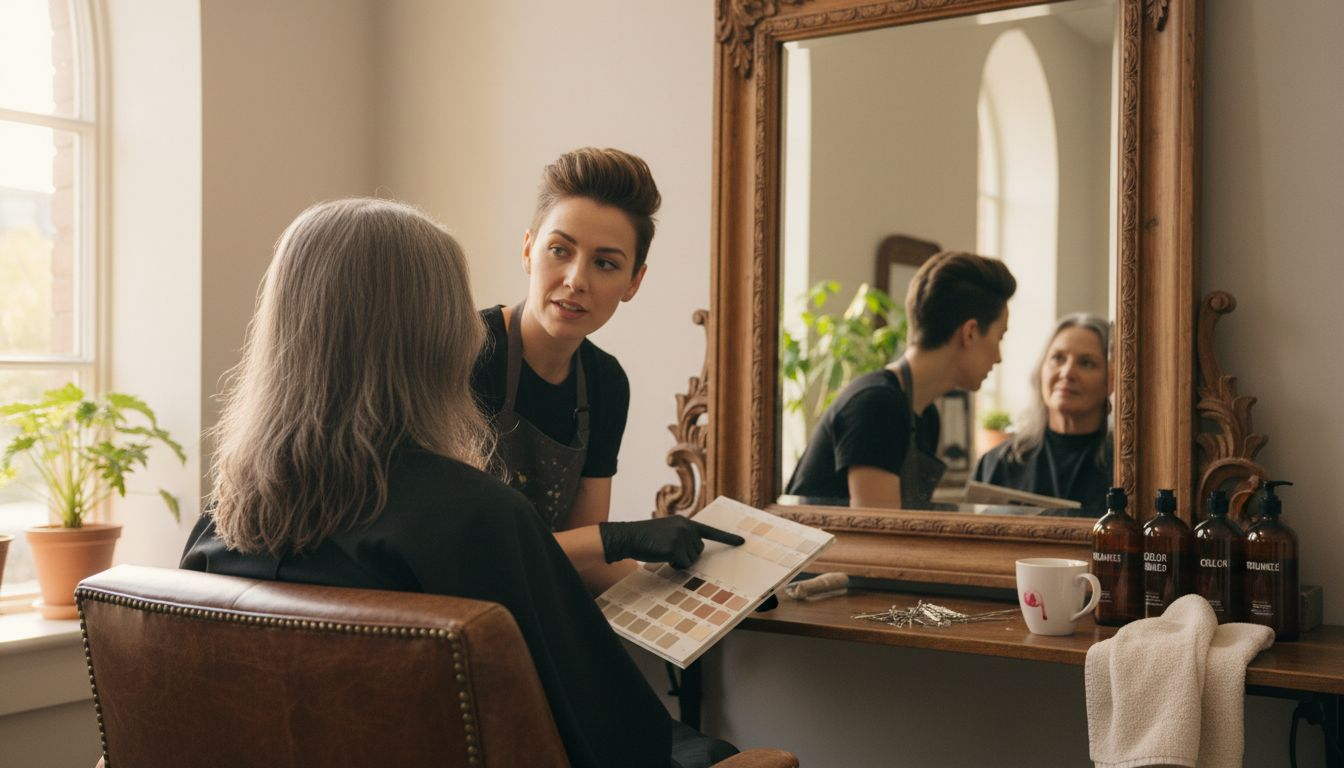
- Detailed consultation about client’s color goals
- Precise pigment selection matching natural hair undertones
- Customized application techniques
- Strategic color placement to create dimension
Advanced colorists understand that successful gray blending goes beyond simple color application. They carefully evaluate factors like hair texture, natural gray distribution, skin tone, and overall aesthetic preferences. This holistic approach ensures that the final result looks intentional and elegant, rather than appearing like a standard hair color treatment.
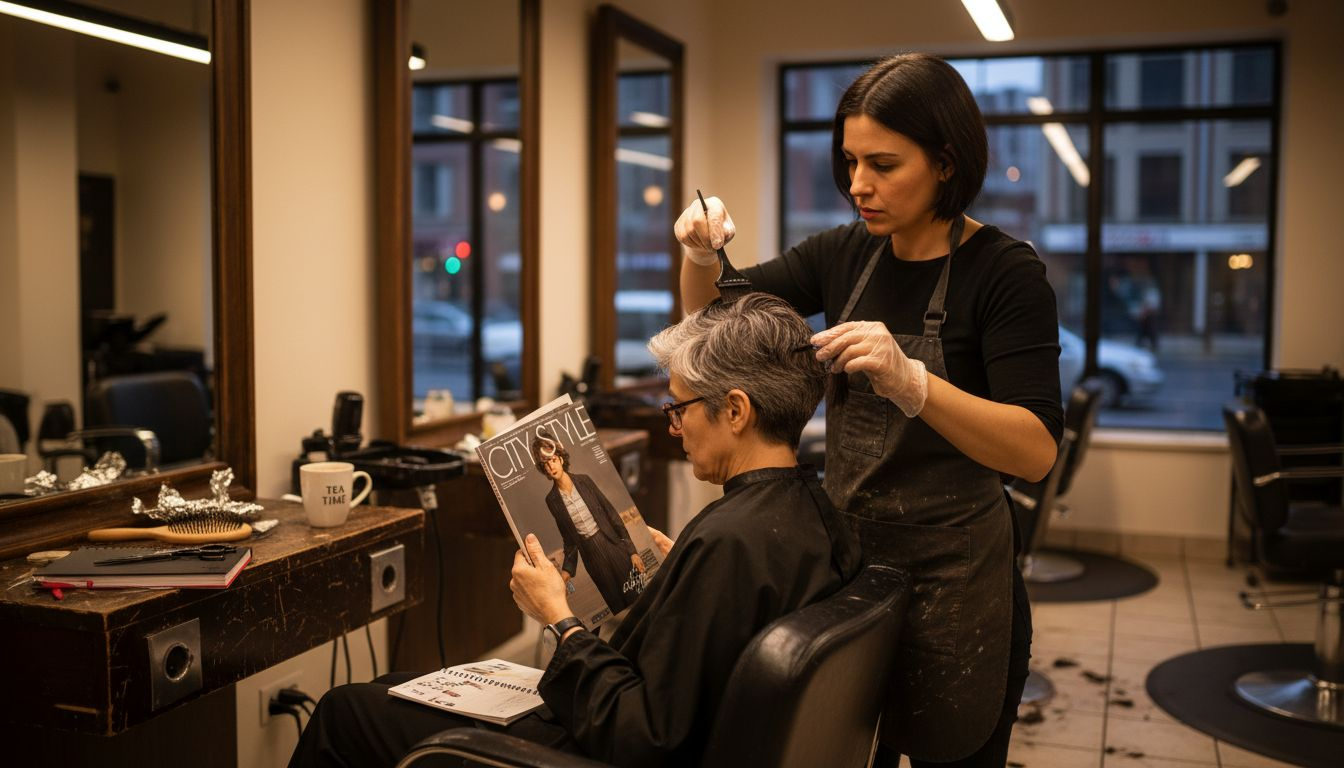
Through sophisticated techniques like strategic lowlight integration, tonal mapping, and subtle color melding, professionals can create a seamless transition that celebrates the natural aging process. The goal is not to hide gray hair, but to transform it into a sophisticated, intentional style statement.
Pro Tip – Professional Gray Blending: Always request a detailed consultation and bring reference images that showcase your desired gray blending aesthetic to help your colorist understand your specific vision.
Personalizing Grey Blending for Every Client
Personalization is the cornerstone of exceptional grey blending, transforming a standard hair coloring approach into a bespoke aesthetic experience. Transitioning to grey hair naturally requires a nuanced understanding of individual characteristics, recognizing that each client’s hair tells a unique story of texture, tone, and personal style.
Client personalization involves a comprehensive assessment across multiple dimensions:
- Natural hair color and undertones
- Existing gray distribution pattern
- Hair texture and density
- Skin tone and complexion
- Personal style and aesthetic preferences
- Lifestyle and maintenance considerations
Professional colorists approach grey blending as an intricate art form, carefully mapping out a strategy that honors the client’s natural hair progression. This approach goes beyond simple color application, instead creating a tailored transformation that enhances individual beauty and confidence. The goal is to create a seamless, sophisticated look that feels authentically personal.
Successful personalization requires advanced technical skills and an empathetic understanding of each client’s vision. Colorists must interpret subtle cues about personal style, comfort level with gray, and desired maintenance routine. Some clients prefer a dramatic silver transition, while others seek a more gradual, nuanced blend that minimizes visible gray.
To help you prepare for a personalized consultation, consider these key factors for gray blending:
| Assessment Factor | Why It Matters | Sample Consideration |
|---|---|---|
| Natural Base Color | Determines required pigment selection | Warm vs. cool undertones |
| Gray Distribution Pattern | Impacts placement technique | Scattered vs. clustered grays |
| Lifestyle & Maintenance | Influences upkeep frequency | Low-commitment, busy schedule |
Pro Tip – Personalization Strategy: Bring reference images, discuss your comfort level with gray, and be open about your lifestyle and styling preferences during your initial consultation to ensure a truly customized grey blending experience.
Common Mistakes and How to Avoid Them
Grey blending requires precision and artistry, with several critical pitfalls that can compromise the final aesthetic result. Over-processing hair during color application represents one of the most significant risks, potentially causing irreversible damage and undermining the natural, elegant look clients desire.
Common mistakes in grey blending include:
- Selecting incorrect color tones that clash with natural gray
- Applying uniform color without considering hair texture
- Neglecting individual hair strand characteristics
- Overlooking natural gray distribution patterns
- Using aggressive chemical treatments
- Failing to protect hair’s structural integrity
Professional colorists understand that successful grey blending demands a nuanced approach. Subtle techniques like babylights and balayage help create seamless transitions that respect the hair’s natural progression. By carefully analyzing each client’s unique hair characteristics, skilled professionals can avoid harsh demarcation lines and unnatural color transitions.
The most sophisticated grey blending strategies involve comprehensive hair analysis, personalized color mapping, and strategic application techniques. Clients should prioritize working with experienced colorists who understand the delicate balance between color transformation and maintaining hair health. This approach ensures a refined, natural-looking result that celebrates individual beauty.
Pro Tip – Mistake Prevention: Always schedule a thorough consultation with a professional colorist who specializes in grey blending, bringing reference images and discussing your specific hair goals to minimize potential color application errors.
Elevate Your Look with Expert Grey Blending at Joel C Ma Hair Studio
Embrace the natural elegance of grey blending while avoiding common pitfalls like harsh demarcation lines and over-processing. If you are seeking a seamless transition that celebrates your unique gray distribution and complements your skin tone, Joel C Ma Hair Studio offers personalized solutions that bring artistry and precision to every strand. Our skilled colorists specialize in techniques like balayage, babylights, and root smudging to create a sophisticated, multi-dimensional look tailored just for you.

Experience a consultation focused entirely on your lifestyle, hair texture, and aesthetic goals to craft a grey blending strategy that feels authentic and effortless. Don’t wait to transform your hair into a stunning expression of confidence. Visit us today at Joel C Ma Hair Studio and discover how advanced color techniques and individualized care can redefine your grey journey. Schedule your appointment now and start your personalized grey blending experience with us.
Frequently Asked Questions
What is grey blending in hair color?
Grey blending is a hair coloring technique that integrates natural gray strands with pigmented hair, creating a multi-dimensional appearance that emphasizes sophistication while embracing the natural aging process.
Which techniques are used in grey blending?
Common techniques used in grey blending include babylights, balayage, foil highlights, and root smudging. Each method offers a different approach for integrating gray hair into the overall color while achieving a seamless transition.
How can I maintain grey blended hair?
Maintaining grey blended hair involves regular touch-ups with a professional colorist to keep the color fresh, using sulfate-free shampoos to preserve hair health, and moisturizing treatments to enhance shine and texture.
Can grey blending suit any hair type?
Yes, grey blending can suit any hair type. Professional colorists customize the approach based on individual hair texture, density, and personal style preferences for optimal results.
Recommended
- Master Transitioning to Grey Hair Naturally and Stylishly – Joel C Ma Hair Studio
- Transitioning to Gray Hair: Complete Expert Guide – Joel C Ma Hair Studio
- 7 Expert Tips to Achieve Perfect Balayage for Brunettes – Joel C Ma Hair Studio
- How to Transition from Highlights to Balayage Beautifully – Joel C Ma Hair Studio
- Color Psychology in Makeup: Complete Guide – Pure Light Botanical Beauty