
Lowlights vs Highlights: Choosing Your Ideal Look
Choosing between lowlights and highlights can leave even the most style-savvy American women in La Jolla feeling uncertain. For those craving a customized luxury hair color, the distinction matters—over 80 percent of women say hair color influences their confidence and self-expression. This guide brings clarity to the art of highlights and lowlights, empowering you to find the perfect technique for a look that feels naturally radiant and uniquely yours.
Table of Contents
- Defining Lowlights And Highlights In Hair Color
- Core Differences And Visual Impact Explained
- Popular Techniques And Style Variations
- Maintenance, Upkeep, And Lifestyle Factors
- Risks, Common Mistakes, And How To Decide
Key Takeaways
| Point | Details |
|---|---|
| Highlights vs. Lowlights | Highlights add brightness and dimension, while lowlights create depth and richness in hair color. |
| Technique Selection | Consult a professional colorist to determine the best highlighting or lowlighting technique based on your hair type and desired look. |
| Maintenance Considerations | Highlights typically require more frequent touch-ups compared to lowlights, which provide a longer-lasting coloration. |
| Risks and Mistakes | Avoid common errors like over-processing and selecting colors that don’t match your natural hair or skin tone for the best results. |
Defining Lowlights and Highlights in Hair Color
When you walk into a professional hair salon, you’ll encounter two transformative color techniques that can dramatically reshape your appearance: highlights and lowlights. These sophisticated coloring methods are more than simple shade changes—they’re artistic approaches to creating dimension, depth, and visual intrigue in your hair.
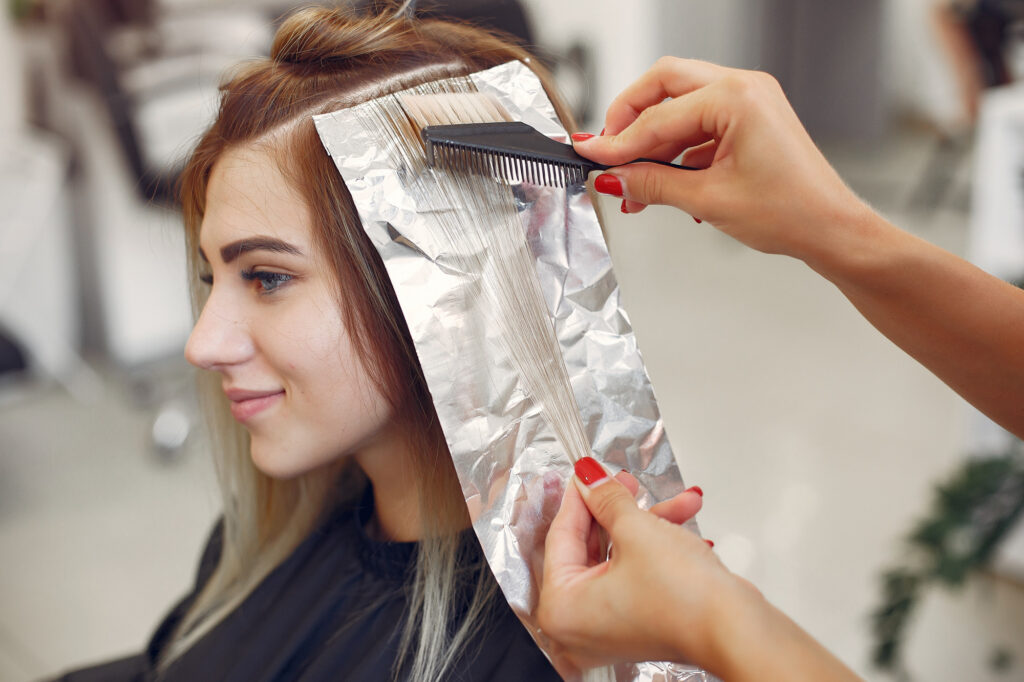
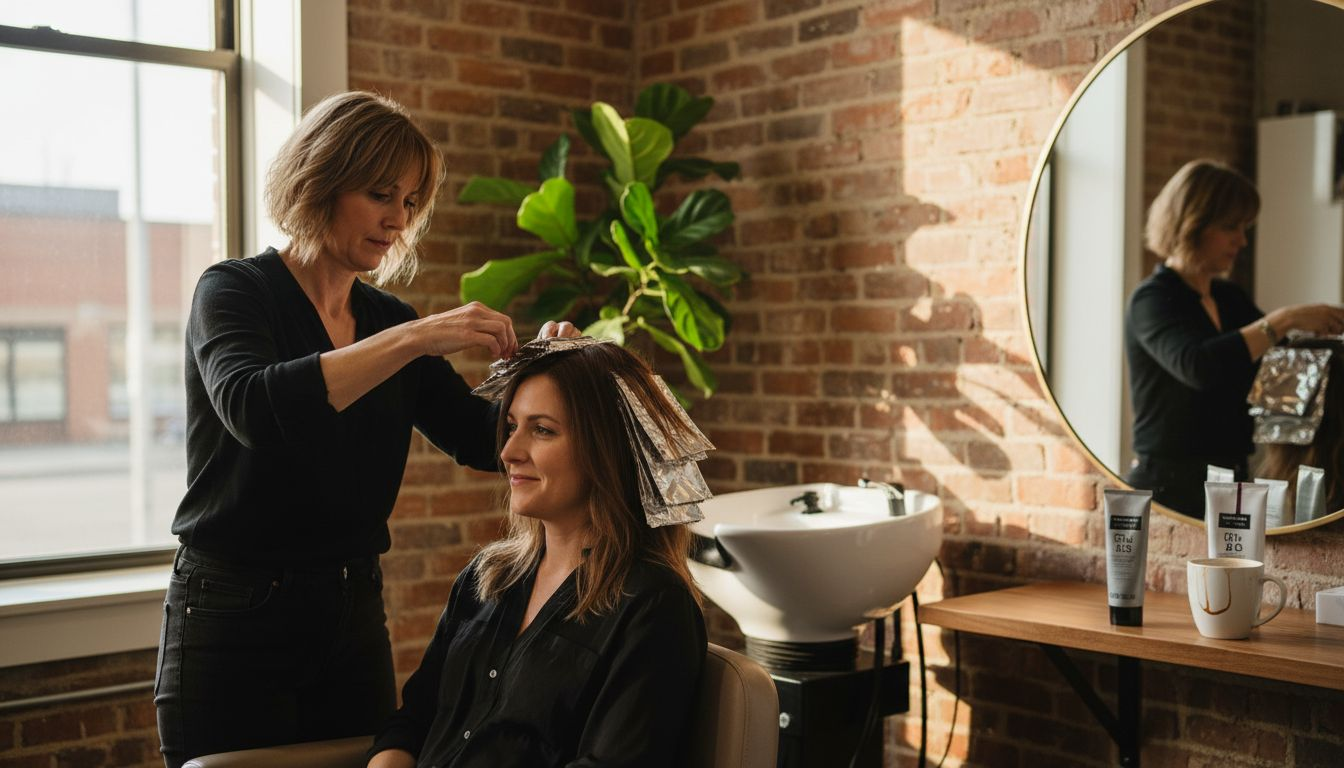
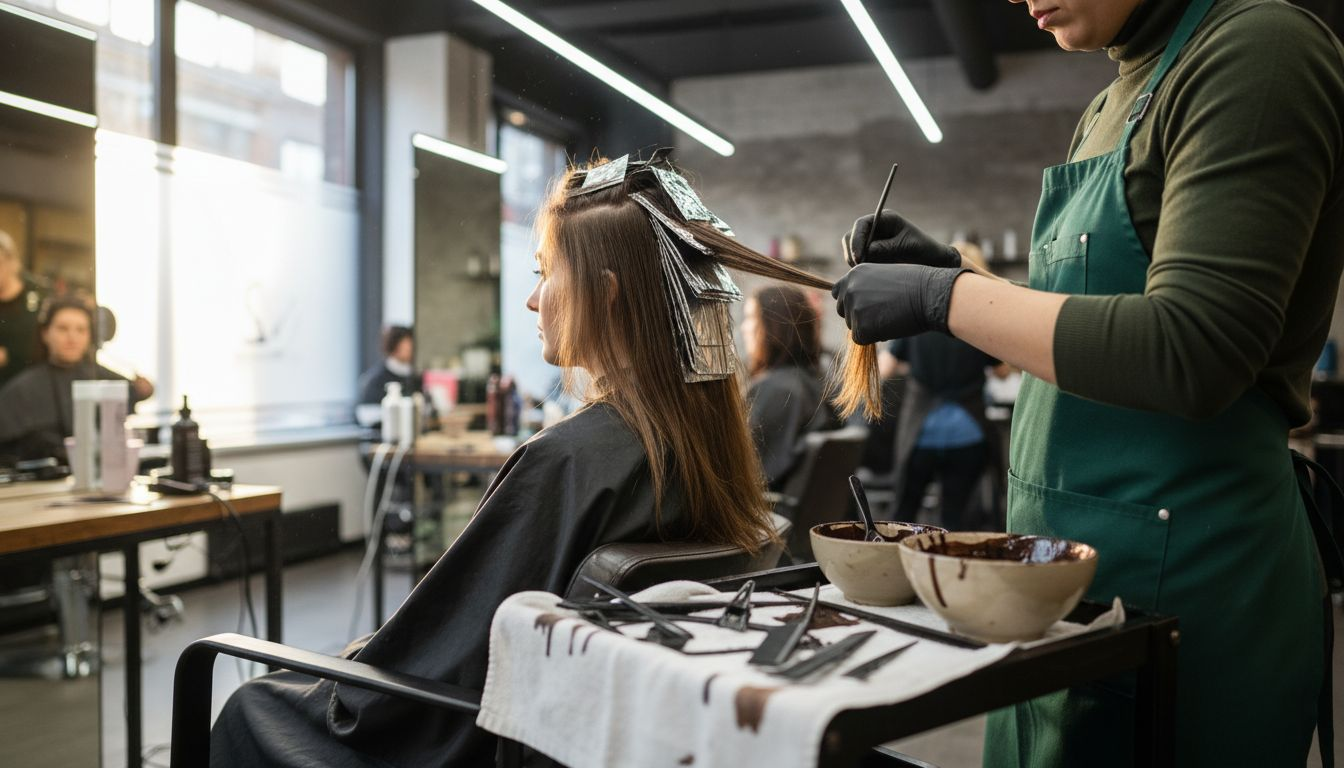
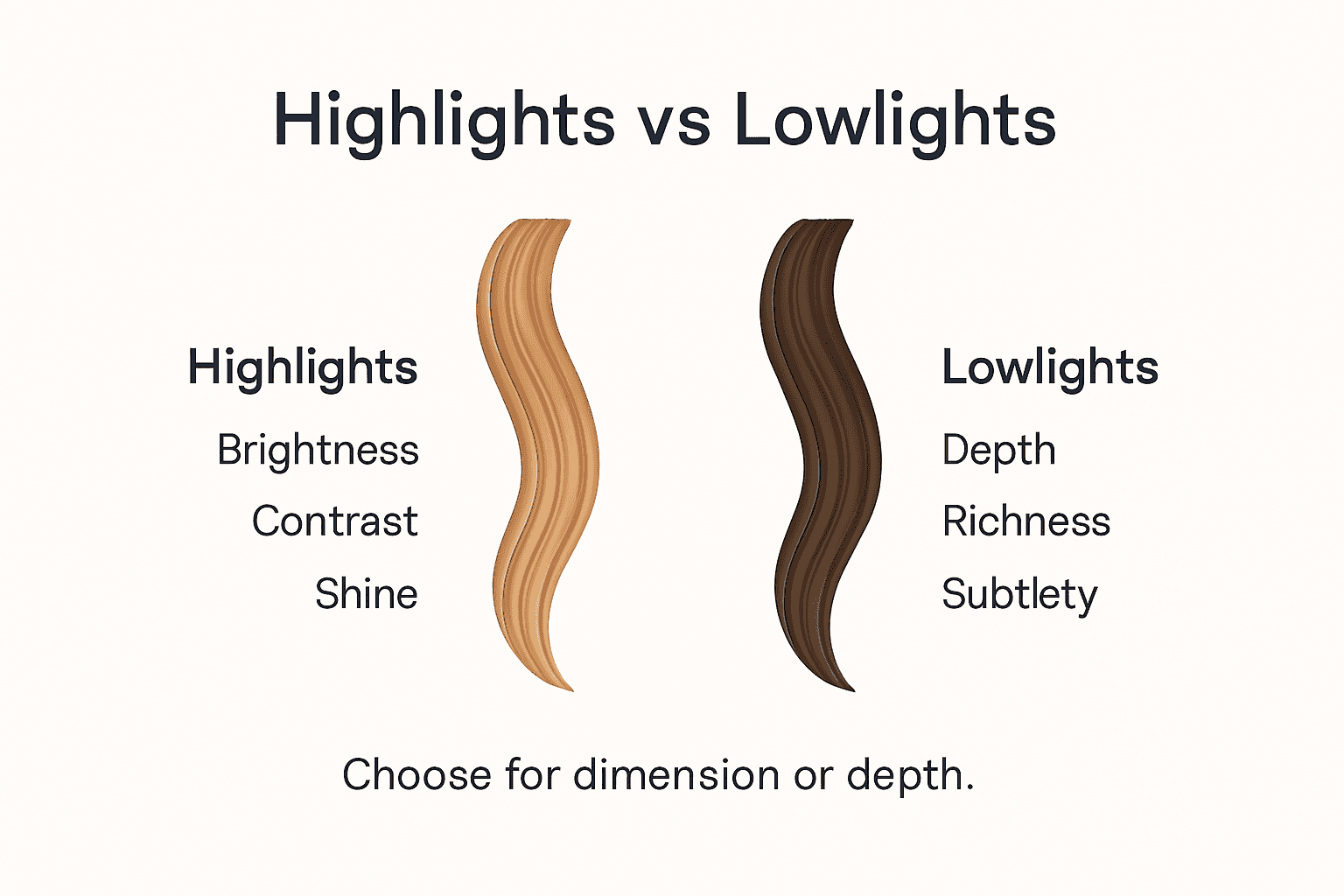
Highlights are strategically placed lighter strands that brighten and illuminate your overall hair color. Experts explain that these lighter sections are typically applied from the roots using precise foil techniques, creating a sun-kissed, multidimensional effect. By introducing lighter tones, highlights can make your hair appear more voluminous and add a radiant, youthful glow. The placement and width of highlights can range from subtle babylights—extremely fine, delicate streaks—to bold, chunky sections that make a dramatic statement.
In contrast, lowlights work by weaving darker tones through your hair to create rich, complex color depth. These darker sections are strategically integrated to add warmth and natural-looking texture, preventing your hair from looking flat or one-dimensional. Lowlights are particularly effective for individuals with naturally light hair who want to introduce more visual complexity or for those seeking to soften an overly bright color palette. They can help create a more nuanced, sophisticated color profile that mimics the natural variations found in untreated hair.
Pro Tip – Color Consultation: Before committing to highlights or lowlights, schedule a personalized consultation with a professional colorist who can analyze your hair’s current condition, skin tone, and lifestyle to recommend the most flattering technique for your unique look.
Here’s a clear comparison of highlights and lowlights to help you decide which suits your needs:
| Characteristic | Highlights | Lowlights |
|---|---|---|
| Color Effect | Lightens selected hair strands | Darkens selected hair strands |
| Visual Result | Adds brightness and radiance | Adds depth and richness |
| Best For | Dull or flat hair needing dimension | Overly light or flat-toned hair |
| Upkeep Frequency | 4-6 weeks for touch-ups | 6-10 weeks between appointments |
| Product Needs | Purple shampoo to prevent brassiness | Color-safe conditioner for vibrancy |
| Hair Health Impact | Can cause dryness if overdone | Gentler, less risk of dryness |
Core Differences and Visual Impact Explained
Understanding the core differences between highlights and lowlights goes beyond mere color placement—it’s about creating a sophisticated visual symphony that transforms your hair’s entire aesthetic. These techniques are not just about adding color, but about sculpting light, depth, and dimension to enhance your natural beauty.
Professional colorists reveal that highlights and lowlights work like artistic light and shadow techniques, strategically manipulating how light reflects and interacts with your hair. Highlights act as luminous brushstrokes, lifting select strands to create brightness and movement. They catch the light in ways that make your hair appear more dynamic, introducing a radiant, multidimensional quality that can instantly make your look feel more youthful and vibrant.
Lowlights, conversely, function as the subtle shadows that provide depth and complexity. By weaving darker tones throughout your hair, lowlights create visual intrigue and prevent a flat, one-dimensional appearance. Think of them as the underlying structure that gives your hair color richness and sophistication. The interplay between lighter highlights and deeper lowlights can create an almost painterly effect, mimicking the nuanced variations found in natural, untreated hair.
Pro Tip – Visual Harmony: When considering highlights or lowlights, request a consultation that includes digital color simulations to preview how different techniques will interact with your unique hair texture, skin tone, and personal style.
Popular Techniques and Style Variations
The world of hair coloring is rich with innovative techniques that transform highlights and lowlights from simple color applications into true artistic expressions. Professional stylists have developed a sophisticated range of methods designed to create everything from subtle, natural-looking dimensions to bold, dramatic color transformations.
Traditional foil highlights remain a classic technique, allowing precise placement and controlled lifting of hair color. For those seeking a more organic, sun-kissed appearance, balayage has emerged as a game-changing approach. This freehand painting method creates soft, seamless transitions between colors, mimicking the natural lightening effects of sunlight. Babylights represent an even more delicate variation, featuring ultra-fine, barely-there highlights that add extraordinary dimension and movement to the hair.
Contemporary color techniques have expanded to include multiple innovative approaches like teasylights, ombré, and shadow root methods, each offering unique visual effects. Teasylights, for instance, involve carefully teasing sections of hair before applying color, creating a softer, more diffused transition. Ombré techniques gradually transition from darker roots to progressively lighter ends, while shadow root methods maintain depth at the hair’s base for a more natural, lived-in appearance. These advanced techniques allow for unprecedented personalization, enabling stylists to craft looks that perfectly complement individual hair textures, face shapes, and personal aesthetics.
Pro Tip – Technique Selection: Consult with a professional colorist who can assess your hair’s current condition, natural color, and texture to recommend the most flattering highlight or lowlight technique for your unique style.
Below is a summary of popular hair coloring techniques and the effect they create:
| Technique | Key Feature | Desired Look |
|---|---|---|
| Foil Highlights | Precise, controlled placement | Bold or defined contrast |
| Balayage | Freehand, soft transitions | Sun-kissed, natural gradient |
| Babylights | Ultra-fine, subtle streaks | Delicate luminosity |
| Teasylights | Teased, diffused color | Softened edges, blended look |
| Ombré | Gradual tone shift | Dark roots, lightened ends |
| Shadow Root | Darkened base, natural grow-out | Lower maintenance, dimension |
Maintenance, Upkeep, and Lifestyle Factors
Choosing between highlights and lowlights isn’t just about aesthetic preference—it’s a strategic decision that impacts your time, budget, and overall hair maintenance routine. Each coloring technique comes with unique considerations that can significantly influence your daily styling and long-term hair care approach.
Different color techniques demand varying levels of commitment and upkeep, directly correlating with individual lifestyle demands. Traditional foil highlights typically require more frequent salon visits, with touch-ups recommended every 4-6 weeks to maintain a crisp, intentional look. In contrast, balayage and lowlight techniques offer more flexibility, with softer regrowth lines that allow for longer intervals between professional color services. This makes them particularly attractive for busy professionals or those seeking a lower-maintenance hair color strategy.
Beyond salon frequency, your color technique impacts hair health, styling time, and product requirements. Lighter highlights might necessitate specialized purple shampoos to combat brassiness, while lowlight techniques often require color-protecting conditioners to maintain depth and richness. Factors like hair texture, natural color, and personal styling habits play crucial roles in determining the most suitable approach. Active individuals who spend significant time outdoors, frequent swimmers, or those with high-heat styling routines will need to consider additional protective measures to preserve their color’s vibrancy and prevent premature fading.
Pro Tip – Color Longevity: Invest in professional-grade color-preserving hair products and schedule periodic glossing treatments to extend the life of your highlights or lowlights, protecting your color investment between salon visits.
Risks, Common Mistakes, and How to Decide
Navigating the world of hair color can feel like traversing a complex landscape, with numerous potential pitfalls that could compromise your hair’s health and aesthetic appeal. Understanding the nuanced risks associated with highlights and lowlights is crucial for making an informed decision that aligns with your personal style and hair care goals.
Professional colorists warn about several critical mistakes that can dramatically impact your hair color outcome. One of the most common errors is failing to consider your natural hair color, skin undertone, and overall complexion when selecting a highlighting technique. Over-processing represents another significant risk, where repeated color treatments can lead to significant damage, causing breakage, dryness, and loss of natural hair texture. Inexperienced colorists might apply too many highlights or use overly harsh chemical processes, potentially compromising your hair’s structural integrity.
Making the right decision requires a holistic approach that considers multiple factors beyond aesthetic preferences. Your lifestyle, hair texture, maintenance capacity, and long-term hair health goals should all play pivotal roles in determining the most suitable technique. Professional colorists recommend a comprehensive consultation that explores your hair’s current condition, explores your styling preferences, and develops a customized color strategy. This might involve blending techniques—such as combining subtle lowlights with strategically placed highlights—to create a multidimensional look that appears natural while minimizing potential damage.
Pro Tip – Color Consultation: Always schedule a thorough consultation with a professional colorist who can perform a detailed hair assessment, discuss your lifestyle demands, and recommend a personalized color approach that protects your hair’s health while achieving your desired aesthetic.
Discover Your Perfect Hair Color with Expert Guidance at Joel C Ma Hair Studio
Struggling to choose between highlights and lowlights? You are not alone. The challenge lies in balancing brightness and depth while maintaining your hair’s health and complementing your unique style. This article highlights key concerns such as achieving natural dimension, managing upkeep, and protecting your hair from damage. Whether you want luminous highlights or rich lowlights, understanding these nuances is vital to avoid common mistakes and get the look that truly enhances your features.

At Joel C Ma Hair Studio in La Jolla, California, our expert team specializes in personalized hair color techniques including balayage, highlights, and lowlights tailored just for you. With over 25 years of experience, we ensure every color transformation reflects your individual expression while prioritizing hair health. Don’t wait to experience a luxury salon setting where artistry meets professionalism. Explore our range of services and see glowing client transformations by visiting Joel C Ma Hair Studio. Ready to elevate your hair color with a customized consultation that fits your lifestyle and goals Visit our booking page today and take the first step toward your ideal look.
Frequently Asked Questions
What is the difference between highlights and lowlights?
Highlights are lighter strands of hair that add brightness and dimension, while lowlights are darker tones that create depth and richness in your hair color.
How often should I schedule touch-ups for highlights and lowlights?
Highlights typically require touch-ups every 4-6 weeks for maintenance, whereas lowlights can last 6-10 weeks between appointments due to their more subtle regrowth.
Can I combine highlights and lowlights in my hair color?
Yes, combining highlights and lowlights can create a multi-dimensional look that adds visual interest and richness to your hair, mimicking natural variations.
What products should I use to maintain my highlights or lowlights?
Use color-safe shampoos and conditioners specific to your color type, such as purple shampoo for highlights to prevent brassiness, and color-protecting products for lowlights to maintain their depth.
Recommended
- Best Highlight Ideas for Dark Hair: Styling Tips and Inspiration
- Hair Highlighting for Men: Expert Tips for a Natural, Modern Look
- Hair Gloss vs Toner: Choosing the Right Shine – Joel C Ma Hair Studio
- Difference Between Balayage and Highlights: Complete Guide – Joel C Ma Hair Studio
- How to Place Spotlights for Stunning Visual Effects – Mirror Balls