
4 Step Salon Routine: Best Products for Damaged Hair
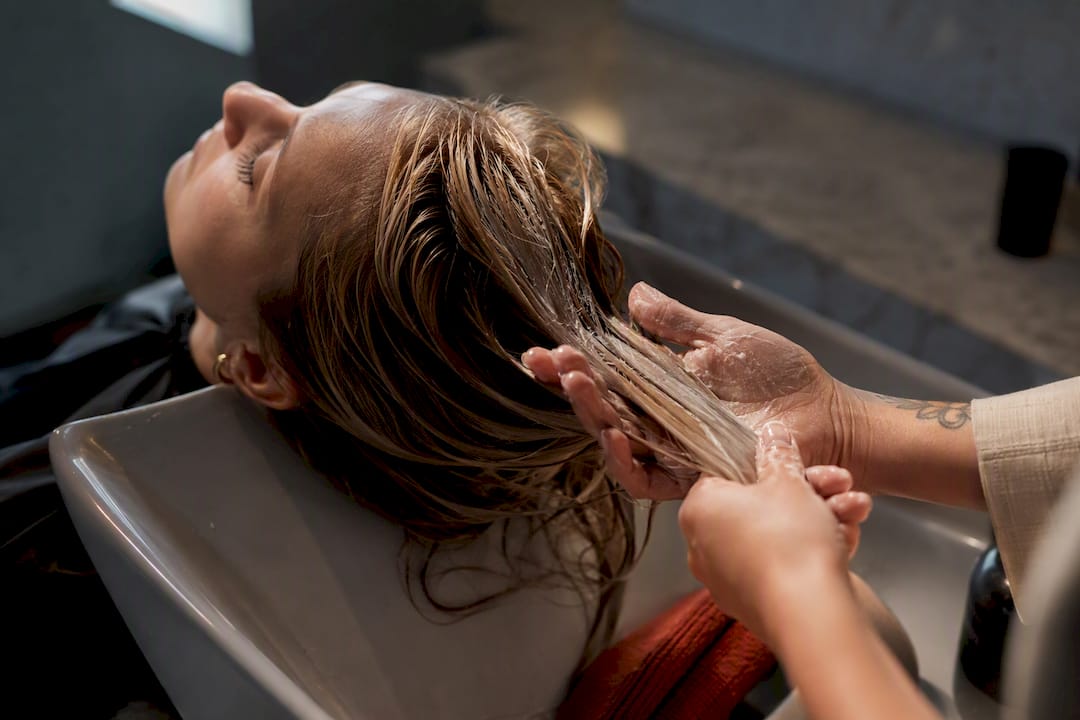
The fastest path to repairing damaged hair combines a bond-building treatment, a weekly deep-conditioning mask, a strengthening shampoo, and a daily heat protectant, used together and consistently. If split ends are visible, no product reverses them: a trim is the only fix. Expect real, visible change over several weeks, not overnight, and expect the routine to keep working only as long as you keep doing it.
TL;DR:
- Bond-building treatments work best for chemically or heat-damaged hair and should be used 1 to 2 times weekly for the best results.
- Proper diagnosis of damage type is essential to select effective products; chemical, mechanical, and environmental damages respond to different treatments.
- Deep-conditioning masks and strengthening shampoos help restore moisture, strength, and reduce breakage when used consistently over several weeks.
- Split ends cannot be repaired with products; trimming remains the only permanent fix, making regular professional trims crucial.
- A professional assessment can optimize repair routines by accurately identifying damage causes and recommending personalized in-salon treatments.
Table of Contents
- What Are the Best Products for Damaged Hair?
- How Do You Match Products to the Type of Hair Damage?
- Which Ingredients Actually Repair Hair, and Which Ones Don’t?
- How Long Does It Take to Repair Damaged Hair?
- Why a Professional Assessment Speeds Up Real Repair
- Where Product Advice Falls Short
- Ready to Repair Your Hair With Expert Guidance?
- Sources
- FAQ
What Are the Best Products for Damaged Hair?
Not every “repair” product actually repairs anything. Some coat the cuticle and fake smoothness for a wash or two. Others rebuild the internal structure of the strand. Knowing which category you’re holding changes what you should expect from it.
Bond-building treatments target the cortex, the inner layer of the hair shaft where disulfide bonds hold the protein structure together. Chemical services, heat, and daily friction break these bonds, and that’s what turns healthy hair brittle. Bond builders come in two forms: leave-in versions you apply between washes, and in-shower versions mixed into a shampoo step or applied before conditioner. Reviewers and stylists consistently point to bond-building treatments as the single highest-impact category for hair that’s chemically or heat damaged, precisely because they work below the surface rather than just smoothing it over.
Deep-conditioning masks solve a different problem: moisture loss and rough cuticle texture. If your hair feels dry, dull, and tangles easily but isn’t necessarily breaking off, you likely need moisture more than protein. If it snaps when stretched, feels gummy when wet, or falls flat no matter what you apply, protein-forward masks matter more. Using the wrong one, or overusing either, is where a lot of home routines go sideways.
Strengthening shampoos and conditioners are the daily-use layer. Look for formulas built around peptides or hydrolyzed proteins with a balanced pH. Testing on shampoos designed for damaged hair shows that peptide- and protein-enriched, pH-balanced formulas can measurably reduce breakage when used consistently as part of a full routine, not as a standalone fix.
Leave-ins, sprays, oils, and heat protectants round out the routine:
- Leave-in conditioners and multi-benefit sprays add slip for detangling and light hydration between wash days.
- Lightweight oils and serums seal the cuticle and add shine without weighing down fine or fragile strands.
- Heat protectants form a barrier against styling tools and are non-negotiable if you use hot tools at all; skipping this step undoes almost everything else in the routine.
Think of these four categories as a stack, not a menu. Bond builders repair, masks restore moisture and strength, strengthening shampoo maintains the gains, and leave-ins plus heat protectants defend against new damage.
How Do You Match Products to the Type of Hair Damage?
Before buying anything, figure out what actually broke your hair. Chemical, mechanical, and environmental damage look different, behave differently, and respond to different products. Treating all three the same way wastes money and time.
Start with a quick self-check:
- Look at how your hair breaks. Snapping cleanly with a “ping” sound usually points to chemical damage, weakened internal bonds from color, bleach, or straightening. Fraying or splitting gradually points to mechanical damage from friction, brushing, or tight styles.
- Check texture when wet versus dry. Chemically damaged hair often feels mushy or overly elastic when wet and stiff when dry. Mechanically damaged hair usually feels rough and tangles at the same points every time.
- Consider your environment and habits. Sun exposure, chlorine, and hard water strip moisture and dull color over time without necessarily weakening the internal bonds, which is why it can look damaged without actually snapping.
- Check your last chemical service date. Damage from bleach or relaxers typically shows up along the mid-shaft to ends within a few weeks of the service, not immediately at the root.
Once you know the cause, the product logic gets simple. Chemical damage responds best to bond-building treatments used at label frequency, paired with a protein-moderate mask. Mechanical damage responds better to slip-focused leave-ins, silicone or lightweight-oil finishing products that reduce friction, and gentler tools; friction reduction through wet brushes, microfiber towels, and smoothing silicones is one of the more overlooked fixes for this category. Environmental damage usually needs a clarifying wash to remove mineral buildup, followed by moisture-forward masks and UV-protecting leave-ins.
Pro Tip: If you can’t tell which type of damage you’re dealing with, treat it as chemical first. Bond builders won’t hurt mechanically damaged hair, but skipping them on chemically damaged hair means you’re only ever masking the problem.
Layer your routine by frequency: bond-building treatment 1 to 2 times weekly, deep mask once weekly, strengthening shampoo and conditioner every wash, leave-in and heat protectant daily.
On budget: drugstore bond builders and masks in the $15 to $30 range can produce real improvement with consistent use, according to panel testing from Good Housekeeping’s lab. Salon-grade in-chair treatments cost more but deliver a stronger single dose, useful when damage is severe or you need faster visible results before an event.
Watch for three mistakes. First, protein overload: too much protein without enough moisture leaves hair stiff and prone to snapping, the opposite of the goal. Second, heavy oils on fine hair, which weigh strands down and can mimic the look of damage. Third, “miracle” one-use claims. A single application can smooth the surface temporarily, but real strength gains take weeks of repeated use, not one bottle.
Which Ingredients Actually Repair Hair, and Which Ones Don’t?
Reading a label matters more than reading a marketing claim. A few ingredient categories do the real work, and a few common ones are mostly filler or, worse, counterproductive for certain hair types.
Bond-building chemistries are the ingredient story of the last several years. Formulas built around bioactive peptides or bis-aminopropyl-type linking molecules are designed to reconnect broken disulfide bonds inside the hair shaft rather than sit on top of it. This is the mechanism behind most products marketed as “bond repair” or “molecular repair.” When a label says “bond,” check whether it names a specific peptide or linking technology; vague bond language with no ingredient behind it is often just a marketing label on a standard conditioner.
Proteins, humectants, and lipids each solve a different piece of the puzzle:
- Hydrolyzed proteins (keratin, wheat, silk) temporarily fill gaps in damaged cuticle and add strength, but too much creates stiffness and brittleness, especially in fine or low-porosity hair.
- Humectants like glycerin and honey draw moisture into the hair shaft and are the fix for dryness and dullness, but in very humid climates they can contribute to frizz if overused.
- Lipids, including fatty alcohols and plant oils, seal the cuticle and add softness. Heavier oils work well on coarse or very dry hair but can flatten and grease up fine strands.
Silicones and finishing agents deserve more nuance than the “silicones are bad” internet take suggests. Lightweight, water-soluble silicones (look for dimethicone copolyol or similar on the label) smooth the cuticle and reduce friction without buildup, which matters for mechanical damage. Heavier, non-soluble silicones can coat fine hair and cause buildup over time, blocking moisture rather than helping it. For color-treated or fine hair, water-soluble finishes are almost always the better call.
pH matters more than most people realize. Healthy hair sits around a slightly acidic pH of 4.5 to 5.5. Alkaline shampoos and treatments swell the cuticle, which is part of why hard water and some clarifying shampoos leave hair feeling rougher afterward. Sulfate-free, color-safe formulas are usually pH-balanced closer to hair’s natural range, which is why they’ve become the standard recommendation for chemically treated hair, not just a marketing trend.
Pro Tip: If an ingredient list buries “hydrolyzed keratin” near the bottom, it’s a minor addition, not a treatment. On repair-focused products, the active bond or protein ingredient should sit in the first five to seven items.
A quick way to decode marketing shorthand: “clinically tested” should be backed by a named lab or panel, not just an internal claim. “Repairs damage” is a stronger claim than “reduces the appearance of damage,” and only the former should involve bond-level chemistry rather than surface conditioning. For a deeper look at which mask ingredients pull the most weight, this breakdown of effective hair mask ingredients covers the formulations worth prioritizing.
How Long Does It Take to Repair Damaged Hair?
Repair is a routine, not a one-time purchase. Here’s a realistic four-week starting plan and what to expect as it progresses.
- Wash day (1 to 2 times weekly): Rinse with lukewarm rather than hot water to help the cuticle lie flat, then apply a strengthening, sulfate-free shampoo followed by conditioner. Lukewarm water and lightweight oils like coconut oil help reduce cuticle roughness and protein loss more effectively than hot-water rinses.
- Midweek: Apply a leave-in conditioner or bond-building spray to damp hair, focusing on mid-shaft to ends where damage concentrates.
- Weekly deep mask: Choose moisture or protein based on your damage type from the earlier checklist, and leave on for the time the label specifies, usually 10 to 20 minutes.
- Before any heat styling: Apply a heat protectant every single time, no exceptions, since heat is one of the fastest ways to undo weeks of repair work in a single styling session.
At 2 weeks, expect reduced frizz and a softer feel, mostly from surface smoothing. At 4 weeks, breakage during brushing should noticeably decrease if you’ve been consistent. At 8 weeks and beyond, you should see fewer split ends forming and better hold when styled, the point where bond-building has had time to compound.
If hair still snaps easily or looks visibly frayed at 8 weeks despite a consistent routine, that’s a signal to see a professional rather than switch products again. And no routine fixes split ends already there. Once a strand splits, trimming is the only real fix, and this guide on protecting hair from heat styling tools covers how to avoid creating new ones. Maintenance habits like using a microfiber towel, detangling with a wet brush before conditioner rinses out, and switching to a silk pillowcase all meaningfully reduce the mechanical damage that undoes product work.
Why a Professional Assessment Speeds Up Real Repair
At-home products work best when they’re matched to the right diagnosis, and that’s harder to self-assess than most people think. A professional consultation looks at four things a mirror can’t reliably tell you: hair porosity (how easily moisture enters and escapes the shaft), elasticity (how much stretch the hair can take before it breaks), cuticle condition under closer inspection, and scalp health, which affects everything grown from it.
A professional assessment shapes which treatment path actually makes sense, rather than guessing from a shelf of products:
- In-salon bond-rebuilding treatments deliver a concentrated dose that’s difficult to replicate with over-the-counter versions.
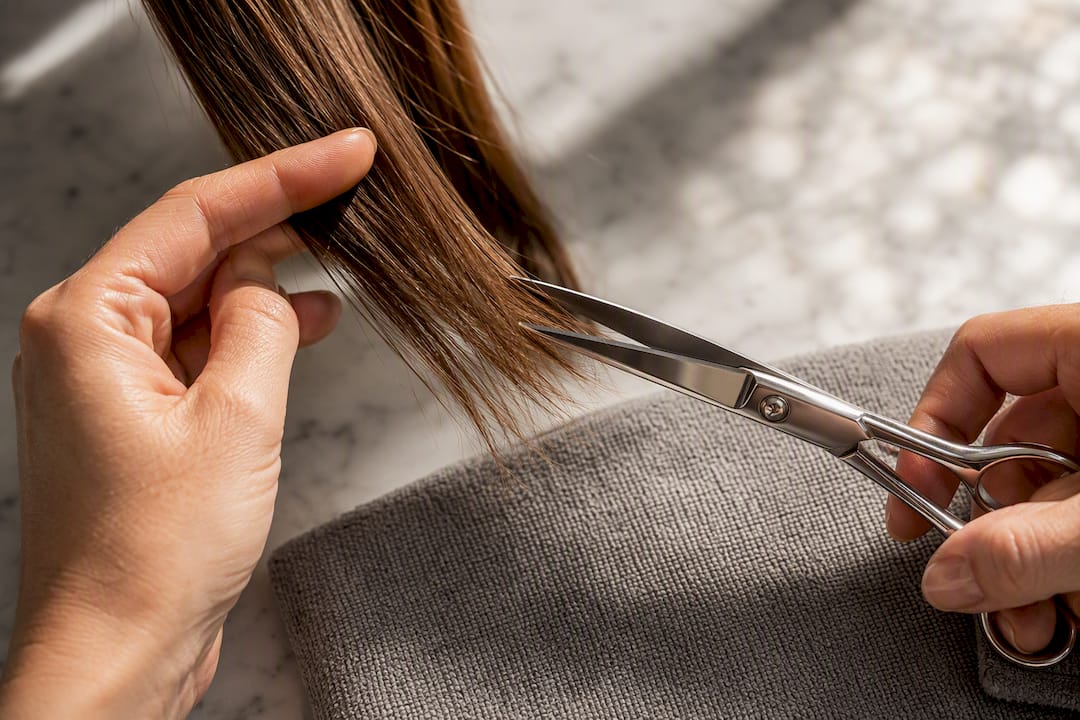
- A professional trim removes existing split ends cleanly, something no product claims to do.
- Multi-step protocols combining color correction, deep conditioning, and bond treatment in a single visit make sense for hair with compounded chemical and mechanical damage.
A pro consultation also catches the cases where the problem isn’t a product gap at all, it’s a service history issue that needs a different plan entirely.
Where Product Advice Falls Short
Most damaged-hair content treats every product like a standalone fix, and that’s the biggest gap between what gets recommended and what actually works. Bond builders, deep masks, and strengthening shampoo all genuinely help. But none of them function as a single solution the way marketing implies. The research is consistent on this: repair comes from combining categories, applying them at the right frequency, and reducing the behaviors causing new damage at the same time.
The other overrated idea is that any one product can “fix” split ends. It can’t. That’s a cutting problem, not a chemistry problem, and no serum changes that.
What should come first, if you’re only doing one thing differently this week? Match the product to the damage type before buying anything new. A protein-heavy routine on mechanically stressed hair, or a moisture-heavy routine on chemically weakened hair, wastes money and can make things feel worse before they feel better. Diagnosis before purchase beats purchase before diagnosis, every time.
— Juiced
Ready to Repair Your Hair With Expert Guidance?
At-home routines get you real progress, but they have a ceiling. Joel C Ma Hair Studio gets you past it with hands-on assessment and treatments no shelf product can replicate, including deep conditioning and blow-dry services, bond-focused color treatments, and precision trims that remove existing split ends for good.
A typical repair-focused appointment starts with a look at your hair’s current porosity and elasticity, plus a conversation about your recent color, heat, or chemical history, so the stylist can build a plan instead of guessing. From there, options range from a deep conditioning and blow-dry style session to an Olaplex-integrated color and conditioning service for chemically stressed strands. If your ends are already split, a professional trim gets scheduled alongside the treatment rather than left for later.
Bring photos of your hair from before the damage if you have them, and be ready to walk through your last few months of color, straightening, or heat use. Book a consultation through the full services menu and start the appointment with a real diagnosis instead of another guess from the drugstore aisle.
Sources
- These Hair Treatments Give Damaged Strands a Second Chance | Allure
- Best bond-building hair treatments 2026 — tested by experts | Good Housekeeping
- The 6 Best Shampoos for Damaged Hair of 2026, Tested and Approved | Byrdie
- How to repair damaged hair (Medical News Today)
FAQ
What Are the Best Products for Damaged Hair?
A bond-building treatment, a weekly deep-conditioning mask, a strengthening shampoo and conditioner, and a daily heat protectant form the core of an effective repair routine. Bond-building treatments are consistently cited by reviewers as the highest-impact single addition for chemically or heat-damaged hair.
Can Products Really Fix Split Ends?
No. Products can temporarily smooth split ends and reduce their visibility for several washes, but they don’t permanently rejoin the strand. Panel testing on split-end sealers confirms the fix is temporary and that trimming is the only permanent solution.
How Long Does It Take to See Results From a Damaged Hair Routine?
Most people notice reduced frizz and softer texture within 2 weeks, less breakage by 4 weeks, and stronger, more manageable hair by 8 weeks or beyond with consistent use. Results depend on sticking to the frequency each product recommends rather than switching routines every few days.
Should I Use Protein or Moisture Treatments for Damaged Hair?
It depends on the damage type: protein-forward treatments suit chemically weakened hair that feels gummy when wet, while moisture-forward treatments suit hair that feels dry, dull, and rough from mechanical or environmental stress. Alternating between the two, rather than using only one, helps avoid the stiffness that comes from protein overload.
Is a Salon Treatment Better Than At-Home Products for Damaged Hair?
Salon treatments deliver a more concentrated dose and address issues like existing split ends that no product can fix, while at-home bond builders and masks maintain and extend those results between visits. Joel C Ma Hair Studio offers assessments that identify porosity, elasticity, and cuticle condition to determine whether an in-salon protocol or an adjusted at-home routine makes more sense.