
4 Step Curl Keys Consult at Joel C Ma, Curly Salon in La Jolla

Use a local curl-stylist finder or ZIP search, then book a diagnostic consultation. That sequence reliably finds a trusted curly-hair salon, because it separates salons with real texture training from ones that only advertise it. From there, confirm the stylist follows a structured consultation, ask about pricing upfront, and treat the first visit as a fact-finding appointment rather than a full commitment.
TL;DR:
- Choose salons that explicitly mention texture-specific training and review before-and-after photos that highlight natural curl patterns.
- Confirm stylists follow a structured diagnostic process by asking how they assess curl pattern, porosity, and shrinkage during consultations.
- Expect to pay around $60 to $75 for a dedicated curly haircut, with higher prices typically reflecting thorough dry cutting and detailed diagnosis.
- Select treatments based on your hair’s needs, such as moisture, protein, or curl definition, rather than opting for trendy or generic options.
- Book a comprehensive diagnosis-first consultation, preparing photos and product lists to ensure personalized, effective styling and treatments.
Table of Contents
- How to find curl-specialist salons near you
- What happens in a good curly hair consultation
- What curly hair cuts and treatments typically cost
- Which salon treatment actually fits your curls
- How long a curly hair appointment takes and what to bring
- How stylists should support your curls after you leave
- Joel C Ma Hair Studio: a consultation-first option worth knowing
- How to book a consultation and what to bring
- Sources
- FAQ
How to find curl-specialist salons near you
Finding the right stylist starts with narrowing a long list of options into a handful worth calling.
- Search curl-specific directories and brand finders by ZIP code or address, filtering for salons and stylists rather than product retailers. Tools like DevaCurl’s stylist finder let you filter by location and technician certification, which trims the list to people who actually cut curls for a living.
- Vet each profile for dry-styled photos, recent reviews, and mentions of texture-specific training such as Curl Keys or similar programs. A profile full of blown-out, straightened photos is a sign the salon’s real specialty is elsewhere.
- Call or message the top candidates to confirm current availability, pricing, and whether they offer a diagnostic consultation before any cutting begins.
A few things to check once you have a shortlist:
- Does the stylist’s bio or salon page mention texture education, not just “curly hair experience”?
- Are the reviews specific to curl cuts and color, not just general service quality?
- Can the salon tell you a price range over the phone, or do they dodge the question?
Directories like CurlMaps are useful starting points, but they are curated listings, not guarantees. Treat them as one input among several and verify everything directly with the salon.
What happens in a good curly hair consultation
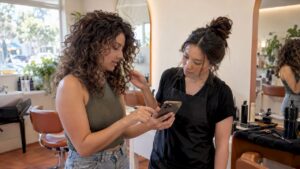
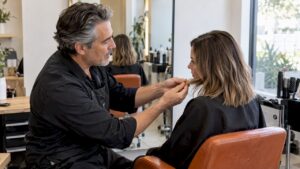
A real diagnostic consultation follows a structure, not a guess. L’Oréal’s Curl Keys course trains stylists on a four-step process: observation, consultation, evaluation, and prescription. In plain terms, the stylist looks at your curls dry, talks through your history and goals, evaluates pattern, porosity, and shrinkage, then recommends a specific cut, treatment, and home routine based on what they found, not a generic package.
Ask the stylist to walk you through each of those four steps out loud. A stylist who can explain how your porosity or shrinkage led to a specific recommendation is demonstrating real competence, not reciting a script.
Questions worth asking before you book:
- How do you assess my curl pattern, porosity, and shrinkage?
- Do you cut curly hair dry, wet, or both, and why?
- What will my at-home routine look like after this cut?
- How do you handle color history when it affects curl behavior?
Watch for red flags: a stylist who only name-drops product brands without explaining a diagnosis, offers the same fixed treatment to every curly client, or cannot describe what maintenance will look like afterward.
Pro Tip: Bring two or three photos of your hair on a normal, non-styled day. It gives the stylist a faster, more honest read than photos taken right after a blowout.
What curly hair cuts and treatments typically cost
Curl-specialist pricing tends to run higher than a standard haircut, and that gap is usually tied to training and time, not markup for its own sake. Salon price-index data shows haircuts carry a median price with wide swings depending on city and provider, and specialist or color services showing even larger gaps.
A curl specialist’s price often reflects real investment. Price-index data from My Hair Salons shows haircut costs vary significantly by city and salon experience, and specialist services widen that gap further.
A few reasons curl-specific services cost more:
- Texture certification programs require salons to invest money and staff time before they ever book a client, which is why choosing expert African hair braiding specialists matters for real texture work.
- Dry cutting and full diagnostic consultations take longer than a standard wet cut and blow-dry.
- Premium, curl-formulated products add to product costs per appointment.
- Corrective color work on curly hair often takes extra sessions to avoid damage.
To get an accurate number before you commit, ask for a written treatment plan and estimate during the consultation rather than relying on a phone quote.
Which salon treatment actually fits your curls
There is no single best treatment for curly hair. The right choice depends on what your hair needs, not what is trending. Curl Keys’ training framework ties treatment selection directly to diagnosis: moisture, strength, shine, and definition are separate needs that call for different services.
The main categories you will run into:
- Moisturizing or deep conditioning treatments address dryness and frizz without changing hair structure.
- Protein treatments rebuild strength in hair weakened by heat, chemical processing, or over-washing.
- Curl-defining services focus on enhancing natural pattern and shape rather than fixing damage.
- Smoothing or keratin-style treatments reduce frizz and loosen curl pattern, which suits people who want less shrinkage and more manageability.
A stylist should separate frizz, damage, and lack of definition as three distinct problems, because the same symptom can have different causes depending on your color history and porosity. Color-treated curls, for instance, often need protein before anything else, while virgin curls with no damage might just need better moisture and a cut suited to the pattern.
The one question that cuts through the noise: ask what outcome the treatment will create for your specific curl pattern and your maintenance routine, not just what problem it claims to solve.
How long a curly hair appointment takes and what to bring
Curl-specific appointments generally run longer than a standard cut, since dry cutting, diagnosis, and styling each take real time on their own. A first visit that includes a consultation, cut, and style can reasonably take longer than booking windows for straight-hair services, so confirm the expected length when you schedule rather than assuming a standard slot.
Before you go, a little preparation makes the appointment more productive:
- Come with your hair in its natural, unstyled state, or as close to it as your schedule allows, so the stylist can see your real pattern and shrinkage.
- Bring a short list of the products you currently use, including anything you suspect is weighing your curls down or drying them out.
- Write down your goals and constraints: how much time you want to spend styling, your tolerance for shrinkage, and any upcoming events driving the appointment.
- Mention any scalp concerns up front, since those can affect product choices and treatment timing.
If you are coming in for color on top of a curl cut, build in extra time. Corrective color work on curly hair often takes more than one session to avoid compromising curl structure, and a salon that rushes that process is cutting corners you will notice later.
One more note: a salon visit is not a substitute for medical care. If you are dealing with sudden shedding or persistent scalp irritation, those symptoms call for a dermatologist or trichologist, not repeated salon treatments.
How stylists should support your curls after you leave
A good consultation does not end when you walk out the door. Part of the diagnostic process is building a home routine that matches what the stylist just did to your hair, and a stylist who skips that step has only done half the job.
Expect the stylist to explain product order, roughly how often to wash and refresh your curls, and how to manage the transition period as a new cut or treatment settles in over the following weeks. If you got a protein treatment, they should tell you how long the effect typically lasts and when to consider repeating it. If you got a curl-defining cut, they should explain how your pattern will look as it grows out and when a trim makes sense again.
Ask whether the salon offers any kind of follow-up, whether that is a quick check-in email, a product recommendation list, or an invitation to come back for a shorter maintenance appointment. Salons that treat the relationship as ongoing, rather than one transaction, tend to produce more consistent results over time because they can adjust the plan as your hair responds.
If a stylist cannot tell you what to expect in the two weeks after your appointment, that is worth noting. Aftercare guidance is where the diagnostic framework proves whether it was followed in practice or just mentioned during the consult.

Joel C Ma Hair Studio: a consultation-first option worth knowing
Joel C Ma Hair Studio in La Jolla, California, is built around the kind of consultation-first approach this guide describes. The salon emphasizes personalized style consultations rather than one-size-fits-all service menus. Its team uses advanced cutting and color techniques with a focus on tailoring each appointment to the individual client.
What that means in practice for a prospective curly-hair client:
- Expect a consultation before any cutting or color work begins, not an assumption based on a quick glance.
- Bring the same preparation outlined earlier: current photos, a list of products you use, and a clear sense of your goals and constraints.
- Ask directly whether your cut will be done dry, wet, or both, and how the stylist will approach your specific pattern and porosity.
The studio’s services page lists its full range of cuts, color, and treatment options, and its styling page covers special-occasion looks for curls that need a defined style for an event. When booking, request a diagnostic consultation explicitly, the same way this guide recommends for any salon you are vetting.
— Juiced
How to book a consultation and what to bring
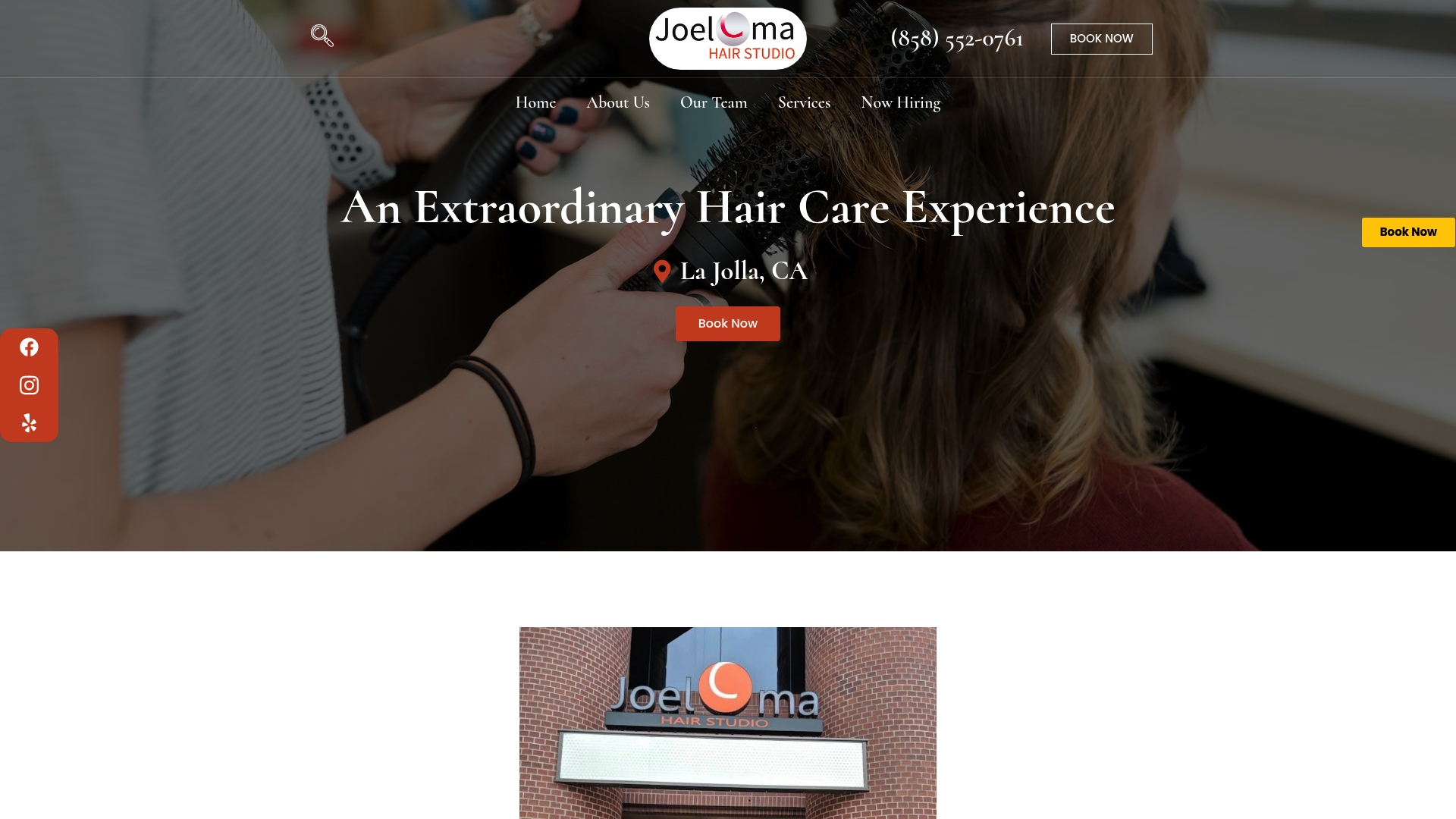
Booking a consultation at Joel C Ma Hair Studio is a straightforward way to put this guide’s vetting approach into practice without spending another weekend calling salons. The studio’s services page lists women’s and men’s haircuts, color services like balayage and highlights, and treatment options, all bookable directly online.
A short checklist makes the first visit more efficient:
- Bring a few photos of your everyday, unstyled hair.
- List the products you currently use, including anything you are unsure about.
- Write down your goals: desired shrinkage, styling time you are willing to spend, and any upcoming events.
- Mention any scalp concerns before the consultation starts.
Ask for a scoped estimate during the consult rather than a ballpark number over the phone. For a defined, event-ready look, the styling page covers special-occasion services separately from standard cuts.
Sources
- Curl Keys | L’Oréal ACCESS
- Find A Stylist | DevaCurl
- hair salon Price Index 2026 — Real Prices from 72+ Salons | My Hair Salons
- Texture Education Collective | Professional Beauty Association
FAQ
Which type of haircut is best for curly hair?
There is no single best curly haircut. The right choice depends on your specific pattern, porosity, and goals, which is why a diagnostic consultation matters more than picking a cut by name.
Which salon treatment is best for curly hair?
It depends on what your curls actually need: moisturizing treatments address dryness, protein treatments rebuild strength after damage, and curl-defining services enhance pattern without changing structure. A stylist should recommend one based on diagnosis, not default to the same treatment for everyone.
What is a good price for a curly haircut?
Curly cuts often cost more than standard haircuts because of the dry-cutting and consultation time involved. Price-index data shows the median haircut price lands around $70, with specialist and color services running higher depending on your city and the salon’s experience. At Joel C Ma Hair Studio, women’s haircuts run $60 to $75 and men’s haircuts run $45 to $50, both listed on the services page.
What hair treatment is best for curly hair?
The best treatment matches the problem you actually have: frizz from dryness calls for moisture, weak or damaged strands call for protein, and loose definition calls for a curl-focused service rather than a generic treatment. Ask your stylist to explain which category your hair falls into before agreeing to any add-on.
How do I know if a stylist is actually trained for curly hair?
Ask whether they have completed texture-specific training, such as programs referenced by the Professional Beauty Association’s Texture Education Collective, and whether they can walk you through a diagnostic process before cutting. A stylist who explains their reasoning step by step is a stronger sign of real training than a salon’s marketing claims alone.