
Grow Shoulder Length Hair in 1.5–2 Years: Men’s Salon Health Plan

The best long hairstyles for men in 2026 are the shag, beachy waves, the mullet, grown-out curls, and the neat man bun or low ponytail. Each flatters a different texture and lifestyle, so the fastest path to the right one is matching a silhouette to your hair type and booking a shaping trim with reference photos in hand.
TL;DR:
- Regular shaping trims every 8 to 12 weeks are essential to maintain the style and prevent the appearance of shapeless, uneven long hair.
- Thinning or fine hair benefits from styles like the man bun or textured crop to create an illusion of fullness, combined with lightweight styling products.
- Wearing tight styles like buns or braids excessively can cause traction alopecia; loosening styles and limiting braids to 6 to 8 weeks help prevent hair loss.
- Lightweight conditioners, sea-salt spray, and minimal heavy products align with the natural movement trend for 2026’s long hairstyles.
Table of Contents
- 1. Top long-hair styles grouped by texture and upkeep
- 2. How to choose the right long hairstyle for you
- 3. Growing out and maintaining long hair
- 4. Styling how-tos by hair texture
- 5. Hair health and risks with long styles
- 6. A stylist’s perspective on long-hair cuts and color
- 7. Styling long hair for casual, formal, and professional settings
- Why long hair is worth trying in 2026
- Book a shaping trim with our studio
- FAQ
- Sources
1. Top long-hair styles grouped by texture and upkeep
Long hair in 2026 leans into what stylists and GQ call expressive duality: natural, undone movement paired with healthier, lighter products instead of heavy pomades. The styles below are grouped by texture so you can find a shape that works with your hair rather than against it.
For straight hair:
- The modern mullet keeps shorter sides and a longer back, giving straight hair shape without relying on curl or wave for texture.
- Sleek shoulder-length layers suit oval and square faces and need a lightweight cream rather than wax to avoid looking flat.
- The low ponytail works for straight hair that lacks natural volume, especially pulled slightly loose at the crown for softness.
For wavy hair:
- Beachy waves are the defining 2026 look for wavy texture: a sea-salt spray and air-drying bring out natural movement without heat damage.
- The shag thrives on wavy hair because its heavy layering lets the wave do the work, and it suits round or square faces that want softer edges.
For curly and coily hair:
- Grown-out curls worn with minimal shaping let the natural curl pattern define the silhouette, which suits most face shapes once sides are kept slightly shorter than the crown.
- The curly undercut pairs tighter sides with volume on top, a strong option for men with coily texture who want contrast and less bulk.
Hybrid and tied-up options:
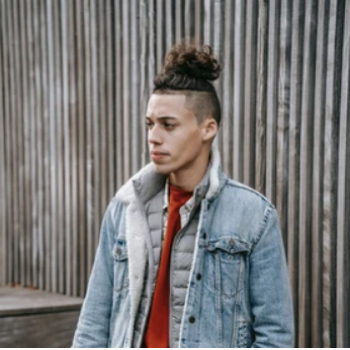
- Man bun or half-up top knot works across textures and is the most office-friendly long style, especially on fine or thinning hair that needs the illusion of density.
- Braided styles (single braid, cornrows) suit thicker, coarser hair and are useful for sport or heat, but should be worn loosely and rotated rather than kept in constantly.
The common thread for 2026 is restraint: fewer heavy waxes, more leave-in conditioners and lightweight creams, and cuts shaped to move rather than sit stiff. GQ’s rundown of current men’s long-hair trends points to this same shift toward natural movement and strategic, lower-maintenance shaping over the slicked-back, product-heavy looks that dominated a few years ago.
Pro Tip: If you’re unsure which category fits, let your hair air-dry once without product. The way it naturally falls tells you more about which style will work than any photo does.
2. How to choose the right long hairstyle for you
Picking a long hairstyle is less about trend-chasing and more about matching five variables: texture, density, hairline shape, workplace expectations, and how much time you actually want to spend styling each morning. Skipping this step is the most common reason long-hair grow-outs look messy instead of intentional.
- Assess your texture and density first. Fine, straight hair usually needs shorter layering to avoid looking limp, while thick or curly hair can carry a fuller shag or grown-out curl without extra product.
- Check your hairline and crown pattern. A receding hairline often pairs better with a mullet or textured crop-into-length style that draws attention away from the front, rather than a center-parted style that frames it.
- Match the cut to your face shape. Round or square faces often benefit from softer, layered shapes like the shag; longer or oval faces can carry sleeker, straighter length well.
- Factor in workplace rules. If your job calls for a polished look, a low ponytail or neat bun reads professional in ways a loose shag does not; our guide to work-appropriate hairstyles covers more options for that constraint.
- Be honest about your daily styling time. A beachy wave with sea-salt spray takes minutes; a sleek tied-back style with a blow dryer and brush takes considerably longer.
- Bring the right material to your consultation. Photos of the exact length and movement you want, not just a general style name, give your stylist far more to work with than a vague description.
If you have thinning hair, a man bun or textured crop reads fuller than letting fine strands hang loose. If you have thick curls fighting for control, ask for weight removed through the mid-lengths rather than an overall length cut, which keeps volume without the bulk.
3. Growing out and maintaining long hair
Hair grows at roughly 0.5 inches (1.27 centimeters) per month, meaning reaching shoulder length typically takes a year and a half to two years for most men. That timeline is the single biggest reason grow-outs fail: people expect results in months and quit during the awkward middle stage.
The fix is a trim schedule, not a growth freeze. Book a shaping trim every 8 to 12 weeks, even while growing length. These trims remove split ends and keep the perimeter controlled so the cut looks deliberate at every stage rather than shapeless, a point echoed in our own guide to growing out hair naturally.
Product strategy shifts as length increases:
- Shampoo 1 to 2 times a week with a hydrating formula, since daily washing strips the natural oils longer hair needs for shine and softness.
- Condition every time you shower, and add a leave-in conditioner on days you skip shampoo.
- Use lightweight creams for straight and wavy hair; save heavier waxes and clays for short styles, since they weigh long hair down.
- Keep dry shampoo on hand for second and third-day styling without a full wash.
A 90-second application of sea-salt spray on damp hair builds the kind of touchable texture that defines the current long-hair look, replacing the stiffer, product-heavy finishes popular a few years back.
4. Styling how-tos by hair texture
- Beachy waves (wavy hair): Towel-dry, apply sea-salt spray, scrunch while air-drying or diffusing on low heat.
- Shag (wavy to curly): Rough-dry with fingers, add a lightweight cream, avoid brushing to preserve separation.
- Sleek tied styles (straight hair): Apply a smoothing cream, comb back, secure low with minimal tension.
- Defined curls (curly/coily hair): Apply curl cream to soaking-wet hair, scrunch, air-dry or diffuse without touching until dry.
- Taming coarse or frizzy hair: Use a leave-in conditioner before any heat tool and always apply a heat protectant below 350°F.
Pro Tip: During awkward growing stages, a low bun or slicked-back ponytail hides uneven layers better than trying to style hair down. Our heatless styling guide covers more no-heat options for in-between lengths.
5. Hair health and risks with long styles
Traction alopecia is hair loss caused by repeated tension, most often from tight ponytails, buns, or braids worn too often. Early signs include a receding hairline along the temples and small broken hairs near the forehead, both flagged by the American Academy of Dermatology as warning signs to act on early.
- Wear tied styles looser, especially at the hairline, instead of pulled tight daily.
- Limit braids or similarly tight styles to no more than 6 to 8 weeks before giving the scalp a rest, per AAD guidance.
- Rotate between a bun, a loose ponytail, and wearing hair down rather than repeating one tight style.
- See a dermatologist if you notice thinning that does not improve after loosening your styling habits, since DermNet NZ notes that early intervention improves recovery odds.
Dermatology sources agree that prevention beats treatment here: loosening styles and limiting braid duration is the recommended first step before any clinical intervention.
6. A stylist’s perspective on long-hair cuts and color
A shaping trim does more than remove length: it redistributes weight so hair moves instead of sitting like a solid mass, and strategic layering controls bulk on thick or curly textures without shortening overall length. At our studio, where the team brings over 25 years of combined hands-on cutting and color experience, we’ve seen that subtle color placement, like soft balayage through the ends, can add the illusion of volume and movement to otherwise flat long hair. Staying with one stylist through a grow-out matters because a consistent eye catches shape drift before it becomes a bad habit.

7. Styling long hair for casual, formal, and professional settings
Long hair is genuinely versatile across settings, which is part of its 2026 appeal. The same length can read relaxed, polished, or sharp depending on how it’s finished.
Casual settings favor texture: beachy waves left loose, a messy half-up knot, or a shag worn with minimal product all read effortless without looking unkempt. This is where sea-salt spray and air-drying do the most work.

Formal occasions call for more control. A sleek low ponytail or a neat, tight bun with a smoothing cream gives a tailored finish that pairs well with a suit, while leaving some face-framing pieces loose softens an otherwise rigid look.
Professional or office environments generally reward neatness over volume. A low bun, a tied-back ponytail, or a shoulder-length style tucked behind the ears tends to read more polished than hair worn fully down, particularly in client-facing roles. Our guide to work-appropriate hairstyles covers specific options that balance length with a professional finish.
The versatility cuts both ways: the same grown-out mullet that looks sharp at a weekend event can look undone in a boardroom unless it’s tied back or freshly trimmed. Matching finish to occasion, more than the base cut itself, is often what separates a style that works everywhere from one that only works in one setting.
Why long hair is worth trying in 2026
Long hair’s current moment rewards men willing to commit to the in-between stages, not just the finished look, and exploring options like red light therapy to help with hair loss can support overall hair health. The payoff is real: natural movement and texture read more modern than the slicked, rigid styles of recent years. The tradeoff is real too: scalp health and a trim schedule aren’t optional extras, they’re what make the style work.
— Juiced
Book a shaping trim with our studio
Growing out long hair well comes down to consistent shaping, not luck. Our team offers a Men’s Haircut priced from $45 to $50, along with men’s color and highlight services and consultations built around your growth timeline. 
Bring reference photos to your next visit and we’ll map out a trim schedule that keeps your length looking intentional at every stage. Book your shaping trim or consultation here.
FAQ
How long does it take to grow men’s hair to shoulder length?
Most men need about 1.5 to 2 years to reach shoulder length, since hair grows roughly 0.5 inches (1.27 centimeters) per month. Regular shaping trims during that period keep the growing-out phase looking controlled rather than shapeless.
How often should I trim long hair to keep it healthy?
A shaping trim every 8 to 12 weeks removes split ends and maintains the cut’s outline without sacrificing length. Skipping trims for longer stretches tends to make hair look thin and uneven at the ends rather than genuinely healthier.
Can tight man buns or braids cause hair loss?
Yes, repeated tension from tight buns, ponytails, or braids can cause traction alopecia, a form of hair loss confirmed by both the American Academy of Dermatology and DermNet NZ. Wearing styles looser and limiting tight braids to 6 to 8 weeks at a time helps prevent it.
What’s the best long hairstyle for thinning or fine hair?
A man bun, half-up top knot, or textured crop tends to create the appearance of more density than wearing fine hair down, where it can look flat. Pairing either style with lightweight styling creams instead of heavy waxes avoids weighing the hair down further.
What products should I use for long hair styling?
Lightweight creams and leave-in conditioners suit straight and wavy hair, while curl creams work better for curly and coily textures. A sea-salt spray is widely recommended for beachy texture, and dry shampoo helps stretch washes to the recommended 1 to 2 times weekly.
Sources
- How fast does hair grow? | Dyson Discover
- Hairstyles and hair practices that cause hair loss | American Academy of Dermatology
- Traction alopecia | DermNet NZ
- The Best Men’s Hairstyles for Long Hair in 2026, According to Experts | GQ