
Stop Guessing: 5 Checks to Find La Jolla’s Best Curly Hairdresser
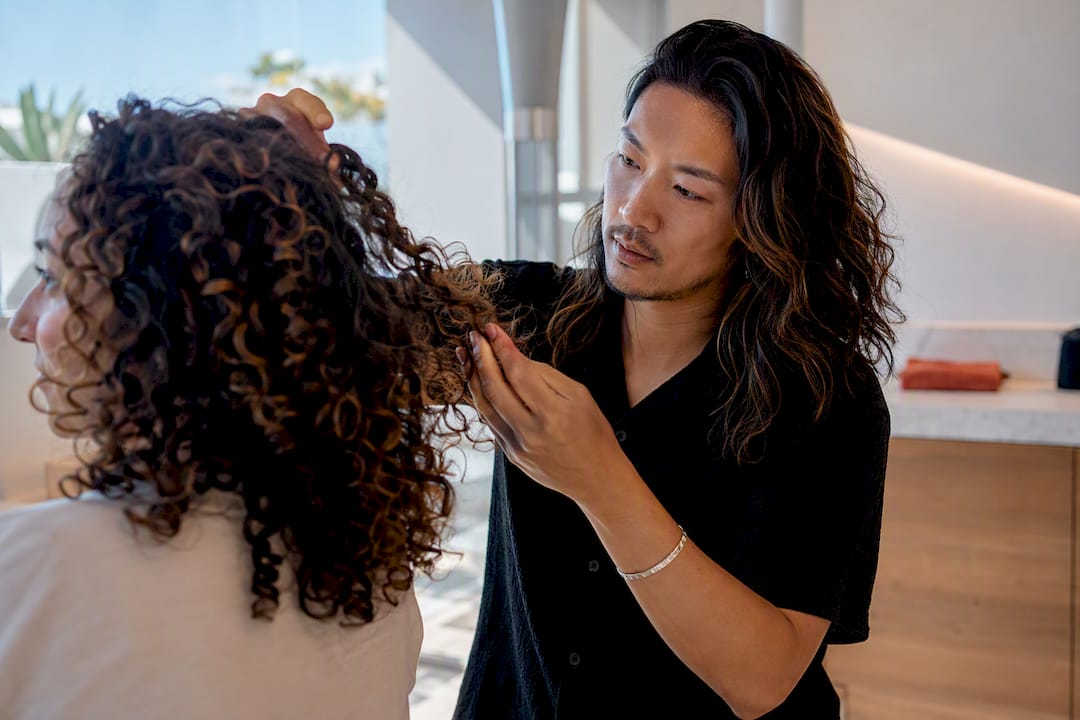
The best hairdresser for curly hair is a specialist who runs a real consultation, checks curl type and porosity, and cuts hair dry so every curl falls where it actually lands. For readers in La Jolla or San Diego, Joel C Ma Hair Studio is a direct, verifiable option built around that exact approach. Anywhere else, the checklist below tells you how to find the same thing locally.
TL;DR:
- Search for stylists who explicitly mention dry cutting, curl-specific training, and portfolio photos with natural curl textures, not just general salon images.
- Prioritize salons that cross-reference reviews, social media, and curl-focused blogs before trusting their claim to expertise.
- Expect longer appointment times and higher costs for consultations, dry cuts, and styling, especially when color services are involved.
- Ensure a stylist assesses porosity, curl pattern, damage, and goals before any cut, and discusses homecare and product choices tailored to your specific hair.
- Remember that technique, particularly curl-by-curl shaping and moisture-friendly products, outweighs product selection in achieving lasting, healthy curls.
Table of Contents
- What Should You Look for When Choosing a Curly Hair Specialist?
- How Do You Find a Trusted Curly Hair Specialist Near You?
- What Happens During a Curly Cut and Styling Appointment?
- What Makes a Curly Hair Studio Genuinely Trustworthy?
- Our Take on Choosing a Curly Specialist
- Book a Curly Specialist Consultation at Joel C Ma Hair Studio
- Sources
- FAQ
What Should You Look for When Choosing a Curly Hair Specialist?
Most curly cuts go wrong before the scissors ever touch the hair. They go wrong in the five minutes of small talk that should have been a real consultation. If a stylist skips straight to wetting your hair down and combing it flat, that’s already a red flag.
Start with the consultation, not the cut
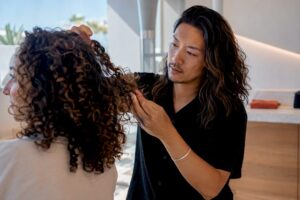
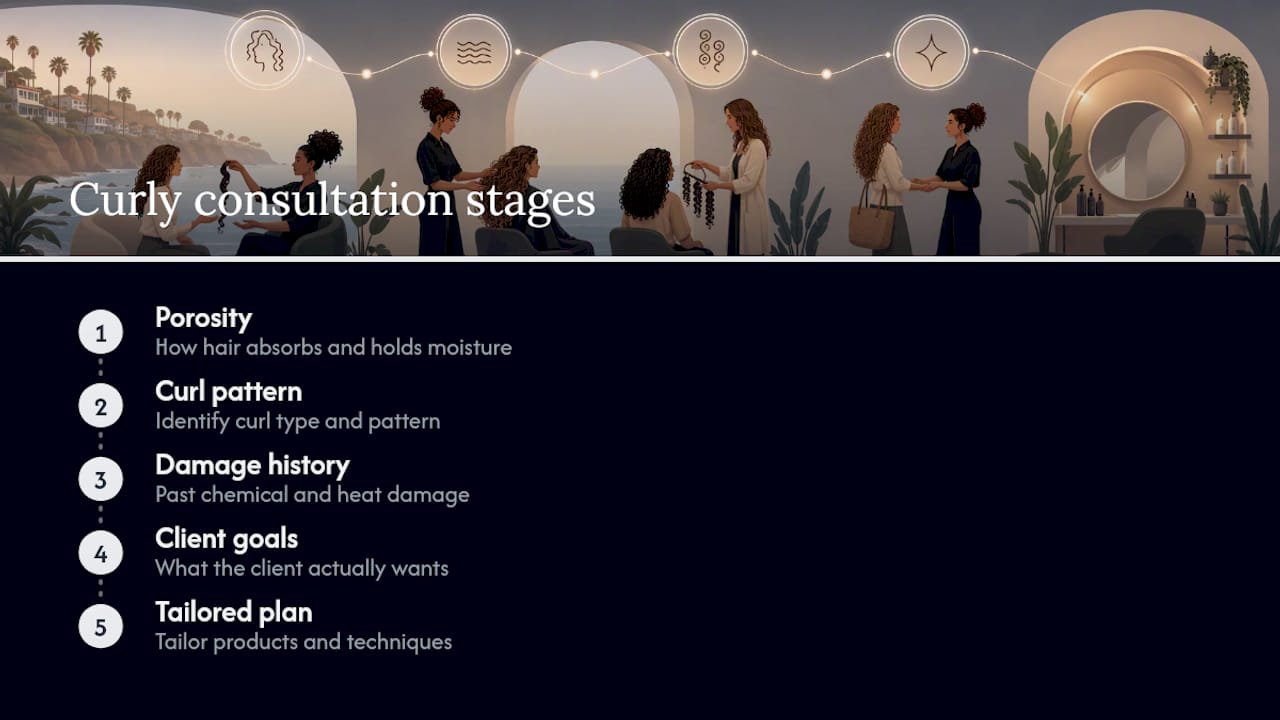
A curly-hair consultation should cover four things: porosity, curl pattern, damage history, and what you actually want. Porosity determines how your hair absorbs and holds moisture, and it changes which products and techniques will work. High-quality curly consultations assess hair health, porosity, and curl type before any product touches your head, then tailor the plan from there. If a stylist can’t explain your porosity in plain terms, or doesn’t ask about your styling history at all, that’s a gap worth noticing.
Check for real cutting expertise
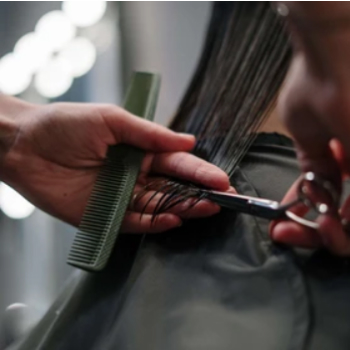
Ask whether the stylist cuts curls dry, wet, or both, and why. Dry cutting lets a stylist see exactly how each curl falls and shape around that natural spring, which is why many curl specialists favor it over blind wet cutting that risks the dreaded “pyramid” shape. Stylists who’ve invested in curl-specific cutting techniques usually mention it upfront, without you having to ask twice.
Look for these signals in a stylist’s bio, portfolio, or in-person answers:
- Explicit mention of dry cutting or curl-by-curl shaping
- Reference to curl-focused training, certifications, or workshops
- A portfolio with multiple curl types, not just one loose wave pattern
- Comfort naming techniques like praying-hands application, raking, or diffusing
- Willingness to discuss porosity and product ingredients without hesitation
Watch for the styling method, not just the cut
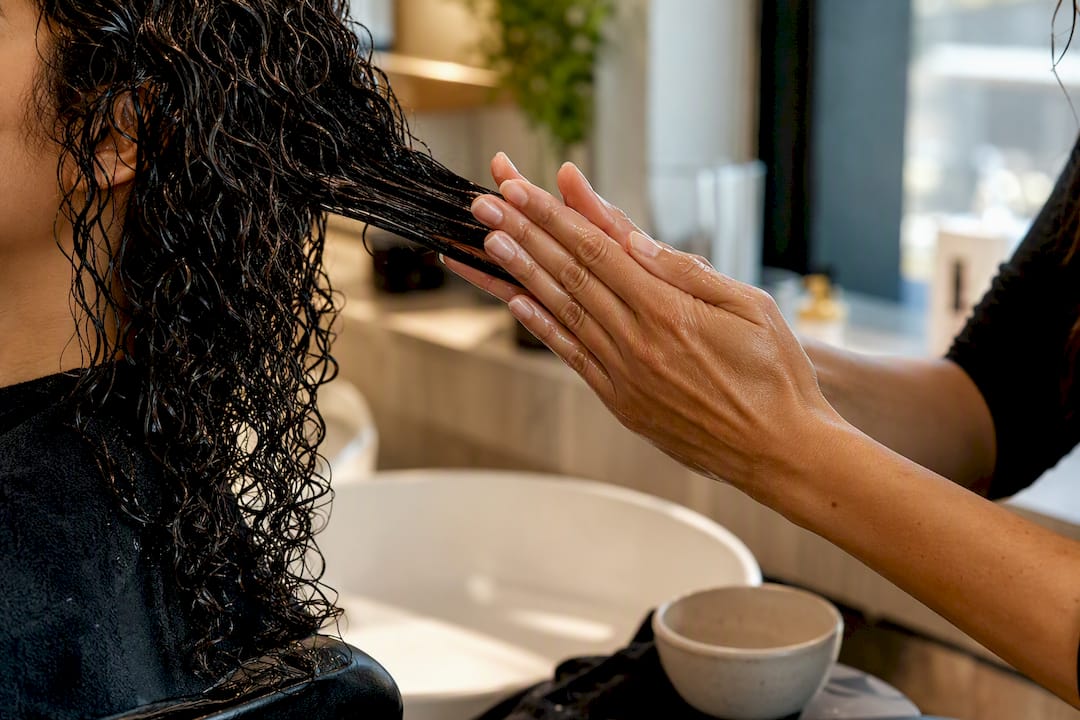
Technique shows up after the scissors, too. Applying product to soaking-wet hair tends to distribute it more evenly and encourage tighter, more defined clumping than working on damp or dry strands. Watch whether the stylist uses praying-hands motions to smooth product down the hair shaft, rakes with fingers to distribute evenly, or finger-coils individual sections. These aren’t showy extras. They’re the difference between a curl that holds its shape at hour six and one that frizzes out by lunch.
Product cues that separate specialists from generalists
A curl specialist’s product cart usually skews toward moisture-retaining products and ingredients. Sulfate-free cleansers, silicone-free stylers, and leave-in conditioners built around botanical emollients dominate professional curl lines because they preserve elasticity instead of stripping it. That said, the Curly Girl Method is not gospel for every head of curls. Fine or low-porosity curls sometimes need occasional protein or clarifying steps that strict Curly Girl rules would forbid, and a good stylist will say so instead of reciting a script.
Pro Tip: Ask your stylist to name one situation where they’d break Curly Girl rules for a client. A confident, specific answer tells you more than any certificate on the wall.
Before you book, run through this short list:
- Does the stylist have photo-backed before-and-afters that show curls, not just blowouts styled straight for the camera?
- Are reviews specific about curly results, not generic “great haircut” comments?
- Is pricing and time estimated upfront, with no vague “we’ll see” answer?
- Does the consultation happen before the cut, every time, not just for first visits?
- Can they explain their reasoning for wet versus dry cutting on your specific hair?
If three or more of those come back uncertain, keep looking. A personalized consultation before the first snip is the single strongest predictor of a good outcome, and it costs you nothing to ask for one.
How Do You Find a Trusted Curly Hair Specialist Near You?
Generic “best of” salon lists rarely tell you anything about curl expertise specifically. A salon can rank high for color or bridal styling and still have zero staff trained in curl work. You need a different search method.
Look in three places, not one
Cross-reference a stylist across three sources before trusting their claim to curl expertise:
- Instagram or portfolio galleries. Look for actual curl transformations, shot in natural light, showing the same client from multiple angles. Filtered “after” shots with no visible curl texture are a warning sign.
- Google Reviews with photos. Text reviews are easy to write. Photo reviews from real clients showing defined, healthy curls are harder to fake and far more useful.
- Salon service pages and local curl-focused blogs. A salon that dedicates page space to curl technique, porosity, or product philosophy is signaling real investment, not just a service line item.
Read the language, not just the photos
Certain phrases in a bio or listing are worth more than others. “Curl specialist,” “trained in dry cutting,” “DevaCurl certified,” or references to specific styling techniques like raking or finger-coiling suggest real education. Vague phrases like “we do all hair types” without elaboration usually mean curls are an afterthought, not a focus.
Search smarter than “curly hair salon near me”
Broad searches surface whoever spent the most on ads, not whoever cuts curls best. Try narrower queries instead: “[city] curly hair specialist reviews,” “[city] dry cut curly hair,” or “[city] curl consultation.” Add “before and after” to any of those and you’ll filter out salons with no visual proof to back their claims.
What to expect on cost and timing
Pricing for curly-specific services varies by market and by how much color or treatment is involved, but urban curly cuts with a consultation and styling session commonly run longer than a standard cut, since curl assessment and technique-specific styling both take real time.
Treat these as general ranges. Ask any salon for its specific pricing and time estimate before booking, since it varies by stylist seniority and service complexity.
What Happens During a Curly Cut and Styling Appointment?
A good curly appointment follows a sequence, and knowing that sequence helps you spot a stylist who’s skipping steps.
- Intake questions. Expect to be asked about your wash routine, product history, how often you heat-style, and what frustrates you most about your current curl pattern.
- Hair assessment. The stylist examines your curls dry first, checking porosity, density, and where curl patterns shift across your head (many curly heads have two or three distinct patterns).
- Sectioning and cutting. Curls get sectioned by pattern, then cut dry, wet, or in combination, depending on the stylist’s training and your hair’s specific needs.
- Product application. This is where technique-specific methods show up. Praying-hands smooths product along the shaft. Raking distributes it through larger sections with fingers spread wide. Finger-coiling twists individual curls to reinforce their natural shape before drying.
- Diffusing or air-drying. A diffuser attachment on a blow dryer speeds up drying while preserving curl clumping, using low heat and an upward motion that doesn’t disturb the shape.
- Homecare handoff. A thorough stylist tells you exactly which products they used, in what order, and how often to repeat the routine at home.
Color and chemical safety for curls
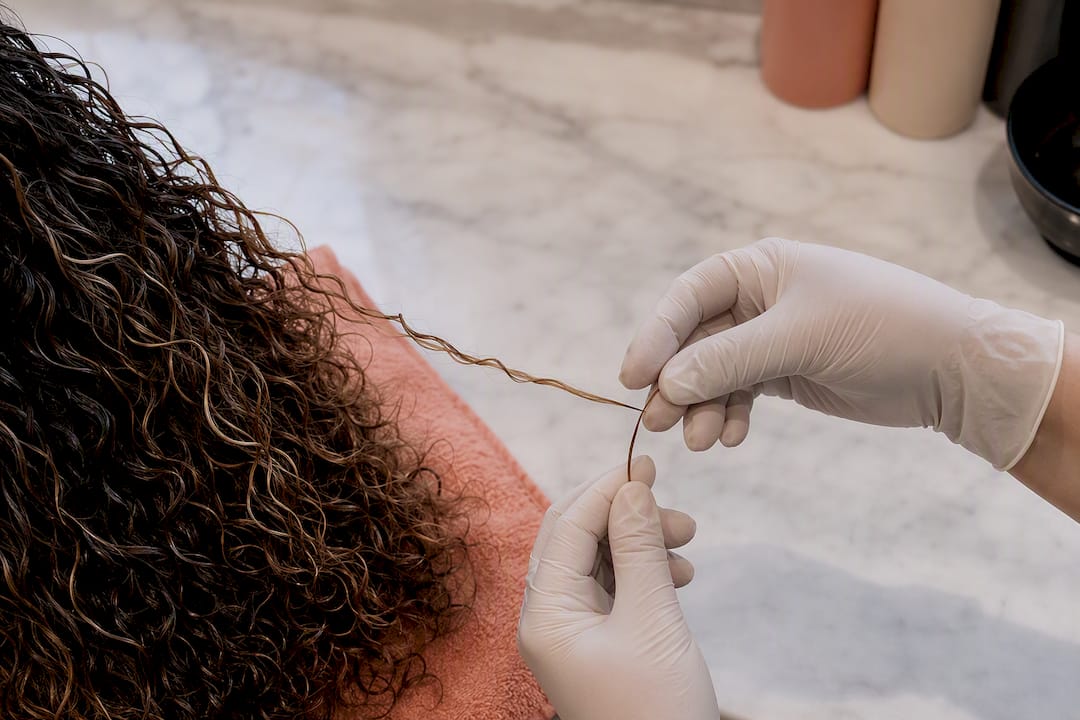
Color services on curly hair carry more risk of altering curl pattern than most clients expect. A specialist checks hair elasticity and existing damage before recommending balayage, highlights, or any lightening service, and will postpone color work if hair shows signs of over-processing or breakage. If a colorist doesn’t ask about your curl history before opening a color line, that’s worth questioning.
Pro Tip: Ask your stylist to write down (or text you) the exact product names and application order they used. Recreating the salon result at home usually comes down to that list, not a fancier styling tool.
A stylist worth trusting typically documents three things before you leave the chair: the products used, the step order for your home routine, and a recommended trim interval based on your growth pattern and how quickly your ends show wear.
What Makes a Curly Hair Studio Genuinely Trustworthy?
Twenty-five years in the industry teaches you something most quick-service salons never learn: curls aren’t a variation on straight-hair technique, they’re a different discipline entirely. That’s the foundation Joel C Ma Hair Studio in La Jolla, California, was built on, with a team trained in advanced cutting and color techniques including balayage, and a product selection curated around moisture retention rather than one-size-fits-all formulas.
A stylist’s job isn’t to force curls into a standardized shape. It’s to work with the pattern that’s already there and help the client understand how to maintain it long after they leave the chair.
That philosophy shows up in the studio’s approach to personalized styling consultations, where curl type, porosity, and goals get discussed before any cutting decision gets made. A typical client journey starts with that consultation, moves into a curl-aware cut, and ends with a specific homecare plan, not a generic “use good products” send-off. Clients leave knowing which products were used and why, plus when to book the next trim based on how their specific curl pattern grows out.
Our Take on Choosing a Curly Specialist
Most curly hair advice focuses on products: the right cream, the right gel, the right combination of the two. That’s backwards. Product only works as well as the cut underneath it, and a bad cut sabotages even the best styling routine. The research on dry cutting and curl-by-curl shaping makes this pretty clear: technique comes first, product second.
The conventional wisdom that everyone with curls should follow Curly Girl rules to the letter also deserves pushback. Rigid rule-following ignores that porosity and damage history vary enormously between two people with the same curl pattern. A specialist who tailors moisture and strengthening treatment to your actual hair, rather than a checklist, is doing better work than one reciting product bans.
If you’re choosing where to spend your money, prioritize the consultation and the cutting technique first. Everything else, including which shampoo ends up in your shower, is a downstream decision.
— Juiced
Book a Curly Specialist Consultation at Joel C Ma Hair Studio
If you’re in La Jolla or the greater San Diego area, you can look for a salon that offers real consultations, curl-aware cutting, and color-safe protocols handled by experienced stylists.

Booking starts with a consultation where the team assesses your curl pattern, porosity, and hair health before recommending a cut or color plan. Plan to set aside ample time for a first visit, since a proper curly consultation and cut takes longer than a standard trim. Bring photos of curl results you like and, if possible, come with hair in its natural, unwashed state so the stylist can see your true pattern rather than a stretched-out or product-heavy version of it.
Choosing an in-salon specialist over a DIY routine or a generalist stylist matters most when you’ve already tried products on your own without lasting results. A trained eye catches porosity and pattern issues that no amount of internet research replaces. Browse the studio’s haircut services to see what’s included, or explore curl-enhancing cut styles before your first appointment to bring reference photos that actually match your hair type.
Sources
- CG-approved Curly Girl Method — PrettyCurlyGirl
- Wet styling vs damp styling for curly hair — OnlyCurls
- Styling and caring for curly hair — Cloud Nine
- What is the Curly Girl Method? — Curl Maven
Always confirm technique and product recommendations with a certified stylist familiar with your specific curl pattern.
FAQ
What Is the Best Type of Haircut for Curly Hair?
The best cut is usually a dry, curl-by-curl shaped cut that follows your natural curl fall rather than a uniform wet cut, since dry cutting reduces the risk of unwanted bulk for most curl textures.
How Often Should You Get a Curly Hair Trim?
Most curly hair holds its shape well between trims in a moderate timeframe, though the right interval depends on your growth rate and how quickly your ends show damage, something a specialist should tell you at your first visit.
Should You Follow the Curly Girl Method Strictly?
Not necessarily. Experts note the Curly Girl Method isn’t one-size-fits-all, and fine or low-porosity curls sometimes benefit from occasional protein treatments or clarifying steps that strict rules would exclude.
What Should You Bring to a Curly Hair Consultation?
Bring your hair in its natural, unwashed texture along with photos of results you like, so the stylist can assess your real curl pattern and porosity instead of a stretched or product-heavy version of it.
Does Joel C Ma Hair Studio Specialize in Curly Hair?
Yes. A salon specializing in curly hair may offer curl-focused consultations, dry-cutting techniques, and color-safe protocols designed around individual curl type and porosity.