
Avoid Same Day Damage: La Jolla Consult First Color Correction Salon
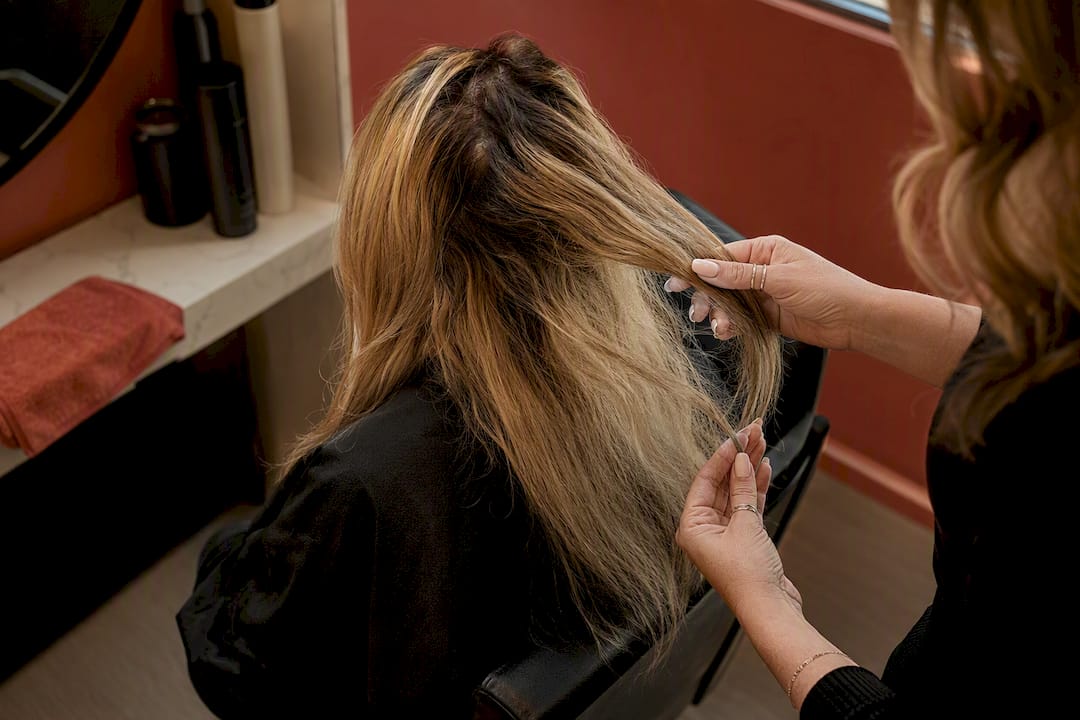
If you’re searching for the best hair color correction salon near you, the answer isn’t the shop promising a miracle fix by tonight. It’s a salon that leads with a real consultation, stages the work over the visits your hair actually needs, and can show you finished corrections, not just before photos. Joel C Ma Hair Studio in La Jolla fits that description with extensive hands-on color correction experience, a consult-first process, and a portfolio built on corrections done right the first time.
TL;DR:
- Expect multiple sessions with bond-building treatments, strand tests, and staged lifting for significant corrections like black to blonde, often spanning several weeks.
- A thorough consultation, including reviewing your chemical history and seeing similar correction portfolios, is essential before any color work begins.
- Accurate preparation with photos, a detailed service history, and acceptance of staged plans can prevent surprises and minimize damage during correction.
- Proper aftercare, including sulfate-free shampoos and UV protectants, is crucial to maintain the corrected tone and extend its longevity.
- Avoid salons that guarantee quick fixes or skip strand tests, as staged, consultation-driven corrections better protect hair health and ensure a natural result.
Table of Contents
- What Happens During a Professional Hair Color Correction Appointment
- How Do You Choose the Best Salon for Color Correction?
- How to Prepare for Your Color Correction Appointment
- Aftercare: Protecting Your Corrected Color Long Term
- Why Consult-First Correction Beats the Quick Fix
- Book a Color Correction Consultation With Joel C Ma Hair Studio
- Sources
What Happens During a Professional Hair Color Correction Appointment
A legitimate color correction never starts with a bowl of dye. It starts with a conversation and a test strand, and that order matters more than most people realize.
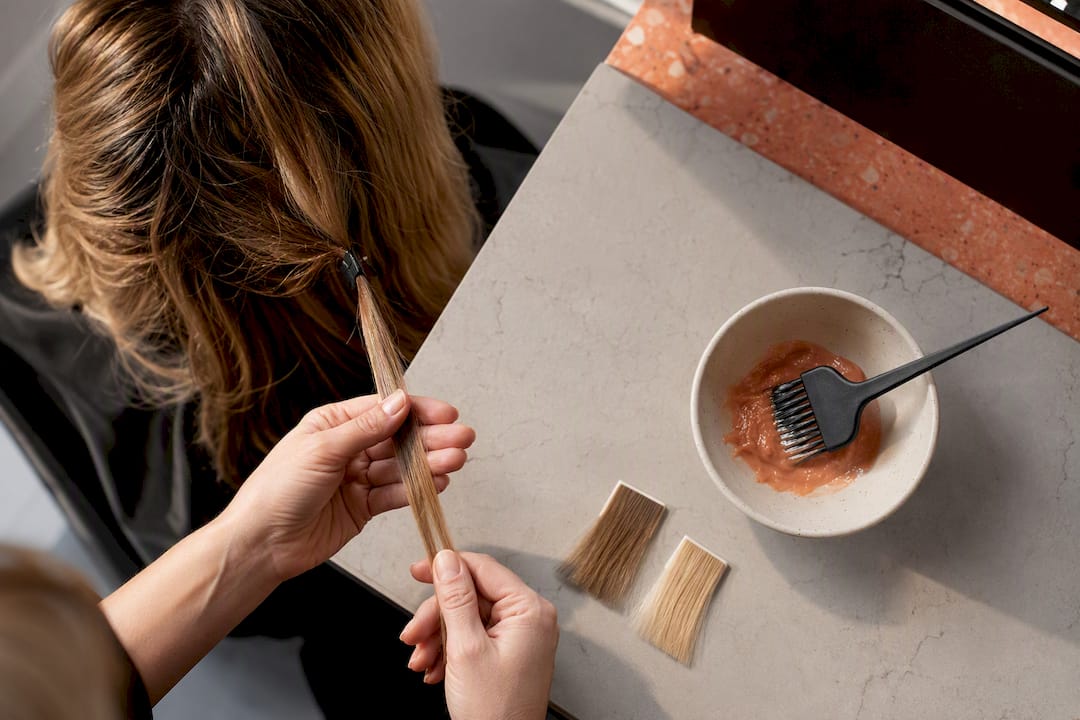
The stylist examines your hair’s current tone, porosity, and elasticity before touching a single section. A strand test follows: a small piece of hair gets treated with the proposed formula so the colorist can see how it actually lifts or deposits, rather than guessing. This is the same logic behind how Ulta’s salon services frame a “color transformation,” which it prices and books by consultation rather than as a flat-rate service, precisely because the scope of correction work varies so much from head to head.
From there, most corrections follow a pattern:
- Consultation and diagnosis: assessing damage, previous chemical history, and target tone.
- Strand or patch test: confirming how the hair will respond before full application.
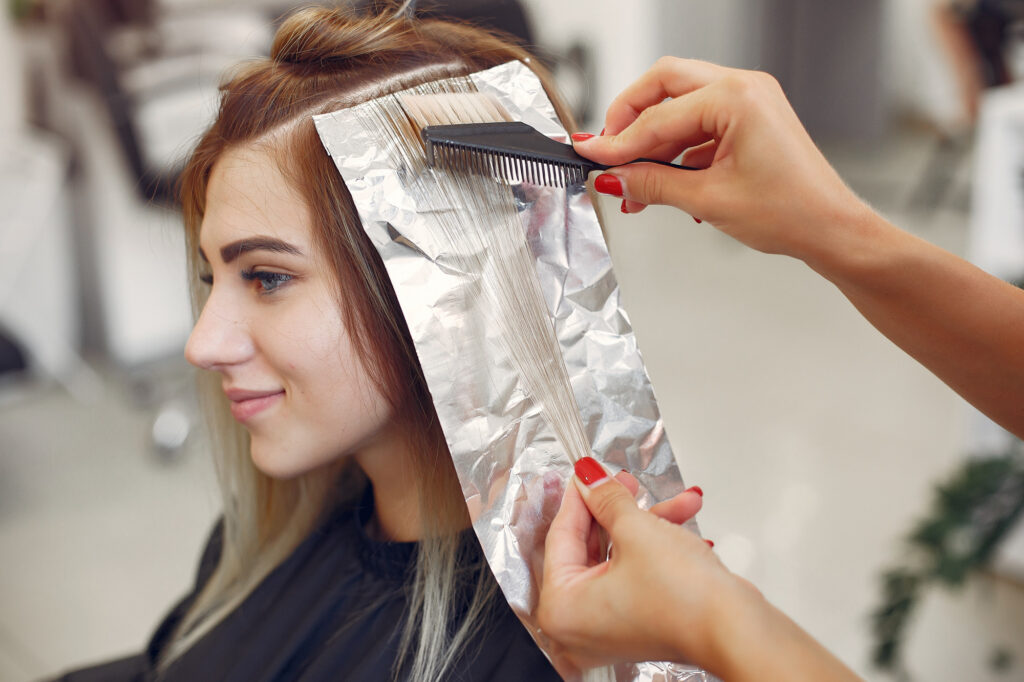
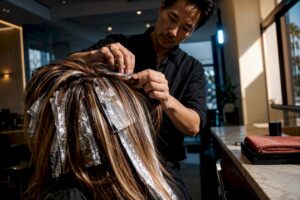
- Staged lift-and-tone or tone-only correction: lifting unwanted pigment in controlled passes, or skipping straight to toning if the base is close enough.
- Bond-building treatment: protein and bond protectants applied during or after lightening to reduce breakage.
- Follow-up visit: a second or third appointment to finish toning, deepen color, or check integrity.
A single mild toner correction might take one two-hour visit. A correction from box-dye black to a natural-looking blonde can realistically take two to four separate appointments spread over several weeks. Stylists rely on bond-building protocols during strand testing to judge how much lift the hair can safely handle in one sitting, and that judgment call, more than any product on the shelf, is what separates a stylist who protects your hair from one who just chases the color.
Pro Tip: If a stylist tells you your correction will take multiple visits, that’s not a stall tactic. It’s usually the difference between healthy hair and hair that snaps off in the sink.
How Do You Choose the Best Salon for Color Correction?
Vetting a color correction specialist takes more effort than picking a salon for a routine touch-up, and it should. You’re trusting someone to undo a mistake without creating a bigger one.
Run down this checklist before you book anything:
- Portfolio of similar corrections. Ask to see before-and-after photos of corrections close to your situation, not just flattering balayage shots.
- Consultation-first policy. A salon that quotes a price over the phone for a “full correction” without seeing your hair is guessing.
- Documented safety protocols. Strand testing and bond-building treatments should be standard, not an upsell.
- Transparent pricing factors. Length, density, current color, and number of sessions all affect cost, and a good stylist explains why.
- Client testimonials with specifics. Vague five-star reviews matter less than a client describing a similar fix and how many visits it took.
At the consultation itself, ask direct questions: How many corrective color cases has this stylist handled in the last year? What’s the realistic number of visits for your specific goal? Will they use bond-building treatments during lightening? What does aftercare look like once the color is where you want it? A salon like Joel C Ma Hair Studio’s personalized consultation approach treats this conversation as the actual service, not a formality before the “real” appointment.
Watch for red flags, too. Anyone guaranteeing a drastic transformation in one sitting, skipping the strand test, or pushing you toward the most expensive package before assessing your hair is optimizing for the sale, not your hair’s health.
How to Prepare for Your Color Correction Appointment
Preparation shapes how accurate your consultation turns out to be, and it takes ten minutes of effort at home.
Bring two sets of photos: your hair as it looks right now, in natural light, and the target result you’re chasing. Write down every chemical service from the past year, including box dye, keratin treatments, and any at-home toners, because that history changes what your hair can safely tolerate. If you’ve been using a metallic dye or henna, mention it explicitly. Those products react unpredictably with professional lightener and can turn a routine correction into a longer, costlier process.
- Photograph your hair in daylight, roots and ends both.
- List every color service and product used in the last 12 months.
- Follow any salon-specific instructions on washing (some corrections work better on unwashed hair, others on freshly cleansed strands).
- Come prepared to accept a staged plan rather than a single-visit promise.
- Ask about deposits and scheduling, since multi-session corrections often require booking the next visit before you leave.
A stylist working from accurate history can plan the right sequence of steps instead of discovering surprises mid-process, which is exactly the point of the studio’s own prep guidance for corrective clients.
Aftercare: Protecting Your Corrected Color Long Term
The first 48 to 72 hours after a correction set the tone for how long the result lasts. Most colorists recommend waiting at least that long before the first shampoo, giving the cuticle time to close around the new pigment.
After that window, your product choices matter as much as the salon work itself. Look for:
- Bond-building treatments for home use, extending the in-salon protein work.
- Sulfate-free, color-safe shampoos and conditioners that don’t strip freshly deposited tone.
- Color-depositing masks to refresh warmth or coolness between salon visits.
- UV protectants, since sun exposure fades toner faster than almost anything else.
Toner and gloss refreshes typically happen every four to six weeks, while a full correction should hold for months if the base work was sound. If you notice unexpected brassiness, uneven fading, or the color pulling in a direction you didn’t discuss, that’s a sign to call the salon rather than reach for a box of dye. A trusted resource on making salon color last longer breaks down the routine in more depth, and pairing that routine with a scalp-focused product like Splendora’s hair loss prevention serum can support overall hair health while your corrected color settles in.
Why Consult-First Correction Beats the Quick Fix
Most people searching for a color fix want speed. That instinct is understandable and almost always the wrong priority. The salons that treat correction as a staged, consultation-driven process aren’t being slow for the sake of it. They’re managing a chemical reality: hair that’s already been over-processed has a breaking point, and pushing past it for the sake of a same-day result is how corrections turn into worse damage than the original problem.
Joel C Ma Hair Studio’s approach reflects over 25 years of the founder’s hands-on color work, built around exactly this philosophy. The studio relies on strand testing, bond-building treatments, and a documented consultation process before any lightener touches your hair, which is the same discipline reflected in its color correction service page and its portfolio of client transformations. That patience is the actual product you’re paying for, not the tube of color.
— Juiced
Book a Color Correction Consultation With Joel C Ma Hair Studio
If you’re in the La Jolla or San Diego area and dealing with brassy tones, uneven color, or a box-dye mishap that needs professional attention, Joel C Ma Hair Studio is built for exactly this work. Founder-level experience, a consult-first process, and a portfolio of real corrections mean you’re not gambling on a same-day promise that a strand test would have ruled out anyway.
Start with a corrective color consultation rather than jumping straight into a booking for a full service. The stylist will assess your hair’s current state, walk through a staged plan if one is needed, and give you a realistic timeline and cost range before any color goes on. Once your correction is complete, browse the studio’s guide to salon shampoos for colored hair to keep the result looking as good in month three as it did the day you left the chair. A deposit typically secures your first appointment, and the consultation itself sets the schedule for everything that follows.