
Best Hair Product for Long Hair: Your 2026 Guide

TL;DR:
- Choosing the right long hair products involves selecting formulas tailored to your porosity and application techniques. Using a layered system of shampoo, conditioner, masks, and protectants helps prevent breakage and length loss. Proper application and routine balance are crucial for maintaining long hair health and growth.
A hair product for long hair is specifically formulated to nourish, protect, and style lengthy strands without weighing them down or causing damage. Long hair faces challenges that short hair simply does not: natural scalp oils rarely travel past the mid-shaft, ends accumulate years of wear, and every styling session adds mechanical stress. The right products address each of these zones separately. Targeted long-hair care systems reduce split ends by 78% and breakage by 81% compared to non-conditioning routines. That gap explains why product choice matters far more than most people realize.
What hair products are essential for long hair health?
Long hair care, known in the professional world as length retention care, requires a layered product system rather than a single solution. Each product category serves a distinct function, and skipping one creates a gap that the others cannot fill.
- Shampoo formulated for length. A sulfate-free or low-sulfate shampoo cleans the scalp without stripping moisture from the mid-shaft and ends. Apply it only at the roots and let the rinse water carry it down the length.
- Rinse-out conditioner. Conditioner replenishes moisture lost during cleansing and detangling. Apply from mid-shaft to ends, leave it on for two to three minutes, and rinse with cool water to seal the cuticle.
- Deep conditioning treatment. A weekly or biweekly mask delivers concentrated hydration and protein. This step is non-negotiable for color-treated or heat-styled long hair.
- Leave-in conditioner. Leave-in products provide ongoing moisture and protection between wash days. Advanced leave-in formulations deliver up to 72 hours of hydration and protect against heat up to 450°F. That dual function makes leave-ins one of the highest-value products in any long hair routine.
- Bond-building repair serum. Modern bond-building treatments use time-release technology to replenish hydrogen, ionic, and disulfide bonds, improving elasticity and resilience. Consistent use of four to five pumps shows measurable results within a month.
- Heat protectant. Any thermal styling tool above 300°F causes protein degradation without a barrier product. A heat protectant spray or cream is the last step before blow-drying, flat-ironing, or curling.
Each of these products targets a specific vulnerability in long hair. Using all six in rotation gives you a complete defense against the most common causes of length loss.
How to select the right products based on hair type and porosity
The single biggest mistake in long hair care is choosing products based on texture alone. Porosity, which describes how readily your hair absorbs and retains moisture, determines which formulations actually work for you.
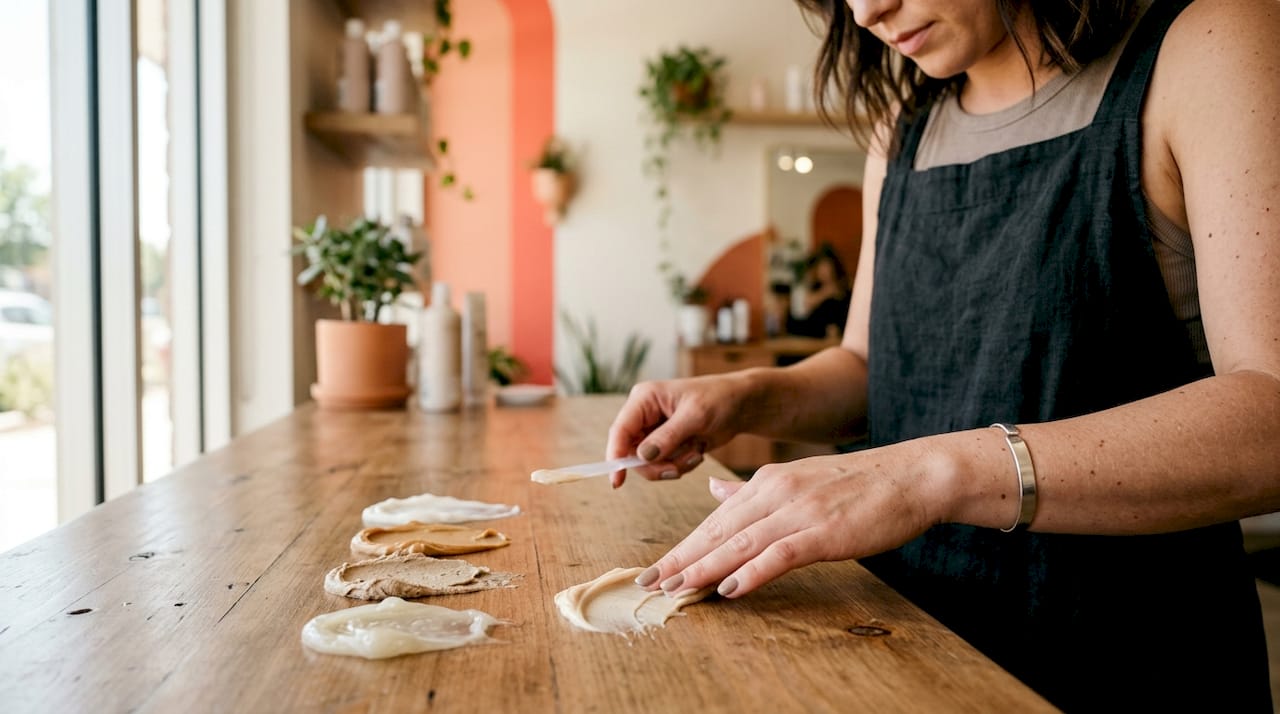
High-porosity hair has a raised, damaged, or chemically altered cuticle. It absorbs moisture quickly but loses it just as fast. High-porosity hair benefits from sealing products like butters, oils, and heavier creams that lock moisture in. Low-friction care methods, such as microfiber towels and satin pillowcases, prevent further cuticle damage.
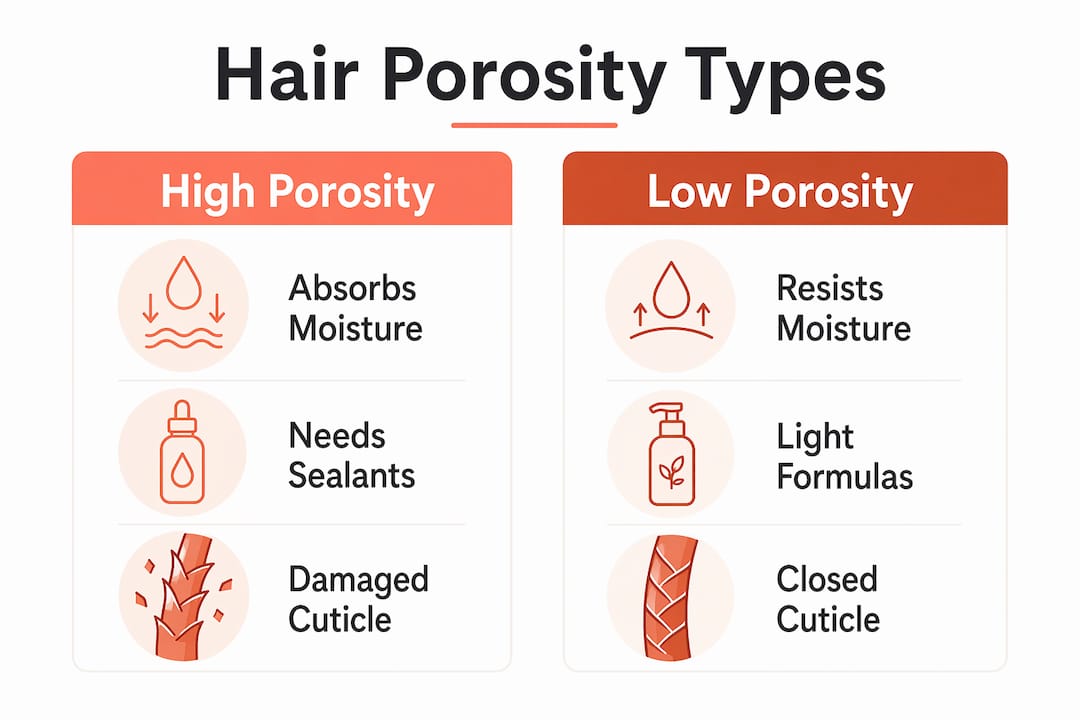
Low-porosity hair has a tightly closed cuticle that resists moisture absorption. Heavy creams and butters sit on the surface and cause buildup. Low-porosity hair performs better with lightweight leave-ins, water-based moisturizers, and heat-activated deep conditioners that open the cuticle temporarily.
| Hair characteristic | Product density | Key formulation to prioritize |
|---|---|---|
| Low porosity, fine texture | Lightweight | Water-based leave-ins, light serums |
| Low porosity, medium texture | Lightweight to medium | Mousse, light cream, liquid stylers |
| High porosity, fine texture | Medium | Protein treatments, light sealants |
| High porosity, coarse texture | Medium to heavy | Butter-based creams, sealing oils |
Straight and wavy hair types generally tolerate lighter formulas. Curly and coily textures need more moisture and hold, but porosity still overrides texture as the primary selection factor. Natural scalp oils do not travel fully down long hair, so ends always need more product than roots regardless of hair type.
Pro Tip: Check your scalp condition before selecting any product. An oily scalp paired with dry ends is common in long hair. Use a clarifying shampoo at the roots and a rich conditioner at the ends rather than applying one formula everywhere.
What are the best practices for applying and layering products on long hair?
Correct application technique determines whether a product performs as advertised or causes buildup, limpness, and breakage. The sequence and placement of products matter as much as the formulas themselves.
- Detangle before washing. Aggressive brushing of dry, tangled hair is a leading cause of breakage. Apply a lightweight leave-in or detangling spray to dry hair and work through knots with a wide-tooth comb from ends to roots before stepping into the shower.
- Section your hair. Divide long hair into four sections before applying any treatment. This ensures even product distribution and prevents you from over-applying in some areas while missing others.
- Apply from mid-shaft to ends. Roots produce their own oil. Products applied at the root add unnecessary weight and accelerate greasiness. Start every conditioner, mask, and styling product at the mid-shaft and work toward the ends.
- Start with a small amount and build. A dime-sized amount of styling cream or a single pump of serum is almost always enough for a first pass. Add more only if needed. Excess product is the primary cause of buildup and limp hair.
- Alternate moisturizing and clarifying treatments. Experts advise alternating moisturizing treatments with clarifying routines to prevent buildup and maintain moisture balance. A clarifying shampoo every two to four weeks resets the hair and scalp without stripping essential moisture.
- Protect hair at night. Sleeping on a satin or silk pillowcase reduces friction. Loosely braiding or twisting long hair before bed prevents tangling and mechanical stress while you sleep.
Pro Tip: Apply your leave-in conditioner to damp, not soaking wet, hair. Excess water dilutes the product and reduces how much actually absorbs into the strand. Squeeze out water with a microfiber towel first, then apply.
How do styling products enhance long hair without compromising health?
The best hair styling product for long hair delivers hold and frizz control without leaving residue or blocking moisture absorption. Modern formulations have shifted toward lighter, buildable textures that work with the hair’s natural movement rather than against it.
- Air-dry creams define texture and reduce frizz without heat. They work on wavy and curly long hair by enhancing the natural pattern while keeping strands flexible. Lightweight, buildable formulas with pea-sized amounts provide control without weighing hair down.
- Mousses and foams add volume and hold to fine or straight long hair. They distribute evenly through wet hair and dry without crunch when used in the right quantity.
- Light styling sprays work as finishing products. A flexible-hold spray locks a style in place without stiffness and can be layered over creams or serums.
- Shine serums smooth the cuticle and add reflectivity to the ends. A single drop of a silicone-based or plant-oil serum applied to dry ends eliminates frizz and adds visible gloss.
Heavy creams and waxes are the most common styling mistake for long hair. They cause sticky residue and buildup that requires more frequent washing, which in turn dries out the hair further. Stick with formulas that rinse clean and do not leave a coating on the strand. For men with long hair, the same principles apply: lightweight pomades and water-based styling creams outperform heavy waxes for both health and appearance. Joelcma’s stylists consistently recommend long hair styling ideas that pair well with these lighter formulas for a polished, natural finish.
Key Takeaways
The most effective approach to long hair care is a layered product system matched to your hair’s porosity, applied with precise technique, and alternated with regular clarifying treatments to prevent buildup.
| Point | Details |
|---|---|
| Match products to porosity | High-porosity hair needs sealants; low-porosity hair needs lightweight, water-based formulas. |
| Layer products correctly | Apply from mid-shaft to ends and start with small amounts to avoid buildup and limpness. |
| Alternate treatments | Rotate moisturizing and clarifying routines every two to four weeks to maintain moisture balance. |
| Detangle before washing | Use a leave-in or detangler on dry hair before the shower to prevent mechanical breakage. |
| Choose lightweight styling formulas | Pea-sized amounts of air-dry creams, mousses, or light sprays deliver hold without residue. |
What I’ve learned after years of watching long hair routines fail
The most common mistake I see is product stacking without a plan. Someone buys five new products, uses them all at once, and wonders why their hair feels heavy and dull after two weeks. The issue is never the products individually. It is the lack of a reset cycle.
Preventive care through gentle daily habits is more effective than any emergency treatment. I have watched clients spend hundreds of dollars on repair treatments that could have been avoided entirely with a satin pillowcase and a gentler brush. The hair you protect today is the length you keep next year.
The other myth worth addressing directly: more product does not equal healthier hair. A balanced routine that alternates hydration and clarifying does more for long hair than doubling down on conditioning every single wash. The moisture and buildup balance is the real goal, and most people tip too far toward over-conditioning without realizing it.
Scalp health is the foundation that most long-hair routines ignore. If your scalp is congested or irritated, no amount of end treatment will produce the growth or shine you are after. Treat the scalp and the lengths as separate problems requiring separate solutions. That single shift in thinking changes everything about how you shop for and apply products.
— Juiced
Expert long hair care at Joelcma in La Jolla
Long hair care works best when product knowledge meets professional technique. At Joelcma, the team brings over 25 years of experience working with every hair type, texture, and length.
Whether you want a personalized product plan or a full styling session, Joelcma’s hair styling techniques are built around your specific hair characteristics, not a generic template. The studio’s complete styling checklist helps you prepare for each appointment and maintain results at home. Book a consultation at the La Jolla studio to get a routine that actually fits your hair, your lifestyle, and your goals.
FAQ
What is the best hair product for long hair?
The best product system for long hair includes a sulfate-free shampoo, a rinse-out conditioner, a weekly deep conditioning mask, a leave-in conditioner, and a heat protectant. Matching each product to your hair’s porosity level produces the strongest results.
How do I prevent breakage in long hair?
Detangle with a leave-in conditioner or lightweight detangler before washing, and always work from ends to roots. Aggressive dry brushing is the leading cause of mechanical breakage in long hair.
What hair care products work for men with long hair?
Men with long hair benefit from the same core system: a scalp-focused shampoo, a mid-shaft-to-ends conditioner, and a lightweight styling product such as a water-based cream or light pomade. Avoiding heavy waxes prevents buildup and keeps long hair looking clean between washes.
How often should I use a clarifying shampoo on long hair?
Use a clarifying shampoo every two to four weeks to remove product buildup and restore moisture absorption. More frequent use strips natural oils; less frequent use allows residue to accumulate and dull the hair.
Do leave-in conditioners work for all long hair types?
Leave-in conditioners work for all long hair types, but the formula must match your porosity. Low-porosity hair needs a water-based, lightweight leave-in. High-porosity hair benefits from a richer, cream-based formula that seals the cuticle and slows moisture loss.