
Women Hair Transplant Near Me: What You Need to Know

TL;DR:
- Female hair transplants move healthy follicles to thinning areas, requiring careful planning for long-lasting results. Candidates must have stable donor hair and treat underlying conditions before surgery, which costs between $6,000 and $15,000. Doctor-led procedures and personalized assessments improve safety, natural appearance, and overall success.
A women’s hair transplant is a surgical procedure that moves healthy hair follicles from a stable donor area to thinning or balding zones on the scalp. If you’ve been searching for a women hair transplant near me, you’re not alone. Nearly 1 in 5 women experience hair loss at some point in their lives. That number reflects a real medical need, not a cosmetic preference. Female hair restoration differs significantly from male procedures in pattern, evaluation, and surgical planning. Understanding those differences is the first step toward finding the right local provider and getting results that actually last.
What is a female hair transplant and how does it differ from men’s procedures?
Female hair transplantation is not a scaled-down version of male surgery. Women lose hair differently, and that changes everything about how a procedure is planned and performed.
Men typically lose hair in defined zones, like a receding hairline or a bald crown. Women more often experience diffuse thinning across the entire scalp. That pattern creates a specific challenge: the donor area at the back and sides of the head may also be thinning, which reduces the pool of stable follicles available for transplant.
Two primary surgical techniques apply to female patients:
- Follicular Unit Extraction (FUE): Individual follicular units are removed one by one from the donor zone. This leaves no linear scar and suits women who wear their hair short or pulled back.
- Follicular Unit Transplantation (FUT): A strip of scalp is removed, dissected into grafts, and transplanted. FUT can yield a higher graft count per session but leaves a linear scar at the donor site.
Both techniques require precise placement to match the natural growth angle and density of surrounding hair. A conservative, long-term approach tailored to natural female aesthetics consistently produces better outcomes than aggressive single-session plans. That means a skilled surgeon plans for how your hair will look in 10 years, not just 10 months.
Pro Tip: Ask your surgeon specifically about their experience with female diffuse thinning patterns. A surgeon who primarily treats male patients may not have the same depth of experience with female scalp anatomy.
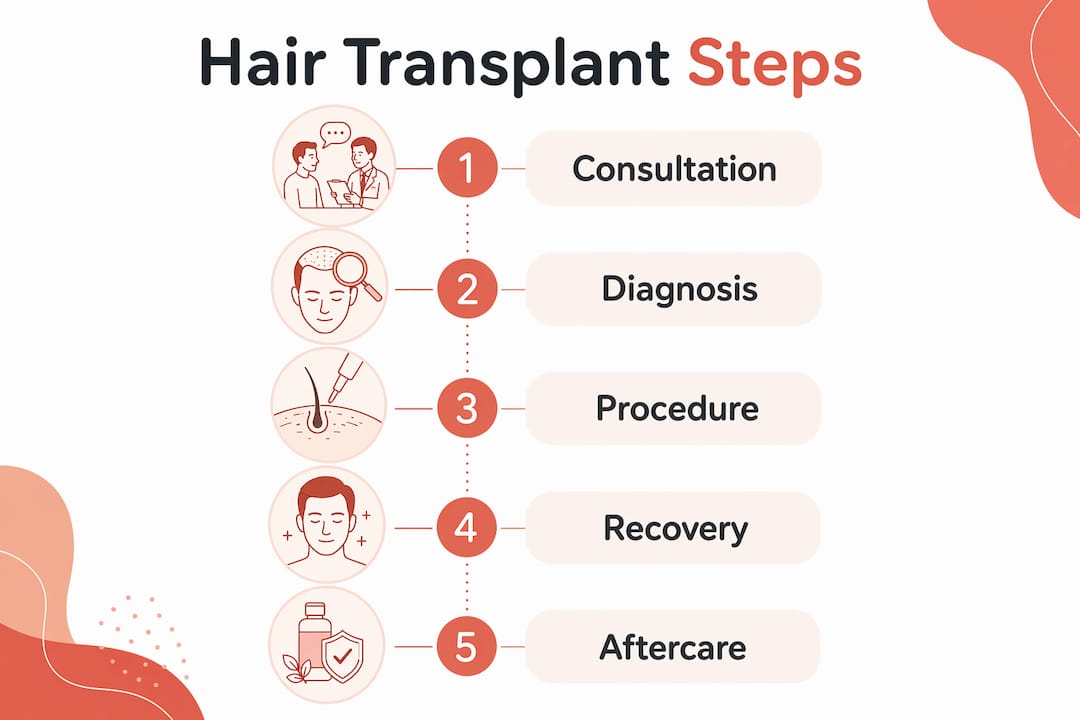
Before any surgery, clinics use high-magnification trichoscopy to assess donor zone density and hair caliber. This diagnostic tool gives the surgeon a detailed map of which follicles are stable enough to survive transplantation.
How to determine if you’re a good candidate for a women’s hair transplant near you
Not every woman experiencing hair loss is a surgical candidate. Candidacy depends on several specific factors, and a thorough evaluation protects you from a procedure that won’t deliver results.
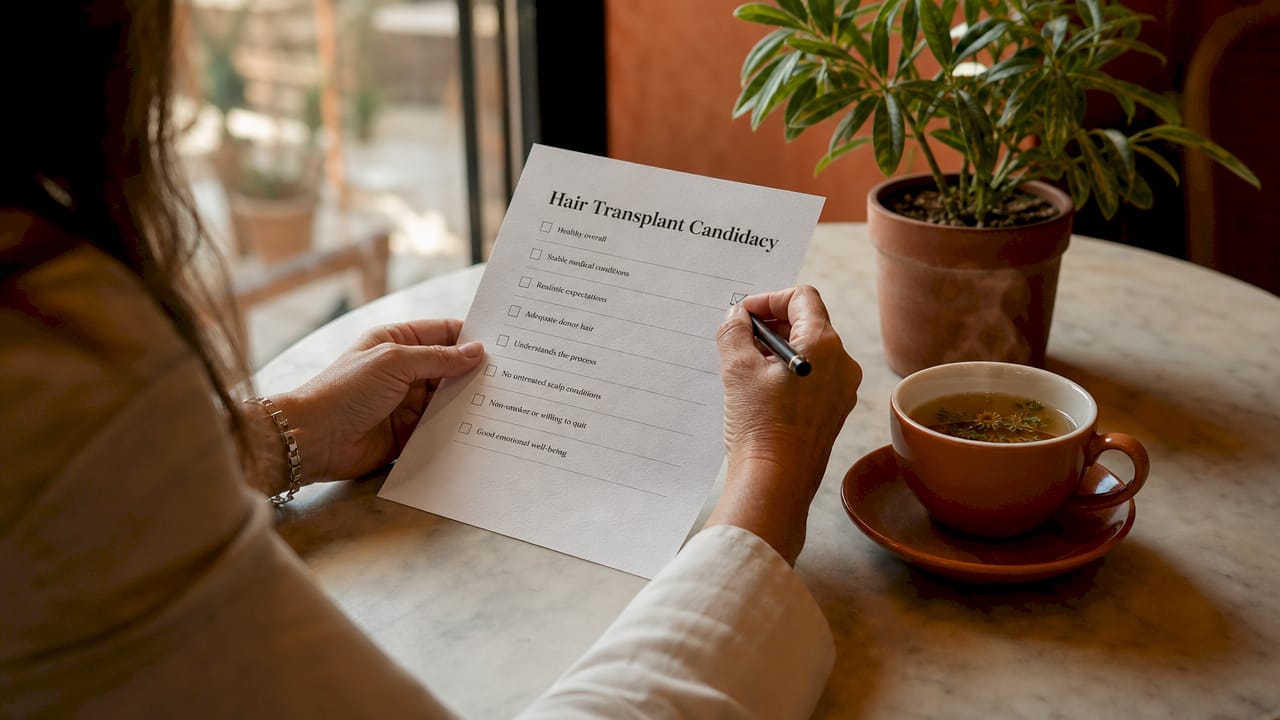
The most important factor is donor area stability. If thinning is diffuse and affects the donor zone as well, there may not be enough healthy follicles to transplant. A surgeon needs to confirm that the hair at the back and sides of your scalp is genetically resistant to loss before proceeding.
Here is what a proper candidacy evaluation covers:
- Medical history review: Hormonal conditions like thyroid disorders, polycystic ovary syndrome, and iron deficiency are common causes of female hair loss. Surgery cannot fix a hormonal problem. These conditions must be identified and managed first.
- Scalp condition assessment: Active inflammation, scarring alopecia, or scalp infections disqualify a patient from surgery until the underlying condition is treated.
- Donor zone evaluation: Using high-magnification trichoscopy, the surgeon maps follicle density, caliber, and stability across the donor area.
- Thinning pattern classification: Diffuse unpatterned alopecia, where thinning affects the entire scalp including the donor zone, is often a contraindication for surgery.
- Non-surgical options review: PRP therapy is effective for diffuse thinning and can stimulate dormant follicles. Many women benefit from PRP before or alongside surgery rather than as a replacement for it.
Pro Tip: Bring a list of all medications and supplements to your consultation. Certain drugs, including blood thinners and some antidepressants, affect hair loss and surgical eligibility.
Specialists recommend framing female hair transplant as part of a broader medical approach that includes hormonal and dermatological management. Surgery works best when the underlying cause of hair loss is already under control.
What are the typical costs and financing options for women’s hair transplants near you?
Cost is one of the first questions women ask, and the answer requires more context than a single number. Hair transplant costs in the U.S. typically range from $6,000 to $15,000+, depending on graft count, surgeon experience, and local market overhead. That range is wide because female procedures vary significantly in complexity.
What drives the price variation
| Cost Factor | What It Means for You |
|---|---|
| Graft count | More grafts required means higher total cost |
| Surgeon experience | Board-certified specialists with female-specific experience charge more and deliver better results |
| Geographic location | Urban markets like Los Angeles or New York carry higher overhead than smaller cities |
| Technique used | FUE is generally more expensive per graft than FUT due to labor intensity |
| Clinic model | Doctor-led clinics cost more than technician-driven models but produce safer outcomes |
One pricing issue to watch for: graft count inflation. Some clinics split multi-hair follicular units to report a higher graft number, making their price per graft look lower. Coverage area and actual hair count are more reliable metrics than graft count alone.
Financing makes the procedure accessible for many women. Plans can start around $99 per month, and options like CareCredit and PatientFi offer medical financing with structured repayment terms. Some clinics offer interest-free plans for qualified patients.
- Confirm the total cost in writing before committing, including any follow-up sessions
- Ask whether the quoted price covers the surgeon’s time or primarily technician labor
- Compare clinics on coverage area and hair count, not just graft numbers
What to expect during your initial consultation for a women’s hair transplant
The consultation is where you get real answers. Consultations typically last 30–60 minutes and are often free or offered at a low cost. That time is your opportunity to evaluate both the clinic and the surgeon.
A quality consultation covers your full medical history, current medications, and any previous hair loss treatments. The surgeon or a trained evaluator will examine your scalp directly, often using trichoscopy to assess donor density and thinning patterns. You should leave with a clear picture of your candidacy, a proposed treatment plan, and realistic expectations for results.
The emotional and personal nature of female hair loss means a good consultation goes beyond clinical data. A surgeon experienced with female patients understands that hair loss affects confidence and identity, not just appearance. That context shapes how they communicate options and set expectations.
Questions worth asking at your consultation:
- Who performs the critical surgical steps, the surgeon or a technician?
- How many female hair transplant procedures has this surgeon performed?
- What non-surgical options do you recommend alongside or before surgery?
- Can I see before-and-after photos of female patients with a similar thinning pattern to mine?
- What does post-operative care and long-term follow-up look like?
Doctor-performed surgery correlates strongly with better natural appearance and safety compared to technician-driven models. Knowing who holds the scalpel is not a minor detail.
How to find and choose the best women’s hair transplant clinic near you
Finding a reputable local clinic requires more than a Google search. The criteria below separate quality providers from those prioritizing volume over results.
Board certification and female-specific experience are the baseline requirements. Look for surgeons certified by the American Board of Hair Restoration Surgery or equivalent bodies. Ask directly how many female patients they treat annually. Female hair restoration is a subspecialty within hair transplantation, and experience with female scalp patterns matters.
Red flags to avoid:
- Unusually low per-graft pricing without explanation
- Clinics that quote graft counts without discussing coverage area
- High-pressure consultations pushing immediate booking
- Before-and-after photos that show only male patients
- Vague answers about who performs the surgical steps
What good looks like:
- A surgeon who discusses non-surgical options before recommending surgery
- Transparent pricing tied to coverage area and hair count
- A personalized surgical plan based on your specific thinning pattern
- Clear post-operative care instructions and scheduled follow-up appointments
- Patient testimonials from women with similar hair loss presentations
Understanding the reasons for hair thinning before your consultation helps you ask better questions and recognize whether a clinic is treating the cause or just the symptom. A clinic that skips the diagnostic conversation and jumps straight to a surgical quote is a clinic worth avoiding.
Personalized consultation with a surgeon familiar with female scalp patterns is critical for successful outcomes. The best results come from providers who treat each patient as an individual case, not a standard procedure.
Key Takeaways
Female hair transplant success depends on accurate diagnosis, stable donor hair, and a surgeon with specific experience in women’s hair loss patterns.
| Point | Details |
|---|---|
| Female patterns differ from male | Women typically have diffuse thinning, which requires different surgical planning and donor evaluation. |
| Candidacy requires full evaluation | Medical history, scalp condition, and donor zone stability must all be assessed before surgery is recommended. |
| Cost ranges from $6,000 to $15,000+ | Price varies by graft count, surgeon experience, and clinic model. Financing plans can start around $99 per month. |
| Doctor-led surgery produces better results | Clinics where the surgeon performs critical steps deliver safer outcomes and more natural appearance. |
| Non-surgical options belong in the plan | PRP therapy and hormonal management often complement or precede surgery for the best long-term outcome. |
What I’ve learned from watching women navigate hair transplant decisions
The most common mistake I see is women rushing into a surgical consultation without first understanding why their hair is thinning. Hair loss in women is rarely a single-cause problem. Hormonal shifts, nutritional deficiencies, and stress can all drive thinning simultaneously. A surgeon who doesn’t ask about those factors before quoting a graft count is not giving you a complete picture.
The second mistake is treating cost as the primary filter. A lower price often reflects a technician-driven model where the surgeon is present in name only. The difference in outcomes between a doctor-led procedure and a technician-led one is not subtle. It shows up in graft survival rates, hairline naturalness, and long-term density.
What actually works is starting with a complete picture of your hair loss. That means bloodwork, a dermatological evaluation, and a consultation with a surgeon who has genuine experience with female patients. If you’re also exploring ways to manage thinning hair naturally while you evaluate surgical options, that parallel approach is smart. It keeps your existing hair healthier while you make a long-term decision.
Female hair transplantation is not a quick fix. It is a medical procedure that works best when it is part of a longer plan. The women who get the best results are the ones who took the time to understand their diagnosis before they booked a surgery date.
— Juiced
Styling and care after your hair restoration
Hair restoration is a significant step, and the way you care for and style your hair afterward shapes how your results look every day.

At Joelcma in La Jolla, California, the team specializes in personalized styling consultations that account for your hair’s current density, texture, and growth stage. Whether you’re in the early months of post-transplant growth or further along in your recovery, a skilled stylist can help you define a look that works with your hair as it is now. Joelcma’s stylists bring over 25 years of experience working with women at every stage of hair health. A consultation focused on your unique hair styling needs can make a real difference in how confident you feel while your transplant results develop.
FAQ
What is the difference between FUE and FUT for women?
FUE removes individual follicles without a linear scar, while FUT removes a strip of scalp and leaves a linear scar at the donor site. FUE suits women who wear shorter styles; FUT can yield more grafts per session for women needing greater coverage.
How do I know if I’m a candidate for a female hair transplant?
Candidacy requires stable donor hair, a diagnosed cause of hair loss that is under control, and a scalp free of active inflammatory conditions. A surgeon uses trichoscopy and medical history review to confirm eligibility.
What does a women’s hair transplant consultation cost?
Many clinics offer free or low-cost consultations lasting 30–60 minutes. Call ahead to confirm whether a consultation fee applies and whether it is credited toward the procedure cost.
Can PRP replace a hair transplant for women?
PRP therapy is effective for diffuse thinning and can stimulate dormant follicles, but it does not replace transplanted hair in areas of significant loss. Many women use PRP alongside surgery or as a first-line treatment before surgery is considered.
How long does it take to see results after a women’s hair transplant?
Most women see initial growth between 3 and 6 months after surgery, with full density results typically visible at 12–18 months. Patience is required because transplanted follicles shed before they regrow permanently.