
Hair Care for Long Hair: Your Complete 2026 Guide

TL;DR:
- Proper long hair care involves gentle handling, regular trims, and appropriate moisturizing techniques to prevent damage. Washing frequency should be based on scalp oiliness, not hair length, with a focus on avoiding oil stripping. Consistent trims every 8 to 12 weeks prevent split ends and maintain healthy, long strands.
Hair care for long hair is the practice of applying specific cleansing, conditioning, detangling, and maintenance techniques optimized for length and fragility to preserve shine, minimize breakage, and maintain healthy strands. Long hair faces unique challenges: the ends are the oldest part of the strand, making them most vulnerable to dryness, split ends, and mechanical damage. A routine built around gentle handling, consistent moisture, and regular trims is the foundation of every healthy long hair regimen. The strategies here are backed by dermatologists and professional stylists with decades of experience.
How often should you wash long hair?
Washing frequency is the single most misunderstood aspect of long hair maintenance. The American Academy of Dermatology recommends washing every 2–4 days for most hair types. That frequency protects the scalp’s natural oils, which travel slowly down long strands and are the primary source of moisture for the ends.
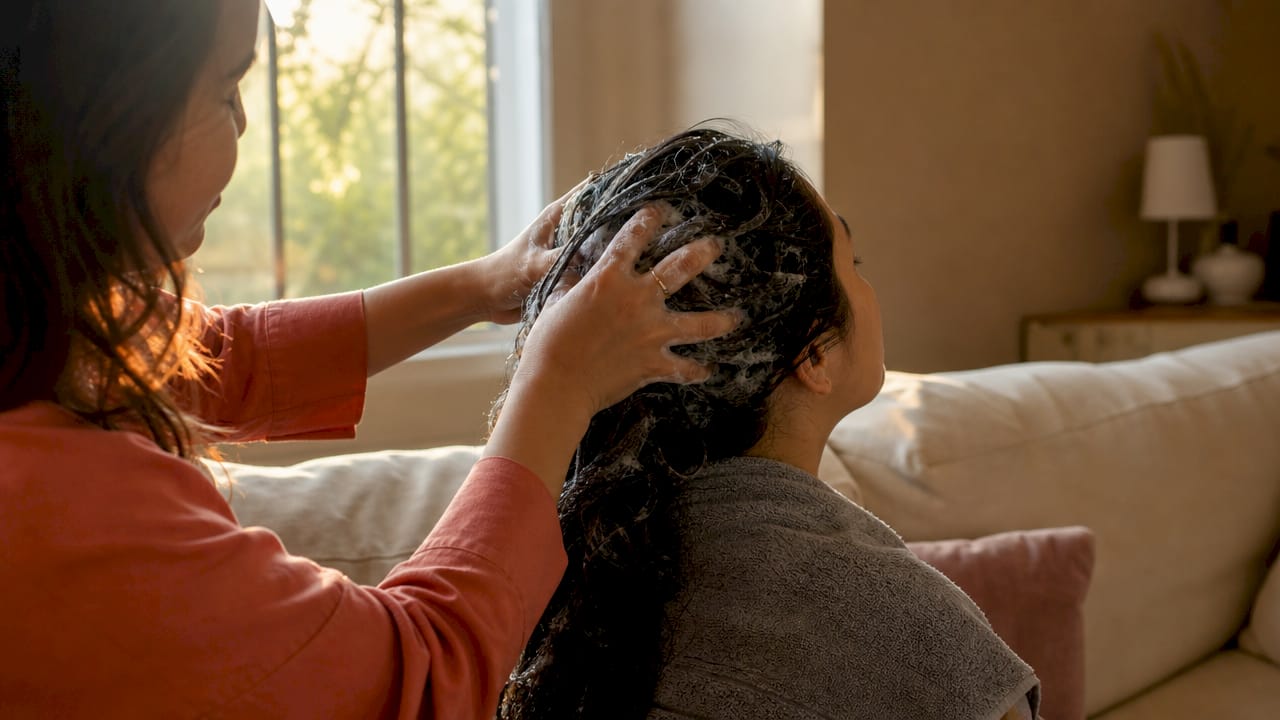
Overwashing strips natural oils, causing dryness and brittleness that accelerates breakage. The key is to base your wash schedule on scalp oiliness, not on hair length or habit. A fine, oily scalp may need washing every two days. A dry or coarse scalp can go four days or longer without issue.
Choosing the right shampoo matters just as much as timing. Use a clarifying shampoo for oily scalps to remove buildup without stripping. For dry or color-treated hair, a sulfate-free hydrating formula protects the cuticle and preserves color. Brands like Briogeo, Olaplex, and Pureology each offer formulas designed for specific scalp and strand needs.
Conditioner application follows a different logic depending on hair texture:
- Fine or straight hair: Apply conditioner from mid-shaft to ends only. Applying it at the roots weighs fine hair down and can cause scalp buildup.
- Curly, coily, or thick hair: Apply conditioner from roots to ends. These textures need full-length moisture to stay manageable.
- Color-treated or chemically processed hair: Use a bond-building conditioner like Olaplex No. 5 from mid-shaft to ends after every wash.
Pro Tip: Rinse conditioner with cold water for shine and easier detangling. Cold water contracts the hair cuticle, which smooths the surface and reflects light more effectively.
What is the best way to detangle wet long hair?
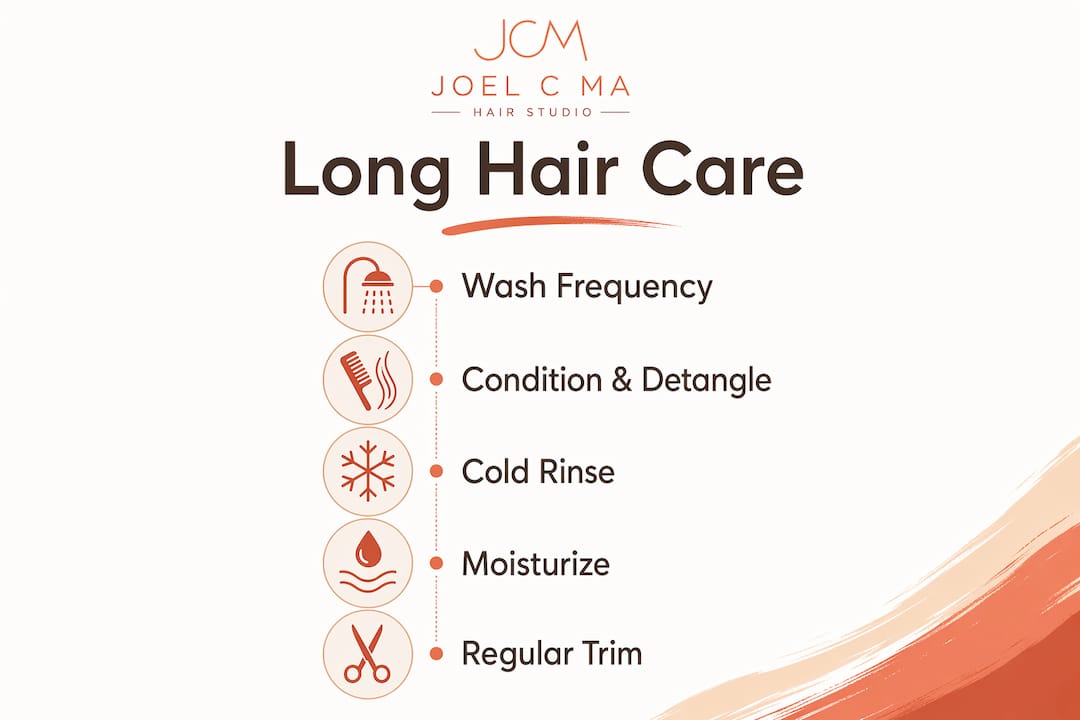
Wet hair is at its most fragile. The highest risk for breakage occurs during wet detangling, which means technique here directly determines how much length you retain over time. Rushing through this step causes more cumulative damage than almost any other habit.
Follow these steps every time you detangle:
- Apply conditioner or a detangling product first. Never comb dry or product-free wet hair. Conditioner and detangling sprays reduce the mechanical load on each strand, letting the comb glide rather than pull.
- Divide hair into four to six sections. Sectioning reduces the amount of hair you handle at once and prevents knots from compounding across the full length.
- Start at the ends. Work a wide-tooth comb through the bottom two inches of each section first. Once those are smooth, move two inches higher. Continue upward until you reach the roots.
- Never pull from the crown downward. Pulling from the top forces knots tighter and snaps strands at their weakest points.
- Use a leave-in conditioner or detangling spray for extra glide. Products like Kinky-Curly Knot Today or It’s a 10 Miracle Leave-In work on all textures and significantly reduce mechanical damage during combing.
Pro Tip: Detangle in the shower while conditioner is still in your hair. The slip from the conditioner makes the process faster and far less damaging than detangling after you towel dry.
Finger detangling before using a comb is a technique that works especially well for curly and coily textures. It removes the largest knots without the blunt force of a comb, which reduces breakage at the most tangled sections.
How to moisturize and protect long hair from damage
Moisture retention is the core challenge of long hair care. The ends of long hair can be years old, and no amount of washing restores what time and heat styling have stripped away. Weekly treatments are the most direct solution.
Protein and moisture treatments applied weekly for at least 10 minutes strengthen the hair shaft, reduce breakage, and restore hydration. Briogeo’s Don’t Despair, Repair! Mega Strength Rice Water Protein and Moisture Strengthening Treatment is one example of a product that combines both protein and moisture in a single application. The key is to watch how your hair responds and adjust accordingly.
Hair texture is your feedback system. If hair feels mushy or limp after a mask, it needs more protein. If it feels stiff or brittle, it needs more moisture. Adjust your treatment type based on what your hair tells you, not on a fixed schedule.
Nighttime protection is a step most women skip, and it silently accelerates length loss. Silk pillowcases reduce friction and allow hair to glide during sleep rather than snag against cotton fibers. Cotton pillowcases create enough friction to cause tangles, frizz, and split ends overnight. Switching to silk or satin is one of the highest-impact, lowest-effort changes you can make for long hair retention.
Additional protective habits that make a measurable difference:
- Limit heat styling to two or three times per week. Daily flat iron or curling wand use degrades the cuticle layer faster than any other styling habit.
- Always apply a heat protectant before any tool above 300°F. Products like Chi 44 Iron Guard or Kenra Platinum Silkening Mist create a barrier between the strand and direct heat.
- Avoid tight elastics. Fabric-covered hair ties or spiral coils cause far less mechanical breakage than standard rubber bands.
- Braid or loosely twist hair before bed. A loose braid keeps strands organized and reduces the surface area exposed to pillow friction.
For color-treated or heat-damaged hair, treatment frequency may need to increase to twice weekly during periods of heavy styling or seasonal dryness.
How often should you trim long hair?
The most persistent myth in long hair care is that avoiding trims helps you grow length. The opposite is true. Split ends cannot be repaired by any conditioner or treatment. Once a split forms, it travels up the shaft, causing breakage higher and higher until the strand snaps. Trimming is the only way to stop that progression.
Aglow Dermatology confirms that trimming every 8–12 weeks is the standard schedule for most hair types. For brittle, heat-damaged, or chemically processed hair, more frequent trims may be needed to stay ahead of the damage. A conservative trim removes only what is damaged, which means you retain the most length while eliminating the problem.
| Hair condition | Recommended trim frequency | Primary goal |
|---|---|---|
| Healthy, minimal heat styling | Every 10–12 weeks | Maintain shape and prevent split ends |
| Color-treated or highlighted | Every 8–10 weeks | Prevent dryness-related breakage at ends |
| Heat-styled frequently | Every 6–8 weeks | Remove damage before it travels up shaft |
| Brittle or chemically processed | Every 6 weeks or as needed | Stop breakage and restore manageability |
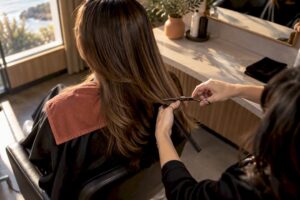
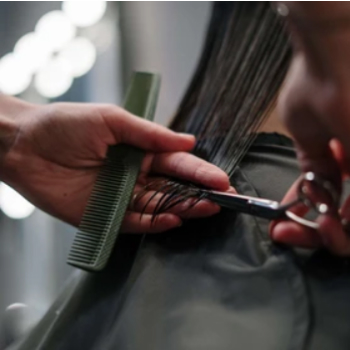
A trim does not have to mean losing significant length. Asking your stylist for a “dusting” removes only the frayed tips, typically less than a quarter inch, while keeping your length intact. Joelcma’s stylists at Joel C Ma Hair Studio in La Jolla specialize in how often to trim hair to maximize retention without sacrificing health. The goal is always to remove the minimum necessary to stop the damage cycle.
Consistent trims also improve manageability. Hair with clean, even ends detangles faster, holds styles longer, and reflects light more evenly. The visual difference between trimmed and untrimmed long hair is significant, even when the length difference is minimal.
Key takeaways
Long hair maintenance is primarily damage control: consistent hydration, gentle detangling, and regular trims protect length and shine far more than any single product.
| Point | Details |
|---|---|
| Wash every 2–4 days | Base frequency on scalp oiliness, not habit, to avoid stripping natural oils. |
| Detangle from ends upward | Always start at the tips with conditioner or detangler to minimize breakage. |
| Treat weekly with moisture or protein | Apply a deep conditioning or protein mask for at least 10 minutes each week. |
| Sleep on silk or satin | Switch pillowcases to reduce overnight friction and prevent split ends. |
| Trim every 8–12 weeks | Remove split ends before they travel up the shaft and cause more breakage. |
What I’ve learned after years of watching long hair go wrong
The most common mistake I see is treating long hair like short hair with more length. Women wash it daily, comb it aggressively when wet, skip treatments because they feel time-consuming, and then wonder why their ends look destroyed six months in. Long hair is fragile by nature. The ends have been exposed to sun, heat, and friction for years. They need more care, not the same care.
The second mistake is chasing length by avoiding the salon. Skipping trims does not grow hair faster. It grows split ends faster. I’ve seen women lose three inches of breakage in a single season because they avoided a quarter-inch trim. The math never works in their favor.
What actually works is boring: wash less, condition more, comb gently, sleep on silk, and get a trim before you think you need one. The tips for shiny hair that consistently deliver results are not complicated. They require patience and consistency, not expensive products or elaborate routines.
One thing I’d add that most articles miss: monitor your hair’s texture after treatments. If it starts feeling gummy or overly soft, pull back on moisture masks and add a protein treatment. If it feels stiff and snaps easily, do the opposite. Your hair tells you exactly what it needs. Learning to read those signals is the skill that separates women with genuinely healthy long hair from those who are always chasing a problem.
— Juiced
Long hair care at Joelcma: expert services worth knowing
Maintaining long hair at home is achievable, but professional guidance makes the process significantly more effective. Joelcma’s team at Joel C Ma Hair Studio in La Jolla brings over 25 years of experience to every service, from precision trims that preserve length to personalized consultations that identify exactly what your hair needs.

Whether your hair is color-treated, heat-styled, or simply long and in need of a reset, the right salon products make a real difference. Joelcma’s expert comparison of salon shampoos for colored hair covers the formulas that protect both color and strand integrity for long hair. Booking a consultation at Joel C Ma Hair Studio means getting a routine built around your specific texture, lifestyle, and goals, not a generic plan.
FAQ
How often should I wash long hair?
Most women do best washing long hair every 2–4 days. The American Academy of Dermatology recommends adjusting frequency based on scalp oiliness rather than hair length.
Does cold water really make long hair shinier?
Cold water contracts the hair cuticle after conditioning, which smooths the surface and improves light reflection. Hairstylist Mark Townsend, who works with Dakota Johnson, specifically recommends this as a final rinse step for long hair.
Can conditioner fix split ends?
No conditioner permanently repairs split ends. Aglow Dermatology confirms that trimming is the only effective solution, as split ends travel up the shaft and cause more breakage if left untreated.
What is the safest way to detangle wet long hair?
Apply conditioner or a detangling spray first, divide hair into sections, and use a wide-tooth comb starting from the ends and working upward. Dermatologists confirm this method reduces mechanical damage during detangling.
How do silk pillowcases help long hair?
Silk pillowcases allow hair to glide during sleep rather than snag against cotton fibers. This reduces overnight friction, which prevents tangles, frizz, and split ends that accumulate over time and contribute to length loss.
Recommended
- Hair Treatment for Long Hair: Your 2026 Expert Guide – Joel C Ma Hair Studio
- Hairstyle Ideas for Long Hair: 2026 Style Guide – Joel C Ma Hair Studio
- Long Hair Maintenance Tips: Complete Expert Guide – Joel C Ma Hair Studio
- The Essentials of Long Hair Care: What You Need to Know – Joel C Ma Hair Studio