
Advanced hair cutting techniques for a personalized look
TL;DR:
- Advanced hair cutting focuses on personalized techniques that match your hair type for natural, effortless results. Skilled stylists assess texture, growth patterns, and styling habits to create cuts that add volume and movement while preserving health. A thorough consultation is essential to ensure a bespoke style that aligns with your lifestyle and delivers long-lasting satisfaction.
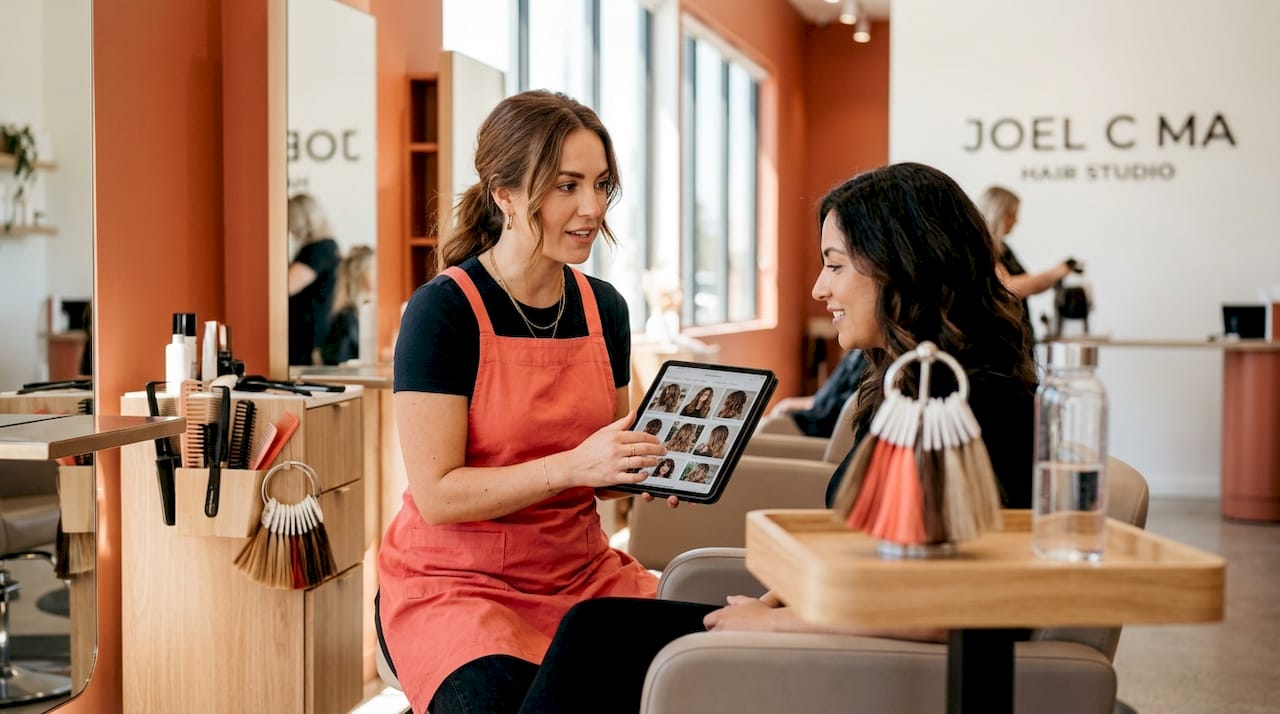
Walking into a salon for a basic trim is one thing. Walking out with a cut that genuinely transforms your hair, adds effortless volume, and works with your lifestyle every single day is something else entirely. That’s the gap advanced hair cutting techniques are designed to close. For clients in La Jolla who expect more from their salon experience, understanding how professional stylists match cutting methods to your specific hair type makes all the difference between a good haircut and one that feels like it was made for you.
Table of Contents
- What you need for advanced hair cutting
- Step-by-step: Advanced techniques for fine hair
- Advanced cutting methods for thick hair
- Troubleshooting: Common mistakes and expert fixes
- Why personalized cuts matter more than trendy techniques
- Discover exclusive luxury hair styling in La Jolla
- Frequently asked questions
Key Takeaways
| Point | Details |
|---|---|
| Consultation is crucial | A personalized consultation makes sure your cut matches your hair type and lifestyle. |
| Technique transforms results | Advanced methods like precision cutting and layering create volume, movement, and manageability. |
| Regular trims are essential | Keeping your cut maintained every 6-8 weeks ensures optimal style and hair health. |
| Expert troubleshooting prevents mistakes | Experienced stylists recognize and correct issues like over-layering or uneven weight removal. |
| Luxury styling elevates confidence | A professional, tailored approach leaves clients with a look that feels both fashionable and uniquely theirs. |
What you need for advanced hair cutting
With the promise of transformation set, let’s clarify what’s needed to achieve advanced results in your next salon appointment.
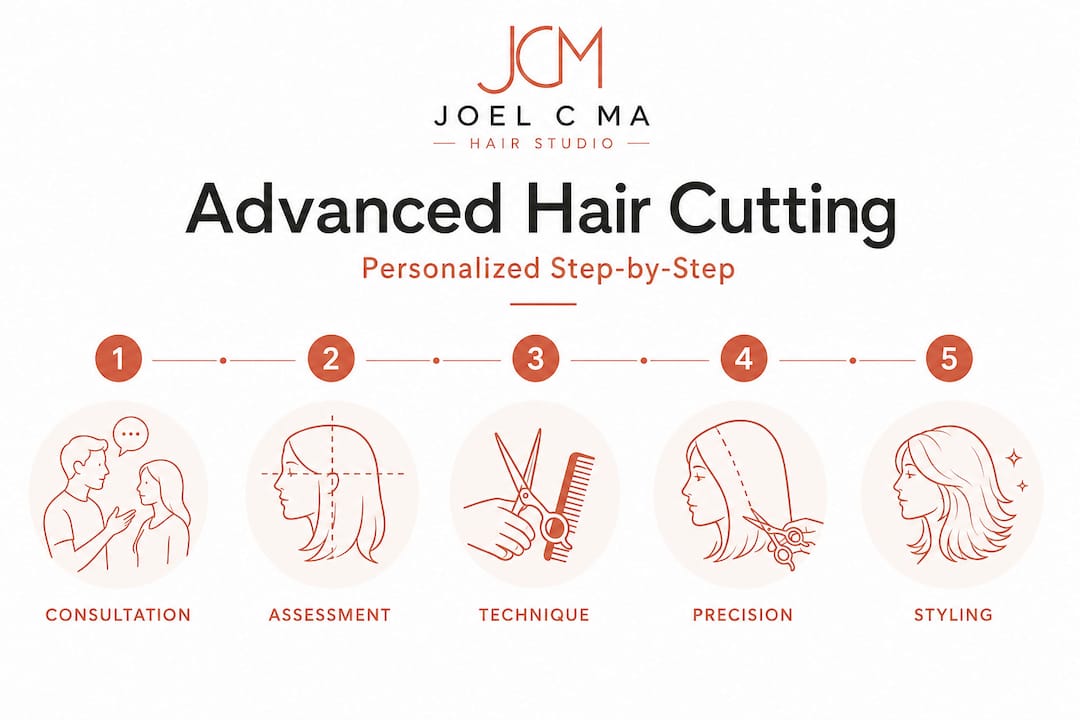
Advanced hair cutting is not just about sharper scissors or faster hands. It’s about preparation, assessment, and the right tools working together for your specific hair. Before the first snip, a skilled stylist needs a full picture of your hair’s texture, density, growth patterns, and your styling goals.
Essential tools for advanced cutting
Professional stylists use a specific set of tools depending on your hair type and the technique being applied:
- Razor blades: Ideal for creating soft, diffused ends and reducing bulk in thick hair without visible lines.
- Thinning shears: Used strategically to remove internal weight while keeping exterior length intact.
- Point-cutting shears: Create texture and movement by cutting into the hair at an angle rather than straight across.
- Wide-tooth and fine-tooth combs: Used for different sectioning and tension control depending on thickness.
- Sectioning clips: Allow precise control when working through multiple layers of hair simultaneously.
Understanding precision cutting explained shows just how much detail goes into each cut before anyone even sits down in the chair.
Hair type consultation: The non-negotiable first step
No two heads of hair are the same. Fine hair, thick hair, and curly hair each respond completely differently to layering, tension, and cutting angles. For fine hair, best haircuts for fine hair volume recommend avoiding over-layering to preserve density, while structured bobs and shags add a volume illusion and a trim every 6 to 8 weeks keeps the shape intact. For thick hair, removing weight strategically with feathered layers or wolf cuts prevents the dreaded triangle shape and brings movement back into the style.
Here’s a quick comparison to set expectations before your appointment:
| Hair type | Common challenge | Advanced solution |
|---|---|---|
| Fine | Flat, limp, lacks volume | Structured bob, shag, blunt ends |
| Thick | Heavy, unruly, bulky | Feathered layers, wolf cut, razor work |
| Curly | Frizzy, uneven shrinkage | Dry cutting, curl-specific layering |
| Wavy | Falls flat or puffs unevenly | Point cutting, internal layering |
Luxury stylists also pay close attention to how you style your hair at home, how much time you spend, and what products you use. That context shapes every decision made during the cut. The layered hair benefits for both volume and movement depend entirely on where and how those layers are placed relative to your specific hair density.
Step-by-step: Advanced techniques for fine hair
Armed with essentials, now explore how stylists apply technique for clients with fine hair seeking movement and fullness.
Fine hair is one of the most misunderstood hair types in a salon setting. The instinct for many stylists is to add as many layers as possible to create volume, but that actually backfires. Too many layers remove the density that makes fine hair look full in the first place.
Here’s how experienced professionals approach fine hair with precision and intention:
-
Assess density and length goals first. The stylist examines how much hair is actually there, not just what it looks like on the surface. Fine hair with good density responds differently than fine hair that is also thin overall.
-
Select a structured shape. Shapes like the classic bob, French bob, or shag give fine hair something to work with. The blunt or lightly graduated perimeter creates a visual edge that reads as thickness.
-
Layer internally, not externally. Rather than cutting obvious external layers, skilled stylists remove internal weight to add movement while keeping the outer shell of the hair intact. This is where the volume illusion lives.
-
Use dry cutting for finishing. Cutting hair dry reveals exactly how it falls in real life, which is especially useful for fine hair that shifts significantly once it dries. Many of the best hairstyles for fine hair are refined in the dry stage.
-
Trim consistently every 6 to 8 weeks. Fine hair loses its shape faster than thicker hair because there is less mass to hold the structure. Regular trims preserve the integrity of the cut and prevent breakage at the ends.
Pro Tip: If you have fine hair and your current cut feels flat by day two, ask your stylist specifically about internal layering. It adds movement without sacrificing the weight that keeps fine hair looking full.
Here’s a reference guide for fine hair cutting techniques and their effects:
| Technique | What it does | Best for |
|---|---|---|
| Blunt cut | Creates visible density and weight line | Thin, fine hair needing fullness |
| Internal layering | Adds movement without removing perimeter weight | Fine hair with good density |
| Dry cutting | Shows real-life fall and avoids over-removal | All fine hair types |
| Shag cut | Adds texture and effortless volume through layers | Fine hair with natural wave |
Understanding precision cutting explained in more depth reveals why the angle and tension used during each cut matters as much as the technique itself.
Advanced cutting methods for thick hair
Next, let’s see how advanced methods transform thick hair from heavy and unruly into light, stylish, and manageable.
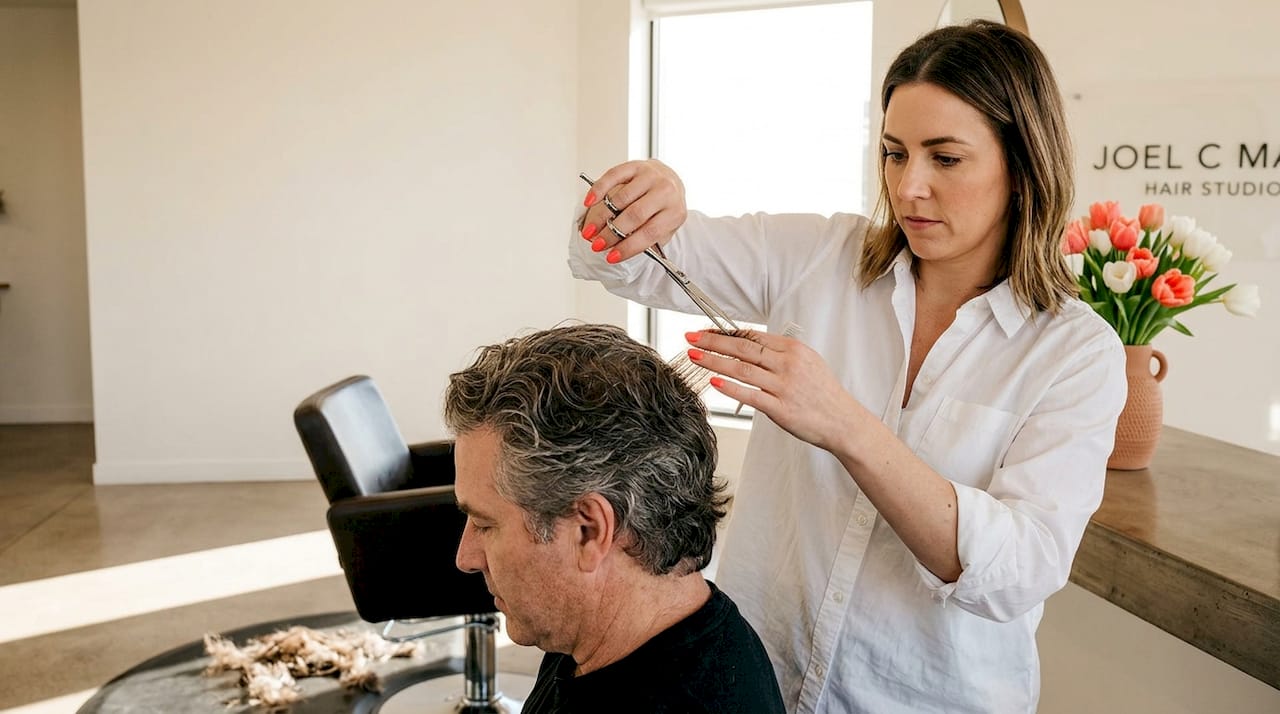
Thick hair carries its own set of challenges. Left without strategic shaping, it expands outward rather than falling with clean movement. The goal with advanced cutting for thick hair is not just to remove bulk but to redirect weight so the hair moves in a deliberate, flattering direction.
Key techniques used for thick hair
- Feathered layers: These are graduated layers that soften the ends and encourage the hair to move rather than sit. Feathering is done with a razor or thinning shear at specific points in the cut to maintain overall shape.
- Wolf cut: A fashion-forward layered style with heavy curtain bangs and voluminous layers throughout. For thick hair, it distributes weight beautifully and looks intentionally full rather than just heavy.
- Slide cutting: The stylist slides open shears down the hair shaft to remove internal weight without creating blunt lines. It’s one of the most controlled ways to reduce bulk.
- Channel cutting: Sections of internal hair are removed using a vertical or diagonal cutting pattern, creating space and movement from within rather than from the outside.
For haircuts for thick hair that hold shape and stay manageable, the placement of weight removal is the most critical decision. Remove weight in the wrong place and you get an uneven result that is harder to fix than the original problem.
Pro Tip: Ask your stylist to show you where they plan to remove weight before they start. A brief walkthrough of the intended technique tells you a lot about their level of expertise and helps you advocate for what you want.
Comparing results: Before and after strategic cutting
| Before advanced cut | After advanced cut |
|---|---|
| Hair sits like a solid block | Hair falls in defined sections |
| Difficult to dry quickly | Reduced weight dries faster |
| Hard to style without products | Natural movement requires less effort |
| Expands outward in humidity | Layers redirect and frame the face |
The relationship between layers vs texture in thick hair is nuanced. Texture techniques involve breaking up the surface for visual softness, while layers work deeper in the structure to manage bulk. The best results for thick hair often combine both approaches.
Troubleshooting: Common mistakes and expert fixes
Even advanced techniques can go awry; here’s how stylists troubleshoot and ensure results match expectations.
Advanced cutting takes real skill. Even experienced stylists occasionally need to refine and correct. Knowing what to look for protects you as a client and helps you communicate more clearly when something feels off.
Common mistakes in advanced cutting
- Over-layering fine hair: As noted, over-layering destroys density in fine hair, leaving it wispy and flat rather than full and styled. This is one of the most frequent errors in non-specialized salons.
- Uneven weight removal in thick hair: When weight is removed without a clear plan, one side ends up lighter or flatter than the other, causing the hair to fall asymmetrically.
- Ignoring growth patterns: Cowlicks, strong growth directions, and hairline irregularities affect how a cut sits. Stylists who skip this assessment often leave clients with cuts that require excessive product or effort to style daily.
- Cutting curly hair wet: Wet curls stretch significantly. Cutting them wet and then watching them spring up shorter than intended is a common mistake. Cutting curly hair techniques specifically address this by focusing on dry cutting to respect the curl’s natural shape.
- Rushing the consultation: Skipping a thorough consultation is the root cause of most cutting mistakes. Without knowing how a client styles their hair at home, a stylist may create a cut that looks amazing in the chair but falls apart within 48 hours.
“The most important part of any advanced cut happens before the scissors come out. It happens in the conversation, in the observation, and in the decision-making process that sets the entire cut up for success.” This is the philosophy that separates a luxury salon experience from a standard appointment.
How expert stylists fix a compromised cut
When a cut isn’t right, the fix depends on the specific problem. For over-layered fine hair, the goal is to grow out the internal layers while maintaining a strong perimeter shape. For uneven thick hair, a skilled stylist can redistribute weight by blending the heavier sections into the lighter ones using a combination of slide cutting and soft layering.
Reviewing layered hair benefits in the context of corrections helps clients understand why patience and a clear plan are essential to recovering from a cut that missed the mark.
Why personalized cuts matter more than trendy techniques
Here’s something most articles on this topic won’t say: technical skill is the floor, not the ceiling. Every experienced stylist has mastered the mechanics. What actually separates a transformative haircut from a technically correct one is how well the stylist listens and how thoroughly they understand the person sitting in their chair.
Most salons spend the majority of their energy chasing whatever cut is trending. Wolf cuts, butterfly cuts, octopus cuts. These are real techniques with real merit, but applying them without considering your specific hair type, face shape, growth pattern, and lifestyle is like wearing someone else’s prescription glasses. They might be stylish, but they’re not working for you.
Over 25 years of working with clients at every hair type and texture, the clearest pattern is this: the clients who leave most satisfied are not the ones who got the trendiest cut. They are the ones whose stylist took the time to understand what they wanted, asked the right questions, and made decisions based on that specific person rather than a reference photo.
That’s what a real hair consultation benefits structure provides. It’s not small talk before the cut begins. It’s the most important part of the entire appointment. A consultation surfaces the information that makes every technical decision better, including which techniques to apply, which to skip, and how aggressive to be with weight removal.
Luxury results come from understanding, not just execution. If your stylist can explain exactly why they’re making each choice based on your hair type and daily routine, you’re in the right chair.
Discover exclusive luxury hair styling in La Jolla
If today’s article has you thinking about what your hair could actually look like with the right approach, that instinct is worth following.
At Joel C Ma Hair Studio in La Jolla, every appointment begins with a thorough hair consultation guide designed to understand your hair type, lifestyle, and style goals before a single cut is made. Our experienced team of hair artists brings advanced cutting expertise, from structured bobs to strategic layering for thick hair, to every client who walks through the door. Whether you’re considering a hair makeover transformation or simply want a cut that finally works for your hair, we’d love to show you what’s possible. Book your consultation today and experience the difference a truly personalized luxury cut makes.
Frequently asked questions
How often should I get an advanced haircut to maintain style and health?
Most experts recommend a trim every 6 to 8 weeks to keep your cut looking fresh, maintain your shape, and prevent split ends from traveling up the hair shaft.
Can advanced techniques add volume to fine, limp hair?
Yes. Structured bobs and shags create a strong perimeter that reads as thickness, while internal layering adds movement without removing the density that makes fine hair look full.
What is the best way to reduce heaviness in thick hair?
Strategic layering through feathered layers or wolf cuts redistributes weight and creates movement, turning a heavy, unmanageable style into one that falls cleanly and dries faster.
Why is personalization important in advanced hair cutting?
Personalization ensures your cut is designed around your actual hair type, growth patterns, and daily routine, so it looks as good on day seven as it did when you walked out of the salon.
Recommended
- Customized Hair Styling: Defining Your Unique Look – Joel C Ma Hair Studio
- Artistic haircuts 2026: 85% personalized styles for you – Joel C Ma Hair Studio
- Hair Styling Techniques: Artistry for Modern Women – Joel C Ma Hair Studio
- Master Cutting Curly Hair Techniques for Stunning Styles – Joel C Ma Hair Studio