
Expert hair styling tips for sleek, luxurious results
TL;DR:
- Professional styling relies on consultation, proper prep, and sectioning for optimal results.
- Tailoring techniques to hair texture and using the right products ensures better style longevity.
- A focus on hair health and personalized care defines true luxury beyond products or trends.
Most people believe salon-perfect hair requires showing up every week and spending a small fortune. That belief keeps a lot of La Jolla clients stuck in a frustrating cycle of flat blowouts and frizzy finishes between visits. The truth? Top stylists rely on a specific set of foundational techniques, not magic products or endless appointments. When you understand what those techniques are and why they work, you can replicate high-end results at home and get dramatically more out of every salon visit. This article breaks down exactly what the pros do, from consultation to color, so you can style smarter.
Table of Contents
- The foundation: Consultation, prep, and sectioning
- Mastering the blowout: Professional brush and dryer technique
- Texture matters: Tailoring your approach for fine, thick, or curly hair
- Precision cutting and the art of the finish
- Modern color and contouring: Subtle upgrades for face and style
- Our perspective: Why true luxury is about personalization and hair health
- Elevate your hair experience at Joel C Ma Hair Studio
- Frequently asked questions
Key Takeaways
| Point | Details |
|---|---|
| Prep and sectioning matter | Proper consultation, tailored prep, and precise sectioning build the foundation for any elite style. |
| Master blowout basics | Salon-level blowouts require stepwise methods and attention to tool placement for a professional finish. |
| Customize for your texture | Great results depend on matching products and styling approaches to your hair type—fine, thick, or curly. |
| Precision cutting and finishing | Expert cuts use exact angles and modern finishing methods to ensure symmetry and trend-setting looks. |
| Prioritize personalization and hair health | Ongoing luxury results depend on working with your unique hair—not chasing every trend or overusing harsh techniques. |
The foundation: Consultation, prep, and sectioning
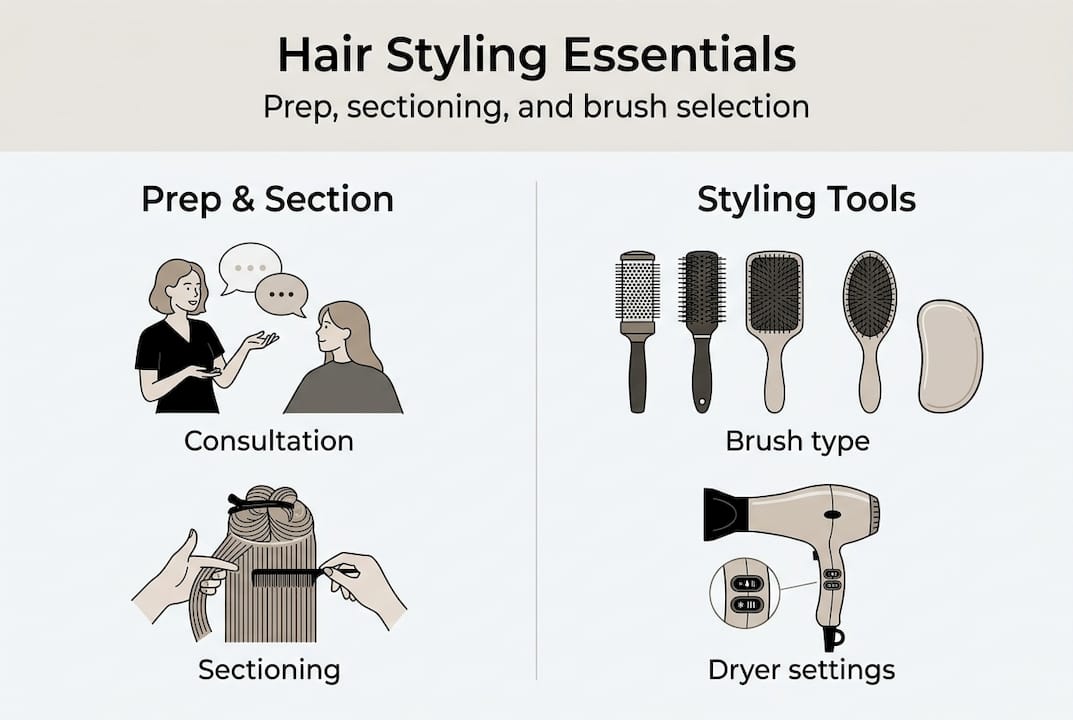
Every great style starts long before the blow dryer turns on. Professionals know that a classic blowout begins with consultation, prep, and sectioning, and skipping any one of those steps is where most at-home results fall apart. A consultation, even a quick five-minute one with yourself in the mirror, forces you to ask the right questions: What is my hair texture? What finish do I want? What tools do I have available?
Prep is where outcomes are decided before styling even begins. Applying a quality heat protectant to damp hair is non-negotiable if you care about minimizing heat damage over time. Layering a volumizing mousse or a smoothing cream on top of that protectant, depending on your goal, gives the style something to hold onto. Skipping these steps is like painting without priming the wall.
Here is what a proper prep routine looks like:
- Towel dry to about 70% damp before applying any product
- Apply heat protectant evenly from mid-shaft to ends
- Add your styling product (mousse for volume, cream for smoothness) while hair is still damp
- Rough dry to about 80% before beginning your section work
Sectioning is the most underestimated step in home styling. Sectioning hair into 10-12 parts reduces drying time by 25%, boosts root lift by 12%, and improves precision by 22%. Those are not small gains. Proper sections mean your dryer and brush can work together on a manageable amount of hair, giving you real control over tension and airflow.
Pro Tip: Clip all sections up and work from the nape of the neck upward. This bottom-to-top method ensures the most stubborn sections get the most attention while your arms are still fresh.
| Sectioning approach | Root lift | Drying time | Precision |
|---|---|---|---|
| No sections (loose) | Low | Longest | Poor |
| 4-6 large sections | Moderate | Average | Fair |
| 10-12 small sections | High (+12%) | Shortest (-25%) | Excellent (+22%) |
Taking the time to protect hair health at the prep stage also means your color and cut will look better for longer between appointments.
Mastering the blowout: Professional brush and dryer technique
With prep complete, the blowout itself becomes a sequence rather than a guessing game. Professionals follow a clear order, and that order matters. The classic blowout starts with a rough dry to remove excess moisture, followed by precise section-by-section work with a round brush and directional airflow.
Here is the step-by-step sequence professionals use:
- Rough dry hair to 80% using your fingers and low heat, no brush yet
- Clip hair into sections, starting at the nape
- Take a one-inch section and place the round brush underneath at the root
- Direct the dryer nozzle downward along the hair shaft to smooth the cuticle
- Roll the brush away from the face at the ends for outward movement
- Finish each section with a cool shot to lock in the shape
- Move upward section by section until complete
Brush orientation changes everything about the final look. A horizontal brush placement creates bouncy, voluminous styles, while a vertical orientation produces softer waves with more movement. Most people default to one position and wonder why their blowout always looks the same.
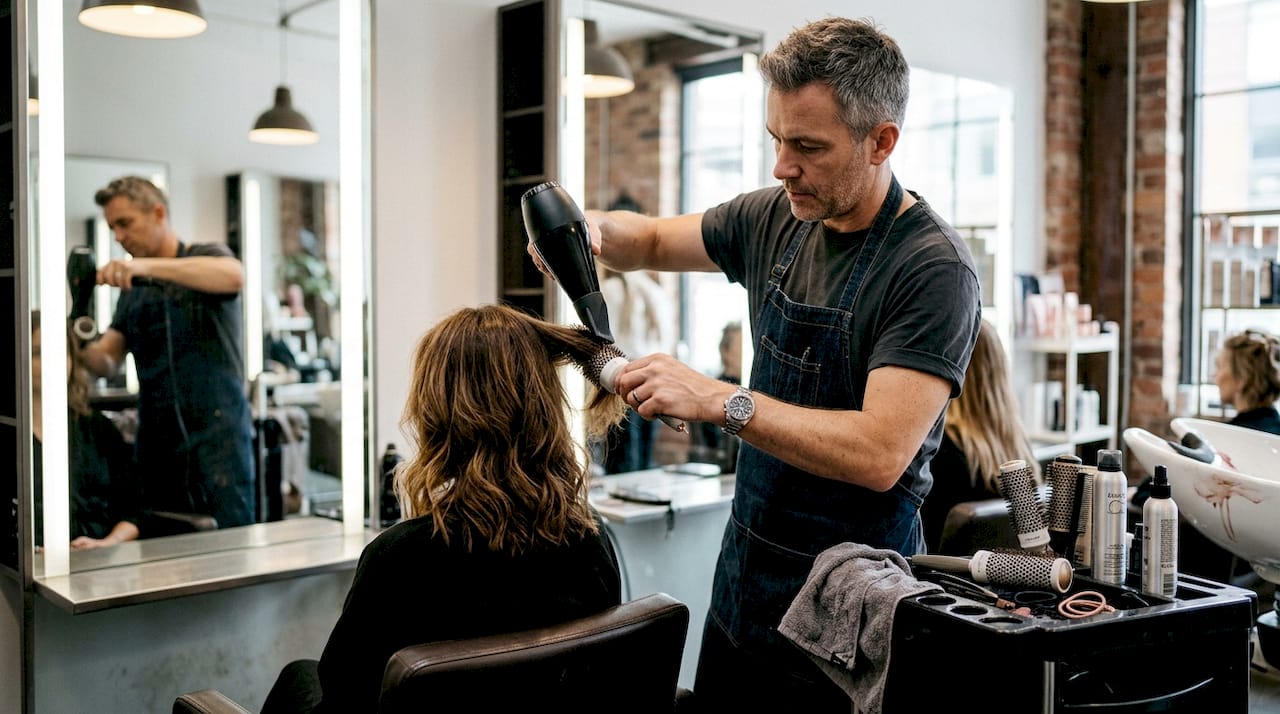
For beach wave blowouts, try alternating your brush angle mid-section to create that effortless texture without a curling iron. The best brushes for styling depend on your hair type, but a ceramic barrel round brush with a vented design works for most textures.
| Tool | Best for | Key feature |
|---|---|---|
| Small round brush (1 inch) | Fine, short hair | Tight curl, root lift |
| Large round brush (2.5 inch) | Thick, long hair | Smooth volume, bounce |
| Paddle brush | Straight styles | Tension, sleekness |
| Multistyler device | Versatility | Curl and blowout in one |
Statistic callout: Proper sectioning during a blowout improves root lift by 12% and overall precision by 22%, according to expert styling data from Joel C Ma Hair Studio.
Texture matters: Tailoring your approach for fine, thick, or curly hair
Following a single blowout method regardless of hair type is one of the most common mistakes made at home. True expertise means reading your texture and adjusting every variable accordingly. Fine hair responds best to root lifters and lightweight products, thick hair needs hydrating and detangling formulas, and curly hair demands moisture-focused methods that work with the curl pattern rather than against it.
Here is a quick breakdown by texture:
- Fine hair: Use a volumizing mousse at the root, avoid heavy serums, and keep sections small for maximum lift. Overloading fine hair with product is the fastest way to lose volume.
- Thick hair: Apply a hydrating cream or detangling spray before rough drying. Larger sections are fine, but keep tension consistent. Avoid skipping the cool shot, as thick hair holds heat longer and can stay frizzy without it.
- Curly hair: Apply a curl-defining cream or leave-in conditioner while soaking wet. Use a diffuser attachment on low heat and low speed. Never brush curly hair dry.
Sectioning and product choices are the two biggest levers for controlling volume, manageability, and frizz across all textures. You can also support your styling results with hair strengthening products that improve strand integrity before heat is applied.
Pro Tip: Most volume failures are not technique problems. They are product-for-texture mismatch problems. If your style falls flat by noon, try switching your styling product before changing your method.
| Hair type | Recommended product | Avoid | Key technique |
|---|---|---|---|
| Fine | Volumizing mousse | Heavy serums, oils | Small sections, root focus |
| Thick | Hydrating cream | Alcohol-based sprays | Consistent tension, cool shot |
| Curly | Leave-in conditioner | Brushing dry | Diffuse, scrunch, low heat |
For clients considering a new cut to support their texture, volume-boosting cuts and specialized cutting curly hair techniques can make styling significantly easier between salon visits.
Precision cutting and the art of the finish
A great cut does more than shape hair. It sets up every style you create afterward for success. Precision cutting uses exact angles, sectioning, and dry cuts to work with the hair’s natural texture rather than forcing it into a shape it will fight every morning. Elevation angles, meaning how high the stylist holds the hair before cutting, determine weight distribution and movement. A 45-degree elevation creates soft layers; a 90-degree elevation removes weight dramatically.
Dry cutting has gained real traction in 2026 because it allows stylists to see exactly how the hair falls and behaves naturally. Wet cutting is still precise, but it can mask how the hair actually moves once dry, which is when you are actually wearing it.
Here are steps for maintaining a salon-level finish at home between cuts:
- Use a lightweight finishing spray to smooth the surface without adding weight
- Apply a pea-sized amount of serum to the ends only, never the roots
- Use a flyaway wand with a mascara-style brush for edge control. These are more precise than gels and do not leave residue.
- Set the style with a light-hold hairspray from 12 inches away
- Avoid touching the hair while it cools after heat styling
“The finish is where a good cut becomes a great one. It is not about adding more product. It is about knowing when to stop.” — Joel C Ma Hair Studio
In 2026, low-tension natural looks like fluffy silk presses and finger coils are leading the trend cycle. These styles prioritize hair health and movement over rigid structure, and they reward clients who invest in gentle styling options that maintain strand integrity over time.
Modern color and contouring: Subtle upgrades for face and style
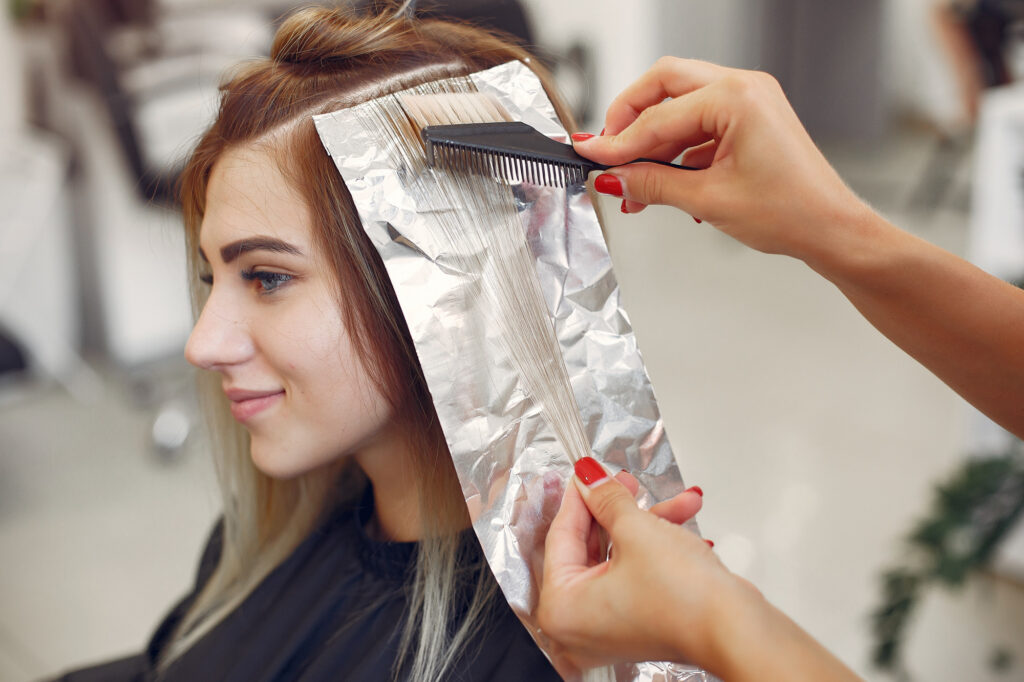
Color is not just about changing your shade. When placed strategically, it reshapes how your face reads in a room. Hair contouring uses subtle, face-framing lightening to create a natural glow that flatters your bone structure without looking overdone. Lighter pieces around the face draw the eye upward, while deeper tones at the back add dimension and depth.
Knowing when to book a touch-up is just as important as the technique itself. Blondes need touch-ups every 4-6 weeks, and precision styles show regrowth faster than layered cuts. Waiting too long between appointments does not just affect aesthetics. It can make the color correction process longer and more costly.
Here is how to keep your color looking fresh between salon visits:
- Use a color-safe, sulfate-free shampoo every time you wash
- Apply a weekly toning mask to neutralize brassiness in blonde or highlighted hair
- Protect color from UV exposure with a leave-in spray that contains SPF
- Avoid washing hair with hot water, which opens the cuticle and accelerates fade
“A well-placed contour highlight does not just change your hair. It changes how you carry yourself.” — Joel C Ma Hair Studio stylist
The most effective color upgrades in 2026 are low-maintenance by design. Face-framing pieces that grow out gracefully, balayage that does not require a rigid touch-up schedule, and toning glazes that refresh without full reprocessing are all smart investments for clients who want to look polished without being chained to the salon chair.
Our perspective: Why true luxury is about personalization and hair health
After more than 25 years working with clients in La Jolla, we have seen one pattern repeat itself: the clients who get the best long-term results are not the ones chasing every new trend. They are the ones who understand their own hair and treat it accordingly.
Luxury styling is not about the most expensive products or the most complicated techniques. It is about knowing what your specific hair needs and applying that knowledge consistently. Scalp health, strand integrity, and moisture balance are the invisible foundations that make every cut and color look better. When those fundamentals are strong, even a simple blowout looks like it cost twice as much.
We also believe the best salon experience leaves you more capable, not more dependent. Our goal at Joel C Ma Hair Studio is always to give clients the knowledge to maintain their look at home, supported by a hair wellness philosophy that puts long-term health ahead of short-term results. That is what separates a truly luxury experience from a transaction.
Elevate your hair experience at Joel C Ma Hair Studio
If these techniques have sparked ideas about what your hair could look like with the right expert guidance, we would love to be part of that next step. At Joel C Ma Hair Studio in La Jolla, our team of skilled hair artists brings over 25 years of experience to every appointment, from precision haircut services to tailored color and finish work.
We specialize in personalized consultations that match technique to your texture, lifestyle, and goals. Whether you are looking to refine your blowout skills, explore color contouring, or simply get a cut that works with your natural hair, our styling artistry resources and expert team are ready to help. Book your consultation today and experience what truly personalized luxury hair care feels like.
Frequently asked questions
How often should I get a precision cut for optimum hair health?
For the sharpest results, precision cuts every 4-8 weeks are recommended depending on your growth rate and style. Micro-trims within that window preserve length while keeping the shape clean.
Which products prevent heat damage when blow drying?
A salon-grade heat protectant applied before styling is the most important step, as classic blowout prep always prioritizes this to shield the hair shaft and maintain shine through the drying process.
How can I make my salon blowout last longer?
Prep thoroughly, use the cool shot at the end of each section to seal the cuticle, and limit humidity exposure between washes. The cool shot technique is the single most underused step in at-home blowouts.
Is there a difference between coloring thick and fine hair?
Yes. Thick hair holds color longer but requires smaller parted applications for even saturation, while fine hair responds best to lighter, evenly distributed highlights that do not weigh the strands down.
What styling trend is most recommended for 2026?
Low-tension natural styles like fluffy silk presses and finger coils are leading in 2026, prioritizing hair health and movement over rigid structure for a look that is both current and sustainable.
Recommended
- 7 Expert Tips for a Polished Hairstyle for Professional Women – Joel C Ma Hair Studio
- Role of Hair Texture – Elevating Luxury Styling Results – Joel C Ma Hair Studio
- Straight Hair Styling Tips for Effortless Elegance in 2025 – Joel C Ma Hair Studio
- How to Style Fine Hair for Volume and Elegance – Joel C Ma Hair Studio
- Najmodniejsze fryzury z włosami doczepianymi na jesień–zimę | Trendy 2025