
Hair Health Mistakes: Why They Sabotage Vibrance
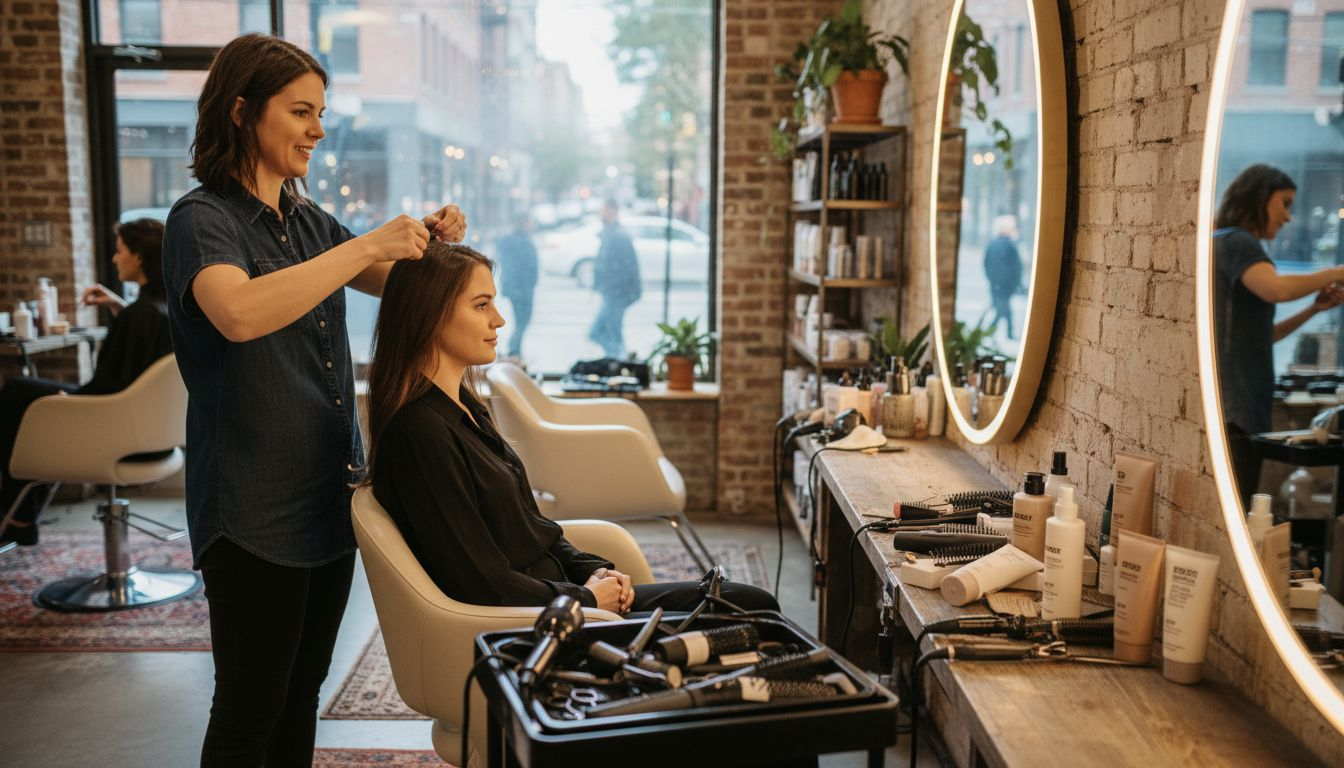
For women in La Jolla who demand beautiful, salon-quality hair every day, small mistakes can quietly sabotage even the most luxurious routines. The difference between vibrant locks and brittle strands often comes down to separating fact from fiction in hair care. Avoiding the allure of widespread myths and embracing expert-backed strategies ensures your hair remains resilient and stunning between professional appointments. Discover proven guidance for maintaining truly healthy hair with confidence.
Table of Contents
- Defining Hair Health Mistakes And Myths
- Types Of Damage: Chemical, Mechanical, Environmental
- The Role Of Product Selection And Usage
- Impact Of Daily Habits And Styling Techniques
- Risks Of Ignoring Early Signs Of Damage
- Expert Strategies For Avoiding Common Errors
Key Takeaways
| Point | Details |
|---|---|
| Understand Individual Needs | Hair care should be personalized; recognize that common myths can lead to damaging practices. |
| Identify Damage Types | Acknowledge chemical, mechanical, and environmental damage to develop effective prevention strategies. |
| Choose Products Wisely | Select hair products based on hair type, texture, and specific needs for optimal health. |
| Monitor and React Early | Be vigilant about early signs of hair damage to prevent irreversible issues and improve long-term care. |
Defining Hair Health Mistakes and Myths
Understanding hair health requires separating fact from fiction. Many individuals inadvertently damage their hair by believing widespread myths that can compromise hair quality and scalp wellness. Hair and scalp hygiene represents a critical foundation for maintaining vibrant, healthy hair.
Hair health misconceptions often stem from outdated information or generalized advice that fails to recognize individual hair needs. Common myths include believing that frequent washing damages hair, thinking all hair products work universally, or assuming hair loss is solely genetic. These misconceptions can lead to significant hair care mistakes:
- Overwashing or underwashing hair
- Using inappropriate styling techniques
- Ignoring scalp health
- Neglecting nutrition’s impact on hair growth
- Misunderstanding product compatibility
Hair Loss Myths frequently complicate understanding genuine hair health challenges. Comprehensive research on hair loss reveals that multiple factors contribute to hair thinning and damage, including:
- Genetic predisposition
- Hormonal changes
- Nutritional deficiencies
- Stress levels
- Environmental factors
Professional hair stylists understand that each individual’s hair requires a personalized approach. Generic solutions rarely address the nuanced needs of different hair types, textures, and conditions. Recognizing that hair health is multifaceted helps prevent potential damage and supports long-term hair vitality.
Pro tip: Consult a professional stylist annually for a comprehensive hair and scalp assessment to develop a personalized hair care strategy.
Types of Damage: Chemical, Mechanical, Environmental
Hair damage is a complex issue with multiple origins, each presenting unique challenges to maintaining healthy, vibrant locks. Types of hair damage demonstrate that hair health requires understanding distinct damaging mechanisms that can compromise hair structure and appearance.
Chemical Damage represents one of the most aggressive forms of hair degradation. Hair treatments like bleaching, perming, and coloring fundamentally alter hair’s protein structure, creating lasting vulnerabilities:
- Permanent color modifications
- Chemical straightening processes
- Harsh bleaching treatments
- Repeated relaxer applications
- Excessive use of chemical styling products
Mechanical Damage occurs through physical interactions that stress hair fibers. Everyday styling practices can gradually weaken hair’s integrity:
- Aggressive brushing techniques
- Tight hairstyles causing tension
- Excessive heat styling
- Using inappropriate hair tools
- Rough towel drying
Environmental Damage emerges from external factors beyond personal control. Brittle hair analysis reveals how external elements systematically compromise hair health:
- UV radiation exposure
- Humidity and moisture variations
- Pollution particulate accumulation
- Extreme temperature fluctuations
- Wind and atmospheric stress
Chemical, mechanical, and environmental damages work synergistically to compromise hair’s structural integrity, requiring comprehensive protective strategies.
Understanding these damage types empowers individuals to develop targeted hair care approaches that mitigate potential harm and support long-term hair resilience.
Here’s a summary that compares the different types of hair damage, their causes, and suggested prevention strategies:
| Damage Type | Main Causes | Main Effects | Prevention Approach |
|---|---|---|---|
| Chemical | Bleaching, perming, color treatments | Protein breakdown, loss of strength | Limit harsh processes, use gentle products |
| Mechanical | Aggressive brushing, heat styling, tight hairstyles | Cuticle wear, increased breakage | Use soft tools, avoid high heat |
| Environmental | Sun exposure, humidity, pollution | Brittleness, dryness, weakened strands | Protect hair outdoors, cleanse regularly |
Pro tip: Rotate hair care products and techniques to minimize cumulative damage from any single damaging factor.
The Role of Product Selection and Usage
Product selection dramatically influences hair health, acting as a foundational element in maintaining vibrant, resilient hair. Hair and scalp hygiene requires understanding how different products interact with individual hair characteristics, creating a personalized approach to hair care.
Choosing appropriate hair products involves careful consideration of multiple factors. Hair type, texture, and specific concerns determine the most suitable product lineup:
- Identifying your specific hair texture
- Understanding scalp conditions
- Recognizing individual hair porosity
- Evaluating existing hair damage
- Considering environmental influences
Professional dermatologists emphasize the importance of targeted product usage. Healthy hair recommendations highlight critical selection criteria that go beyond basic cleaning and conditioning:
- Match products to specific hair type
- Rotate product lines periodically
- Avoid overladen chemical formulations
- Check ingredient compatibility
- Monitor scalp and hair response
Effective product selection is not about purchasing expensive items, but understanding your unique hair’s scientific requirements.
Chemical Composition plays a crucial role in product effectiveness. Hair care products containing harsh sulfates, alcohol, or excessive synthetic compounds can strip natural oils, leading to long-term damage and reduced hair vitality.
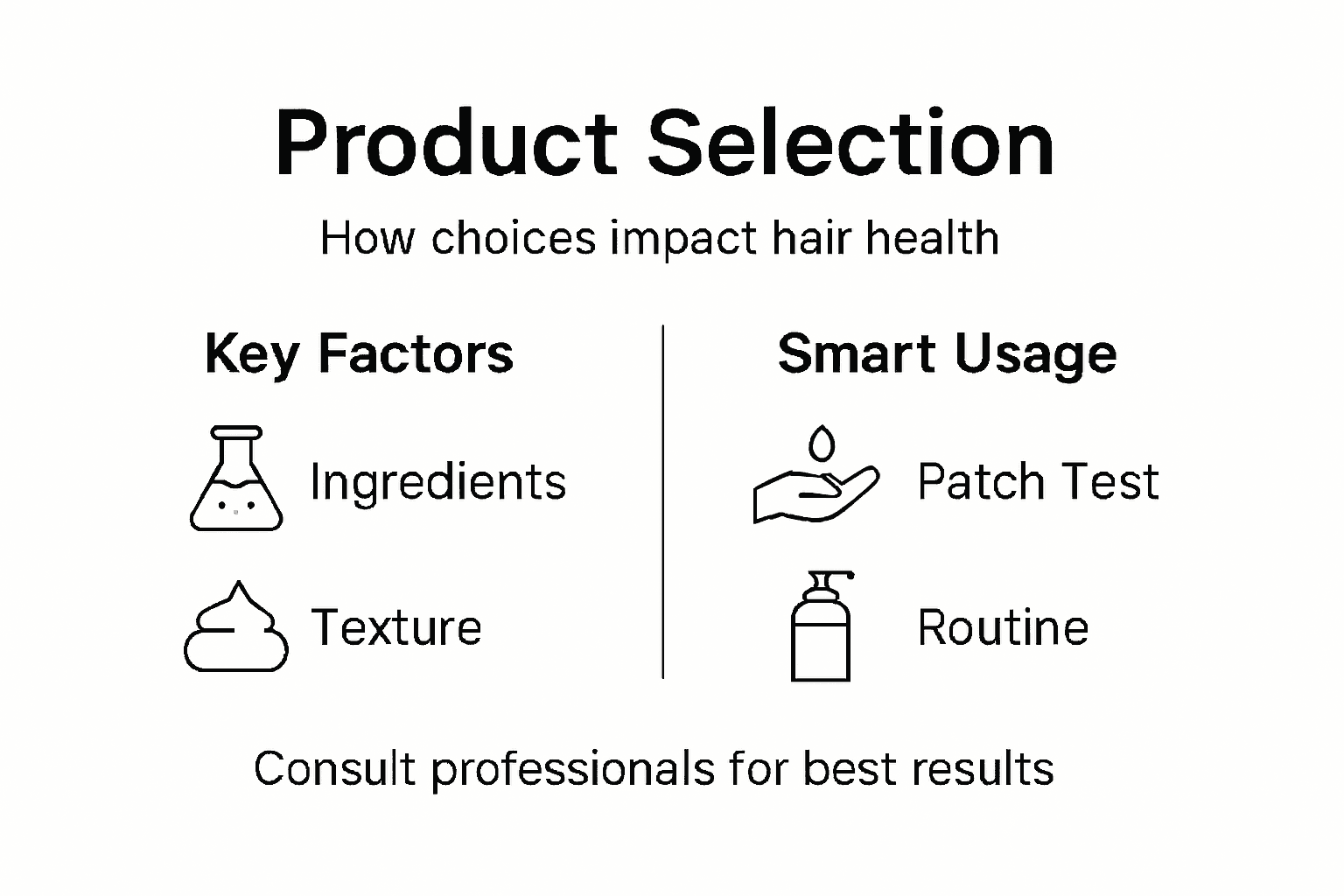
This table highlights key factors to consider when selecting effective hair products for long-term hair health:
| Selection Factor | Why It Matters | Evaluation Tip |
|---|---|---|
| Hair Texture | Influences product absorption | Identify curl pattern and density |
| Scalp Condition | Determines product sensitivity | Check for dryness or oiliness |
| Ingredient Safety | Prevents irritation, long-term harm | Avoid sulfates, harsh alcohols |
| Product Rotation | Minimizes build-up, adaptation | Switch formulas every 3-6 months |
Pro tip: Conduct a patch test with new hair products and observe your hair’s response over two weeks to determine true compatibility.
Impact of Daily Habits and Styling Techniques
Daily habits fundamentally shape hair health, transforming seemingly insignificant actions into long-term consequences for hair vitality. Hair and scalp hygiene reveals how routine practices dramatically influence hair quality and overall scalp wellness.
Hair styling techniques represent a critical area of potential damage and transformation. Improper manipulation can compromise hair structure and integrity:
- Excessive heat styling
- Aggressive brushing techniques
- Tight hairstyles causing tension
- Inconsistent moisture management
- Neglecting protective techniques
Damaging hair habits identified by dermatologists highlight specific practices that gradually erode hair health:
- Using high-temperature styling tools
- Applying heat without protective products
- Brushing wet hair aggressively
- Sleeping without protective hair coverings
- Skipping regular trimming
Consistent, mindful styling practices are more effective than expensive treatments in maintaining long-term hair health.
Mechanical stress from daily styling can create cumulative damage that weakens hair’s structural integrity. Friction, tension, and repeated manipulation break down protective cuticle layers, leading to increased fragility and reduced hair resilience.
Pro tip: Invest in silk or satin pillowcases to reduce overnight hair friction and minimize mechanical damage.
Risks of Ignoring Early Signs of Damage
Early hair damage detection represents a critical strategy for preserving long-term hair health and preventing irreversible deterioration. Vitamins and hair loss research demonstrates how subtle changes can signal significant underlying health concerns.
Recognizing initial warning signs requires keen observation and understanding of potential red flags:
- Increased hair shedding during washing
- Noticeable thinning at ponytail base
- Reduced hair volume
- Unexplained changes in hair texture
- Scalp visibility through hair
Hair loss warning signs identified by medical professionals reveal critical indicators of potential long-term damage:
- Gradual reduction in hair density
- Changes in hair growth patterns
- Persistent scalp irritation
- Abnormal hair breakage
- Unexpected texture modifications
Proactive intervention can prevent minor hair concerns from escalating into significant, potentially permanent damage.
Nutritional Deficiencies often manifest through subtle hair changes, representing complex systemic signals that demand immediate attention. Ignoring these early indicators can lead to progressive hair health deterioration, potentially resulting in more extensive restoration challenges.
Pro tip: Document and photograph your hair’s condition quarterly to track subtle changes and detect potential issues early.
Expert Strategies for Avoiding Common Errors
Navigating hair care requires strategic approaches that transcend typical maintenance routines. Hair and scalp hygiene demands nuanced understanding of preventative techniques that protect hair’s fundamental structure and vitality.
Professional strategies focus on comprehensive hair protection and intelligent intervention:
- Understanding individual hair texture
- Developing personalized care protocols
- Implementing protective styling techniques
- Managing environmental hair stressors
- Creating systematic maintenance routines
Healthy hair recommendations from board-certified dermatologists highlight critical prevention strategies:
- Minimize heat styling frequency
- Use professional-grade protective products
- Practice gentle hair manipulation
- Monitor scalp health consistently
- Invest in professional consultations
Expert hair care is less about complicated treatments and more about consistent, intelligent maintenance.
Systemic Protection involves understanding hair as a holistic system influenced by nutrition, stress, and environmental factors. Comprehensive strategies require integrated approaches that address internal and external hair health dynamics.
Pro tip: Schedule quarterly professional hair assessments to proactively identify and address potential emerging hair health challenges.
Transform Your Hair Health with Expert Care at Joel C Ma Hair Studio
Struggling with common hair health mistakes that sabotage your vibrance and damage your hair over time can feel frustrating and overwhelming. This article highlights key challenges like chemical, mechanical, and environmental damage alongside issues with product selection and daily styling habits. Understanding these pitfalls is the first step toward restoring your hair’s natural resilience and shine. At Joel C Ma Hair Studio, located in La Jolla California, we specialize in personalized solutions that address your unique hair needs with expert precision and artistry.
Experience true transformation by partnering with a team that offers tailored hair consultations, advanced techniques, and protective styling designed to repair and prevent damage. Start your journey by exploring our Uncategorized Archives – Joel C Ma Hair Studio to learn more about hair care insights and innovations. Do not wait until early signs of damage worsen. Visit Joel C Ma Hair Studio today and book your customized appointment to protect your hair’s future and rediscover its vibrance.
Frequently Asked Questions
What are common hair health mistakes?
Common mistakes include overwashing or underwashing hair, using inappropriate styling techniques, ignoring scalp health, neglecting nutrition’s impact on hair growth, and misunderstanding product compatibility.
How does product selection impact hair health?
Selecting the right products is crucial as they should match your hair type, texture, and specific needs. Using incompatible products can lead to damage, build-up, or adverse reactions.
What are the signs of hair damage I should look for?
Early signs of hair damage include increased hair shedding during washing, noticeable thinning, reduced volume, changes in hair texture, and visible scalp through hair.
How can I prevent mechanical damage while styling my hair?
To prevent mechanical damage, avoid aggressive brushing, minimize heat styling, use gentle hair tools, and adopt protective hairstyles to reduce tension on hair fibers.
Recommended
- Complete Guide to Reasons for Hair Breakage – Joel C Ma Hair Studio
- Complete Guide to Humidity Proof Hairstyles – Joel C Ma Hair Studio
- How to Repair Damaged Hair for Salon-Quality Results – Joel C Ma Hair Studio
- Complete Guide to Summer Hair Care Routine – Joel C Ma Hair Studio
- Hair Nutrition Food: Boosting Growth and Vitality | MyHair