
Wine Tasting in Southern California: Top Wineries & Day-Trip Guide
TL;DR:
- Temecula Valley offers nearly 50 wineries concentrated within a few miles, making it the most accessible Southern California wine region. Visitors should reserve tastings and transport in advance, especially for larger groups or peak times, to avoid long waits. Coastal and mountain estates provide scenic, intimate experiences that require more planning but reward visitors with unique views and quieter atmospheres.
For first-time visitors, Temecula Valley is the fastest, most accessible entry point into Southern California wine country, with nearly 50 wineries concentrated within a few miles of each other. Reserve a 3-stop tasting day, budget several hours on the ground, and arrange transport before you book anything else.
Your shortlist to start with:
- Temecula Valley for day trips, group outings, and resort-style hospitality
- Wilson Creek Winery for families and large groups
- Ponte Winery when you want a full lunch alongside your tasting
- Rosenthal – The Malibu Estate for ocean views and a completely different vibe
- Ojai Mountain Estate for a private, appointment-only experience at elevation
Coastal and mountain options require more planning but reward you with scenery and intimacy that Temecula’s busier tasting rooms simply cannot match.
Table of Contents
- What are the best wineries for wine tasting in Southern California?
- Which Southern California wine regions should you know before you go?
- How do you pick the right winery and what should you ask when you book?
- The top Temecula Valley wineries worth your time
- What do coastal and mountain tastings offer that Temecula cannot?
- How should you get to wine country, and what does a full day actually look like?
- When is the best time to visit, and what events should you plan around?
- How does Southern California wine tasting differ from Napa or Sonoma?
- Practical visitor info: hours, parking, food, pets, and accessibility
- How to pair wine tastings with Southern California food
- What to know about buying and shipping wine after your tasting
- Safety tips for a wine tasting day
- Weather considerations for your tasting visit
- Key Takeaways
- The winery experience most visitors underestimate
- Joelcma: a different kind of day-trip complement for San Diego visitors
- Useful sources for booking and planning your visit
What are the best wineries for wine tasting in Southern California?
Temecula dominates the list on sheer range and accessibility. The coastal and mountain options are worth the extra logistics for the right group.
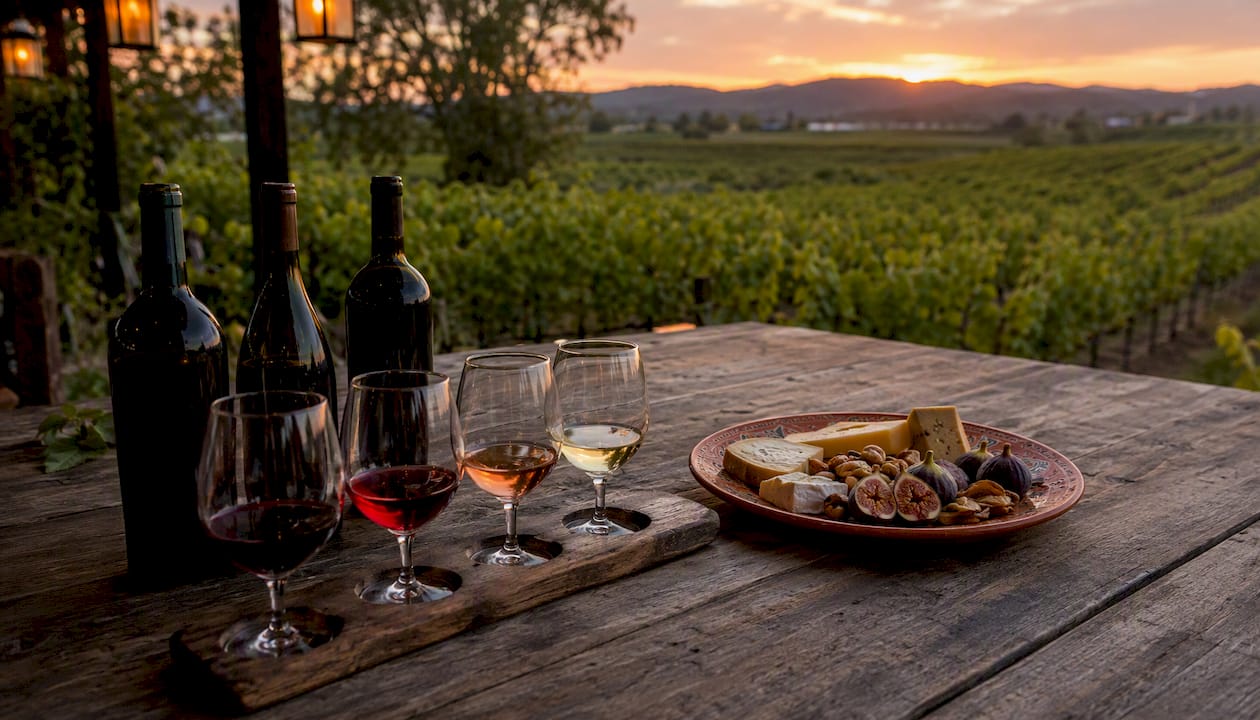
| Winery | Best For | Tasting Fee / Price | Reservation Required | Tasting Format | Setting | On-Site Amenities | Distance from LA / SD |
|---|---|---|---|---|---|---|---|
| Temecula Valley (region) | Day trips, groups, all styles | Varies by winery | Varies | All formats | Valley | Full range | ~90 min from LA / ~60 min from SD |
| Wilson Creek Winery | Families, groups | $$ | Recommended | Flight, walk-in | Valley | Restaurant, events, picnic | ~90 min / ~60 min |
| Ponte Winery | Dining with tasting | $$ | Recommended | Seated, flight | Valley | Full restaurant, event space | ~90 min / ~60 min |
| South Coast Winery | Resort-style, wine-lunch | $$ | Recommended | Seated, flight | Valley | Spa, restaurant, resort | ~90 min / ~60 min |
| Callaway Vineyard & Winery | Couples, classic tasting | $$ | Walk-in friendly | Flight, seated | Valley | Tasting room, patio | ~90 min / ~60 min |
| Leoness Cellars | Romance, scenic picnics | $$ | Recommended | Seated, flight | Valley | Picnic grounds, events | ~90 min / ~60 min |
| Doffo Winery | Boutique collectors | $$$ | Appointment preferred | Private, small-lot | Valley | Motorcycle collection, patio | ~90 min / ~60 min |
| Carter Estate Winery | Sparkling wine fans | $$ | Recommended | Flight, seated | Valley | Tasting room, patio | ~90 min / ~60 min |
| Oak Mountain | Unique cave experience | $$ | Walk-in / recommended | Cave tasting, flight | Valley | Wine cave, café | ~90 min / ~60 min |
| Robert Renzoni Vineyards | Food-and-wine pairings | $$ | Recommended | Seated, flight | Valley | Mama Rosa’s Trattoria | ~90 min / ~60 min |
| Rosenthal – The Malibu Estate | Ocean views, couples | $$$ | Recommended | Seated, pours | Ocean view / PCH | Live music weekends | ~45 min from LA |
| Malibu Wine Hikes | Active visitors, groups | $$$ | Required | Guided hike + pours | Ranch / outdoor | Safari transport, picnic | ~45 min from LA |
| Ojai Mountain Estate | Private, biodynamic | $$$$ | Appointment only | Private, seated | Mountain (2,800 ft) | Estate grounds | ~90 min from LA |
| Orfila Vineyards and Winery | Picnics, outdoor tastings | $$ | Walk-in friendly | Flight, outdoor | Escondido / valley | Picnic areas, rose garden | ~30 min from SD |
| Charlie & Echo | Urban tasting, experimental | $$ | Walk-in / recommended | Pours, urban | San Diego urban | Urban tasting room | In SD |
| Galleano Winery | History-minded visitors | $ | Walk-in | Classic pours | Rancho Cucamonga | Historic property | ~45 min from LA |
| OAJI Mountain Estate | Elevated, boutique | $$$ | Appointment preferred | Private | Mountain | Estate grounds | ~90 min from LA |
Booking note: Appointment-only estates (Ojai Mountain Estate, OAJI Mountain Estate, Doffo) require advance contact. Most Temecula tasting rooms accept walk-ins on weekdays but strongly recommend reservations for weekends and groups of 6 or more.
Which Southern California wine regions should you know before you go?
The region you pick shapes everything: drive time, crowd level, wine style, and what the tasting actually feels like.
-
Temecula Valley sits about 90 minutes southeast of Los Angeles and an hour from San Diego. It holds the largest concentration of wineries in Southern California, and the microclimate, where coastal breezes from the De Luz corridor meet warm inland sun, produces ripe, food-friendly reds and aromatic whites. This is where you go for a full day of back-to-back tastings, resort amenities, and group-friendly logistics.
-
Malibu is a 45-minute drive from central LA along Pacific Coast Highway. The tasting rooms here are few but memorable. Rosenthal sits on PCH with ocean views; Malibu Wine Hikes takes you onto Saddlerock Ranch for a guided walk through working vineyards. Expect smaller pours, higher prices, and a crowd that came for the scenery as much as the wine.
-
Ojai and the surrounding mountain estates sit at elevations above 2,000 feet, which means cooler temperatures, lower yields, and wines with noticeably more tension and structure. These are appointment-only operations. Cell coverage on the mountain roads can be spotty, so download directions before you leave.
-
San Diego urban wineries (Charlie & Echo being the clearest example) cater to a different drinker entirely. Low-intervention, experimental, and often natural wines in a tasting-room format that feels closer to a wine bar than a vineyard. No drive required if you are already in the city.
-
Rancho Cucamonga is the historical footnote most visitors skip. Galleano Winery has been producing wine on the same property since the 1920s, and a visit there connects you to California’s pre-Prohibition viticultural roots in a way no Temecula resort can replicate.
Drive times at a glance: Temecula is about a 1.5-hour drive from downtown LA and about an hour from San Diego. Malibu is about a 45-minute drive from West LA. Ojai and Orfila Vineyards are within around an hour to an hour and a half drive from their nearest cities.
How do you pick the right winery and what should you ask when you book?
The single biggest mistake first-time visitors make is showing up without a reservation on a Saturday and losing an hour to waitlists. Here is the checklist that prevents that.
- Confirm the reservation policy. Walk-in friendly on weekdays does not mean walk-in friendly on weekends. Call or check the winery’s website the week before, not the morning of.
- Ask about group size rules. Most Temecula wineries require reservations for parties of 6 or more. Some cap walk-in groups at 4. Know your headcount before you call.
- Clarify what the tasting fee covers. Some fees include a flight of 4–6 wines; others charge per pour. Ask whether the fee is waived with a bottle purchase, a common policy that can save a group real money.
- Check cancellation terms. Many wineries that require prepayment for reserved tastings have 24–48 hour cancellation windows. Missing that window means losing the deposit.
- Ask about food options. Some tasting rooms are pour-only; others have full restaurants (Ponte, Robert Renzoni), food trucks, or picnic areas. If your group needs lunch, confirm it is available before you build your itinerary around that stop.
- Verify ADA access and parking. Most Temecula estates have ample parking and paved paths, but mountain and coastal estates can have gravel lots and uneven terrain.
- Ask about wine shipping. California wineries can ship directly to most U.S. states, but policies vary. If you plan to buy a case, ask about shipping costs and lead times before you fall in love with a bottle you cannot carry home.
Red flags to watch for: hidden service fees added at checkout on tour packages, group minimums that were not disclosed upfront, and refund policies that only offer credit rather than a cash refund.
Pro Tip: For groups of 10 or more, some wineries require prepayment and request lunch pre-orders 48 hours in advance. Lock in food orders the same day you book the tasting, not the day before.
The top Temecula Valley wineries worth your time
Temecula’s wine road runs along Rancho California Road, and most of the best stops are within a 5-mile stretch. A realistic single-day itinerary covers three wineries comfortably.
-
Wilson Creek Winery is the most family-friendly stop on the road. The almond champagne is the crowd-pleaser, but the real draw is the infrastructure: a full restaurant, event lawn, and enough space that a group of 20 does not feel like it is taking over. Walk-ins are possible on weekdays; weekends require a reservation.
-
Ponte Winery is where you go when the tasting is secondary to the meal. The on-site restaurant is a proper sit-down experience, and the estate grounds are polished enough for a wedding. Tasting flights run alongside a full lunch menu, which makes it a natural anchor stop for a midday break.
-
South Coast Winery functions more like a resort than a tasting room. There is a spa, multiple dining options, and a range of tasting experiences from casual flights to seated reserve programs. It suits visitors who want to linger rather than move quickly between stops.
-
Callaway Vineyard & Winery is the classic tasting-room experience: a well-maintained estate, a focused flight of their own wines, and a patio with valley views. No frills, no gimmicks. Couples who want a quieter afternoon tend to gravitate here.
-
Leoness Cellars has some of the most scenic grounds on the wine road, with manicured gardens and a picnic-friendly layout. The wines lean toward Rhône and Bordeaux varieties, and the estate hosts weddings and private events regularly.
-
Doffo Winery is the outlier. The family’s motorcycle collection is displayed on the property alongside their small-lot wines, and the combination is genuinely unexpected. Tastings are intimate and production is limited, so calling ahead is worth it.
-
Carter Estate Winery specializes in traditional-method sparkling wines, which sets it apart from nearly every other producer in the valley. If you have a sparkling wine enthusiast in your group, this is a non-negotiable stop.
-
Oak Mountain has a subterranean wine cave that doubles as a tasting room and café. The cave stays cool year-round, which makes it a particularly good stop on a hot summer afternoon.
-
Robert Renzoni Vineyards focuses on Italian varietals and pairs them with Mama Rosa’s Trattoria on-site. Sangiovese, Barbera, and Pinot Grigio are the anchors of the lineup, and the trattoria makes it easy to spend two hours at one stop.
Suggested 3-stop day-trip order from San Diego: Start at Robert Renzoni (11:00 AM, Italian varietals and early lunch), move to Oak Mountain (1:30 PM, cave tasting), finish at Wilson Creek (3:30 PM, group-friendly patio and late afternoon flights). You are back on I-15 by 6:00 PM.
Pro Tip: Park once and walk or use a winery shuttle between adjacent estates. Several Rancho California Road wineries are within walking distance of each other, and avoiding repeated parking saves 20–30 minutes on a full day.
What do coastal and mountain tastings offer that Temecula cannot?
The short answer: views, privacy, and wines that taste structurally different because they were grown somewhere structurally different.
-
Rosenthal – The Malibu Estate sits on Pacific Coast Highway with the Pacific Ocean as its backdrop. The tasting room is small and the pours are generous. Vineyards are farther inland at roughly 1,450 feet in Newton Canyon, which gives the wines a cooler-climate character that contrasts sharply with Temecula’s fuller-bodied style. Live music runs on weekend afternoons. Reservations are recommended; walk-ins depend on availability.
-
Malibu Wine Hikes operates on Saddlerock Ranch and combines guided outdoor walks with wine pours along the trail. Some resorts and wineries combine wine tasting with other activities like hiking and live music, and this is the clearest example of that format in Southern California. Safari-style transport moves guests across the property. It is an experience-first offering, not a traditional tasting room, and it requires advance booking.
-
Ojai Mountain Estate operates at 2,800 feet elevation, appointment-only, with a focus on biodynamic farming. The wines are low-yield and site-specific. This is not a drop-in destination; it is a deliberate choice for visitors who want a quiet, unhurried tasting with a producer who can explain every decision in the vineyard. Cell coverage on the approach roads is unreliable, so confirm directions before you leave.
-
OAJI Mountain Estate offers a similarly elevated, boutique experience with appointment-preferred access. Details of the estate are not publicly listed in full, so contact them directly for current tasting availability and pricing.
When to choose coastal or mountain over Temecula: If your group is small (2–4 people), you want ocean or mountain scenery, or you are willing to pay more for a quieter, more personal tasting, the coastal and mountain options deliver something Temecula’s busier tasting rooms cannot. For groups of 8 or more, Temecula’s infrastructure is simply better suited.
How should you get to wine country, and what does a full day actually look like?
Transport is the decision that shapes the whole day. Get it wrong and someone ends up sober and resentful; get it right and everyone gets home safely.
Transport options compared:
- Self-drive works if one person in the group commits to being the designated driver for the day. It gives you full flexibility on timing and stops, but it limits how much everyone else can drink. Parking at most Temecula wineries is free and ample.
- Group shuttle tours are the most common choice for parties of 4–12. Many Temecula wine tour operators sell all-inclusive packages with multi-stop itineraries. Verify whether tasting fees are included or billed separately at each stop, and whether lunch is pre-ordered or optional.
- Party-bus style tours advertise fixed per-person rates but often add service fees and require pre-ordered lunch. Read the fine print before you book.
- Private chauffeured tours are the right call for special occasions: bachelorette parties, anniversaries, corporate outings. They allow curated stop selection and flexible pick-up locations. Boutique operators position these as upscale, close-to-city escapes, and the pricing reflects that.
- Ride-hailing (Uber, Lyft) is viable for the Temecula area but surge pricing on weekend evenings can be significant. It is a reasonable backup, not a primary plan.
Sample itinerary 1: LA to Temecula full day
- Depart LA by 9:00 AM via I-15 South
- Arrive Temecula ~10:30 AM; first tasting at Robert Renzoni (11:00 AM)
- Lunch at Ponte Winery restaurant (1:00 PM)
- Afternoon tasting at Oak Mountain cave (3:00 PM)
- Optional final stop at Wilson Creek (4:30 PM)
- Depart by 6:00 PM; back in LA by 7:30 PM
Sample itinerary 2: Coastal half-day from LA
- Depart West LA by 10:00 AM via PCH
- Malibu Wine Hikes guided experience (11:00 AM, 2 hours)
- Lunch at a PCH restaurant (1:30 PM)
- Rosenthal – The Malibu Estate tasting (3:00 PM, live music on weekends)
- Back in LA by 5:30 PM
When is the best time to visit, and what events should you plan around?
Southern California’s wine country is genuinely year-round, but the experience shifts significantly by season.
- Spring (March through May) is the most visually rewarding time to visit Temecula. Wildflowers are out, vines are budding, and temperatures are mild (65–80°F on most days). Crowds are moderate compared to summer weekends.
- Harvest season (August through October) is when the valley is most alive. Grape stomps, harvest festivals, and winery open houses run throughout the fall. Booking lead times stretch to 3–4 weeks for popular estates during peak harvest weekends.
- Winter (November through February) offers the quietest tasting rooms and the most attentive service. Temecula rarely sees frost, and a clear winter day in the valley is genuinely beautiful. Prices on tour packages tend to drop, and walk-in availability improves significantly.
- Summer weekends are the busiest and hottest. Temperatures in Temecula can reach 95–100°F in July and August. If you visit in summer, start early (tastings open at 10:00 or 11:00 AM at most estates), hit the Oak Mountain cave for a midday break, and finish by 4:00 PM before the heat peaks.
Notable recurring events to search for: Temecula Valley Balloon & Wine Festival (typically May), harvest grape stomps at multiple estates (September through October), and winery-hosted live music series that run spring through fall.
How does Southern California wine tasting differ from Napa or Sonoma?
The gap is real, and it runs in both directions.
Climatically, Temecula’s combination of warm days and cool marine-influenced nights produces ripe, generous wines, particularly Syrah, Cabernet Sauvignon, and Viognier. The coastal estates in Malibu and the mountain properties in Ojai work with cooler temperatures and lower yields, producing wines with more acidity and structure. Neither profile is Napa; both are worth knowing on their own terms.
The hospitality model is also different. Napa’s top estates often feel like auditions for a wine club membership. Southern California tasting rooms, even the premium ones, tend toward a more relaxed, come-as-you-are atmosphere. That is partly by design and partly a function of the market. Visitors who arrive expecting Napa’s formality will be pleasantly surprised; visitors who arrive expecting Napa’s wine depth should calibrate their expectations.
Urban wineries like Charlie & Echo in San Diego represent a third model entirely: small production, natural and low-intervention wines, and a tasting-room format that prioritizes conversation over ceremony.
Practical visitor info: hours, parking, food, pets, and accessibility
Most Temecula tasting rooms open between 10:00 and 11:00 AM and close between 5:00 and 6:00 PM. A handful extend to 8:00 PM on Friday and Saturday evenings, particularly those with live music or restaurant service. Confirm hours directly with each winery before you go, as seasonal adjustments are common.
Parking is free and plentiful at virtually every Temecula estate. Coastal and mountain properties are the exception: Rosenthal on PCH has limited street and lot parking, and mountain roads to Ojai estates may require careful navigation in larger vehicles.
Food on site ranges from full restaurants (Ponte, South Coast, Robert Renzoni) to food trucks and picnic areas (Leoness, Orfila) to pour-only tasting rooms with no food service. If your group needs a meal, build your itinerary around a winery with a restaurant rather than assuming food will be available.
Pet policy varies. Several Temecula estates welcome leashed dogs on outdoor patios and picnic grounds. Indoor tasting rooms are almost universally pet-free. Call ahead if you are bringing a dog.
Accessibility: Most major Temecula estates have paved paths, accessible restrooms, and designated parking. Mountain and coastal properties can have uneven terrain. Orfila Vineyards in Escondido has particularly flat, accessible grounds with picnic areas that work well for visitors with mobility considerations.
How to pair wine tastings with Southern California food
The best pairings are not always at the winery itself. Temecula’s wine road sits within 20 minutes of Old Town Temecula, where you will find farm-to-table restaurants, taco shops, and a Saturday farmers market that runs year-round. Picking up local produce, charcuterie, or artisan cheese before your first tasting and assembling a picnic at Leoness or Orfila is one of the more satisfying ways to spend a Saturday.
For coastal visits, the PCH corridor between Malibu and Santa Monica has no shortage of seafood spots that pair naturally with the lighter, higher-acid wines from Rosenthal’s Newton Canyon vineyards. A Chardonnay or Pinot Noir from a coastal estate alongside grilled fish is a straightforward win.
Robert Renzoni’s on-site trattoria handles the pairing question for you: Italian varietals with Italian food, and the kitchen sources locally where possible. If you are visiting Temecula and want one stop that covers both wine and a proper meal, this is the most coherent option.
For San Diego urban wineries like Charlie & Echo, the surrounding neighborhoods offer craft food halls, ramen shops, and taco spots that complement experimental, low-intervention wines better than a formal restaurant would.
What to know about buying and shipping wine after your tasting
California law allows wineries to ship directly to most U.S. states, but not all. Before you commit to buying a case, ask the tasting room staff which states they ship to and what the per-shipment cost looks like. Shipping a mixed case of 12 bottles typically runs $30–$60 depending on distance and carrier, though some wineries offer free shipping above a purchase threshold for wine club members.
If you are buying to carry home, most airlines allow wine in checked luggage when properly packed. Specialized wine shipping bags (available at most airport shops and online) protect bottles adequately for a checked bag. Carry-on is not an option for liquids over 3.4 oz.
Wine club memberships at Temecula estates often include complimentary or discounted tasting fees on return visits, priority access to limited releases, and shipping discounts. If you find a producer whose wines you genuinely love, the membership math often works in your favor after two or three shipments.
Safety tips for a wine tasting day
The obvious one first: designate a driver before you leave, not after the third tasting. A sober driver in your group costs nothing; an Uber surge from Temecula on a Saturday night can run $80–$120 each way.
Pacing matters more than most visitors expect. A standard tasting flight covers 4–6 wines at roughly 1–2 oz per pour. Three stops means 12–18 pours across the day, which adds up faster than it sounds, particularly in summer heat. Drink water between stops, eat something substantial before your first tasting, and do not skip the food options at wineries that have them.
Tour operators that include transportation remove the driving concern entirely, but verify that the operator is licensed and insured. Reputable shuttle and party-bus companies will provide that information on request.
If you are visiting mountain or coastal estates on narrow roads, drive sober regardless of how little you drank. PCH and the Ojai mountain approaches have sections where a lapse in attention has serious consequences.
Weather considerations for your tasting visit
Temecula sits at roughly 1,500 feet elevation, which moderates temperatures compared to the surrounding lowlands, but summer afternoons still get hot. July and August afternoons regularly reach the mid-90s°F. Wear light layers, bring sunscreen, and plan outdoor tastings for the morning hours.
Spring and fall are the sweet spots: temperatures in the 70s°F, low humidity, and long golden-hour light that makes vineyard photos look effortless. Rain is rare but not unheard of between December and March. A light rain actually makes for a quieter, more intimate tasting-room experience, and most estates have covered outdoor areas.
Coastal estates in Malibu run cooler year-round thanks to marine influence. A summer afternoon at Rosenthal can feel 15–20°F cooler than Temecula on the same day. Bring a layer even in July.
Mountain estates in Ojai can see genuine cold in winter, with temperatures dropping below 40°F at night. If you are visiting in December or January, dress accordingly and confirm the estate is open before making the drive.
Key Takeaways
Temecula Valley is the clearest starting point for wine tasting in Southern California: nearly 50 wineries, straightforward logistics from both LA and San Diego, and enough variety in format and price to suit any group.
| Point | Details |
|---|---|
| Start in Temecula | Nearly 50 wineries within a compact area make it the most accessible Southern California wine region for day trips. |
| Reserve ahead, especially on weekends | Most Temecula estates recommend reservations for groups of 6 or more; appointment-only estates require advance contact. |
| Budget for tasting fees and transport | Tasting fees, tour service charges, and lunch are often separate costs; confirm inclusions before you book any package. |
| Coastal and mountain options suit small groups | Rosenthal, Malibu Wine Hikes, and Ojai Mountain Estate offer views and privacy that Temecula’s busier rooms cannot match. |
| Joelcma in La Jolla | For visitors planning a special-occasion wine day from San Diego, Joelcma’s La Jolla salon is a natural complement for pre-event styling. |
The winery experience most visitors underestimate
The conventional advice is to pack in as many stops as possible on a Temecula day trip. Five wineries, six wineries, squeeze in one more before the shuttle leaves. The result is a blur of tasting notes nobody remembers and a headache that starts somewhere around stop four.
The visitors who come away with the most from a Southern California wine day are the ones who slow down at two or three stops and actually talk to the people pouring. Doffo’s staff will tell you about the motorcycle collection and the family’s Argentine roots. Robert Renzoni’s team can walk you through the Italian varietal decisions in a way that makes the wine genuinely interesting rather than just pleasant. Oak Mountain’s cave is a conversation starter on its own.
The coastal and mountain estates reward this approach even more. Ojai Mountain Estate at 2,800 feet is not a stop you rush through. It is a destination you plan a half-day around, and the wines reflect the care that went into growing them at that elevation. Visitors who treat it like a checkbox miss the point entirely.
Southern California wine country is not Napa. It does not need to be. The best version of a day here is unhurried, specific, and built around what your group actually enjoys rather than what the itinerary says you should cover.
Joelcma: a different kind of day-trip complement for San Diego visitors
There are plenty of routes to a memorable Southern California wine day: Temecula shuttles, Malibu hikes, private estate tastings. All of them are worth your time for the right occasion.

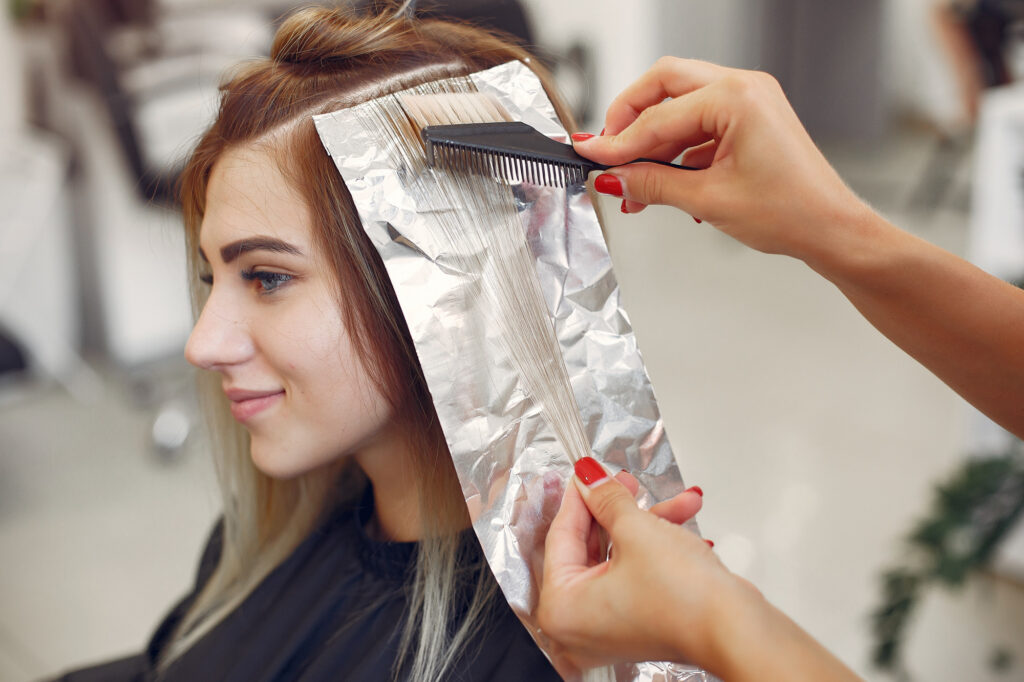
For visitors based in or passing through San Diego, Joelcma at Joel C Ma Hair Studio in La Jolla offers something none of those wineries do: a personalized pre-event styling experience built around your specific look, not a generic blowout. With over 25 years of expertise in cuts, balayage, and color, the team at Joelcma treats a Saturday wine trip the same way a good winery treats a private tasting: as an occasion that deserves real attention. If you are planning a bachelorette day, an anniversary trip, or a group outing that starts in San Diego before heading to wine country, book a consultation at Joelcma and arrive looking exactly the way you want to.
Useful sources for booking and planning your visit
- Temecula Valley Winegrowers Association — the official industry body for the region, with a full winery map, event calendar, and tasting room directory
- Visit Temecula Valley — the official tourism board site with maps, itinerary suggestions, and links to winery booking pages
- WineCountry.com – Best Wineries in SoCal — editorial roundup covering Temecula, Malibu, Rancho Cucamonga, and San Diego urban wineries
- Temecula Cable Car Wine Tours — a unique trolley-style tour operator running multi-stop winery itineraries in a restored 1914 cable car
- SoCal Wine Tours — all-inclusive tour packages with multi-stop Temecula itineraries; review inclusions carefully before booking
- The UnWined Experience — boutique private tour operator positioning close-to-city wine escapes for small groups and special occasions
- Wiens Cellars – Visit Page — a clear example of how Temecula tasting-room reservation policies and formats are structured; useful as a reference before calling any estate
For appointment-only estates (Ojai Mountain Estate, OAJI Mountain Estate, Doffo), use the winery’s official website or phone number directly. Third-party booking platforms do not always reflect current availability for these producers.