
Fade vs Undercut: Choosing Your Best Style
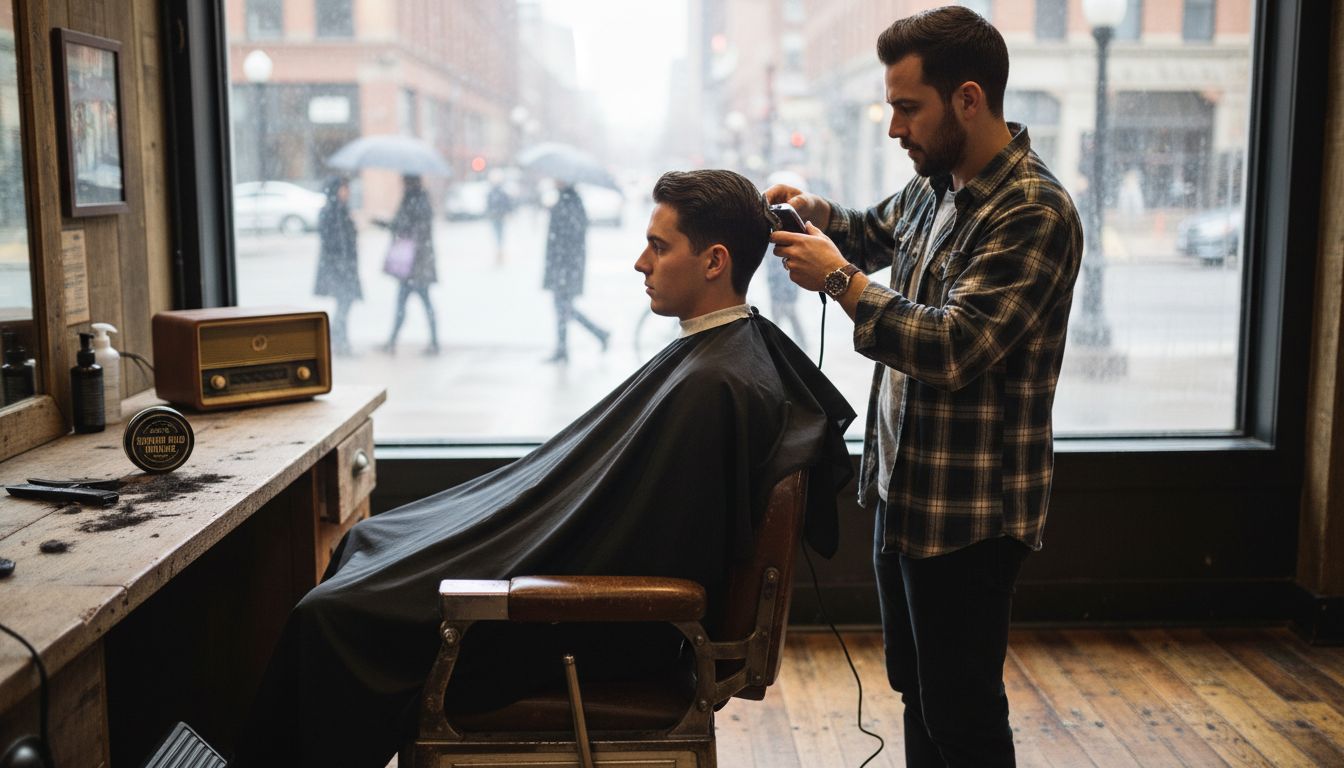
Over 60 percent of American men under thirty now opt for a fade or undercut when visiting the barber. Choosing the right haircut is about more than following trends—it shapes first impressions, confidence, and even professional success. With clear differences between these two popular styles, understanding their key features can help you decide which look best fits your personality, lifestyle, and daily routine.
Table of Contents
- Defining Fade and Undercut Haircuts
- Comparing Fade and Undercut Variations
- Styling Techniques for Each Look
- Maintenance Needs and Client Suitability
- Choosing the Right Cut for Your Lifestyle
Key Takeaways
| Point | Details |
|---|---|
| Understanding Styles | Fade haircuts offer a smooth gradient, while undercuts feature a sharp contrast in length, catering to different personal styles. |
| Maintenance Needs | Fades require touch-ups every 2-3 weeks, whereas undercuts demand more frequent trims and daily styling, making personal commitment crucial. |
| Lifestyle Considerations | Professional environments may prefer fades for a polished look, while creative fields can embrace the bold nature of undercuts. |
| Consulting Professionals | Collaborating with a stylist ensures that the chosen haircut aligns with individual hair texture, face shape, and lifestyle preferences. |
Defining Fade and Undercut Haircuts
The world of men’s hairstyling offers numerous options for expressing personal style, with fade and undercut haircuts standing out as two distinctly modern choices. These contemporary styles have transformed traditional grooming approaches, offering men versatile looks that range from professional to edgy.
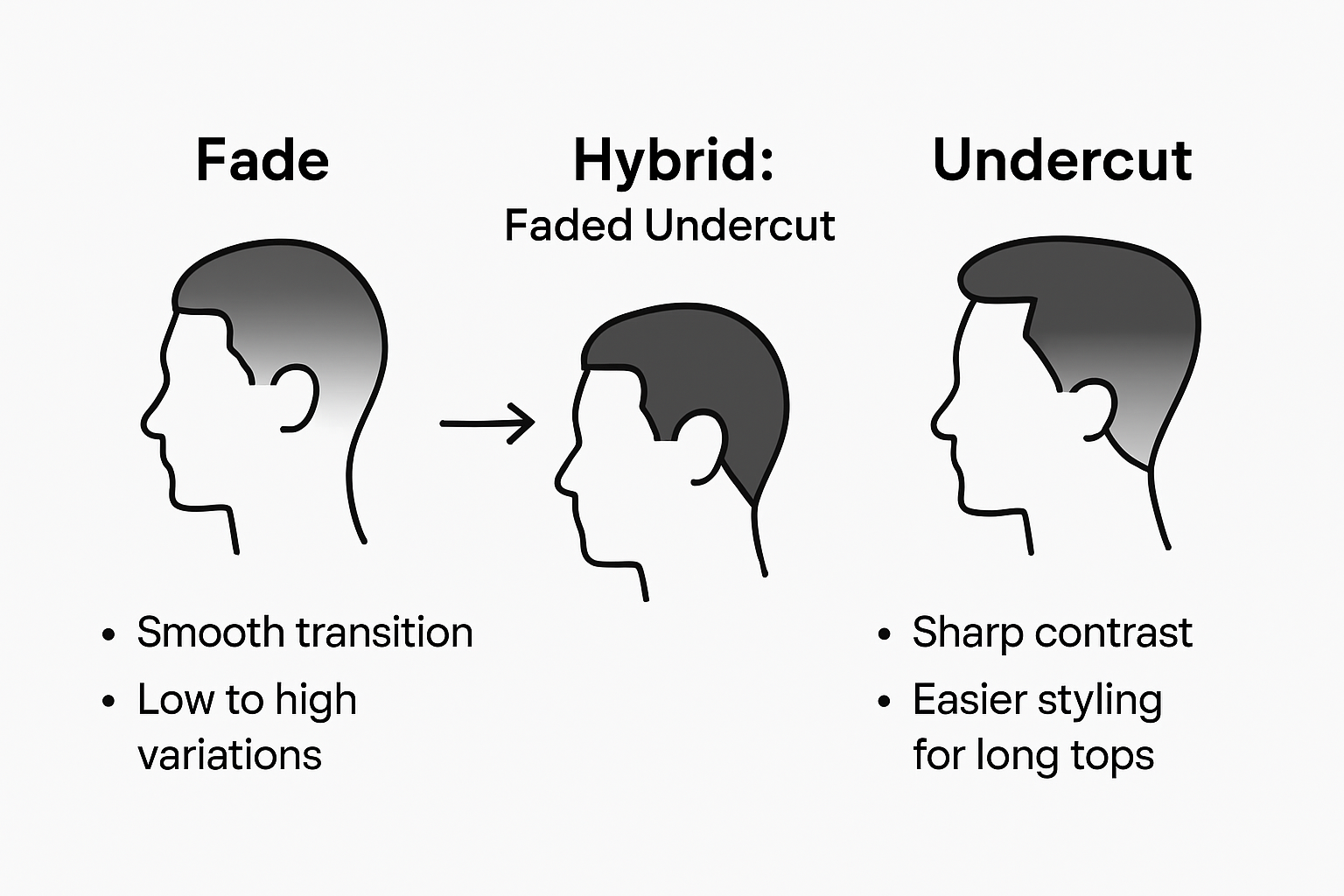
A classic undercut hairstyle represents a bold architectural approach to hair design. This style features dramatically contrasting hair lengths: the top remains long and textured while the sides and back are trimmed extremely short or shaved. The sharp demarcation between lengths creates a striking visual statement that highlights facial structure and personal confidence.
Fade haircuts, in contrast, represent a more gradual transition between hair lengths. Unlike the undercut’s stark contrast, fades create a smooth gradient effect where hair progressively becomes shorter from top to bottom. Professional barbers use precise clipper techniques to blend hair seamlessly, with variations like low, mid, and high fades offering different aesthetic intensities. These cuts work exceptionally well for men seeking a clean, structured appearance that maintains a sense of sophistication.
Understanding these styles goes beyond simple hair trimming techniques. They represent personal expression, cultural trends, and individual identity. Whether you’re a professional seeking a polished look or someone wanting to make a bold statement, choosing between a fade and undercut depends on your hair texture, face shape, personal style, and maintenance preferences.
Comparing Fade and Undercut Variations
Haircuts are not one-size-fits-all, and understanding the nuanced variations of fade and undercut styles can help you select the perfect look for your personal aesthetic. Fade haircuts offer remarkable versatility, ranging from low, mid, to high variations that create different visual impacts and suit diverse personal styles.
Undercut variations present their own fascinating spectrum of design possibilities. The disconnected undercut represents the most dramatic approach, featuring an abrupt transition between long top hair and extremely short sides. In contrast, the blended undercut provides a smoother, more gradual transformation that softens the style’s architectural lines. Each variation communicates a different level of boldness and personal expression.
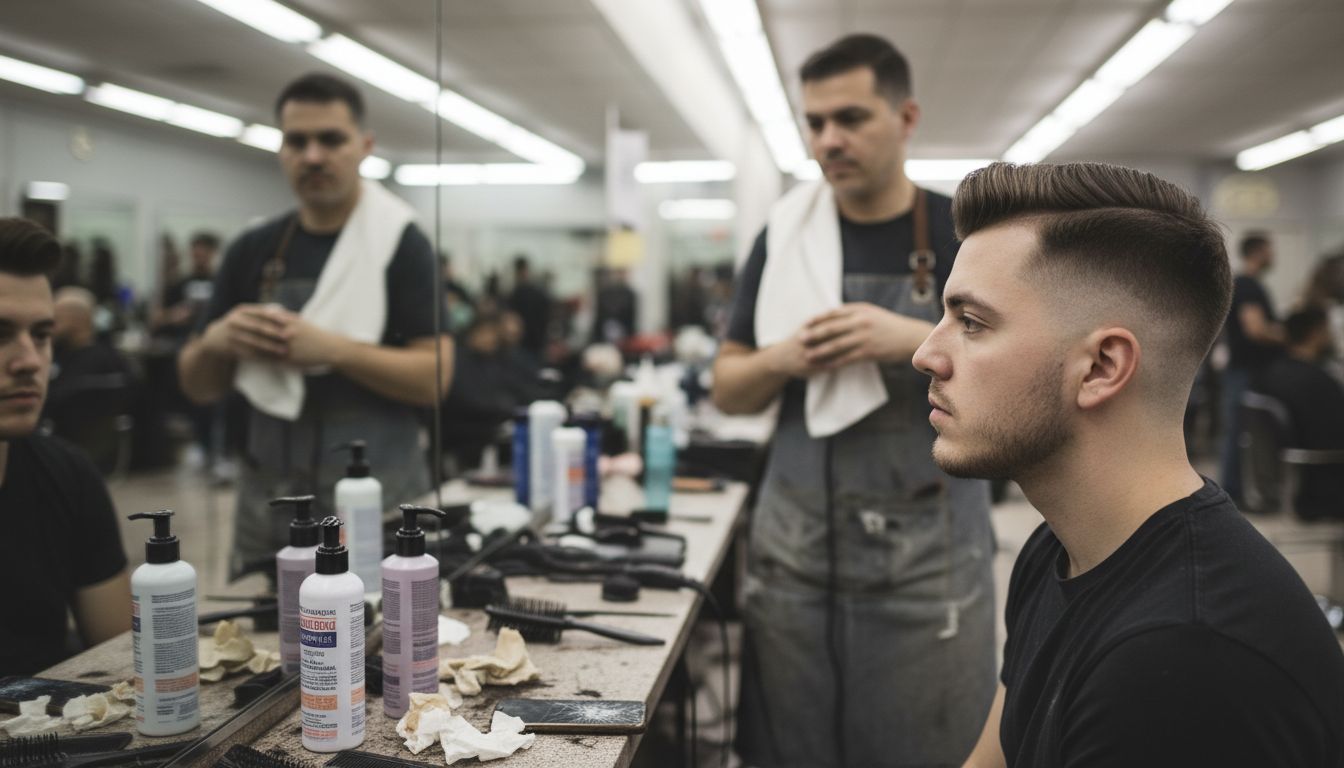
The faded undercut emerges as a contemporary hybrid style, ingeniously combining elements from both traditional fade and undercut techniques. This sophisticated approach features a gradual fade on the sides that seamlessly blends into longer hair on top, reducing the stark contrasts typical of classic undercuts. This style works exceptionally well for men seeking a modern, refined look that balances edginess with professional polish.
Choosing between these variations ultimately depends on personal factors like hair texture, face shape, professional environment, and individual style preferences. Whether you prefer a sharp, defined look or a more subtle transition, understanding these nuanced variations empowers you to make a confident, personalized hair design choice that authentically represents your personality.
Styling Techniques for Each Look
Mastering the art of styling fade and undercut haircuts requires understanding the unique characteristics and maintenance needs of each style. Undercut hairstyles demand regular styling attention, with specific product approaches to showcase their distinctive look.
For undercut styles, hair product selection becomes crucial. Pomade works brilliantly for creating sleek, slicked-back appearances that emphasize the style’s sharp architectural lines. Alternatively, texturizing sprays can transform the look into a more casual, tousled aesthetic. Professional stylists recommend scheduling trims every 3-4 weeks to maintain the precise contrast between long top sections and ultra-short sides.
Fade haircuts offer more flexible styling options, with techniques ranging from completely natural looks to more sculpted presentations. Low fades work exceptionally well with minimal styling, while high fades might require more deliberate product application to create definition. Men can experiment with different styling techniques like side-parting, textured quiffs, or swept-back looks to personalize their fade haircut.
Ultimately, successful styling depends on understanding your hair’s natural texture, face shape, and personal comfort level. Experimenting with different products, application techniques, and styling approaches will help you discover the perfect method that not only looks great but also feels authentic to your personal style and daily routine.
Maintenance Needs and Client Suitability
Choosing between fade and undercut styles involves more than aesthetic preferences—it requires a thoughtful assessment of personal lifestyle, grooming commitment, and individual maintenance capabilities. Fade haircuts offer a more manageable approach, typically requiring touch-ups every 2-3 weeks to maintain their clean, gradient appearance.
Undercut hairstyles demand a significantly higher maintenance investment. These styles require dedicated daily styling and more frequent trims to preserve the dramatic contrast between longer top sections and ultra-short sides. Professional clients with structured schedules and a passion for meticulous grooming often gravitate toward undercuts, as they appreciate the style’s architectural precision and are willing to invest time in daily hair management.
Client suitability depends on several critical factors beyond simple aesthetic preference. Hair texture plays a crucial role—individuals with thick, straight hair might find undercuts more challenging to style, while those with fine or wavy hair could achieve stunning results. Professional environments also influence style selection, with conservative workplaces often favoring subtle fade variations that maintain a polished, understated appearance.
Ultimately, the perfect haircut is a collaborative journey between stylist and client. A skilled hair professional can assess individual characteristics like face shape, hair density, lifestyle demands, and personal style preferences to recommend the most flattering and manageable option. Whether you’re seeking a low-maintenance fade or a bold, high-maintenance undercut, the key is finding a style that not only looks exceptional but also seamlessly integrates with your daily routine.
Choosing the Right Cut for Your Lifestyle
Professional settings require strategic hair choices that balance personal expression with workplace expectations. The right haircut can communicate confidence, creativity, and professionalism, making the selection process far more nuanced than simple aesthetic preferences.
Corporate environments typically favor more conservative styles, where fade haircuts shine as the optimal choice. These cuts offer a clean, structured appearance that maintains a polished professional image while allowing subtle personal flair. Creative professionals, by contrast, might lean toward undercuts as a bold statement of individual style, showcasing their innovative spirit through a more dramatic hair design.
Selecting between fade and undercut styles demands careful consideration of multiple lifestyle factors. Hair texture, face shape, maintenance time, and personal grooming commitment all play crucial roles in determining the most suitable cut. Individuals with limited styling time might prefer low-maintenance fade variations, while those who enjoy daily hair styling rituals could find the intricate undercut more appealing.
Ultimately, the perfect haircut is a personal journey of self-expression. Whether you’re a busy executive, a creative professional, or someone who values low-maintenance styling, your chosen haircut should not just look good—it should feel authentically you. Consulting with a professional stylist can help you navigate these choices, ensuring your hair becomes a powerful extension of your personal brand and lifestyle.
Find Your Perfect Fade or Undercut with Expert Guidance at Joel C Ma Hair Studio
Choosing between a fade and an undercut haircut involves more than style preference. It is about matching your hair texture, lifestyle, and face shape with a look that feels authentic and effortless every day. Whether you want the sharp contrast of a disconnected undercut or the clean transition of a classic fade, maintaining your style with confidence requires skilled hands and tailored care.

Experience personalized consultations and artistic precision at Joel C Ma Hair Studio, a high-end salon in La Jolla dedicated to bringing your vision to life. Our team of seasoned professionals understands the nuances of each cut and will help you decide the ideal fade or undercut variation for your unique needs. Don’t wait to elevate your style and invest in a look that truly expresses who you are. Book your appointment today at Joel C Ma Hair Studio and start the journey toward your best haircut.
Frequently Asked Questions
What is the difference between a fade and an undercut hairstyle?
A fade features a gradual transition between hair lengths, creating a smooth gradient effect, while an undercut features a stark contrast with short sides and a long top.
How often should I get a trim for fade and undercut styles?
Fade haircuts typically require touch-ups every 2-3 weeks, while undercuts demand trims every 3-4 weeks to maintain their defined contrast.
What hair products work best for styling undercuts?
Pomade is ideal for achieving sleek looks, while texturizing sprays can create a casual, messy style. Experimenting with different products helps achieve the desired aesthetic.
Which hairstyle suits my face shape better, fade or undercut?
Fade haircuts tend to work well with various face shapes, offering a versatile look. Undercuts generally suit those with strong facial structures, so consulting a stylist can help determine the best fit.
Recommended
- What Is a Fade Haircut? Complete Expert Overview – Joel C Ma Hair Studio
- 7 Outdated Men’s Hairstyles and What to Try Instead – Joel C Ma Hair Studio
- Fade Haircut Explained: Styles, Process, and Benefits – Joel C Ma Hair Studio
- What Is a Taper Haircut? Complete Expert Overview – Joel C Ma Hair Studio
- Straight Hairline Types: What Yours Looks Like in 2025 | MyHair