
Diet and Hair Health: What You Eat Truly Matters

TL;DR:
- A balanced diet with sufficient protein, iron, vitamin D, and zinc supports healthy hair growth and prevents nutritional hair loss.
- Nutritional deficiencies can cause hair shedding with a delay of several months, while over-supplementation poses risks like toxicity and nutrient depletion.
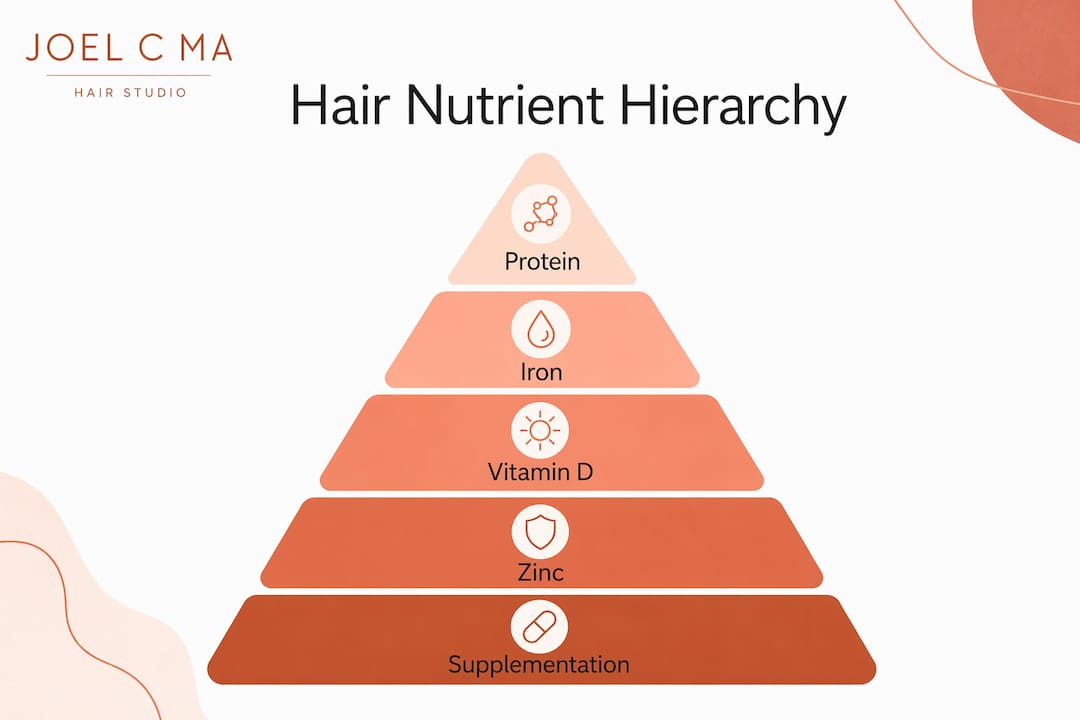
Diet and hair health are directly connected. Hair is made almost entirely of keratin, a protein your body builds from the amino acids in food you eat every day. Hair follicles rank among the most metabolically active cells in the body, yet they sit low on the priority list when nutrients run short. That means a poor diet shows up in your hair before it shows up almost anywhere else. Key nutrients including protein, iron, vitamin D, and zinc each play a specific role in follicle cycling, cell division, and keratin synthesis. When any one of them falls short, shedding and thinning follow.
Which nutrients are most essential for diet and hair health?
Protein is the single most important macronutrient for hair. Hair shafts are roughly 95% keratin, and keratin production requires a steady supply of amino acids. Dermatological consensus recommends 0.8–1g of protein per kilogram of body weight daily to keep follicles functioning at their genetic baseline. Eating more protein than that does not accelerate growth beyond what your genes allow.
Iron is the nutrient most commonly linked to hair shedding in women. The standard lab reference range for ferritin prevents anemia, but it does not protect hair follicle cycling. Optimal ferritin for hair health sits between 40–70 ng/mL, well above the anemia threshold of 10–15 ng/mL. Many people receive a “normal” result and still experience significant shedding because their ferritin is technically adequate but functionally low for hair.
Vitamin D plays a less obvious but equally important role. It acts as an immune regulator at the follicle level, and vitamin D deficiency appears in over 50% of patients with major hair loss conditions. That prevalence makes it one of the first nutrients worth testing before spending money on supplements.
Zinc supports cell division and maintains follicle structural integrity. It is worth noting, however, that zinc is a double-edged nutrient. Too little causes shedding. Too much depletes copper, which then triggers its own form of hair loss. The table below summarizes the core nutrients, their specific roles, and the ranges that matter for hair specifically.
| Nutrient | Role in hair health | Target range for hair |
|---|---|---|
| Protein | Keratin synthesis, follicle repair | 0.8–1g per kg body weight daily |
| Iron (ferritin) | Follicle cycling, oxygen delivery | 40–70+ ng/mL |
| Vitamin D | Follicle immune regulation | Test first; supplement if deficient |
| Zinc | Cell division, follicle integrity | Within normal range; avoid excess |
| Omega-3 fatty acids | Scalp inflammation reduction | Dietary sources preferred |
Pro Tip: Get a full blood panel that includes ferritin, vitamin D, zinc, and a complete metabolic profile before buying any supplement. Testing first saves money and prevents the real risk of over-supplementation.
How do nutritional deficiencies and excess supplementation affect hair?
The relationship between nutrition and hair loss is not always immediate. Hair follicle cycles create a 2–4 month lag between a nutritional stressor and visible shedding. That delay is why people often cannot connect a crash diet in january to the clumps of hair they notice in april.
This pattern has a clinical name: telogen effluvium. It describes the sudden shift of follicles from the growth phase into the resting and shedding phase, triggered by multiple nutrient deficiencies including low iron, protein, zinc, and vitamin D. Postpartum hair loss is one of the most recognized examples of this process.
The risks of over-supplementation are just as real as deficiency. Three specific nutrients cause problems when taken in excess:
- Vitamin A: Excess retinol is directly toxic to hair follicles and is a documented cause of hair loss at high supplemental doses.
- Selenium: Outbreaks of hair loss have been traced to selenium-fortified products and high-dose supplements.
- Zinc: High-dose zinc depletes copper, and copper deficiency then triggers its own shedding cycle.
Biotin deserves special attention because it is heavily marketed for hair growth. A review of 10 human studies showed no consistent clinical evidence supporting routine biotin supplementation in people who are not deficient. Beyond the lack of efficacy, high-dose biotin interferes with common lab tests including thyroid panels and cardiac troponin assays, creating a real risk of misdiagnosis. Always tell your doctor if you take biotin before any blood draw.
The standard clinical ferritin range is designed to prevent anemia, not to support hair follicle cycling. Many people with “normal” ferritin below 40 ng/mL experience significant shedding that resolves only after raising levels to the hair-health threshold.
The practical takeaway is clear. Test before you supplement. Sufficiency is the goal, not excess.
What foods and habits promote healthy hair growth?
Healthy eating for hair does not require an exotic grocery list. The best foods for healthy hair are whole, minimally processed, and eaten consistently across meals. The goal is to hit adequate levels of every key nutrient through food first, and supplement only where diet falls short.
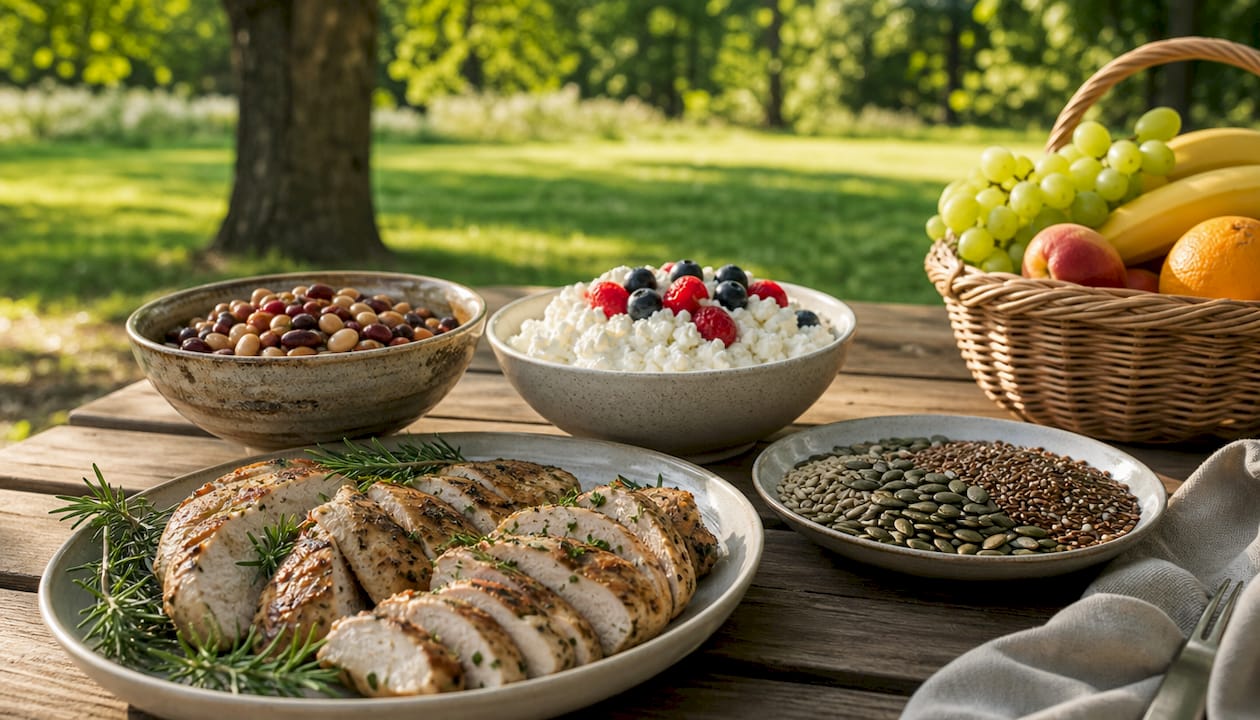
- Protein at every meal: Eggs, chicken, turkey, fish, Greek yogurt, lentils, and black beans all deliver high-quality amino acids. Aim to include a protein source at breakfast, not just dinner.
- Iron-rich foods with smart pairing: Red meat and shellfish provide heme iron, which the body absorbs most efficiently. Plant sources like spinach, lentils, and tofu provide non-heme iron. Vitamin C increases iron absorption dramatically, so pairing spinach with bell pepper or lentils with tomato sauce is a practical strategy.
- Foods that block iron absorption: Coffee, tea, and calcium-rich dairy consumed at the same meal reduce iron uptake substantially. Drink coffee 30–60 minutes before or after an iron-rich meal, not during it.
- Omega-3 sources: Salmon, sardines, walnuts, and flaxseed reduce scalp inflammation and support the lipid barrier around each follicle.
- Vitamin D: Fatty fish, egg yolks, and fortified foods contribute, but dietary sources rarely reach therapeutic levels. Sun exposure and targeted supplementation after testing are the more reliable routes.
- Antioxidants and micronutrients: Leafy greens, berries, sweet potatoes, and whole grains supply folate, vitamin C, and selenium within safe ranges.
The one habit that reliably damages hair is crash dieting. Caloric restriction of 500–700 kcal per day or more creates simultaneous deficiencies across multiple nutrients, triggering nutritional telogen effluvium. The hair loss that follows is predictable and avoidable.
Pro Tip: Pair your iron-rich meal with a small glass of orange juice or a handful of strawberries. The vitamin C converts non-heme iron into a form your gut absorbs far more readily.
Healthy habits for hair extend beyond the plate. Consistent sleep, adequate hydration, and avoiding prolonged caloric restriction all protect follicle function. A healthy scalp is the foundation that dietary improvements build on, so scalp care and nutrition work together rather than independently.
How long does it take to see results after improving your diet?
Patience is the most underrated part of nutritional hair recovery. Hair grows approximately 1–1.5 cm per month, and full density recovery after significant shedding takes 12–18 months. That timeline is not a failure. It reflects the biology of the hair growth cycle.
The good news is that early signs of improvement appear well before full recovery:
- 1–2 months: Reduced daily shedding is usually the first sign that nutritional correction is working.
- 3–6 months: Short new hairs, often called baby hairs, become visible along the hairline and part.
- 6–12 months: Noticeable increase in density and thickness as new growth matures.
- 12–18 months: Full recovery of pre-loss density, assuming the nutritional trigger has been fully corrected.
The severity of the original deficiency affects this timeline. Someone with ferritin at 8 ng/mL will take longer to recover than someone at 30 ng/mL. Individual factors including age, genetics, and whether other stressors are present also shift the timeline. For those dealing with postpartum hair loss, the recovery arc follows a similar pattern but may be influenced by hormonal shifts alongside nutritional ones.
Consistency matters more than perfection. Eating well for two weeks and then reverting to a restrictive diet resets the clock. The follicle responds to sustained nutritional availability, not short bursts of good eating.
Key Takeaways
A balanced, whole-food diet that reaches sufficiency in protein, iron, vitamin D, and zinc is the most evidence-based approach to supporting hair growth and preventing nutritional hair loss.
| Point | Details |
|---|---|
| Protein is foundational | Aim for 0.8–1g per kg of body weight daily to sustain keratin production. |
| Ferritin targets differ for hair | Hair health requires ferritin of 40–70+ ng/mL, well above standard anemia thresholds. |
| Biotin hype outpaces evidence | No consistent clinical evidence supports biotin in non-deficient people, and high doses interfere with lab tests. |
| Crash diets trigger shedding | Restricting 500–700+ kcal per day causes multi-nutrient deficiency and predictable telogen effluvium. |
| Recovery takes time | Expect reduced shedding in 1–2 months and visible regrowth in 3–6 months, with full density returning in 12–18 months. |
What I’ve learned after years of watching nutrition affect hair
The most common mistake I see is people reaching for supplements before they understand what they actually need. A client walks in with noticeable thinning, and their first move was buying a high-dose biotin gummy because the packaging promised thicker hair. Biotin is one of the most oversold nutrients in the hair space, and the clinical evidence simply does not support it for people who are not deficient.
What actually moves the needle is far less glamorous. It is consistent protein at every meal, iron levels checked against hair-specific thresholds rather than anemia thresholds, and vitamin D tested before supplemented. The people who see real improvement are the ones who treat their diet as a long-term practice, not a 30-day fix.
The other thing worth saying plainly: hair is slow. Even when everything goes right nutritionally, you will not see full results for over a year. That is not a sign that the approach is failing. It is just biology. Managing that expectation is half the work of helping someone stay consistent long enough to see the payoff.
If shedding persists despite dietary improvements, a professional consultation is the right next step. Nutritional factors are common, but they are not the only cause of hair loss. A dermatologist or trichologist can rule out other triggers and confirm whether your nutrient levels have actually reached the thresholds that matter for hair, not just the ones that prevent anemia.
— Juiced
How Joelcma supports your hair health beyond the plate
Good nutrition builds the foundation, but what happens at the salon matters too. At Joelcma in La Jolla, California, every client consultation goes beyond the cut or color service. The team assesses scalp condition, hair density, and overall hair vitality as part of a personalized approach built on over 25 years of professional experience.
Whether you are noticing thinning, recovering from a period of shedding, or simply want to give your hair the best possible environment to thrive, Joelcma’s stylists can identify what your hair needs at the strand level. The studio also recommends salon-grade shampoos and treatments chosen specifically for your hair type and condition, complementing the nutritional work you are doing at home. Book a personalized hair consultation to get a clear picture of where your hair stands and what it needs next.
FAQ
What is the best diet for hair loss prevention?
A diet with adequate protein (0.8–1g per kg of body weight), iron-rich foods paired with vitamin C, and sufficient vitamin D is the most evidence-based approach to preventing nutritional hair loss. Whole foods consistently outperform supplements for people without confirmed deficiencies.
Does biotin actually help hair growth?
Clinical reviews show no consistent evidence that biotin supplementation improves hair growth in people who are not biotin-deficient. High doses also interfere with thyroid and cardiac lab tests, making disclosure to your doctor essential.
How does diet affect hair shedding timelines?
A nutritional stressor like a crash diet causes a 2–4 month lag before visible shedding begins, due to the hair growth cycle. Once nutrition is corrected, reduced shedding typically appears within 1–2 months, with new growth visible by 3–6 months.
What ferritin level is needed for healthy hair?
Hair follicle cycling requires ferritin levels of 40–70+ ng/mL. Standard lab ranges only flag anemia at 10–15 ng/mL, so a “normal” result does not rule out iron-related hair loss.
Can vitamin D deficiency cause hair loss?
Vitamin D deficiency appears in over 50% of patients with major hair loss conditions. Vitamin D regulates immune function at the follicle level, and correcting a deficiency through testing and targeted supplementation is one of the most evidence-supported interventions for hair health.