
Color Correction Hair Salon: Fix Any Hair Color Mistake
TL;DR:
- Color correction involves complex chemical processes that often require multiple sessions to restore damaged or uneven hair safely. Top salons utilize advanced bond-repair products, precise color management technology, and detailed consultations to ensure consistent, healthy results. Choosing a skilled, credentialed professional with transparent practices helps achieve and maintain a beautifully corrected hair color.
You thought the box dye would match the photo. It didn’t. Or maybe a previous stylist left you with uneven, brassy, or over-processed hair that no amount of dry shampoo can hide. The instinct to fix it yourself is understandable, but a color correction hair salon exists precisely because these mistakes are rarely simple. Reaching for another box or rushing to the nearest discount salon often makes things significantly worse. This article walks you through what professional color correction actually involves, what separates skilled salons from average ones, and exactly what to expect when you finally book the appointment that gets your hair right.
Table of Contents
- Key Takeaways
- What color correction at a hair salon actually means
- How top salons use technology and personalized care
- Choosing the best color correction salon
- What to expect during and after your appointment
- My honest take on color correction and why it gets complicated
- Get your color corrected by people who actually know how
- FAQ
Key Takeaways
| Point | Details |
|---|---|
| DIY fixes often backfire | Attempting home correction on already-damaged hair risks breakage and deeper color issues. |
| Multi-session process is normal | Complex corrections frequently require more than one appointment to protect hair integrity. |
| Salon technology matters | Gram-level color management and bond-repair products separate top salons from the rest. |
| Consultations are non-negotiable | A thorough pre-appointment consultation sets realistic expectations and prevents repeat mistakes. |
| Aftercare determines longevity | Professional shampoos and maintenance schedules protect your corrected color between appointments. |
What color correction at a hair salon actually means
Many people hear “color correction” and picture a simple toning service. The reality is far more technical. Color correction covers a broad range of problems: brassy orange tones left behind by lightening, uneven patches from overlapping dye applications, dark box color that refuses to lift, and over-processed hair that has lost its structural integrity entirely.
What makes hair color correction services genuinely complex is the layered chemistry involved. Hair is a protein structure, and every chemical service, whether it is a lift, a tint, or a gloss, affects the cortex at a molecular level. When DIY corrections damage hair structure, a professional must assess not just the color but the underlying condition before applying anything new.
Here are the most common correction scenarios a professional hair dye correction expert will encounter:
- Brassy or orange tones left from lightening dark hair without proper toning
- Patchy or uneven color caused by inconsistent application or overlapping sessions
- Over-darkened hair from repeated box dye application that has built up over years
- Faded or muddy highlights where multiple tones have blended into an unflattering result
- Chemical damage where the hair feels gummy, stretchy, or breaks easily under tension
Each scenario calls for a different approach. A good colorist reads your hair the way a doctor reads an X-ray: looking at what is underneath before deciding what to apply on top.
Pro Tip: Before any correction appointment, stop using heat tools for at least a week. Heat-stressed hair is harder to assess accurately and more vulnerable to further damage during chemical processing.
How top salons use technology and personalized care
The gap between an average salon and a genuinely skilled color correction hair salon often comes down to systems and products, not just talent. Top salons have built processes that protect your hair and produce repeatable results.
Here is how the best color correction salons approach the work differently:
-
Ammonia-free and bond-repair products. Professional salons commit to ammonia-free systems paired with bond-repair technology to protect hair during correction. Products like Olaplex or similar bond multipliers work inside the hair shaft during the color process, reducing breakage significantly.
-
Gram-level color management. Tools like the Vish Color Management system track product usage to the gram and save formulas for every client. This means your colorist can recreate your exact result six months later, or hand your formula off to another stylist without losing anything.
-
Multi-session planning. Complex corrections often require multiple appointments because hair needs recovery time between chemical services. A quality salon will map out your full correction plan during the consultation rather than rushing you through in a single visit.
-
Scalp health and restorative treatments. The best salons recognize that scalp rituals and bond repair are not optional extras. They are part of the correction process. Treating the scalp alongside the color produces stronger, longer-lasting results.
“Expert stylists stress the importance of salons using documented, data-backed color management systems to maintain consistency across multi-session corrections.” — David Ryan Salon case study
For anyone dealing with double-process color needs, this level of documentation is the difference between a correction that lasts and one that requires a redo in eight weeks.
Choosing the best color correction salon
Knowing what to look for saves you from repeating the mistake that brought you to correction in the first place. Not every salon that advertises hair color correction services has the training or tools to handle complex cases.
| What to evaluate | Why it matters |
|---|---|
| Colorist credentials and training | European or manufacturer certifications signal technical depth beyond basic cosmetology |
| Portfolio of correction work | Before-and-after photos of corrective work show real-world capability, not just creative color |
| Pricing transparency | Costs range from $68 to over $400 depending on complexity; a salon that cannot explain pricing is a red flag |
| Product disclosure | Knowing which bond-repair systems and color lines a salon uses tells you how seriously they take hair health |
| Consultation quality | A skilled salon will never quote you a price or a timeline before seeing your hair in person |
Client reviews matter, but read them carefully. Look specifically for reviews that mention color correction, not just color services. A stylist who excels at creative balayage may not have the same depth of experience with corrective work.
Pro Tip: Ask your potential colorist to describe the steps they would take to fix your specific issue before you commit. A confident, detailed answer means they have done it before. Vague reassurances mean they are figuring it out on your hair.
When visiting a luxury color correction salon in your area, request to see the consultation process before booking. How a salon handles the consultation tells you everything about how they will handle your hair.
What to expect during and after your appointment
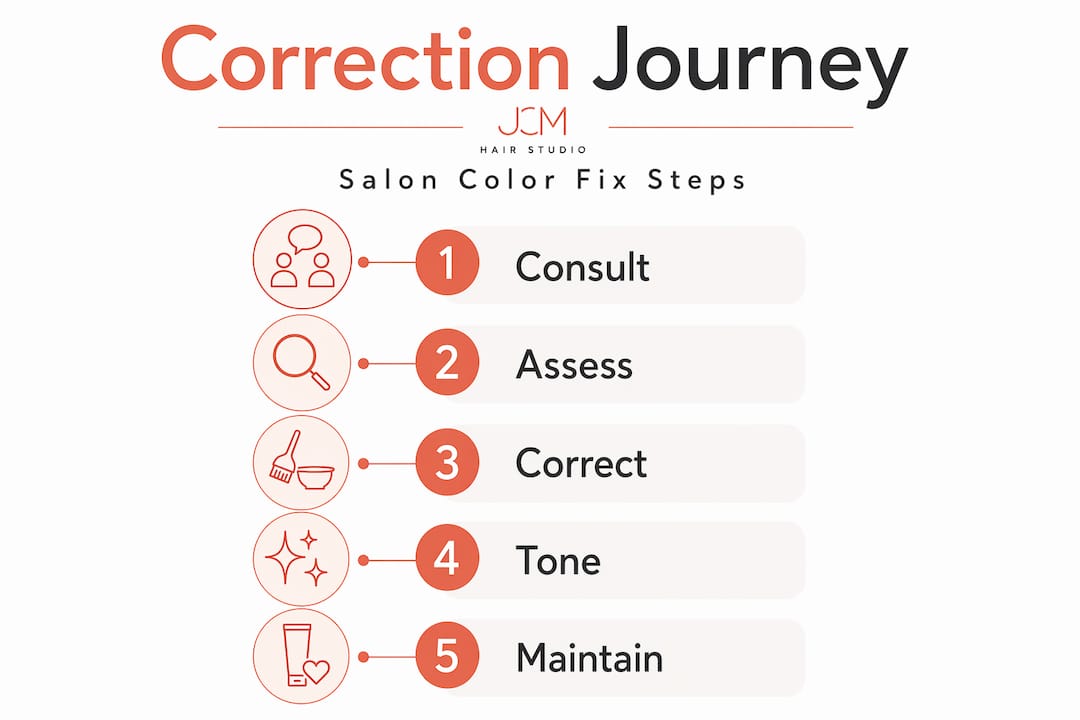
Walking into your correction appointment with the right expectations makes the entire experience easier. Here is what the process typically looks like.
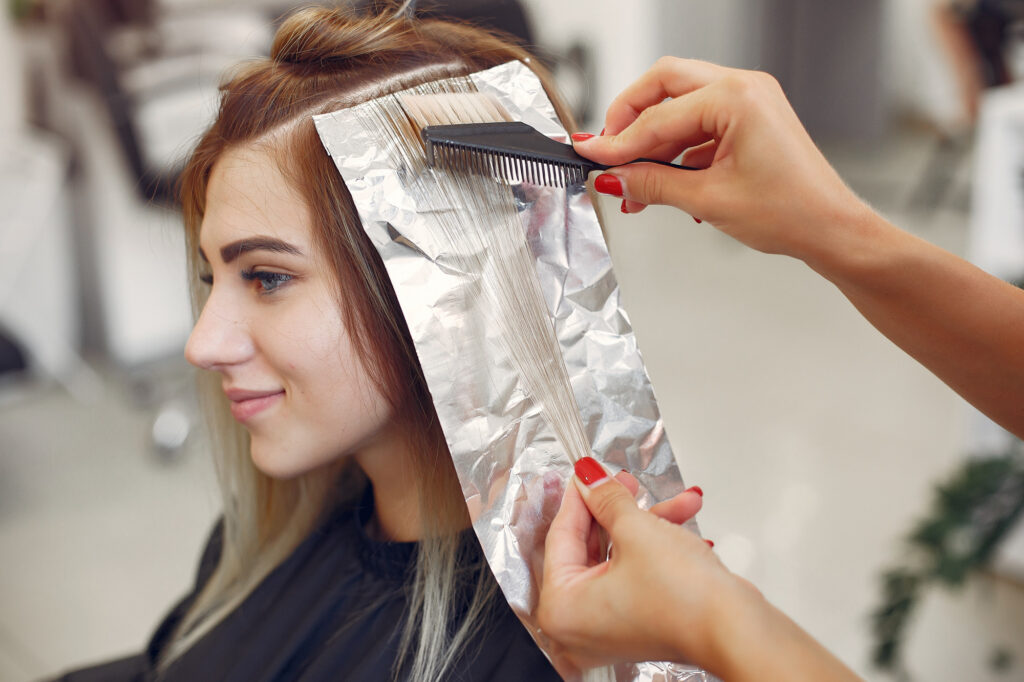
First, the timeline. Color correction appointments can last up to six hours or more for a single session, depending on what your hair needs. This is not padding. Lifting and toning often happen in stages within one visit, and each stage requires precise timing to avoid damage. Block your entire day. Bring snacks.
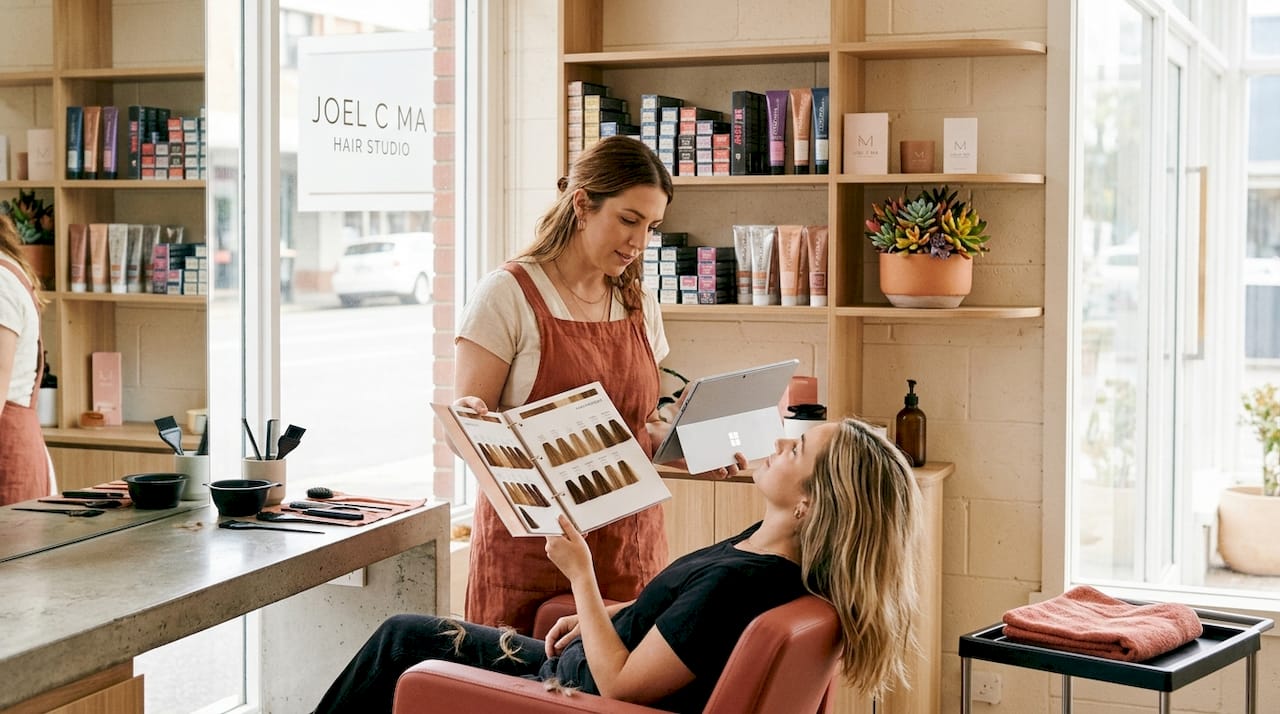
Second, your involvement. A good colorist checks in with you throughout the process, especially during toning stages where decisions about warmth and depth can shift based on how your hair responds. You should feel like a collaborator, not a passenger.
Key aftercare steps that protect your corrected color include:
- Color-safe, sulfate-free shampoo used from the first wash post-appointment
- Deep conditioning treatments applied weekly to rebuild moisture lost during chemical processing
- Avoiding heat styling for the first two weeks after correction to let the hair stabilize
- UV protection products if you spend significant time outdoors, since sun exposure fades corrected tones quickly
- Scheduled maintenance appointments at intervals your colorist recommends, typically every six to eight weeks
A successful correction looks even, feels smooth, and does not continue to shift in tone over the following days. Red flags include continued brassiness after toning, breakage at the midshaft, or a result that looks dramatically different after the first wash. These signal that the correction was incomplete or that the wrong products were used.
Documented color formulas allow salons to recreate complex tones and avoid the frustration of inconsistent results across visits. For ongoing maintenance, caring for colored hair at home with the right products is what keeps a professional fix looking professional between appointments.
My honest take on color correction and why it gets complicated
I have watched clients come in after spending weeks trying to salvage a bad box dye job at home, or after a rushed appointment at a salon that took their money and sent them home with brassier hair than they started with. The frustration is real. But what I have learned over years of working with corrective color is that the bigger problem is usually the expectations going in, not the hair itself.
Most people want color correction done in one appointment, at one price, with no further commitment. That expectation almost always leads to disappointment or further damage. Hair that has been through multiple rounds of color, whether from box dye or a previous salon, needs time and careful handling. Rushing the process to hit a target tone in a single session is how you end up with broken hair that no amount of deep conditioning can fix.
What actually works is finding a colorist who treats your hair like a long-term project, not a transaction. That means a thorough consultation, an honest timeline, and a plan that prioritizes your hair’s health alongside the color result. Consultations with deposits exist for a reason. They create a real conversation and filter out clients who are not ready to commit to the process.
What clients often overlook when choosing a salon is the documentation. Ask whether your formula will be saved. Ask whether the same stylist will handle your follow-up sessions. These questions separate salons that operate with professional systems from those that are winging it. Your hair deserves better than a guess.
— Joelcma
Get your color corrected by people who actually know how
At Joelcma, color correction is treated as the high-skill, multi-step process it actually is. The team at Joel C Ma Hair Studio in La Jolla brings over 25 years of experience to every corrective appointment, using ammonia-free systems, bond-repair technology, and precise color documentation to protect your hair and deliver consistent results.
Whether you are dealing with brassy tones, uneven color from a previous salon, or years of box dye buildup, the process starts with a thorough consultation tailored to your specific hair condition and goals. Maintaining that corrected color at home is equally critical. The best shampoos for colored hair recommended by Joel C Ma Hair Studio can extend the life of your correction and keep your color looking fresh between visits. For a closer look at what a truly personalized luxury salon experience looks like from start to finish, explore what Joelcma offers clients who are ready to invest in getting it right.
FAQ
What is hair color correction?
Hair color correction is a professional service that fixes color problems such as brassiness, uneven tones, over-darkened hair, or damage from previous chemical treatments. It typically involves multiple steps and may require more than one appointment.
How long does a color correction appointment take?
Single correction appointments can take up to six hours or more, depending on the complexity of the issue and the condition of your hair going in.
How much does professional color correction cost?
Costs vary widely based on location and complexity, ranging from around $68 to over $400 per appointment. A consultation before booking helps clarify realistic pricing for your specific situation.
Can color correction fix box dye damage?
Yes, but it depends on the extent of the damage. A skilled colorist will assess the structural integrity of your hair first, and may recommend bond-repair treatments or a staged correction plan before attempting a full color fix.
How do I maintain corrected hair color at home?
Use a sulfate-free, color-safe shampoo from the first wash, apply weekly deep conditioning treatments, and avoid heat styling for at least two weeks after your appointment. Follow your colorist’s specific maintenance schedule for the best long-term results.
Recommended
- Hair Color Correction 101: What You Need to Know
- Luxury Hair Color Corrections in La Jolla: Expert Solutions for Every Style – Joel C Ma Hair Studio
- How to Pick Hair Color: Expert Steps for Stunning Results – Joel C Ma Hair Studio
- How to Fix Brassy Hair Naturally for Salon-Perfect Results – Joel C Ma Hair Studio