
Classic Cut Hair: Timeless Styles for Men and Women
TL;DR:
- A classic cut is characterized by balanced proportions, clean lines, and a natural finish that easily maintains its shape. It suits most hair types, face shapes, and lifestyles, requiring minimal effort and regular trims to look polished. Proper communication with your stylist ensures precision, making a classic cut a timeless, versatile, and low-maintenance hairstyle choice.
Classic cut hair is defined as any hairstyle built on balanced proportions, clean lines, and a natural finish that holds its shape through multiple grow-out phases. Unlike trend-driven styles that rely on extreme fades or heavy product, the classic cut earns its reputation by working across hair types, face shapes, and life stages. Whether you are considering a gentleman’s taper, a sleek precision bob, or a layered cut with natural movement, the principles stay the same: proportion, control, and intention.
What makes a classic cut hair style work
The defining feature of any timeless haircut is proportion. Classic men’s cuts prioritize controlled top direction and weight lines over sharp fades, which means the style looks intentional even as it grows out without requiring daily perfect styling. That quality separates a true classic from a trendy cut that looks dated within six weeks.
For women, the same logic applies. Stylist Michael Gray notes that the layered bob’s appeal comes from texturizing rather than stacking many layers, which keeps the shape modern without crossing into dated territory. The result is a cut that moves naturally and adapts to different styling approaches on different days.
Both men and women benefit from one shared principle: a classic cut should require minimal effort to look polished. If you need 20 minutes of product work every morning just to make the cut look right, it is not a classic. It is a maintenance burden.
What defines a classic hairstyle for men
Shape, length, and taper basics
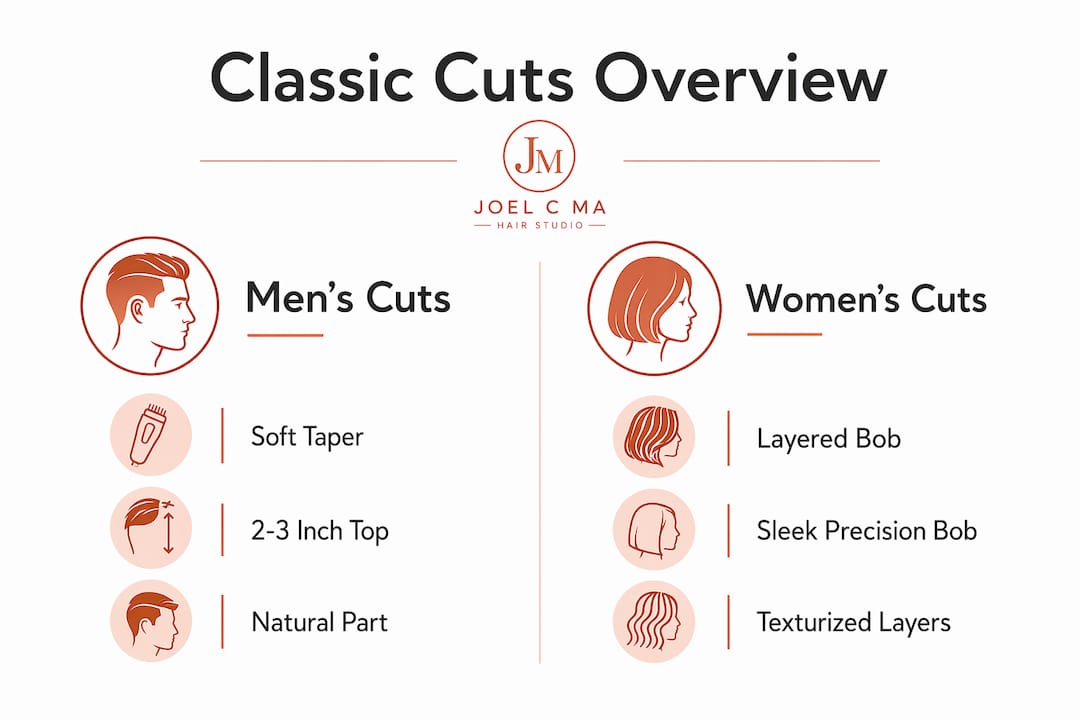
Men’s classic cuts keep the top approximately 2–3 inches long with tapered, shorter sides and back, emphasizing a clean shape around the ears and neckline. The soft taper is the key detail. A soft taper blends gradually from the longer top into shorter sides without creating a hard line or a disconnected look.
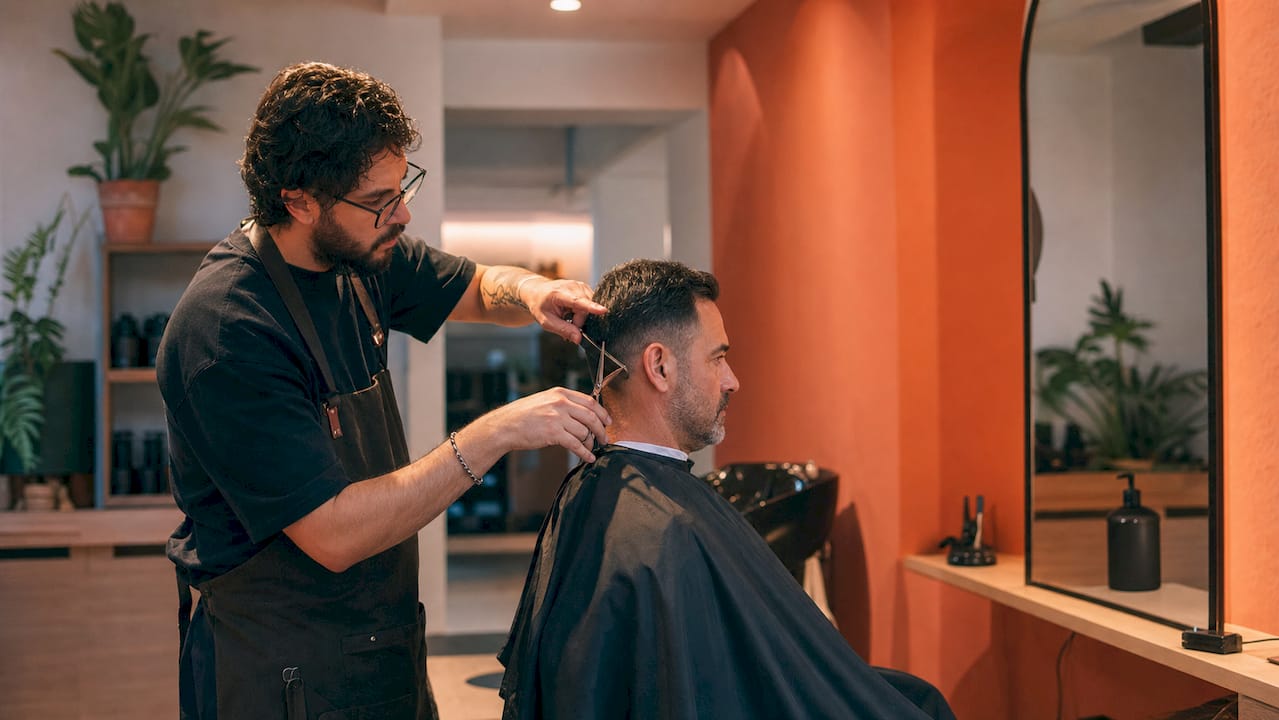
The gentleman haircut is the most recognized variation. It features short sides, a longer top swept to one side or slicked back, and a clean part that creates a polished silhouette without relying on extreme fades. It works in a boardroom, at a wedding, and on a weekend without any changes to the cut itself.
Key characteristics of a men’s classic cut include:
- Top length: 2–3 inches, styled with a natural side part or slicked back
- Sides and back: Soft taper, not a skin fade or hard disconnection
- Neckline: Clean and defined, either squared or rounded
- Finish: Natural texture or light product hold, not a wet or heavy look
- Shape: Proportional weight distribution that avoids flat tops or excessive volume
Pro Tip: Tell your barber the exact length you want on top in inches, and specify whether you want a soft taper or a blended taper. Vague instructions like “a little shorter” often produce overly disconnected or flat results that miss the classic shape entirely.
The traditional haircut for men also avoids hard parts shaved into the scalp, which date quickly. A natural part that follows the hair’s growth direction is always the more durable choice.
Classic hairstyles for women: bobs and beyond
The layered bob vs. the sleek precision bob
Women’s classic cut hairstyles center on two primary shapes: the layered bob and the sleek precision bob. Each serves a different hair type and lifestyle, and choosing between them is less about preference and more about what your hair actually does naturally.
The layered bob uses texturizing to soften the blunt base shape, creating versatile natural movement suitable for many textures. It works especially well for medium to thick hair that benefits from weight removal. The softness comes from the texturizing technique, not from adding dozens of layers, which would create a dated shag rather than a modern classic.
The sleek precision bob takes the opposite approach. Celebrity hairstylist Jason Collier explains that precision cuts prevent wispy ends and provide a flattering shape that maintains visual density, making it the strongest choice for fine hair, particularly for women over 40. The blunt line creates the illusion of fullness that layering would actually reduce.
Here is how to choose between the two:
- Fine hair: Precision bob with clean lines at collarbone length or above
- Thick or coarse hair: Layered bob with texturizing to reduce bulk and add movement
- Wavy hair: Layered bob that works with the wave pattern rather than against it
- Straight hair: Either style works, but the precision bob delivers the most graphic, polished result
Pro Tip: Match your cut philosophy to your hair texture before you choose a style. Precision cutting builds fullness for fine hair, while layering creates softness for dense hair. Getting this wrong means fighting your hair every single day.
For women seeking a polished hairstyle for professional settings, the sleek bob consistently outperforms trendier cuts because it reads as deliberate and refined in any formal context.
How do you maintain a classic cut between visits?
Maintenance is where most people lose the quality of a good cut. The good news is that classic cuts are more forgiving than fades or heavily textured styles during grow-out phases.
Men should visit their barber every 3–5 weeks to keep a fresh appearance, though the style grows out gracefully enough to allow up to five weeks between cuts. Fullness develops on the sides after about two weeks, and the top settles into a natural shape rather than losing its structure. That grace period is one of the strongest arguments for choosing a classic cut over a fade, which looks overgrown within two weeks.
Follow this maintenance sequence to keep any classic cut looking sharp:
- Trim the neckline and edges more frequently than the full cut. Neckline touch-ups between main haircuts prevent the sloppy grow-out look that makes a good cut appear neglected.
- Use the right product for your finish. Men benefit from a light pomade or cream for natural hold without stiffness. Women maintaining a bob should use a glossing serum to preserve the clean line and add polish without weight.
- Protect the face-framing areas. For women, the pieces around the face lose their shape fastest. A quick trim of these sections every four to six weeks keeps the cut looking intentional.
- Adjust your styling routine seasonally. Humidity affects bob shapes and tapered sides differently. A light anti-humidity spray in summer protects the precision line of a bob and keeps men’s tapers from puffing at the sides.
- Invest in quality tools at home. A good boar bristle brush for men and a ceramic flat iron for women extend the life of a classic cut between professional visits.
Pro Tip: For men managing a grow-out phase, ask your barber to clean up only the neckline and ear outline at the four-week mark instead of a full cut. This costs less, takes ten minutes, and keeps the shape looking deliberate for another two to three weeks.
Classic cuts vs. contemporary and vintage styles
Understanding where a classic cut sits relative to other styles helps you make a confident choice. The table below compares the key differences across four style categories.
| Style Type | Shape and Length | Maintenance Frequency | Styling Effort | Best Setting |
|---|---|---|---|---|
| Classic cut | Proportional, 2–3 inches on top, soft taper | Every 3–5 weeks | Low to moderate | Professional, casual, formal |
| Modern fade | Short to skin on sides, longer top | Every 2–3 weeks | Moderate | Casual, streetwear |
| Vintage gentleman | Side part, slicked top, clean neckline | Every 3–4 weeks | Moderate | Formal, business |
| Textured crop | Short, choppy top, faded sides | Every 2–3 weeks | Low | Casual, youth-oriented |
The vintage hairstyle category, which includes the gentleman haircut and the old-school blunt bob, shares DNA with modern classic cuts but leans harder into period-specific details like heavy pomade or finger waves. Modern adaptations keep the proportions and clean shapes while dropping the era-specific styling cues. The result is a cut that reads as timeless rather than nostalgic.
Classic cuts also hold a unique advantage in professional environments. A soft taper or a precision bob signals grooming awareness without drawing attention to the hair itself. That invisibility is the point. The best classic cut hairstyle is one that makes you look put-together without anyone being able to explain exactly why.
Key takeaways
A classic cut holds its shape, suits nearly every setting, and requires less maintenance than any fade or heavily textured style on the market.
| Point | Details |
|---|---|
| Proportion drives the style | Classic cuts rely on balanced weight lines and controlled top direction, not extreme fades. |
| Match cut to hair texture | Fine hair needs precision bobs; thick or wavy hair benefits from layered texturizing. |
| Trim edges between full cuts | Neckline and face-framing touch-ups every four to six weeks keep the cut looking sharp. |
| Soft taper beats hard fade | A soft taper grows out gracefully for up to five weeks; a skin fade looks overgrown in two. |
| Communicate specifics to your stylist | Giving exact length and taper preferences produces far better results than vague requests. |
Why i think classic cuts are underrated in 2026
After watching grooming trends cycle through extreme fades, shaggy curtain bangs, and heavily textured crops, I keep coming back to the same observation: the clients who look best consistently are the ones with classic cuts. Not because classic means boring. Because classic means the cut is working for them instead of demanding attention.
The biggest mistake I see is people treating a classic cut like a default or a fallback. They ask for it when they cannot decide on something else. That mindset produces mediocre results because the consultation is rushed and the details are vague. A well-executed classic cut requires just as much precision as any trend-driven style. The difference is that the precision is invisible in the final result.
I also think people underestimate how much the right product changes a classic cut. A men’s taper styled with a heavy wax looks dated and stiff. The same cut with a light cream pomade looks modern and natural. For women, the difference between a bob that looks polished and one that looks flat often comes down to a single application of glossing serum on dry hair. These are small details with outsized impact.
My honest recommendation: book a proper consultation before committing to any cut. Explain your daily routine, your styling tolerance, and what you want the cut to do for you. A stylist who listens to those specifics will deliver a result that lasts. One who just picks up the scissors without that conversation will give you a generic version of what you asked for.
— Juiced
Get a precision classic cut at Joelcma
Joelcma’s team at Joel C Ma Hair Studio in La Jolla, California, has spent over 25 years perfecting the kind of precision work that makes classic cuts look effortless. Every consultation starts with your hair texture, your lifestyle, and your styling routine before a single cut is made.

Whether you want a gentleman’s taper, a sleek precision bob, or a layered cut with natural movement, Joelcma’s stylists use advanced cutting techniques to build the right shape for your specific hair. For anyone maintaining color alongside a classic cut, the best salon shampoos guide covers exactly what to use between visits to protect both the color and the cut. Book your consultation at joelcma.com and get a cut that works every day without the daily effort.
FAQ
What is a classic cut hairstyle?
A classic cut hairstyle is defined by balanced proportions, clean lines, and a natural finish that holds its shape through grow-out phases. It applies to both men and women and prioritizes proportion over extreme fades or heavy styling.
How often should men get a classic haircut?
Men should visit their barber every 3–5 weeks for a classic short cut. The style grows out gracefully enough to allow up to five weeks between full cuts, with neckline touch-ups in between.
What is the best classic cut for fine hair?
The sleek precision bob is the best classic cut for fine hair. Celebrity hairstylist Jason Collier confirms that precision cutting builds fullness and prevents wispy ends better than layering for fine or thinning hair.
How is a classic cut different from a fade?
A classic cut uses a soft taper that blends gradually, while a fade cuts down to skin or very short lengths on the sides. Classic cuts grow out gracefully over 4–5 weeks; fades look overgrown within two weeks.
What styling products work best for a classic cut?
Men get the best results from a light pomade or cream for natural hold. Women maintaining a bob should use a glossing serum on dry hair to preserve the clean line and add polish without adding weight.