
Artistic Expression in Hair – Why It Matters
Making a bold hair change feels like stepping into a new chapter of your story. In La Jolla, where creativity and luxury meet, your hair becomes more than just style—it’s a form of artistic expression that speaks volumes about identity and confidence. With expert stylists who understand that hair is a powerful medium for self-expression, you can expect a custom look that reflects your personal values and transforms every day into a statement of individuality.
Table of Contents
- Artistic Expression In Hair Defined
- Types And Techniques Of Artistic Hair Styling
- Personalization And Storytelling Through Hair
- Salon Safety And Risks In Artistic Styling
- Common Mistakes And Best Practices
Key Takeaways
| Point | Details |
|---|---|
| Artistic Expression in Hair | Hair acts as a significant medium for self-expression, communicating identity, values, and creativity through intentional choices in color, texture, cut, and styling. |
| Personalization is Key | A successful hairstyling experience is rooted in personalization, where stylists tailor techniques to clients’ features and lifestyle, creating unique looks that reflect individual identity. |
| Safety in Salon Practices | Choosing a salon that prioritizes safety protocols, including proper ventilation and staff training, ensures clients receive care without compromising their health. |
| Long-term Hair Health | Maintaining healthy hair involves adopting best practices at home, such as using heat protection and gentle handling, to preserve the artistry achieved during salon appointments. |
Artistic Expression in Hair Defined
Artistic expression in hair is the intentional use of color, texture, cut, and styling to communicate identity, creativity, and personal values. It goes far beyond looking polished for an event—it’s a deliberate conversation you’re having with the world about who you are.
Hair serves as a powerful medium for self-expression. Hair’s role in identity expression reveals that styling choices communicate personal and cultural meaning, affecting both self-esteem and how others perceive you. When you choose a specific cut, color, or texture, you’re making a statement about your individuality.
Why Hair Matters as an Art Form
Your hair is visible, permanent (or semi-permanent), and requires active maintenance. Unlike clothing you can change daily, hair choices stick around for weeks or months, making them deeply intentional decisions.
Throughout history, hair has symbolized power, status, and rebellion. From ancient Egypt to modern fashion capitals, people have used hair styling to make political statements and challenge social norms. Your hair can do the same.
Artistic hair expression includes:
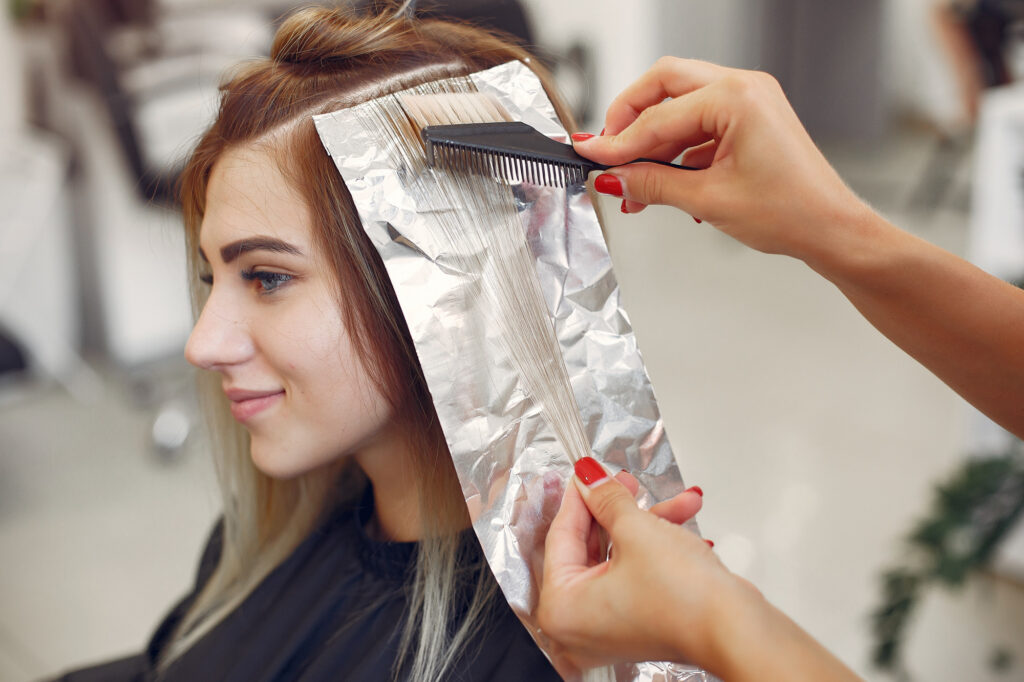
- Color artistry: Balayage, dimensional tones, and bold hues that create visual interest and depth
- Textural choices: From sleek and straight to textured waves and curls that celebrate natural patterns
- Structural design: Precision cuts that frame your face and enhance your features
- Styling technique: How these elements work together to create a cohesive, polished look
Each element works together to create something uniquely yours.
To understand how different artistic hair elements contribute to self-expression, consider this breakdown:
| Artistic Element | Typical Impact on Identity | Maintenance Required |
|---|---|---|
| Color (dyes, hues) | Bold or subtle personality | Frequent touch-ups |
| Texture (waves, curls) | Celebrates natural uniqueness | Specialized at-home care |
| Cut (shape, structure) | Frames features, reveals confidence | Scheduled salon visits |
| Styling (updos, accessories) | Signals occasion and style sense | Daily effort and product usage |
The Connection Between Hair and Identity
Your hair reflects your values, aesthetic preferences, and personality. Someone choosing a sharp, geometric bob is expressing something different than someone embracing loose, romantic waves. Both are valid artistic choices—they’re just different conversations.
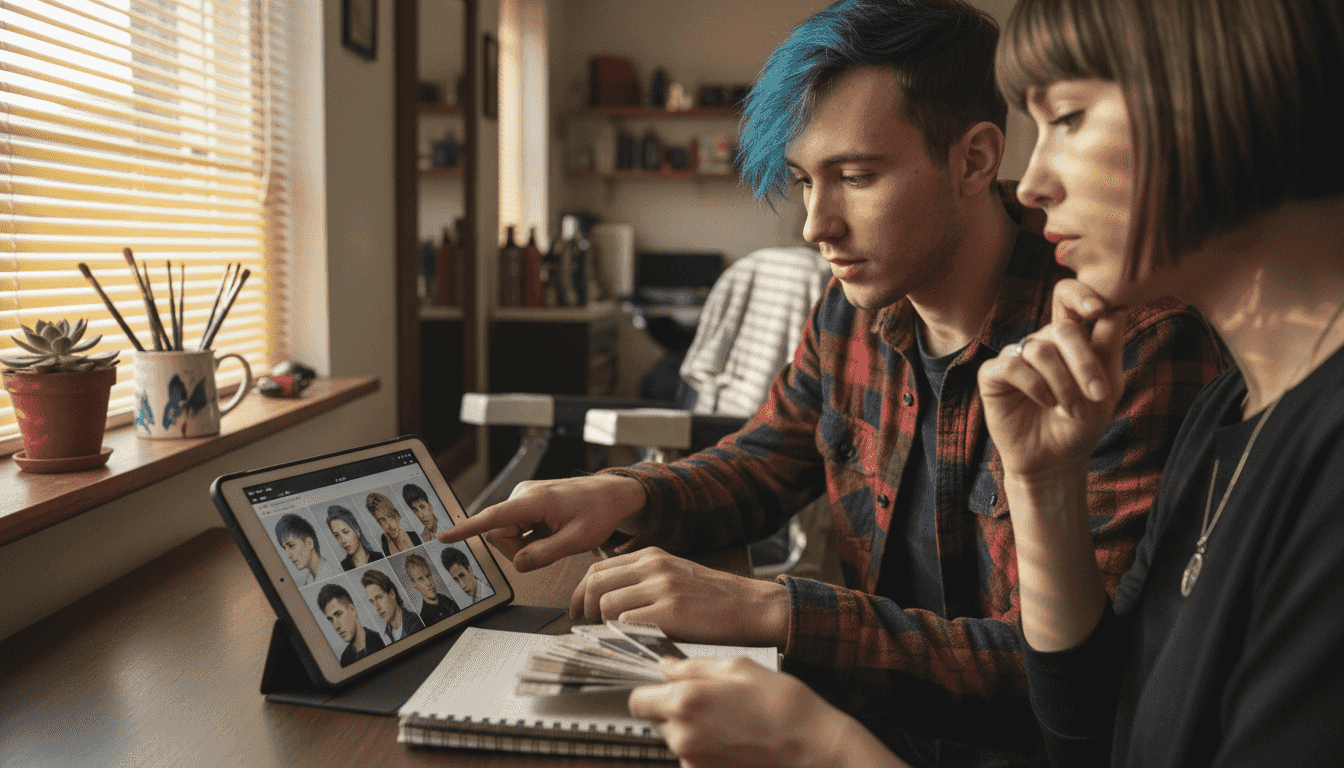
In a luxury salon environment, artistry in hairstyling transforms personal style through customized techniques tailored to your specific features and lifestyle. A skilled hair artist doesn’t just apply trends—they interpret them through your unique perspective.
What makes hair artistic rather than simply “styled” is intention and personalization:
- Intentional color placement creates dimension and draws attention to your best features
- Customized cuts account for your face shape, hair density, and lifestyle
- Professional techniques ensure longevity and maintain the artistic vision
Artistic hair expression is the deliberate, personalized use of color, texture, and cut to communicate your identity and values.
Pro tip: When consulting with your stylist, discuss not just what you want your hair to look like, but what you want it to say about you—this transforms a haircut into true artistic expression.
Types and Techniques of Artistic Hair Styling
Artistic hair styling combines multiple techniques to create personalized looks that reflect individual identity and creativity. The methods available today have evolved dramatically, yet the core goal remains the same—transforming hair into a medium of self-expression.
Core Styling Techniques
Hairstyling techniques evolved over thousands of years and now include cutting, coloring, curling, straightening, and braiding. Each technique serves a specific purpose and can be combined to achieve distinctive artistic effects.
The primary techniques you’ll encounter include:
- Color artistry: Balayage, highlights, lowlights, and dimensional tones that add depth and movement
- Cutting techniques: Layering, texturizing, and precision cuts that shape and frame your face
- Texture creation: Curling, straightening, and styling methods that enhance natural or create new patterns
- Braiding and styling: Intricate patterns and updo techniques for special occasions or everyday wear
Each builds on foundational skills and requires years of practice to master.
Historical Context Meets Modern Application
Throughout history, hair styling techniques expressed wealth and cultural identity through intricate braiding, precious adornments, and deliberate color choices. Roman women showcased elaborate updos, while Elizabethan styles communicated social status.
Today’s artistic hair styling borrows from this historical richness while embracing modern innovation. A skilled stylist understands how various hair styling techniques work together to create a cohesive, personalized aesthetic that honors both tradition and contemporary trends.
The Tools Behind the Art
Professional hair styling relies on specialized tools and products to achieve artistic results. Curling irons create waves and curls, flat irons smooth and add shine, and sectioning tools enable precision.
However, the tools alone don’t create art—it’s the stylist’s knowledge and technique that matters. A luxury salon environment emphasizes:
- Professional-grade tools that protect hair integrity
- High-quality color and styling products
- Customized techniques matched to your hair type and goals
- Ongoing education in new methods and trends
The most important artistic tool is expertise—knowing which technique works best for your unique hair, face shape, and lifestyle.
Pro tip: Invest in a consultation before your next appointment to discuss which specific techniques would work best with your hair texture and personal aesthetic, ensuring your stylist can create a truly customized look.
Personalization and Storytelling Through Hair
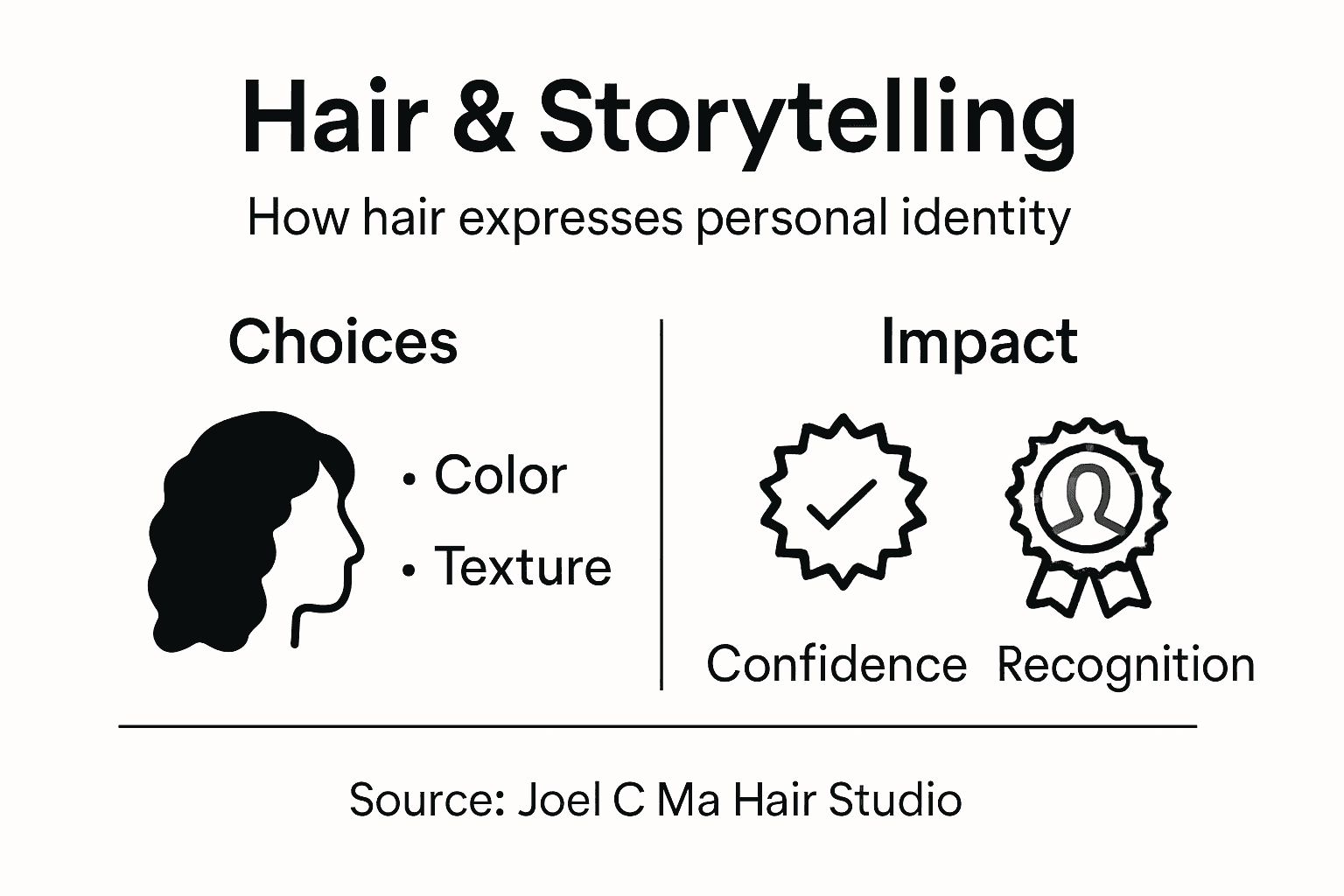
Your hair tells a story. Every color choice, texture decision, and styling detail communicates something about who you are, what you value, and how you see yourself. This is the power of personalization through hair.
Hair as Personal Narrative
Hair styling isn’t just about looking polished—it’s about expressing your authentic self. Hair styling among women acts as storytelling, reflecting personal beliefs, cultural heritage, and social identity woven into a visual narrative. When you choose a specific look, you’re making a deliberate statement about your identity.
Personalization means:
- Honoring your heritage: Choosing styles that celebrate your cultural background and family history
- Expressing your values: Selecting colors and cuts that align with your aesthetic and lifestyle
- Building confidence: Creating a look that makes you feel authentically yourself
- Communicating identity: Using hair choices to convey who you are without speaking
Each decision becomes part of your personal story.
The Deeper Meaning Behind Your Choices
Hair as a medium resists oppressive narratives and affirms authentic stories, serving both personal and political functions. Your hair choices matter—they’re not just aesthetic decisions.
When working with a skilled stylist, a personalized hair makeover transforms more than appearance—it transforms how you feel about yourself. A true artistic consultation goes beyond trends to understand your unique story and create a look that reflects it authentically.
Creating Your Unique Hair Story
Personalization happens when your stylist listens to your vision, understands your lifestyle, and tailors techniques specifically for you. This requires conversation and collaboration, not just executing a Pinterest image.
The best personalized looks incorporate:
- Your natural hair texture and characteristics
- Your face shape and features
- Your daily lifestyle and maintenance preferences
- Your cultural background and personal values
- Your vision for how you want to feel
Your hair story is uniquely yours—personalization means creating a look that feels authentic to you, not following generic trends.
Pro tip: Before your appointment, think about what story you want your hair to tell and share specific examples of looks that resonate with you emotionally, not just visually.
Salon Safety and Risks in Artistic Styling
Artistic hair styling involves powerful chemicals, heat tools, and technical procedures that require strict safety protocols. Understanding these risks and how professional salons manage them ensures you receive quality care without compromising your health.
Chemical Hazards in Hair Services
Salons expose clients and workers to hazardous chemicals found in dyes, bleaches, and straightening agents. These substances can affect skin, respiratory health, and overall wellbeing when not handled properly. This is why safety protocols matter significantly.
Common chemical risks include:
- Hair dyes and bleaches: Can cause allergic reactions, scalp irritation, and respiratory exposure
- Straightening treatments: Contain strong alkaline or acid-based chemicals requiring protective measures
- Color correction solutions: Require precise mixing and application to prevent chemical burns
- Styling products: Can accumulate on scalp and cause buildup or sensitivity
Proper handling minimizes these risks considerably.
What Distinguishes a Safe Salon
A luxury salon prioritizes safety through multiple layers of protection. Occupational risk assessments identify hazards and implement control measures to safeguard everyone in the environment.
Safe salons feature:
- Proper ventilation systems: Circulating air removes chemical fumes and maintains air quality
- Staff training and certification: Stylists understand chemical safety and proper application techniques
- Personal protective equipment: Gloves, aprons, and masks protect against chemical exposure
- Correct chemical storage: Proper labeling and containment prevent accidents
- Patch testing: Required before color services to check for allergic reactions
When selecting a salon, protecting your hair from heat and chemical damage reflects their overall safety commitment and technical expertise.
For a quick reference on hair salon safety features and their benefits, see this table:
| Safety Feature | How It Protects Clients | Why It Matters |
|---|---|---|
| Ventilation Systems | Reduces chemical inhalation | Maintains healthy air quality |
| Patch Testing | Identifies allergies | Prevents serious reactions |
| Staff Certification | Ensures proper techniques | Lowers risk of injury |
| Protective Equipment | Limits skin exposure | Minimizes chemical contact |
Your Role in Salon Safety
You play an active role in ensuring safe services. Communication matters tremendously during consultations and service appointments.
Before your appointment:
- Disclose any allergies or sensitivities to your stylist
- Mention previous chemical treatments or reactions
- Ask about the specific products and techniques they’ll use
- Request patch testing if you’re trying color for the first time
A safe salon never rushes safety protocols—they build time into appointments for proper technique and protective measures.
Pro tip: If you notice strong chemical odors, poor ventilation, or staff without protective equipment during your consultation, these are red flags—choose a different salon that prioritizes health and safety.
Common Mistakes and Best Practices
The difference between hair that thrives and hair that deteriorates often comes down to daily choices and styling habits. Understanding what damages hair and what protects it transforms how you approach artistic styling long-term.
Mistakes That Damage Your Hair
Common hairstyling mistakes include excessive heat use and tight hairstyles that cause tension, breakage, and permanent hair loss. These errors seem small individually but compound over time, making prevention far more effective than repair.
The biggest mistakes include:
- Excessive heat styling: Blow drying daily on high heat damages the hair cuticle and causes dryness
- Tight hairstyles: Ponytails, braids, and buns that pull create tension alopecia, a type of hair loss
- Product overuse: Heavy styling products accumulate on scalp and weigh hair down
- Harsh brushing: Wet hair is fragile—aggressive brushing causes breakage and split ends
- Skipping maintenance: Going months between professional trims allows damage to spread
Awareness of these habits is your first defense.
Best Practices for Hair Health
To maintain healthy hair, avoid harsh brushing and reduce blow-drying frequency, using low heat settings when you do style. These practices directly prevent breakage, control frizz, and promote long-term hair strength.
Incorporate these practices into your routine:
- Gentle handling: Treat wet hair delicately—use wide-tooth combs, not brushes
- Heat protection: Apply products before heat styling and use moderate temperatures
- Regular conditioning: Deep conditioning weekly strengthens hair and restores moisture
- Loose styles: Opt for loose waves, buns, and braids that don’t pull on the scalp
- Professional maintenance: Visit your stylist every 6-8 weeks for trims and touch-ups
These habits protect your investment in artistic styling.
Between-Appointment Care Matters
What you do at home determines how long your professional styling lasts. A precision cut or vibrant color fades or deteriorates if you’re not maintaining it properly between appointments.
Simple daily habits include:
- Use sulfate-free shampoo to protect color and moisture
- Condition from mid-shaft to ends, avoiding roots
- Air-dry whenever possible instead of blow-drying
- Sleep on silk pillowcases to reduce friction
- Limit heat styling to 2-3 times weekly maximum
The best artistic styling is sustainable styling—it enhances your natural hair without requiring constant damage control.
Pro tip: Ask your stylist for specific at-home care recommendations tailored to your hair type and the services you received—they can guide you on the right products and techniques to maintain your look between appointments.
Transform Your Hair Into a True Work of Art Today
The article highlights a common challenge: finding a hairstyle that truly expresses your identity with intent and personalization. Many people struggle to communicate their unique story through color, texture, and cut while ensuring long-lasting style and healthy hair. If you want to move beyond generic trends and embrace artistic expression in hair, it is essential to work with experts who understand the power of intention and customization. At Joel C Ma Hair Studio, you will discover how tailored consultations and advanced techniques are designed to bring your personal story to life through your hair.
Ready to experience a transformation that reflects your true self and values? Visit Joel C Ma Hair Studio for luxury, expert-driven services focused on artistry and safety. Learn more about how our team crafts personalized looks on our Uncategorized Archives – Joel C Ma Hair Studio page and explore our full range of premium styling solutions. Book your consultation now and take the first step toward making your hair a bold statement of who you are.
Frequently Asked Questions
What is artistic expression in hair?
Artistic expression in hair is the intentional use of color, texture, cut, and styling to communicate identity, creativity, and personal values, making statements about individuality.
Why is hair important for self-expression?
Hair serves as a powerful medium for self-expression as it is visible and requires ongoing maintenance. Unique hair choices can reflect personal beliefs, cultural identity, and individual aesthetics.
How do different hair colors impact identity?
Different hair colors can make bold or subtle personality statements. For example, vibrant colors may convey playfulness, while natural tones can reflect a more classic or understated style.
What are some common techniques for artistic hair styling?
Common techniques include color artistry (like balayage and highlights), cutting techniques (such as layering and precision cuts), texture creation (curling or straightening), and intricate braiding or styling for various occasions.
Recommended
- Artistry in Hairstyling: Transforming Personal Style – Joel C Ma Hair Studio
- Artistry in Hairstyling: Transforming Personal Style – Joel C Ma Hair Studio
- Role of a Hair Artist: Elevating Personal Expression – Joel C Ma Hair Studio
- Role of a Hair Artist: Elevating Personal Expression – Joel C Ma Hair Studio