
Best Surfing Spots in La Jolla: 2026 Local Guide
TL;DR:
- La Jolla offers diverse surfing spots suitable for all skill levels, from beginner-friendly beaches to challenging reef breaks. Surfers must assess swell, tide, and their skill to choose the right spot and follow local etiquette for safety and respect. Proper preparation and understanding of conditions are essential to enjoy La Jolla’s waves and avoid common mistakes.
La Jolla is defined as one of Southern California’s most diverse surfing destinations, offering everything from gentle sandy breaks to powerful reef waves that challenge even seasoned surfers. The surfing spots La Jolla delivers span every skill level, from the forgiving beach break at La Jolla Shores to the raw, canyon-amplified power of Black’s Beach. Whether you’re a first-timer looking for a safe place to paddle out or an experienced surfer chasing hollow barrels, this guide gives you the local knowledge to pick the right wave every time.
1. What are the best surfing spots in La Jolla?
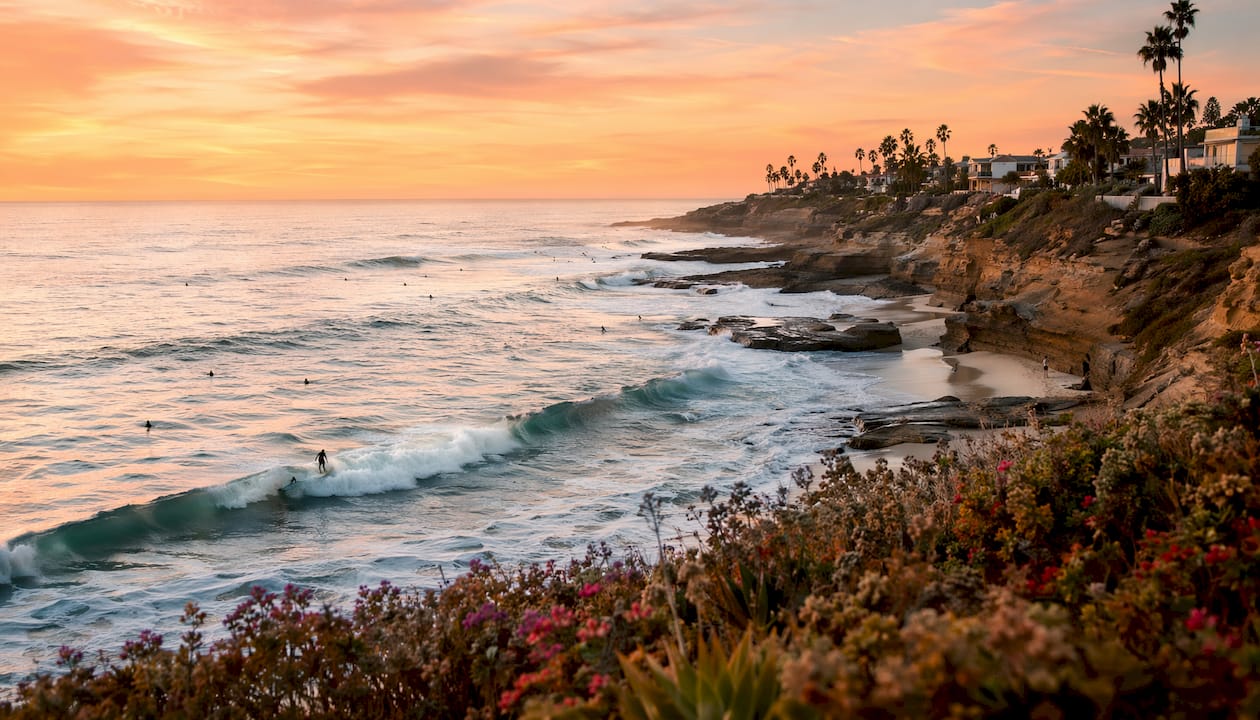
La Jolla’s coastline stretches roughly five miles and packs in more surf variety than most regions three times its size. The main breaks include La Jolla Shores, Black’s Beach, Horseshoe, Windansea, and Marine Street Beach. Each spot has a distinct personality shaped by its bottom type, exposure to swell, and local culture.
Choosing the right break starts with an honest assessment of your skill level. A beginner who paddles out at Horseshoe on a solid November swell is not just in over their head. They are actively creating a hazard for themselves and everyone around them.
2. La Jolla Shores: the top spot for beginners and intermediates
La Jolla Shores is the most popular surf spot in La Jolla, and for good reason. Its sandbar-based beach break produces consistent, forgiving waves that are less tide-sensitive than nearby Mission Beach or Pacific Beach. That predictability makes it the go-to location for surf schools, rental shops, and anyone still working on their pop-up.
The beach sits inside a protected cove, which softens incoming swells and reduces the risk of getting caught inside by a surprise set. Parking is available at Kellogg Park, and several surf schools operate directly on the sand. Families with kids feel comfortable here because the crowd is mixed and the vibe stays relaxed.
- Consistent sandbar break with forgiving wave faces
- Less tide-sensitive than most San Diego beach breaks
- Surf rentals and lessons available directly on the beach
- Ample parking at Kellogg Park
- Family-friendly atmosphere with lifeguard coverage
Pro Tip: Arrive before 8:00 AM on weekends to avoid crowds and catch the cleanest conditions before the sea breeze picks up.
3. Why Black’s Beach is Southern California’s premier power surf location
Black’s Beach is not for the casual surfer. Access requires a 300-foot cliff descent via a steep, unmaintained trail that filters out anyone who is not serious about the session. That physical barrier keeps the lineup uncrowded and the atmosphere focused.
The wave power at Black’s is exceptional because of what lies offshore. Scripps Canyon acts as a lens that concentrates incoming swell energy, producing waves that punch well above their size. A head-high swell at La Jolla Shores can translate into a heavy, fast-moving wall at Black’s. That energy gap surprises surfers who underestimate the spot.
The combination of a strenuous cliff descent and reef-amplified wave power means Black’s Beach demands both physical fitness and advanced surf skill. Underestimating either puts you at serious risk.
The return hike and reef hazards are significant. After a long session, climbing back up a loose dirt trail on tired legs is a real challenge. Go with a partner, carry water, and know your exit before you paddle out.
- 300-foot cliff descent with no maintained trail
- Scripps Canyon amplifies wave power beyond visible swell size
- Reef bottom requires confident duck-diving and fall awareness
- No lifeguards, no facilities, no cell signal in some areas
- Suitable for experienced surfers only
4. Horseshoe: what surfers need to know about this advanced reef break
Horseshoe is a reef break that rewards patience and punishes impatience. Optimal conditions run from november through march, when northwest swells push 6–12 ft of clean, powerful surf into the break. Below 6 ft, the wave barely functions. Above 12 ft, it becomes genuinely dangerous.
The break produces hollow left-hand barrels that peel over a shallow, rocky reef. Getting barreled at Horseshoe is one of the best feelings in San Diego surfing. Getting caught inside on a big set over that same reef is one of the worst. The margin between those two outcomes is skill, timing, and local knowledge.
- Reef bottom with sharp rocks; booties are strongly recommended
- Swell knowledge is required; wrong direction swells produce closeouts
- Peak season november through march; summer is typically flat
- Lineup thins quickly when conditions exceed the 6–12 ft window
- Strong currents on bigger swells; know your exit point
Pro Tip: Check the swell direction before every session at Horseshoe. A northwest swell lights it up. A south swell turns it into a washing machine.
Local lineup culture at Horseshoe is protective. Experienced locals expect surf etiquette and skill from anyone who paddles out. Showing up unprepared does not just earn a cold reception. It creates unsafe conditions for everyone in the water.
5. Windansea and other notable La Jolla surf spots for experienced surfers
Windansea Beach is one of the most iconic surf spots in California. The reef break is rated a 6 out of 10 for difficulty, with an unpredictable shore break that catches surfers off guard on the paddle out and in. The famous thatched surf shack on the sand has stood since the 1940s and signals immediately that this is a spot with history and locals who take it seriously.
The local crew at Windansea fiercely protects the lineup. Dropping in on the wrong person here carries real social consequences. Respect the pecking order, wait your turn, and you will likely be left alone. Ignore it, and your session ends fast.
Other notable breaks near Windansea
- Marine Street Beach sits just north of Windansea and picks up similar swell. It is slightly less crowded and works well on a mid-size northwest swell. The bottom is mixed sand and reef, making it more forgiving than pure reef breaks.
- La Jolla Cove is primarily a snorkeling and diving reserve. Surfing is restricted in the protected zone, so check current regulations before paddling anywhere near the cove.
- Big Rock sits between Windansea and Marine Street and produces short, punchy waves on the right swell. It is a fun alternative when Windansea is maxed out.
| Spot | Skill level | Bottom type | Best swell |
|---|---|---|---|
| La Jolla Shores | Beginner to intermediate | Sand | Any direction, 2–6 ft |
| Windansea | Intermediate to advanced | Reef | NW, 4–8 ft |
| Marine Street Beach | Intermediate | Sand and reef | NW, 3–6 ft |
| Black’s Beach | Advanced | Reef | NW, 4–10 ft |
| Horseshoe | Advanced | Reef | NW, 6–12 ft |
6. How surf conditions and local etiquette shape your spot choice
Swell direction controls everything at La Jolla’s reef breaks. A northwest swell lights up Horseshoe, Windansea, and Black’s Beach. A south swell, common in summer, favors La Jolla Shores and produces poor results at most reef breaks. Checking a reliable surf report before leaving the house saves a wasted drive.
Tides matter most at reef breaks. Low tide at Horseshoe exposes more reef and makes wipeouts more consequential. High tide softens the wave but can make it mushy and hard to read. Most experienced surfers prefer a mid-tide push at reef breaks for the best combination of power and safety.
Water quality is a non-negotiable factor. After rain events, surfers avoid La Jolla spots for at least 72 hours due to bacteria and runoff pollution common across Southern California’s coastal waters. Surfing in contaminated water causes ear infections, skin rashes, and gastrointestinal illness. The 72-hour rule is not overcautious. It is the standard.
- Check swell direction and size before choosing a break
- Match tide conditions to the bottom type of your chosen spot
- Avoid all La Jolla breaks for 72 hours after significant rainfall
- Respect local lineups; surf etiquette at advanced spots is enforced socially, not officially
- Beginners should stay at La Jolla Shores until they can consistently read waves and control their board
Spending time in La Jolla between sessions? The La Jolla lifestyle extends well beyond the water, with world-class dining, galleries, and coastal trails worth exploring.
Key takeaways
La Jolla’s best surf spot is always the one that matches your current skill level and the day’s conditions.
| Point | Details |
|---|---|
| La Jolla Shores for beginners | Consistent sandbar waves and surf schools make it the safest starting point. |
| Black’s Beach demands commitment | A 300-foot cliff descent and canyon-amplified waves suit advanced surfers only. |
| Horseshoe peaks november to march | Optimal swells run 6–12 ft; outside that range the break is flat or dangerous. |
| Windansea has strong local culture | Respect the lineup pecking order or expect a short, unwelcoming session. |
| Avoid surfing after rain | Wait at least 72 hours after rainfall to avoid bacteria and runoff contamination. |
What I’ve learned from choosing the wrong La Jolla break
The most common mistake I see at La Jolla is surfers picking a spot based on reputation rather than conditions. Black’s Beach has a legendary name. Horseshoe sounds manageable on paper. But showing up at either spot without checking the swell direction, the tide, and your own honest skill level is how sessions go wrong fast.
The cliff at Black’s is not just a physical barrier. It is a built-in commitment device. Once you are down there, you are surfing. Make sure you want to be there before you start the descent. I have watched people reach the bottom, see the surf, and immediately start climbing back up. That is a long, embarrassing walk for a decision that a two-minute surf report check would have prevented.
Windansea rewards patience. If you sit on the shoulder, watch the lineup, and wait for a wave that nobody else is going for, locals will respect that. Paddling straight to the peak on your first session there is the fastest way to ruin your morning. The local La Jolla attractions around Windansea are worth exploring too. Sometimes the best call is to watch the surf from the bluff, read the conditions, and come back when the tide and swell align.
My honest advice: spend more time at La Jolla Shores than you think you need to. The surfers who progress fastest are the ones who master the basics in forgiving conditions before chasing harder breaks. Ego is the most dangerous thing in the water.
— Juiced
Your hair after the surf: Joelcma has you covered
Salt water, sun, and wind are a brutal combination for your hair. After a full day in the La Jolla surf, your strands need real attention, not just a rinse.

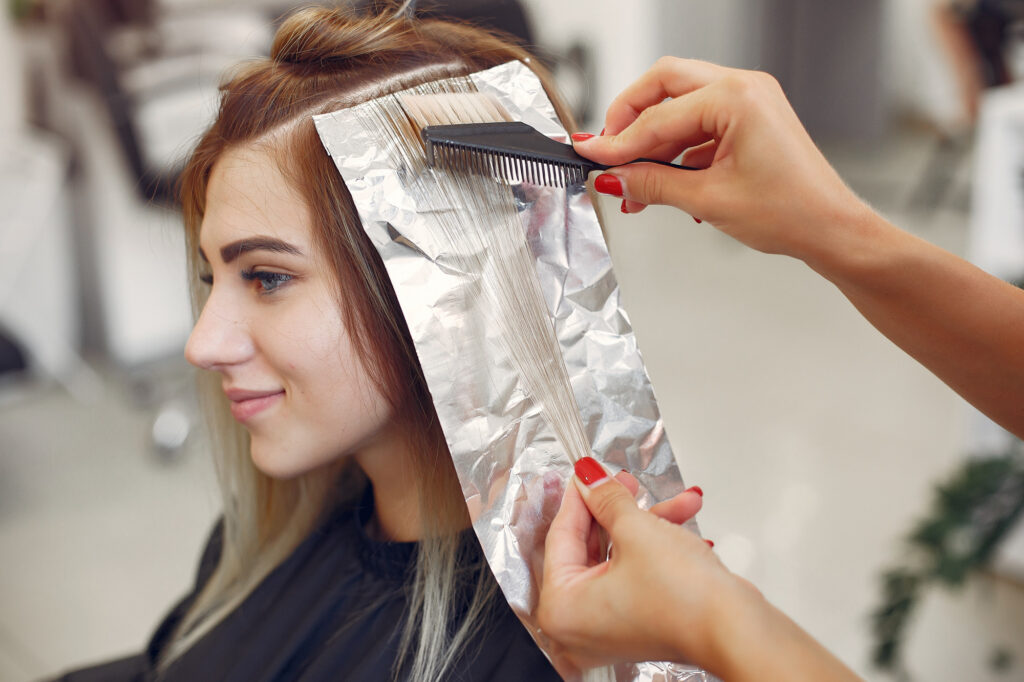
Joelcma, La Jolla’s premier hair studio with over 25 years of expertise, specializes in exactly this kind of recovery. From salon-quality shampoos for color-treated hair that protect against salt and UV damage to personalized consultations that keep your style intact through every session, the team at Joelcma understands the demands of an active coastal lifestyle. Surfers who color their hair especially benefit from expert guidance on managing frizzy, ocean-exposed hair to keep their look sharp between swells. Book a consultation and walk out looking as good as your best wave felt.
FAQ
What is the best La Jolla surf spot for beginners?
La Jolla Shores is the best option for beginners. Its consistent sandbar break, surf schools, and forgiving wave faces make it the safest and most accessible spot on the La Jolla coast.
How do I access Black’s Beach for surfing?
Black’s Beach requires descending a 300-foot cliff trail from the Torrey Pines area. The trail is steep and unmaintained, so physical fitness and proper footwear are necessary before attempting the descent.
When is the best time to surf Horseshoe in La Jolla?
Horseshoe peaks from november through march when northwest swells produce the optimal 6–12 ft conditions. Summer months are typically flat and not worth the trip to this advanced reef break.
Is it safe to surf La Jolla after it rains?
Surfers should avoid all La Jolla breaks for at least 72 hours after significant rainfall. Runoff pollution and bacteria levels in Southern California coastal waters rise sharply after rain events and pose real health risks.
What should I know about surf etiquette at Windansea?
Windansea has a protective local crew that enforces lineup etiquette socially. Wait your turn, avoid dropping in on others, and sit on the shoulder until you understand the lineup before paddling to the peak.
Recommended
- Local La Jolla Attractions: Your Insider’s Guide – Joel C Ma Hair Studio
- Fine Dining in La Jolla: Top Restaurants for 2026 – Joel C Ma Hair Studio
- La Jolla Art Show 2026: Your Complete Festival Guide – Joel C Ma Hair Studio
- Find the Perfect High-End Hair Salon in La Jolla: Tips – Joel C Ma Hair Studio