
Advanced Hair Coloring Guide for Professional Stylists
TL;DR:
- Advanced hair coloring combines precise chemistry, diagnostics, and layered techniques to achieve lasting, health-preserving color results beyond retail systems. Proper client assessment, correct application sequences, and pH-balanced aftercare are essential for vibrant, durable outcomes that maintain hair integrity and client satisfaction. Ongoing communication and personalized formulas based on hair biology ensure professional colorists deliver artistry rooted in scientific mastery.
Advanced hair coloring is defined as the precise application of chemistry, pigment theory, and structural diagnostics to deliver dimensional, lasting, and health-preserving color results that retail systems cannot replicate. For professional colorists, mastery in this field means controlling every variable from developer volume to cuticle pH before a single brush stroke lands on the hair. Approximately 75% of women choose professional color services over retail, largely because keratin-infused formulas prevent the 15% protein loss common in lower-quality products. This advanced hair coloring guide covers the tools, techniques, troubleshooting protocols, and maintenance systems that separate good colorists from exceptional ones.
What are the essential tools and diagnostics for advanced hair coloring?
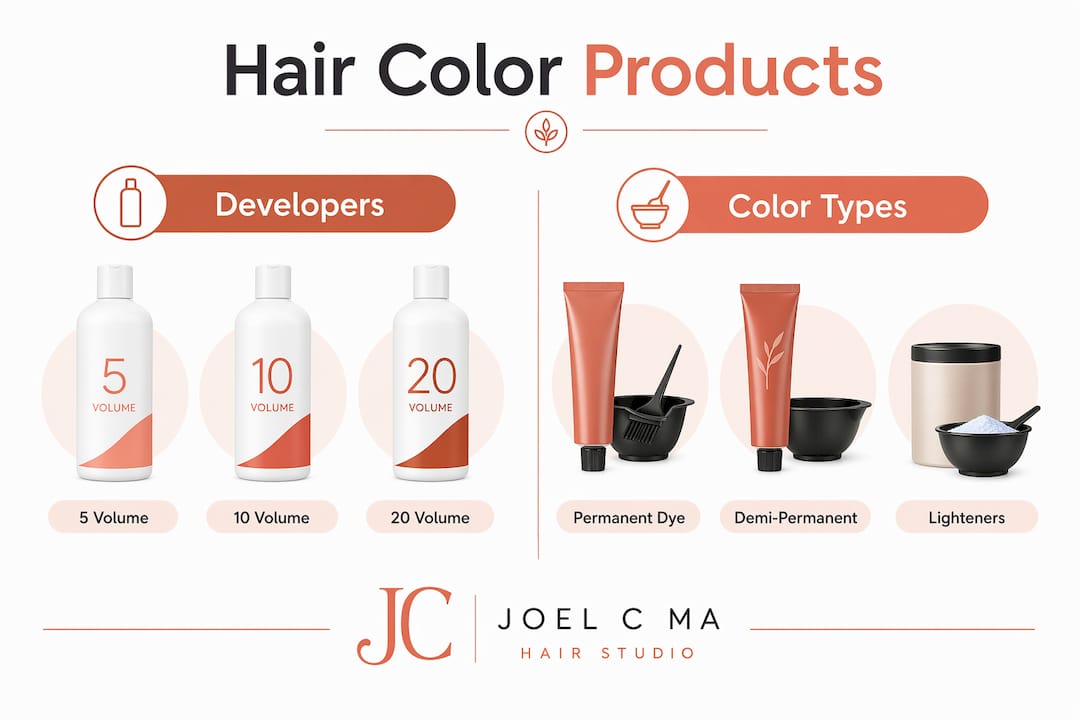
Professional-grade color systems are built on two foundations: precise chemistry and accurate client diagnostics. Without both, even the most skilled application technique produces inconsistent or short-lived results. Developers range from 5-volume for toning to 40-volume for heavy lift, and selecting the wrong volume for a client’s hair history is one of the most common sources of structural damage in salon settings.
Diagnostic methods every colorist must use
Before mixing a single formula, run a full client diagnostic. The vein test and jewelry test identify cool, warm, or neutral undertones that determine tonal direction. Porosity evaluation, done by sliding a strand between your fingers from tip to root, reveals how open or closed the cuticle is. Elasticity testing, stretching a wet strand and observing its return, tells you whether the cortex can withstand chemical processing. These four assessments together give you the data to build a formula that works with the hair’s biology, not against it.
Professional tools and product categories
The table below outlines the core product types, their developer pairings, and their primary applications in professional color work.
| Product type | Developer volume | Primary use |
|---|---|---|
| Permanent oxidative dye | 20 or 30 volume | Full coverage, gray blending, lift and deposit |
| Demi-permanent color | 5 or 10 volume | Toning, glazing, refreshing faded color |
| Bleach or lightener | 20 to 40 volume | Pre-lightening, balayage, foilayage |
| Toner | 5 volume | Neutralizing unwanted warmth post-lift |
| Color filler | 5 or 10 volume | Restoring missing pigment before dark application |
Beyond chemistry, your physical toolkit matters. Balayage boards, wide-tooth sectioning clips, and fine-tipped application brushes each serve a specific purpose in layered or freehand work. Mixing bowls with measurement markings reduce formula inconsistency across multiple applications in a single session.
Pro Tip: Always use a pH-testing strip on your final rinse water. Tap water in many regions runs alkaline, which can partially reopen the cuticle after sealing and accelerate color fade within the first week.
How to apply advanced hair coloring techniques for dimension and longevity
Dimensional color results come from layering multiple techniques and formulas within a single service, not from applying one shade uniformly. The most requested advanced hair coloring techniques in 2026 include balayage, foilayage, Air Touch, double fill, and color melting. Each serves a different structural and aesthetic purpose.
Balayage and foilayage
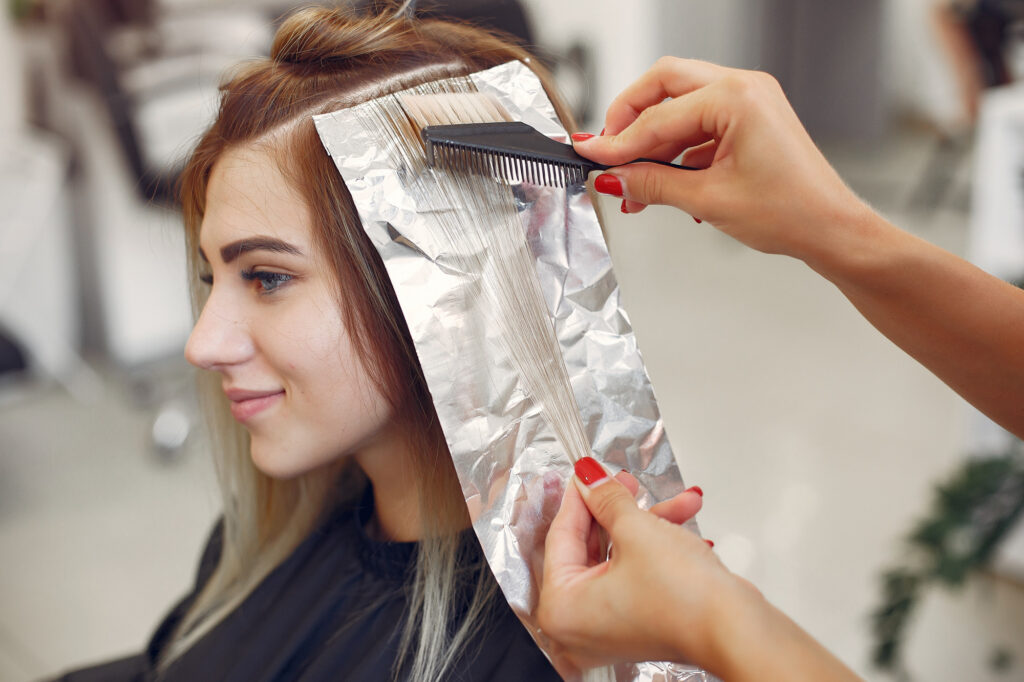
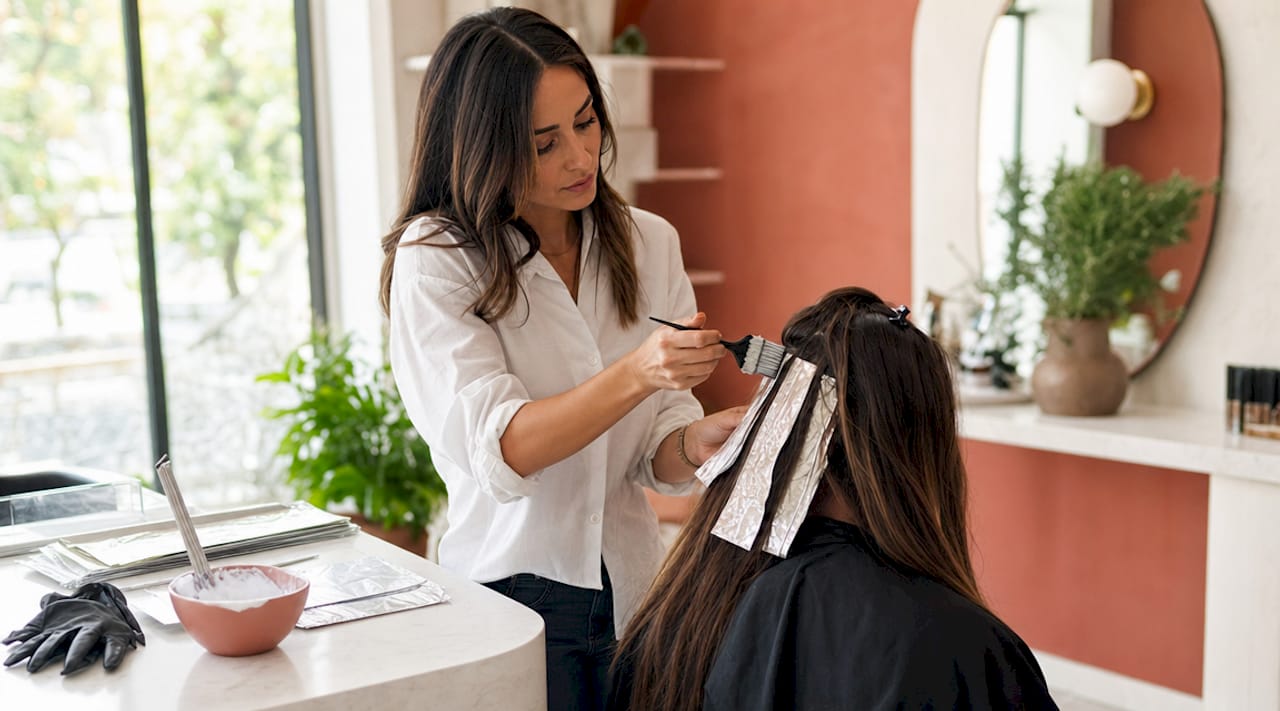
Balayage is a freehand painting technique that deposits lightener onto the surface of sections without foil, creating a soft, sun-kissed graduation. Balayage clients require salon visits every 3 to 6 months, while foil highlights need touch-ups every 6 to 8 weeks. That lower maintenance frequency is a key selling point for clients with active lifestyles. Foilayage combines the freehand placement of balayage with the controlled heat environment of foil, producing more lift on finer or resistant hair types. You can learn more about transitioning between these techniques when clients want to shift their existing color history.
Air Touch and color melting
Air Touch and color melting focus on multi-dimensional blending tailored to client expectations, elevating color continuity beyond traditional uniform applications. Air Touch uses a blow-dryer to separate fine, short hairs from the section before lightener is applied, leaving those shorter pieces untouched and creating an exceptionally diffused, soft transition at the root. Color melting connects two or more shades by blending them at their boundaries rather than creating hard lines, producing a gradient that reads as natural movement. Both techniques require precise sectioning and a clear tonal map before application begins.
The double fill technique
The double fill technique is non-negotiable when taking hair from blonde or lightened back to a medium or dark shade. Double fill restores warm undertones before applying dark colors to prevent hollow or muddy results. The process involves applying a filler in the appropriate warm family, gold, orange, or red, depending on the target level, then drying the hair thoroughly before the final color application. That drying step improves color longevity by up to 20% by preventing dilution of the final formula.
Pro Tip: For level 10 hair going back to a natural blonde, use a Gold Filler only. A Gold Filler at level 10 accounts for the 15% natural pigment deficiency without introducing red tones that create muddy pink results.
The professional application sequence for any advanced service follows this order: strand test, diagnostic assessment, formula build, sectioning, application from most resistant to least resistant, processing with heat if required, rinse, toner or gloss, pH-sealing rinse, and finishing treatment.
What common hair coloring mistakes should professionals avoid?
The most costly errors in advanced color work are not technical failures. They are diagnostic failures. A colorist who skips porosity evaluation and applies a uniform developer volume across a head with mixed porosity will get uneven oxidation, with porous ends absorbing color faster and appearing darker or muddier than the mid-shaft and root.
The following mistakes appear most frequently in corrective color consultations:
- Ignoring hair history: Previous box dye, metallic salts, or protein overload all affect how the cuticle responds to oxidative color. Always conduct a full history intake before any chemical service.
- Mistiming processing: Over-processing leads to over-deposited, flat color. Under-processing leaves pigment molecules too large to fully penetrate the cortex, causing rapid fade.
- Skipping cuticle management: Neglecting hair’s internal architecture is the top error in corrective coloring. Multi-layered pigment foundations are required to mimic virgin hair complexity.
- Mismatched filler selection: Applying a red filler to level 10 hair before a blonde formula introduces unwanted warmth that no toner can fully neutralize.
- Alkaline overload: Using back-to-back alkaline services without an acidic sealant between them leaves the cuticle permanently raised, destroying shine and accelerating fade.
“Maintaining a balance between alkaline and acidic products during color services is critical to protecting hair structure and achieving shine.” Advanced Color Correction Techniques for Stylists
For banding or hot roots, the corrective approach is localized application. Apply a demi-permanent formula at a lower developer volume only to the affected zone, then blend into the surrounding color with a clean brush. For muddy or flat results caused by missing warm pigment, a targeted filler application followed by a gloss restores depth and dimension without a full recolor. Reviewing hair color correction fundamentals before taking on complex corrective cases reduces chair time and client stress significantly.
Pro Tip: When correcting banding, photograph the hair in natural light before and after each corrective step. This documents progress, manages client expectations, and builds your corrective case portfolio.
How to maintain advanced hair color results with professional aftercare
Color longevity is determined as much by post-service care as by application precision. Salon-grade color lasts 6 to 8 weeks when correct pH-balancing and cuticle management are applied, but that window shortens dramatically with incorrect home care.
The core aftercare recommendations for colored hair clients are:
- Sulfate-free, pH-balanced shampoos: Sulfates strip the cuticle and accelerate pigment loss. Recommend formulas with a pH between 4.5 and 5.5 to keep the cuticle sealed.
- Cool water rinses: Hot water expands the cuticle and releases pigment molecules. Clients should rinse with the coolest water they can tolerate.
- Reduced washing frequency: Every wash cycle removes some pigment. Clients with balayage or color-melted results should wash two to three times per week maximum.
- Keratin treatments and sealants: Applied four to six weeks post-color, a keratin treatment reinforces the cortex and extends color vibrancy while improving manageability.
The table below compares maintenance schedules by technique to help you set accurate client expectations at checkout.
| Technique | Recommended salon visit | Home care priority |
|---|---|---|
| Balayage | Every 3 to 6 months | Toning gloss at home between visits |
| Foil highlights | Every 6 to 8 weeks | Weekly bond-building treatment |
| Color melt | Every 8 to 10 weeks | Sulfate-free shampoo, cool rinse |
| Double fill to dark | Every 6 to 8 weeks | Protein treatment monthly |
| Air Touch | Every 3 to 5 months | UV-protective leave-in spray |
For clients who swim regularly or live in hard-water areas, a chelating shampoo used once per month removes mineral buildup that dulls color and blocks toner absorption. Detailed guidance on caring for colored hair post-service helps clients protect the investment they made in the chair.
Key takeaways
Advanced hair coloring requires diagnostic precision, layered technique execution, and pH-controlled aftercare to deliver results that are vibrant, structurally sound, and long-lasting.
| Point | Details |
|---|---|
| Diagnostics before formula | Porosity, elasticity, and hair history assessments determine developer volume and formula selection. |
| Technique selection by client | Balayage, Air Touch, and double fill each serve distinct hair types and color goals. |
| Filler accuracy prevents correction | Correct warm pigment restoration before dark application eliminates muddy or hollow results. |
| pH management extends longevity | Alternating alkaline and acidic applications seals the cuticle and preserves shine. |
| Aftercare determines color life | Sulfate-free shampoos, cool rinses, and reduced wash frequency maintain salon-grade results at home. |
Where science meets artistry: my perspective on advanced color work
After more than two decades working with color, the single most important shift I made was treating every client’s hair as a biological system first and a creative canvas second. That order matters. Colorists who lead with the artistic vision and work backward through the chemistry consistently produce results that look spectacular on day one and fall apart by week three.
The fear that professional hair dye is inherently damaging is a misconception that still costs clients money and colorists credibility. Precision chemistry in professional systems actually protects and reinforces hair when applied correctly. The problem is never the product. It is the diagnosis that preceded it.
I also think the industry underestimates how much client communication shapes technical outcomes. A client who understands why you are applying a filler before going dark, or why you are recommending a 10-volume developer instead of 20, becomes a partner in the process. That partnership produces better results because the client follows the aftercare protocol and returns on the correct schedule.
The future of salon-grade color systems is moving toward hyper-personalized formulas, where porosity mapping and hair history data inform a formula built specifically for that individual on that day. Colorists who invest now in understanding signature color techniques and the science behind them will be the ones leading that shift.
— Juiced
Take your color work further with Joelcma
Joelcma’s team at Joel C Ma Hair Studio in La Jolla, California brings over 25 years of expertise in advanced color techniques including balayage, Air Touch, and corrective color to every client consultation. If you are a colorist looking to refine your product knowledge, the best salon shampoos for colored hair comparison is a practical starting point for building your aftercare recommendation system. For clients seeking a personalized color plan built on precise diagnostics and artistic vision, Joelcma offers tailored consultations designed to match your hair’s specific biology with the right formula and technique. Book your consultation at joelcma.com and experience what precision-driven color artistry delivers.
FAQ
What is the double fill technique in hair coloring?
The double fill technique restores warm undertones, specifically gold, orange, or red pigments, to lightened hair before applying a dark shade. It prevents hollow or muddy results by rebuilding the pigment foundation the bleaching process removed.
How often should balayage clients return to the salon?
Balayage clients typically need salon visits every 3 to 6 months, compared to foil highlights which require touch-ups every 6 to 8 weeks. The Air Touch variation extends that interval further by creating softer, less noticeable regrowth lines.
What developer volume should I use for deposit-only color?
Use 5 or 10 volume developer for deposit-only applications. Lower developer volumes minimize lifting of the natural base and preserve cuticle integrity, which is critical for maintaining color vibrancy and structural health.
Why does color turn muddy after going from blonde to dark?
Muddy results occur when the warm pigments removed during lightening are not replaced before the dark formula is applied. A proper filler in the correct warm family, matched to the target level, rebuilds the missing pigment foundation and produces a natural, rich result.
What shampoo is best for maintaining professional color?
Sulfate-free, pH-balanced shampoos with a pH between 4.5 and 5.5 are the standard recommendation for color-treated hair. These formulas keep the cuticle sealed, slow pigment loss, and preserve the results of keratin treatments applied post-color.