
Tips for Hair Makeovers That Actually Transform Your Look

TL;DR:
- Assess your hair’s type and condition before a makeover to ensure the new style suits your natural texture and lifestyle.
- Bringing clear visual references and honest maintenance details helps stylists create personalized, lasting results that preserve hair health.
You want a fresh look, but the options feel endless and the fear of getting it wrong stops you cold. These tips for hair makeovers cut through the noise and give you a clear path forward, whether you’re thinking about a bold color shift, a precision cut, or a full style overhaul. This guide covers everything from prepping your hair and communicating with your stylist to maintaining color and protecting your hair from damage long after you leave the salon chair.
Table of Contents
- Key takeaways
- Tips for hair makeovers: start with what you have
- Modern haircut techniques worth knowing
- Hair color makeover advice that holds up over time
- Heat styling and hair health after a makeover
- Solving common makeover problems
- What I’ve actually learned about hair transformations
- Ready for a personalized hair transformation?
- FAQ
Key takeaways
| Point | Details |
|---|---|
| Know your hair before you change it | Assess your hair type, texture, and condition before choosing any cut or color. |
| Communication prevents costly mistakes | Bring photos and a clear hair history to your stylist for better results every time. |
| Color maintenance varies widely | High-maintenance color needs touch-ups every 4 to 8 weeks; low-maintenance stretches to 16 weeks. |
| Heat styling is cumulative damage | Limit heat use to 3 to 4 times per week and always match temperature to your hair type. |
| Toning is not optional for color-treated hair | Refresh toner every 4 to 6 weeks to keep brassiness away and color looking intentional. |
Tips for hair makeovers: start with what you have
The biggest mistake people make before a hair makeover is skipping the assessment phase entirely. They fall in love with a photo and book an appointment without ever considering whether that look actually suits their hair type, texture, or lifestyle.
Start by identifying your hair type honestly. Fine hair holds volume poorly and tends to look weighed down by heavy products. Coarse or thick hair often needs texturizing to move naturally. Curly hair responds completely differently to cutting techniques than straight hair does. These aren’t minor details. They determine which cuts work and which will be a constant daily battle.
Consider your lifestyle just as seriously. If you wash your hair twice a week and prefer air drying, a style that requires daily blow-drying is going to frustrate you within two weeks. Think about your activity level, your morning routine, and how much you realistically want to spend on upkeep before you fall in love with any particular look.
- Check your hair’s current condition. Damaged or over-processed hair may need a restoration phase before coloring.
- Decide between high, medium, and low-maintenance options before sitting in the stylist’s chair.
- Note how often you heat-style now. This matters for both color choice and cut selection.
- Consider face shape when reviewing cuts. Layers, framing, and length all interact with your bone structure.
- Think about seasonal factors. Humidity, sun exposure, and lifestyle changes affect how styles hold.
Pro Tip: Build a mood board with 5 to 8 reference images showing different angles of the style you want. This gives your stylist much more to work with than a single photo and helps them spot common threads in what you’re drawn to.
Bringing clear visual references to your appointment dramatically improves the outcome. Your stylist can spot realistic options, flag potential conflicts with your hair type, and propose modifications that get you closer to your goal while keeping your hair healthy.
Modern haircut techniques worth knowing
The cut is the foundation of any hair makeover. Color fades, but structure stays. Getting the cut right means your style works even on a bad hair day, and it means less daily effort to look put-together.
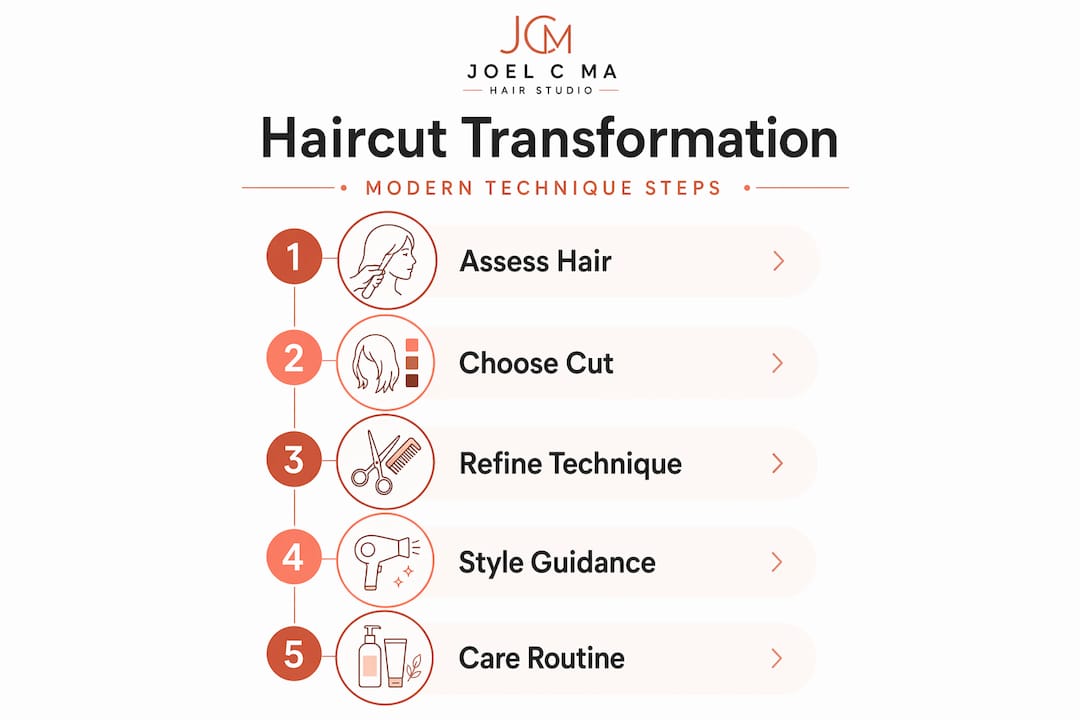
In 2026, the cuts getting the most attention are built around precision and hair health rather than dramatic shock value. Precision cutting creates clean lines with no unnecessary bulk. Dry cutting lets stylists see exactly how your hair falls naturally before removing length. Texturized layers add movement without sacrificing density. Asymmetrical shapes and tailored face-framing offer a modern edge without requiring a full reinvention.
How technique affects your daily routine
Dry cutting is worth requesting specifically if your hair has any wave or curl pattern. When hair is cut wet, it shrinks as it dries, which can lead to a shorter result than expected or a shape that only works when blown out. Dry cutting removes that variable entirely.
Texturizing is one of the most underused tools in hair transformation advice. A single appointment focused on removing interior weight from thick hair can change how it behaves more dramatically than a major length change. Ask your stylist about point cutting, slide cutting, or razor work depending on your texture.
- Request a precision haircut if you want clean, low-maintenance shape.
- Ask about dry cutting if you have natural wave or curl.
- Consider face-framing layers before committing to a full cut change.
- Discuss styling tools during your consultation, not after.
- Keep styling product use minimal to avoid buildup that flattens volume.
Pro Tip: Ask your stylist to show you how to style your new cut before you leave the salon. Watching the technique once in real time is worth more than any tutorial video.
For styling tools, match heat to purpose. Volumizing sprays work best on damp hair before blow-drying. A round brush creates more lift than a flat brush. Finishing products should be applied sparingly to avoid weighing the style down after all that effort.
Hair color makeover advice that holds up over time
Color is where most people either love their makeover or regret it. The difference usually comes down to managing expectations before you sit in the chair and staying consistent with upkeep after you leave.
Understanding color maintenance levels matters more than most people realize. Touch-up frequency breaks down like this:
| Maintenance level | Touch-up frequency | Best for |
|---|---|---|
| High maintenance | Every 4 to 8 weeks | All-over color, vivid tones, full highlights |
| Medium maintenance | Every 8 to 12 weeks | Partial highlights, glossing, balayage with defined lines |
| Low maintenance | Every 12 to 16 weeks | Soft balayage, root smudging, natural blends |
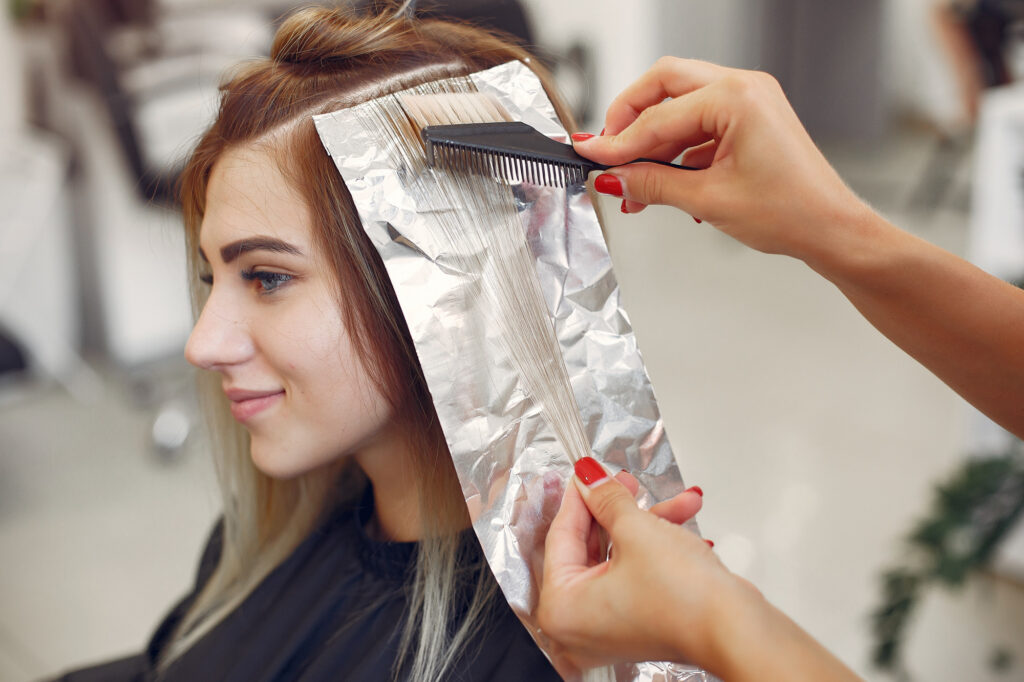
Trending color techniques in 2026 lean toward subtlety with impact. Micro-highlights add dimension without obvious grow-out lines. Glossing treatments refresh faded color and add mirror-like shine. Chrome hues in cool platinum and soft pewter are being layered over natural bases for a wearable but striking effect.
For color-treated hair, heat protection is not optional. Use a heat protectant rated for temperatures above 400°F before any styling tool touches your hair. Pair that with color-safe shampoos that won’t strip pigment between appointments.
Brassiness is the most common complaint after a color makeover. Toners typically last 3 to 6 weeks, with a recommended refresh every 4 to 6 weeks to keep your color looking consistent. Between appointments, a purple or blue shampoo used once or twice a week maintains tone without requiring a salon visit.
Pro Tip: For major color changes, give your stylist a video of your hair in natural light, along with a written note covering your washing frequency, heat-styling habits, and how much maintenance you’re willing to do. This single step prevents the vast majority of color disappointments.
Heat styling and hair health after a makeover
You just invested real time and money into a makeover. Heat damage is the fastest way to undo it.

The most important thing to understand about heat is that damage is cumulative. One session at a high temperature won’t ruin your hair. Six months of daily heat styling at the wrong temperature absolutely will. Limiting heat use to 3 to 4 sessions per week makes a measurable difference in how your color holds and how your hair feels over time.
Here’s the temperature guide that protects your hair while still getting the job done:
- Fine or damaged hair: Stay between 280 and 320°F maximum. This range gets the job done without accelerating existing fragility.
- Normal hair: The 330 to 370°F range works well and gives you reliable results without excess stress on the strand.
- Thick or coarse hair: You can work between 375 and 420°F, but still use the lowest temperature that achieves your desired result first.
Beyond temperature, technique matters. Section your hair and limit passes per section to two or three maximum. Temperatures above 365°F begin breaking down keratin bonds permanently, so multiple passes at high heat on the same section compounds the damage fast.
Pro Tip: Finish each blow-drying session with the cool shot button on your dryer. The cool air sets the style without additional heat exposure, and it adds noticeable shine.
For recovery and maintenance, weekly deep conditioning is the single most effective thing you can do for heat-styled and color-treated hair. It restores moisture, supports the cuticle, and keeps your color from looking dull between appointments. A quality hair mask used once a week makes a visible difference within a month.
Heatless alternatives are worth scheduling intentionally. Braiding damp hair overnight, using flexi rods, or wrapping hair in a silk scarf while it dries can produce texture and wave with zero heat exposure. These rest days add up across a year.
Solving common makeover problems
Even a well-planned hair makeover runs into issues. Here’s how to handle the most common ones without panicking.
Brassiness after coloring is almost always a toner issue. Purple toner neutralizes yellow tones, blue cancels orange, and green corrects red. Match your toner to the specific warmth you’re seeing. At home, a purple or blue shampoo left on for 5 to 10 minutes handles mild brassiness between salon visits. For stronger corrections, see your stylist rather than layering multiple at-home products.
- Take photos in natural light to show your stylist exactly where the brassiness appears.
- Keep the toning shampoo in the shower but limit use to twice a week to avoid over-toning.
- Ask your salon for a glossing service as an add-on to your next appointment.
Miscommunication with your stylist is more preventable than most people think. Visual references and client prep remove the guesswork for both sides. If you walked away from an appointment unhappy, schedule a follow-up and bring photos showing both what you got and what you wanted. Most skilled stylists will work with you to correct it.
Transitioning between styles or colors takes patience. Growing out a short cut or shifting from dark to light happens in phases. Set realistic timelines with your stylist before you start, so you know what each appointment is building toward.
Styling volume daily gets easier with the right technique. Flip your head forward while blow-drying the root area, then finish upright. A small amount of volumizing mousse at the root before drying gives lift that holds all day without stickiness.
Before reaching for at-home treatments or box color to fix something, ask yourself whether the problem is within your skill level to correct. Brassiness, dryness, and frizz are usually manageable at home. Color correction, major cuts, and bond damage almost always need a professional.
What I’ve actually learned about hair transformations
I’ve watched enough makeovers play out to have a strong opinion on what separates the ones that work from the ones that don’t. And it almost never comes down to the trend itself.
The clients who leave genuinely transformed are the ones who showed up prepared. They brought photos, they knew their maintenance limits, and they were honest with their stylist about what they actually do to their hair at home every morning. That transparency lets a skilled stylist create something that works for real life, not just the salon lighting.
The uncomfortable truth about heat styling? Less is nearly always better. I’ve seen beautifully colored hair lose its vibrancy in two months because of daily high-heat styling without protection. The style that requires the least intervention to look good is almost always the most flattering style long term.
I also believe that embracing your natural texture, rather than fighting it, is the single smartest move most people can make during a makeover. A precision cut that works with your texture will look better on day five with no styling than a trendy cut fighting your natural pattern.
Color is an investment. Treat it like one. That means sun protection, sulfate-free products, regular toning, and honest conversations with your colorist when something isn’t working. The clients who get the most out of their color makeovers are the ones who maintain the relationship with their stylist between appointments, not just at them.
The goal of a great makeover isn’t to look different. It’s to look like yourself, only sharper.
— Joelcma
Ready for a personalized hair transformation?
The best hair makeovers start with one honest conversation with the right stylist. At Joelcma, the team at Joel C Ma Hair Studio in La Jolla brings over 25 years of expertise in precision cutting, advanced color techniques, and fully customized style consultations to every single appointment.
Whether you’re exploring a color change, updating your cut, or doing a complete style refresh, Joelcma’s stylists build each plan around your hair type, lifestyle, and maintenance preferences. Explore customized hair styling services to see what a truly tailored makeover looks like. For those updating their hair style in a professional direction, the expert hairstyle tips resource is worth a read before your consultation. Book your appointment and walk in knowing your stylist already has the tools to get it right.
FAQ
What are the most important tips for hair makeovers?
Start by assessing your hair type, texture, and maintenance willingness before choosing any style. Bring reference photos to your appointment, and be honest with your stylist about your daily routine.
How often should you touch up color after a hair color makeover?
Touch-up timing depends on your color style. High-maintenance looks like all-over color need touch-ups every 4 to 8 weeks, while soft balayage can stretch to 12 to 16 weeks.
How do you prevent brassiness after a color makeover?
Use a purple or blue toning shampoo once or twice a week and refresh your toner at the salon every 4 to 6 weeks. Matching the toner color to the specific warmth you’re seeing gives you the best correction.
What heat temperature is safe for styling after a hair makeover?
Safe ranges depend on your hair type. Fine or damaged hair should stay between 280 and 320°F, normal hair between 330 and 370°F, and thick or coarse hair between 375 and 420°F.
How do you maintain hair health after a makeover?
Limit heat styling to 3 to 4 times per week, always apply a heat protectant, and do a deep conditioning treatment once a week to restore moisture and protect your color investment.
Recommended
- How to Choose a Hair Color for a Stylish Transformation – Joel C Ma Hair Studio
- How to Pick a New Hair Color for Stunning Results – Joel C Ma Hair Studio
- 7 Expert Tips for a Polished Hairstyle for Professional Women – Joel C Ma Hair Studio
- Hair Makeover: Transforming Style and Confidence – Joel C Ma Hair Studio