
How to Fix Brassy Hair Naturally for Salon-Perfect Results

Watching your blonde highlights or balayage in the California sun start to shift from cool, chic tones to unwanted yellow or orange can feel frustrating. Brassiness isn’t just a color concern—it reveals the story of product buildup, sun exposure, and fading salon perfection. By learning how to identify and target brassy hair, you unlock the first step in restoring vibrant, personalized color that truly fits your La Jolla style and demands. Get ready to reveal your best shade with confidence.
Table of Contents
- Step 1: Assess Your Hair Tone And Identify Brassiness
- Step 2: Prepare Hair With Gentle Clarifying Products
- Step 3: Apply Color-Correcting Treatments Or Toners
- Step 4: Rinse And Nourish With Deep Conditioning Care
- Step 5: Verify Color Balance And Maintain Results
Quick Summary
| Key Takeaway | Explanation |
|---|---|
| 1. Assess hair in natural light | Conduct evaluations in bright, natural light to accurately identify brassy tones. |
| 2. Use sulfate-free clarifying shampoo | Choose gentle, sulfate-free clarifying shampoo to remove buildup without damaging hair health. |
| 3. Select appropriate toners | Use color-correcting toners that match brassiness tones, such as purple for yellow or blue for orange hues. |
| 4. Deep condition after toning | Apply deep conditioning treatments to restore moisture and strength after color correction. |
| 5. Maintain color with specialized products | Employ color-safe hair care products and explore professional assessments to preserve your color. |
Step 1: Assess your hair tone and identify brassiness
Identifying brassy hair starts with a critical visual inspection of your current hair color and understanding those unwanted warm undertones. Recognizing brassiness means detecting those subtle shifts from your desired cool shade to unexpected yellow, orange, or red hues that can dramatically alter your hair’s appearance.
To effectively assess your hair tone, you’ll want to conduct a careful examination in bright, natural light. Identifying unwanted warm hues requires a strategic approach that helps you pinpoint exactly where those brassy tones are emerging. Here are some key steps for a thorough assessment:
- Examine your hair in natural daylight
- Use a white background to increase color contrast
- Check hair in multiple lighting conditions
- Focus on areas most prone to brassiness like highlights and bleached sections
Your hair’s underlying pigment plays a crucial role in understanding brassiness. Hair color fading reveals natural warm tones that were previously masked by your color treatment. Different hair types and original colors will exhibit brassiness uniquely – blondes might see yellow undertones, while brunettes could notice unexpected orange or reddish hints.
Brassiness isn’t just a color issue – it’s a reflection of your hair’s health and previous color treatments.
Pay special attention to how sunlight, water minerals, and hair product buildup contribute to these unwanted color shifts. Each of these factors can accelerate the emergence of brassy tones, making your initial assessment critical for planning future color correction strategies.
Here’s a quick reference on how brassiness can appear in different hair colors:
| Hair Color | Typical Brassiness Shades | Common Causes |
|---|---|---|
| Blonde | Yellow undertones | Sunlight, hard water |
| Brunette | Orange or red hues | Color fading, minerals |
| Highlighted | Uneven warm patches | Product buildup, UV rays |
| Bleached | Intense yellow or gold | Over-processing, pollution |
Pro tip: Take a smartphone photo of your hair in natural light to track brassiness progression and help your stylist understand exactly what’s happening with your color.
Step 2: Prepare hair with gentle clarifying products
Preparing your hair for brassiness treatment requires strategic cleansing that removes buildup without compromising hair health. Your goal is to create a clean canvas that allows subsequent color correction treatments to work effectively.
Clarifying shampoos offer deep cleansing that eliminate mineral deposits, product residue, and excess oils that can interfere with color treatments. These specialized products are crucial for resetting your hair’s baseline and creating optimal conditions for toning and color correction.
Here’s how to select and use clarifying products strategically:
- Choose a sulfate-free clarifying shampoo
- Look for products specifically designed for color-treated hair
- Avoid harsh formulations that might strip natural moisture
- Use clarifying products sparingly – once per week maximum
Professional hair care experts recommend targeting product buildup without over-cleaning. Different hair types will respond differently, so pay attention to how your hair reacts after each clarifying treatment.
Clarifying shampoo is your secret weapon for creating a pristine hair surface ready for color correction.
While clarifying, be mindful of your hair’s unique texture and previous color treatments. Some hair types might require more gentle approaches, so always follow product instructions and monitor your hair’s response.
Pro tip: Apply clarifying shampoo primarily to your scalp and roots, allowing the runoff to gently cleanse the lengths of your hair without causing excessive dryness.
Step 3: Apply color-correcting treatments or toners
Neutralizing brassy hair requires strategic color correction that precisely targets those unwanted warm undertones. Your goal is to apply toners that will transform your hair color from dull and brassy to vibrant and balanced.
Color-correcting toners neutralize unwanted hues by utilizing complementary shades on the color wheel. This scientific approach means selecting the right toner based on your specific brassiness shade – purple for yellow tones, blue for orange undertones.
Here’s a strategic approach to applying color-correcting treatments:
- Identify your specific brassiness tone
- Select the corresponding complementary toner color
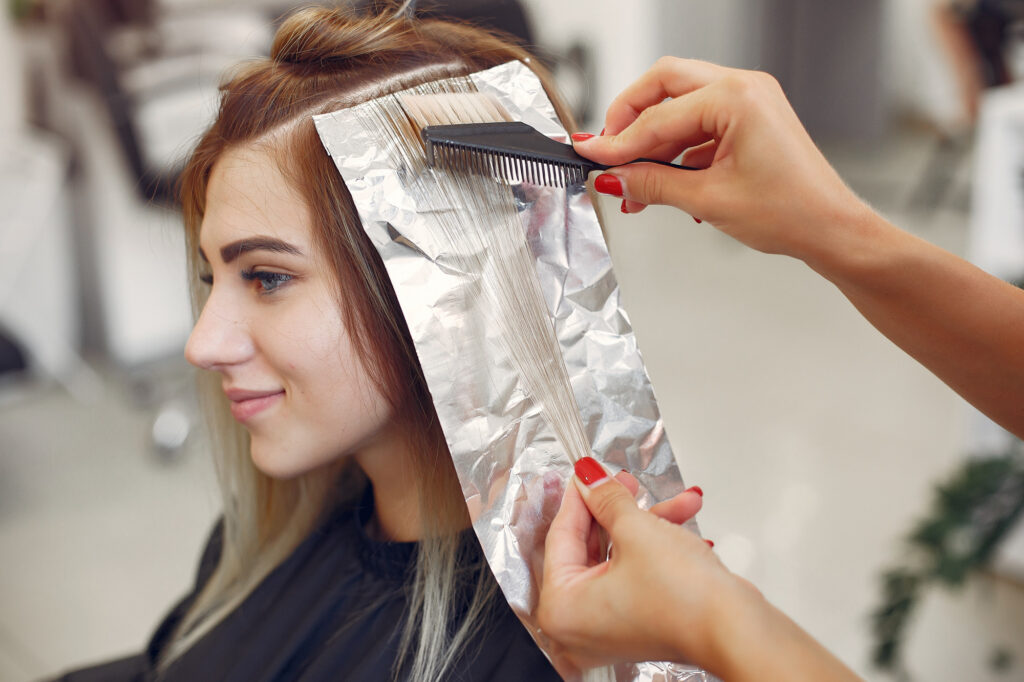
- Section hair for even application
- Use professional-grade applicator tools
- Follow precise timing instructions
The application process requires careful attention to detail. Different hair lengths and textures will absorb toner differently, so monitor the processing time closely to avoid over-toning or creating an unnatural result.
Precise toner application is like color chemistry – one wrong move can dramatically change your hair’s appearance.
While toning, remember that these treatments deposit semi-permanent pigments that gradually fade. This means you might need multiple applications to achieve your desired cool-toned result. Patience and precision are key to transforming brassy hair into a salon-worthy shade.
Pro tip: Always perform a strand test before full application to ensure the toner achieves your desired color and doesn’t cause unexpected results.
Step 4: Rinse and nourish with deep conditioning care
After correcting brassy tones, your hair needs intensive repair and hydration. The final crucial step is restoring your hair’s health and maintaining the beautiful color you’ve just achieved through deep conditioning.
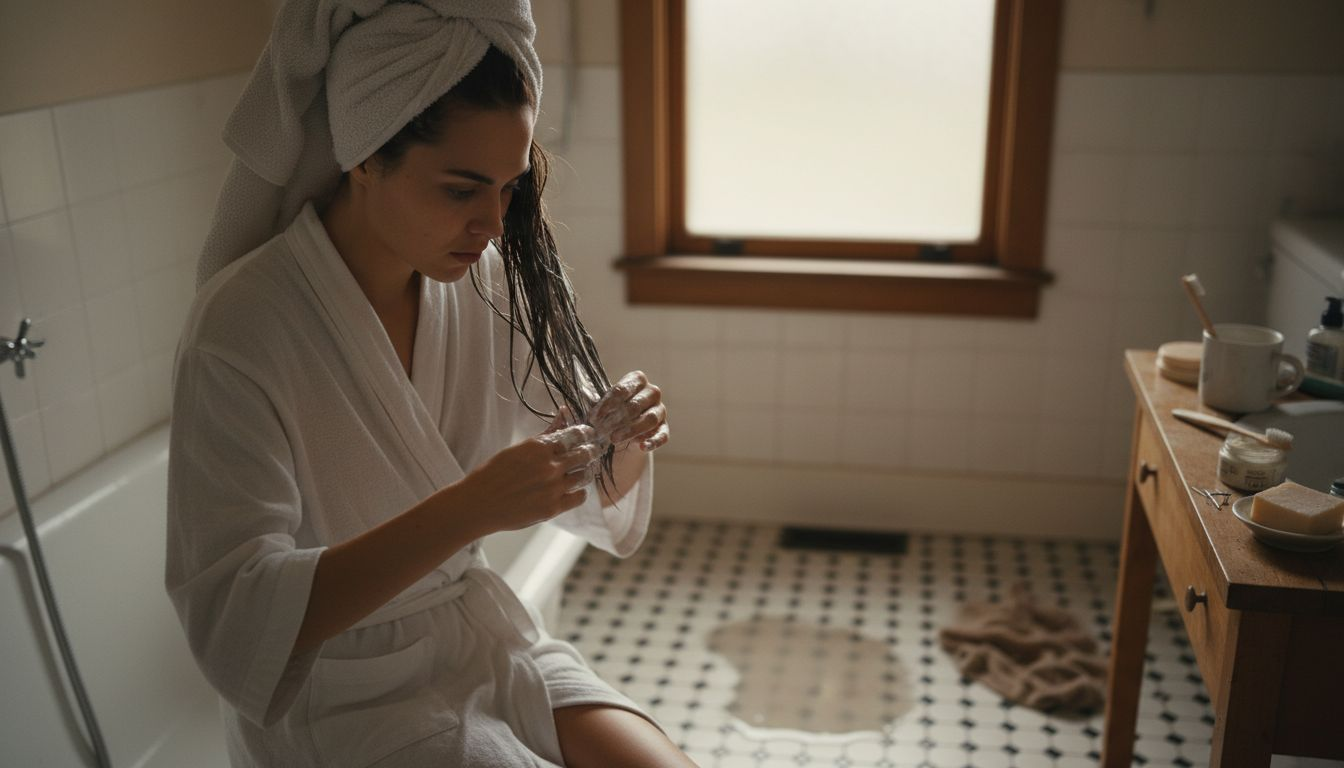
Deep conditioning treatments restore hair’s moisture by penetrating the hair shaft and repairing damage from chemical processing. These specialized treatments go beyond standard conditioners, providing a comprehensive recovery strategy for your newly toned hair.
Follow these steps for optimal deep conditioning:
- Use a protein-rich conditioning treatment
- Select products designed for color-treated hair
- Apply from mid-length to ends
- Avoid applying directly to the scalp
- Leave on for recommended time duration
The science of deep conditioning involves delivering intensive nourishment that reduces breakage and improves overall hair manageability. Your goal is to support the color correction process while preventing future damage.
Deep conditioning is like a reset button for your hair – repairing, protecting, and preparing for future styling.
Consistent deep conditioning helps maintain your color’s vibrancy, prevents future brassiness, and keeps your hair looking healthy and professionally treated. Think of it as a protective shield for your newly perfected hair color.
Pro tip: Use a microfiber towel or soft cotton t-shirt to gently squeeze out excess water before applying deep conditioner for maximum product absorption.
Step 5: Verify color balance and maintain results
Your brassiness transformation isn’t complete until you’ve established a strategic maintenance routine that preserves your newly perfected hair color. This final step ensures your hard work continues to shine through consistent care and professional attention.
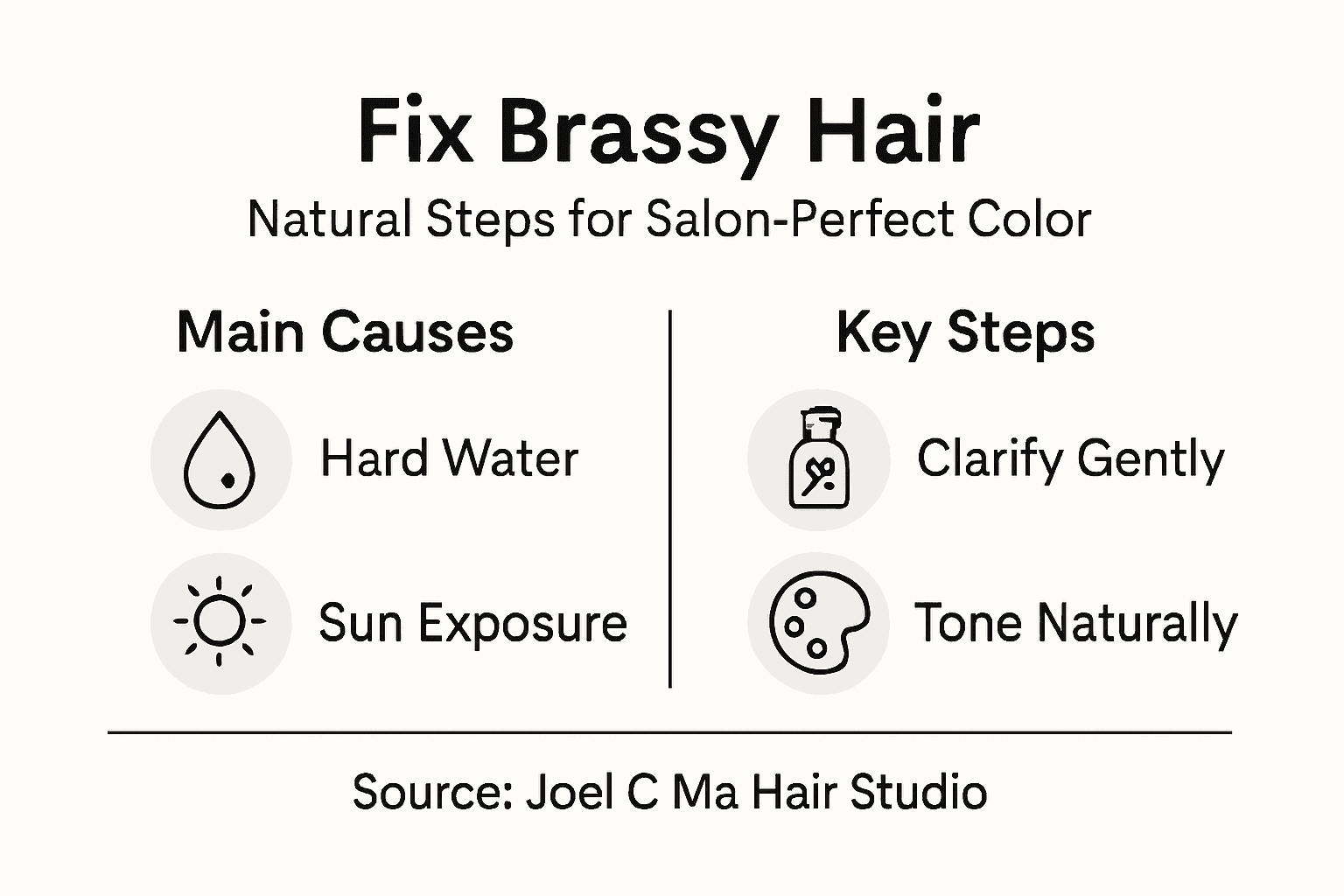
Color maintenance requires strategic protection by using specialized products and techniques that preserve your desired tone. Understanding how to verify and sustain your color balance becomes crucial in preventing future brassiness and maintaining salon-quality results.
Here are key strategies for long-term color preservation:
- Use color-safe shampoo and conditioner
- Limit heat styling exposure
- Apply UV protection products
- Schedule periodic professional color assessments
- Monitor hair color in natural lighting
Professional hair color theory emphasizes understanding your hair’s unique chemistry and pigment distribution. This scientific approach helps you make informed decisions about ongoing color maintenance and potential touch-ups.
Consistent care transforms color correction from a one-time treatment to a sustained hair health strategy.
Regular observation and proactive maintenance will help you keep your color looking fresh and vibrant. Pay attention to subtle changes, and don’t hesitate to consult a professional if you notice unexpected shifts in your hair’s tone.
Pro tip: Invest in a white or neutral-toned towel to help you accurately assess your hair color’s true tone without interference from colored backgrounds.
This summary highlights the main goals for each step in brassiness correction:
| Step | Primary Goal | Key Result |
|---|---|---|
| Assess hair tone | Identify warm undertones | Know your brassiness level |
| Clarify with gentle shampoo | Remove buildup and residues | Clean base for toning |
| Apply color-correcting toners | Neutralize unwanted hues | Balanced, vibrant color |
| Deep condition and nourish | Restore moisture and strength | Healthy, resilient hair |
| Verify and maintain results | Sustain tone and prevent brassiness | Long-lasting color health |
Transform Brassy Hair into Stunning Salon-Perfect Color Today
Struggling with unwanted warm undertones or faded hair color that no at-home toner can fix? The challenge of battling brassiness requires expert assessment and personalized solutions to restore vibrant, balanced hair. Whether you need precise color-correcting treatments or deep conditioning care to repair damage, trusting seasoned professionals makes all the difference.

Experience the artistry and expertise at Joel C Ma Hair Studio, where our talented team specializes in advanced color techniques like balayage and custom toning tailored to your unique hair chemistry. We combine creativity with over 25 years of experience to deliver lasting results that eliminate brassiness and maintain your hair’s health. Don’t let brassy tones hold you back—schedule your personalized consultation now and discover how professional care can revitalize your hair’s true beauty. Book your appointment today at Joel C Ma Hair Studio and embrace radiant, flawless color you deserve.
Frequently Asked Questions
How can I identify if my hair is brassy?
To identify brassy hair, examine your hair in bright, natural light to spot unwanted warm tones like yellow, orange, or red. Focus on areas that are typically more prone to brassiness, such as highlights and bleached sections.
What should I use to prepare my hair for natural brassiness treatment?
Use a gentle, sulfate-free clarifying shampoo to clear product buildup and excess oils before treatment. Apply it once a week for optimal results, focusing mainly on your scalp and roots.
What type of color-correcting treatments work best for brassy hair?
Use complementary color-correcting toners based on your specific brassiness shade—purple for yellow undertones and blue for orange hues. Section your hair to ensure even application and follow the timing instructions carefully to avoid over-toning.
How can I deep condition my hair after correcting brassiness?
Apply a protein-rich deep conditioning treatment specifically designed for color-treated hair from the mid-lengths to the ends. Leave it on for the recommended time to restore moisture and improve overall hair health.
What maintenance steps should I take to prevent future brassiness?
Use color-safe shampoo and conditioner regularly to maintain your newly corrected hair color. Schedule periodic professional assessments and limit heat styling to preserve vibrancy and prevent brassiness re-emergence.
How can I assess my hair color balance after treatment?
Verify your hair color by checking it in natural light against a white or neutral background. Keep a close eye on the tone changes over time and make adjustments in your maintenance routine as needed.
Recommended
- How to Avoid Brassy Hair Naturally With Expert Salon Tips – Joel C Ma Hair Studio
- How to Avoid Brassy Hair Naturally With Expert Salon Tips – Joel C Ma Hair Studio
- Understanding Color Correction Basics for Your Hair – Joel C Ma Hair Studio
- Hair Color Correction 101: What You Need to Know
- Achieve Sleek Hair with Natural Hair Straightening Treatment | MyHair