
How to Grow Hair Longer Naturally for Lasting Results
Finding the perfect balance between luxury salon services and personalized at-home routines can feel challenging for women in La Jolla aiming for longer, healthier hair. Prioritizing proper scalp and hair care is essential, as expert sources highlight how thorough assessment and gentle cleansing play vital roles in fostering growth and protecting hair integrity. Discover targeted techniques and science-backed strategies designed to transform your hair journey, while elevating every salon visit into an experience of sophistication and visible results.
Table of Contents
- Step 1: Assess Your Current Hair Condition
- Step 2: Establish A Gentle Cleansing Routine
- Step 3: Incorporate Nourishing Treatments
- Step 4: Adopt Protective Styling Habits
- Step 5: Monitor Progress And Adjust Care
Quick Summary
| Key Insight | Explanation |
|---|---|
| 1. Assess Your Hair Condition | Conduct a thorough examination of your hair and scalp to identify issues and personalize your growth strategy. |
| 2. Establish a Gentle Cleansing Routine | Tailor your hair washing frequency and products to your hair type for optimal health and growth. |
| 3. Incorporate Nourishing Treatments | Integrate essential vitamins and nutrients, such as Biotin and Iron, to support robust hair growth. |
| 4. Adopt Protective Styling Habits | Use low-tension styles and silk accessories to minimize damage and promote healthy growth. |
| 5. Monitor Progress and Adjust Care | Regularly track changes in hair health and growth to refine your care routine and maximize results. |
Step 1: Assess your current hair condition
Assessing your hair’s baseline condition is essential for developing an effective hair growth strategy. Understanding exactly where you’re starting helps you create a personalized roadmap to achieving longer, healthier locks.
Professional hair assessment involves multiple key evaluations. Clinical hair examination requires checking several critical factors:
- Hair quantity: Total hair volume and density
- Hair quality: Texture, strength, and overall appearance
- Scalp health: Condition of skin and potential underlying issues
- Hair growth patterns: Current rate and potential limitations
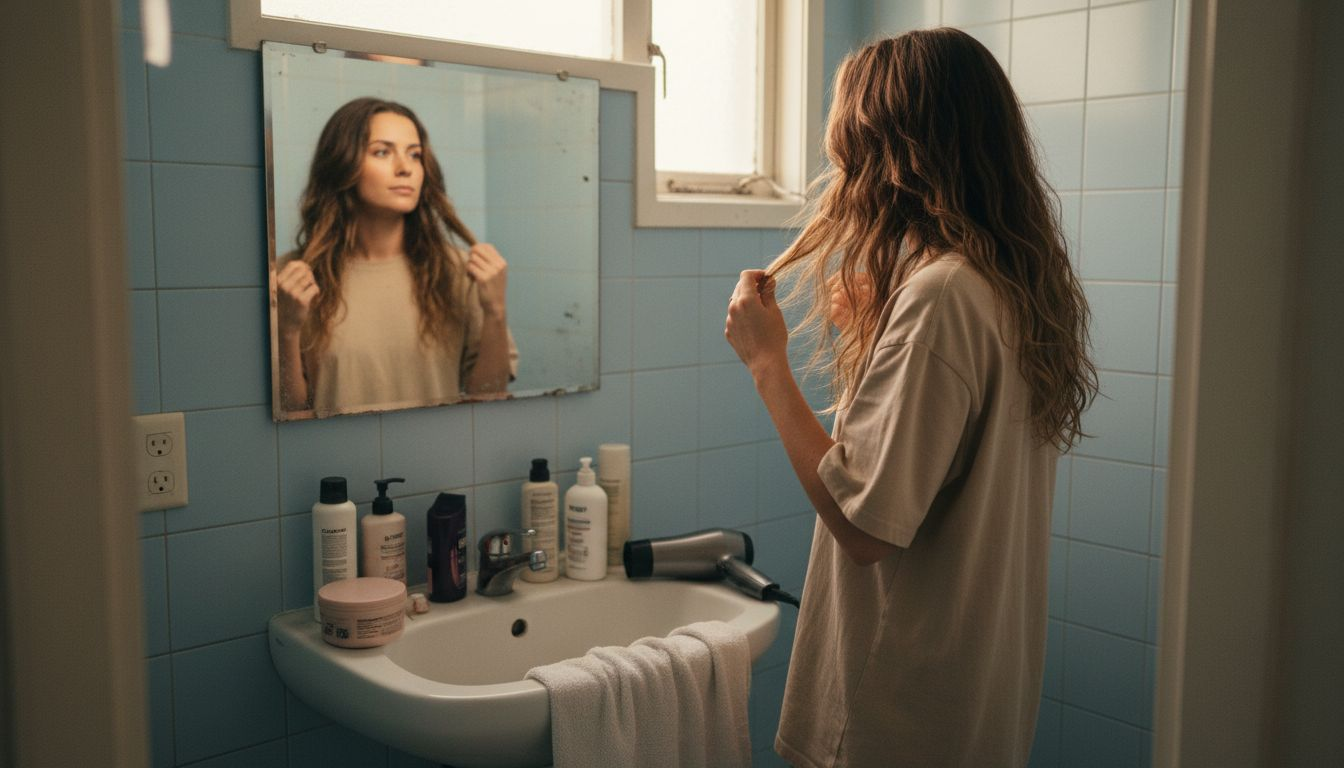
Start by conducting a comprehensive personal hair audit. Examine your hair in good lighting, looking closely at its current state. Check for signs of damage like split ends, breakage, or thinning. Gently run your fingers through your hair to assess its elasticity and strength.
Blood tests and professional scalp analysis can provide deeper insights into potential growth barriers. Diagnostic tests can reveal nutritional deficiencies, hormonal imbalances, or underlying health conditions affecting hair growth.
Here’s a summary of diagnostic methods for understanding hair health:
| Assessment Method | What It Checks | Ideal For |
|---|---|---|
| Visual Inspection | Hair texture, damage, density | Quick baseline evaluation |
| Blood Tests | Nutrient levels, hormones | Identifying growth barriers |
| Scalp Analysis | Skin condition, follicles | Detecting medical scalp issues |
| Progress Photos | Visual changes over time | Tracking monthly improvements |
A thorough hair assessment is your first step toward transformative, sustainable hair growth.
Pro tip: Take clear, well-lit photos of your hair from multiple angles to track your progress and maintain a visual baseline for your hair growth journey.
Step 2: Establish a gentle cleansing routine
A thoughtful hair cleansing routine is your foundation for promoting healthy, longer hair growth. The right approach can transform your hair’s health and set the stage for remarkable results.
Scalp hygiene practices are critical for maintaining hair vitality. Different hair types require customized washing strategies:
- Oily hair: May need more frequent washing
- Dry or curly hair: Requires less frequent cleansing
- Sensitive scalp: Demands mild, specialized products
- Damaged hair: Needs extra moisture and gentle handling
When selecting a shampoo, focus on your specific hair needs. Dermatologist recommendations suggest applying shampoo directly to the scalp, not the hair length. This technique helps control oil production and prevents unnecessary dryness.
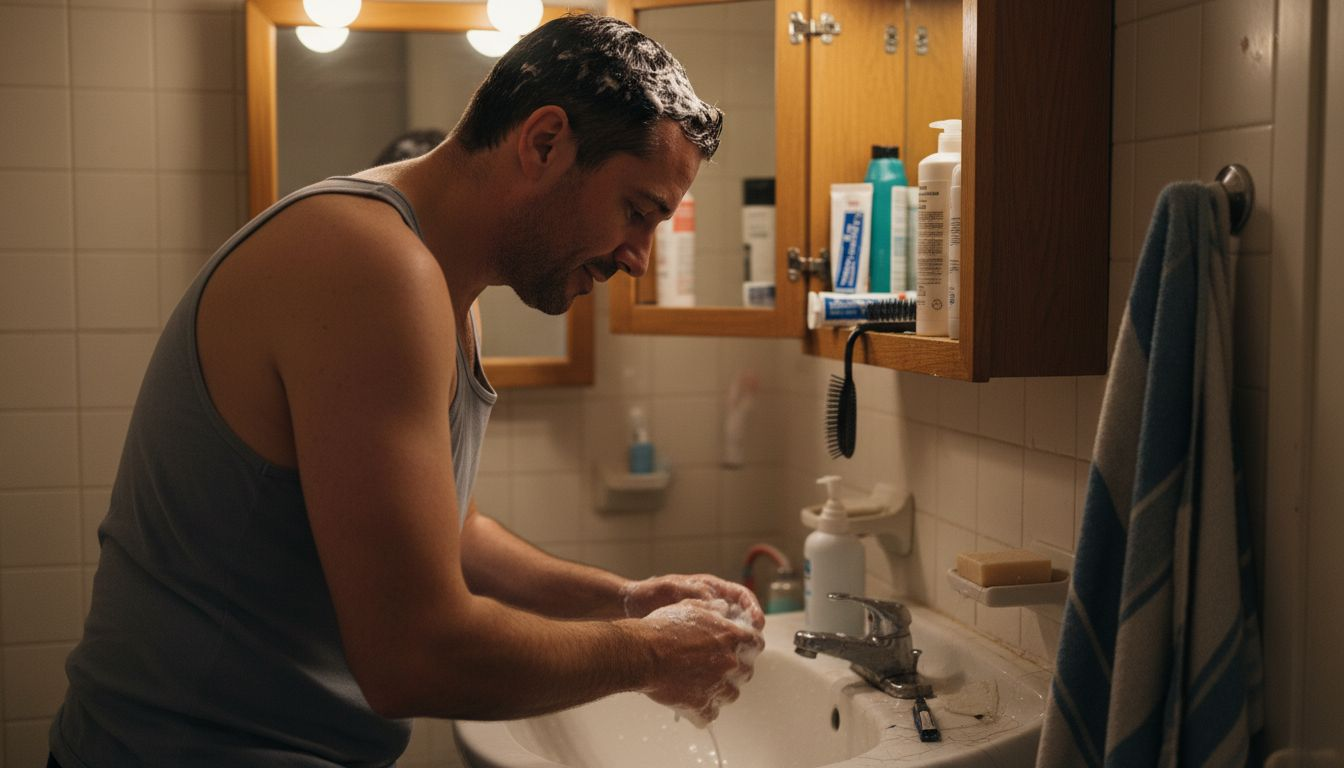
Compare hair cleansing strategies by hair type:
| Hair Type | Recommended Frequency | Key Consideration |
|---|---|---|
| Oily | 3-5 times per week | Control excess oil |
| Dry or Curly | 1-2 times per week | Avoid over-washing |
| Sensitive Scalp | 2-3 times per week | Use hypoallergenic shampoo |
| Damaged | 1-2 times per week | Focus on gentle products |
Gentle cleansing is about understanding your unique hair’s language and responding with care.
Pro tip: Use lukewarm water when washing your hair, as hot water can strip natural oils and damage hair follicles.
Step 3: Incorporate nourishing treatments
Nourishing treatments are your secret weapon for transforming hair health and promoting sustainable growth. By strategically addressing nutritional needs, you can unlock your hair’s full potential and create a foundation for longer, stronger locks.
Nutritional strategies play a critical role in hair development. Key nutrients essential for robust hair growth include:
- Biotin: Supports keratin infrastructure
- Vitamin D: Stimulates hair follicle function
- Iron: Prevents potential hair loss
- Zinc: Enhances cellular repair and growth
Carefully selected supplements can bridge dietary gaps, but professional guidance is crucial. Hair nutrition research demonstrates that comprehensive dietary approaches yield the most significant results. Consider consulting a nutritionist to develop a personalized plan targeting your specific hair health needs.
Nourishing your hair from the inside out is a transformative approach to sustainable growth.
Pro tip: Rotate different nutrient sources to prevent potential supplement fatigue and ensure balanced nutrition.
Step 4: Adopt protective styling habits
Protective styling is your strategic defense against hair damage and a powerful technique for maintaining length and health. By minimizing stress on your hair, you create an environment that supports natural growth and prevents unnecessary breakage.
Styling techniques can dramatically impact hair preservation. Key protective strategies include:
- Low tension styles: Reduce stress on hair follicles
- Loose braids: Minimize potential for traction damage
- Silk or satin accessories: Prevent friction and breakage
- Alternate hairstyles: Distribute styling pressure evenly
Understanding the nuances of protective hairstyling is crucial. While styles like braids and twists can protect hair, improper application can lead to traction alopecia. The key is balance – creating styles that shield your hair without causing additional stress.
Protective styling is an art form that balances aesthetic expression with hair health.
Pro tip: Always use a silk or satin pillowcase to reduce friction and protect your hairstyle while you sleep.
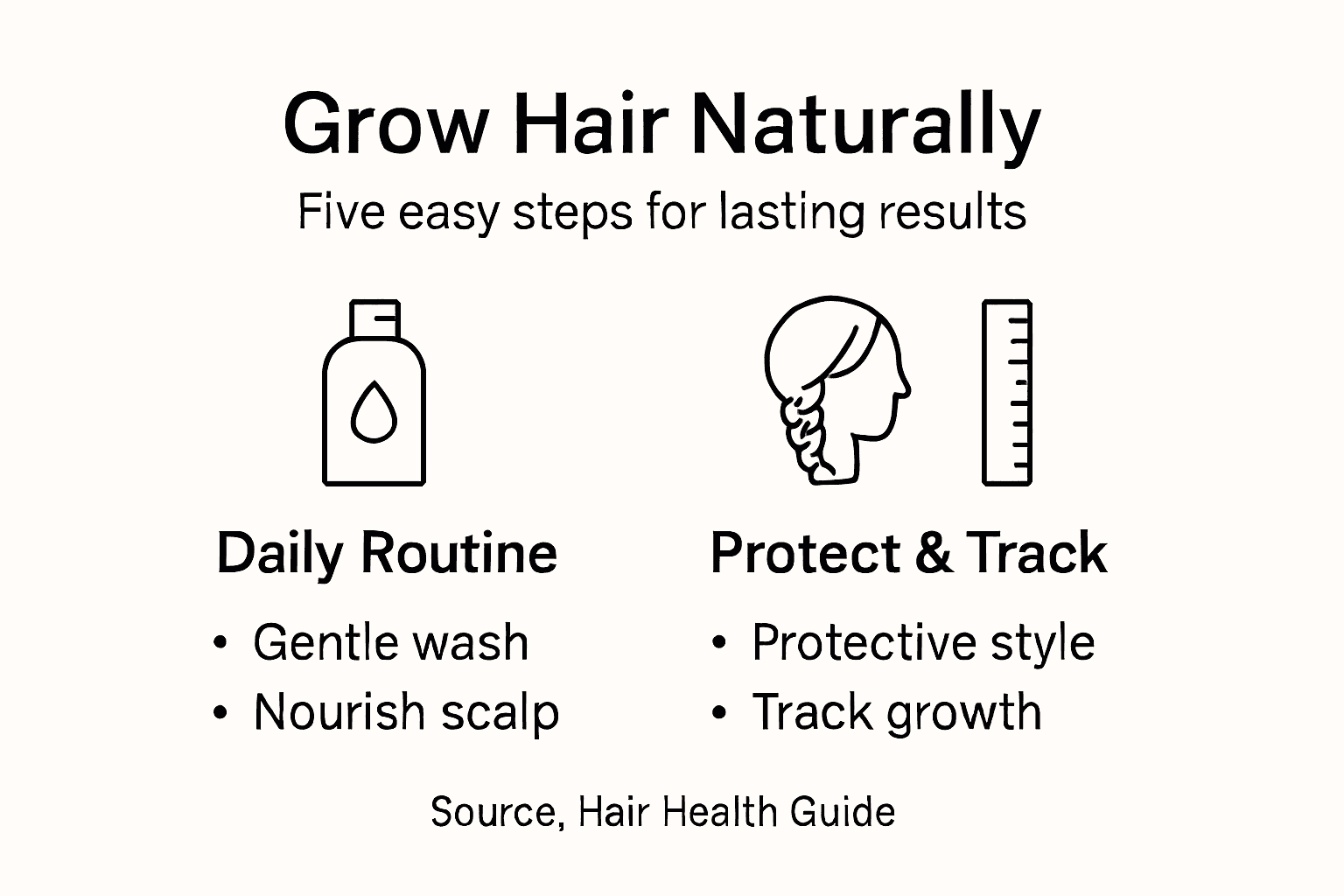
Step 5: Monitor progress and adjust care
Tracking your hair growth journey requires patience, attention, and strategic observation. By establishing a systematic approach to monitoring your hair’s transformation, you’ll gain invaluable insights into what works best for your unique hair type.
Hair health monitoring involves carefully tracking several key indicators:
- Length measurements: Document monthly growth
- Texture changes: Note improvements in hair quality
- Shedding patterns: Track reduction in hair loss
- Scalp condition: Evaluate overall hair health
Understanding that hair growth varies is crucial. Most people experience approximately 4 to 6 inches of growth annually, but individual results can differ significantly based on genetics, nutrition, and care routines. Regular reassessment allows you to fine-tune your approach and maximize your hair’s potential.
Consistent monitoring transforms hair care from a guessing game to a precise, personalized science.
Pro tip: Take monthly progress photos in consistent lighting and from the same angle to objectively track your hair growth journey.
Unlock Your Hair’s Natural Potential with Expert Care
If you have been assessing your hair condition and embracing gentle cleansing routines but still face challenges in achieving lasting hair growth, you are not alone. The struggle with maintaining scalp health, nourishing your hair with essential nutrients, and adopting protective styling habits can feel overwhelming without professional guidance. At Joel C Ma Hair Studio, we understand these specific pain points and tailor our services to support your unique hair journey with artistry and expertise.

Discover how our skilled hair artists can help you optimize every step from scalp health to styling techniques in a luxury environment. Visit Joel C Ma Hair Studio today to book a personalized consultation. Embrace the path to longer, stronger, and healthier hair with a team dedicated to crafting your perfect look every step of the way.
Frequently Asked Questions
How can I assess my current hair condition for growth?
Assess your hair condition by examining its quantity, quality, and scalp health. Start with a visual inspection in good lighting, checking for damage and elasticity. Document your findings to create a personalized growth plan.
What cleansing routine should I follow to promote natural hair growth?
Establish a gentle cleansing routine by washing your hair according to your hair type. For instance, if you have oily hair, wash it 3-5 times a week; if your hair is dry or curly, aim for 1-2 times per week. Use mild, specialized products to maintain hair health.
What nourishing treatments can I incorporate for better hair growth?
Incorporate nourishing treatments by focusing on key nutrients like Biotin, Vitamin D, Iron, and Zinc. Consider taking supplements or enhancing your diet with foods rich in these vitamins and minerals. A well-balanced diet can significantly improve hair health within a few months.
What are effective protective styling habits for longer hair?
Adopt protective styling habits by using low tension styles and loose braids to minimize hair stress. Use silk or satin accessories to prevent friction and breakage. Regularly alternate styles to distribute pressure and maintain your hair’s health.
How should I monitor my progress in growing hair longer?
Monitor your progress by tracking length measurements, texture changes, shedding patterns, and scalp condition. Take monthly photos and make notes on improvements to create a clear picture of your hair growth journey. Doing this consistently will help you adjust your care routine effectively.
Recommended
- Expert Tips for Growing Out Hair Men: Achieve Length Naturally – Joel C Ma Hair Studio
- Expert Tips for Growing Hair Longer Naturally – Joel C Ma Hair Studio
- Expert Tips for Growing Hair Longer Naturally – Joel C Ma Hair Studio
- Expert Tips for Growing Out Hair Men: Achieve Length Naturally – Joel C Ma Hair Studio
- Natural Products for Hair Growth and Thickness: A Complete Guide | MyHair