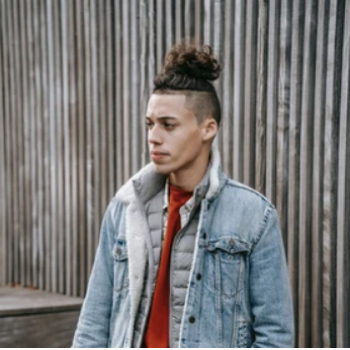

Role of a Hair Artist: Elevating Personal Expression
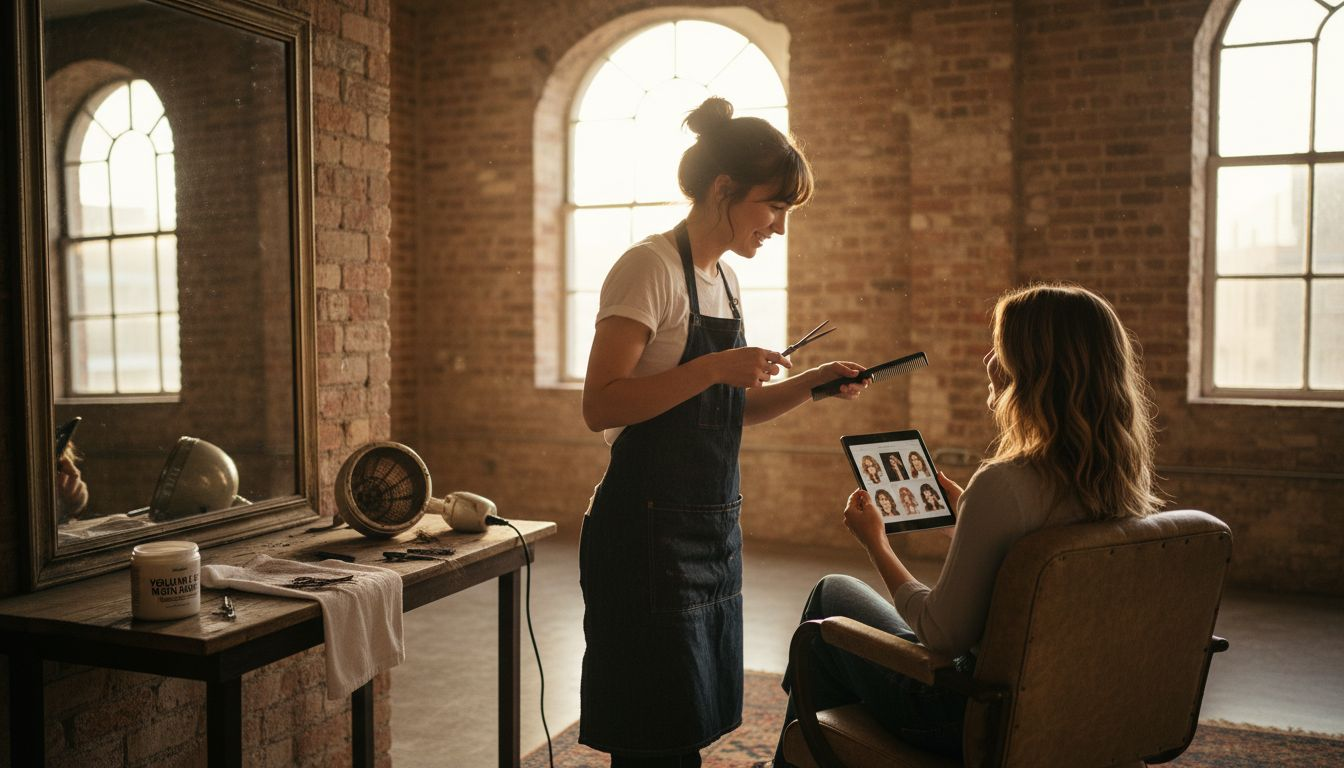
Most American women seeking an elevated look crave hairstyles that reflect true individuality rather than routine salon trends. In La Jolla, the demand for luxury hair artistry is rising fast, with over 60 percent of clients now requesting customized consultations that bridge fashion and personal storytelling. Modern hair artists offer more than just technique—they create a transformative beauty experience tailored to your artistic vision, guiding you toward styles that feel authentically yours.
Table of Contents
- Defining the Role of a Hair Artist
- Artistic Skills and Creative Techniques Used
- Types of Services Provided in Salons
- Qualifications, Training, and Licensing Needed
- Client Consultation and Personalization Process
- Safety, Hygiene, and Professional Standards
Key Takeaways
| Point | Details |
|---|---|
| Role of Hair Artists | Hair artists view hair as a canvas for personal storytelling, blending technical skill with creative expression to reflect individual identity. |
| Services Offered | Luxury salons provide diverse services beyond haircuts, including advanced coloring, restorative treatments, and complementary beauty services, for a holistic personal care experience. |
| Qualifications Required | Becoming a hair artist necessitates extensive training through vocational programs and continual professional development to stay updated with industry advancements. |
| Client Consultation Importance | Effective consultations are crucial for understanding client needs, ensuring personalized styling that aligns with individual aesthetics and lifestyle preferences. |
Defining the Role of a Hair Artist
A hair artist transcends traditional hairstyling, transforming hair into a powerful medium of personal storytelling and artistic expression. Unlike conventional hairdressers, these professionals view each client’s hair as a unique canvas, using cutting, coloring, and styling techniques to communicate individual identity and emotion.
Historically, hair has served as a profound social symbol, conveying individual and group identity across diverse cultures. Hair artists integrate aesthetic, symbolic, and instrumental purposes into their craft, recognizing that hairstyling is not merely about appearance but about creating meaningful visual narratives. They understand that a haircut or color can represent personal transformation, cultural heritage, or a statement of individual autonomy.
The role of a hair artist involves deep technical skill combined with intuitive creativity. They must understand hair texture, facial structures, personal style preferences, and emerging fashion trends. Their expertise goes beyond mechanical cutting or coloring – they are visual storytellers who collaborate closely with clients to design looks that authentically reflect inner personality and external aesthetic goals.
Pro tip: Before your next hair appointment, collect visual references that capture your desired mood and style to help your hair artist understand your personal vision more precisely.
Artistic Skills and Creative Techniques Used
Hair artists masterfully employ creative hair sculpting techniques that transform hair into a dynamic medium of artistic expression. Their skills go beyond traditional cutting and styling, incorporating innovative approaches that treat hair as a sculptural canvas for personal storytelling.
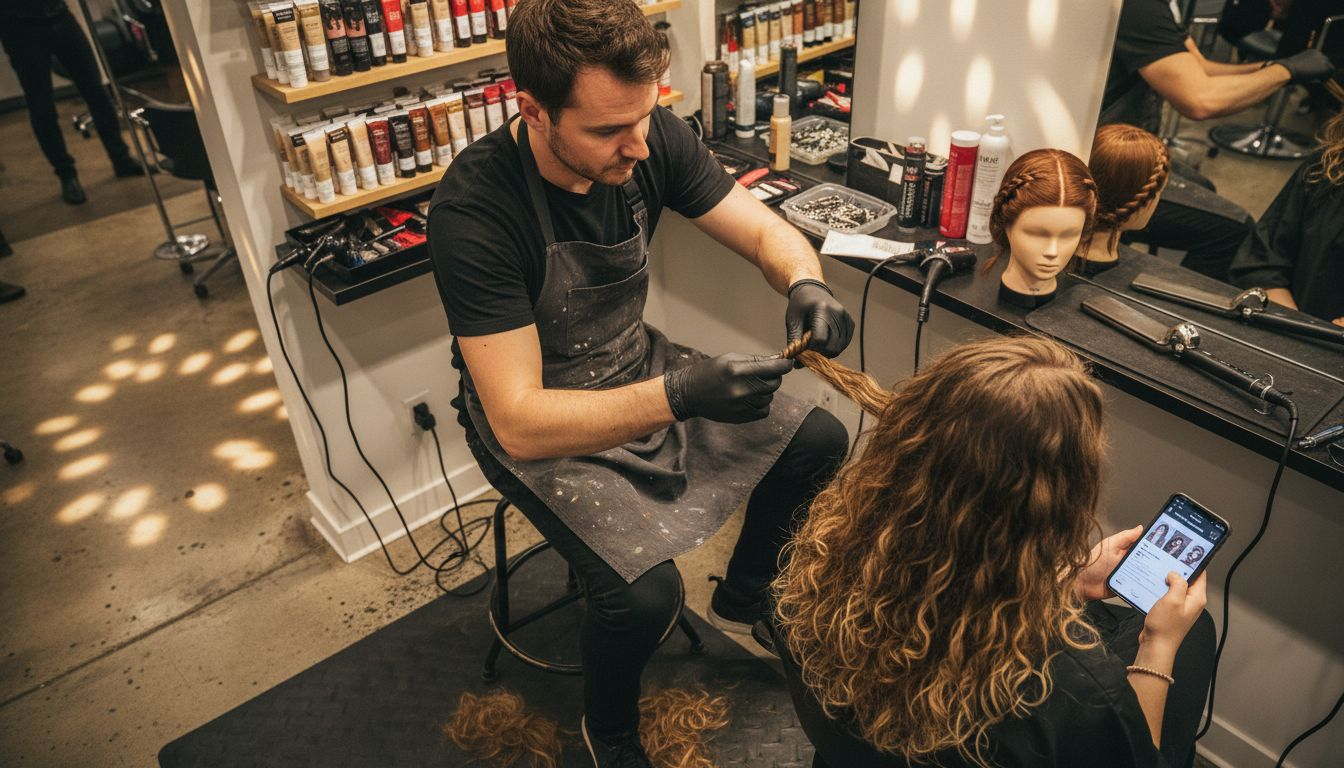
The core of their artistic repertoire includes advanced techniques like structural cutting, thermal molding, precise product application, and intricate braiding. These methods allow hair artists to craft highly personalized styles that emphasize texture, shape, and individual character. By understanding how different cutting angles, product compositions, and styling approaches interact, they create looks that are simultaneously technical and deeply creative.
Professional hair artists continuously evolve their skills, integrating emerging trends with timeless techniques. They develop a nuanced understanding of hair’s natural movement, texture variations, and how different styling methods can enhance or redefine a client’s facial features. This requires not just technical training, but an intuitive artistic sensibility that sees each head of hair as a unique opportunity for creative transformation.
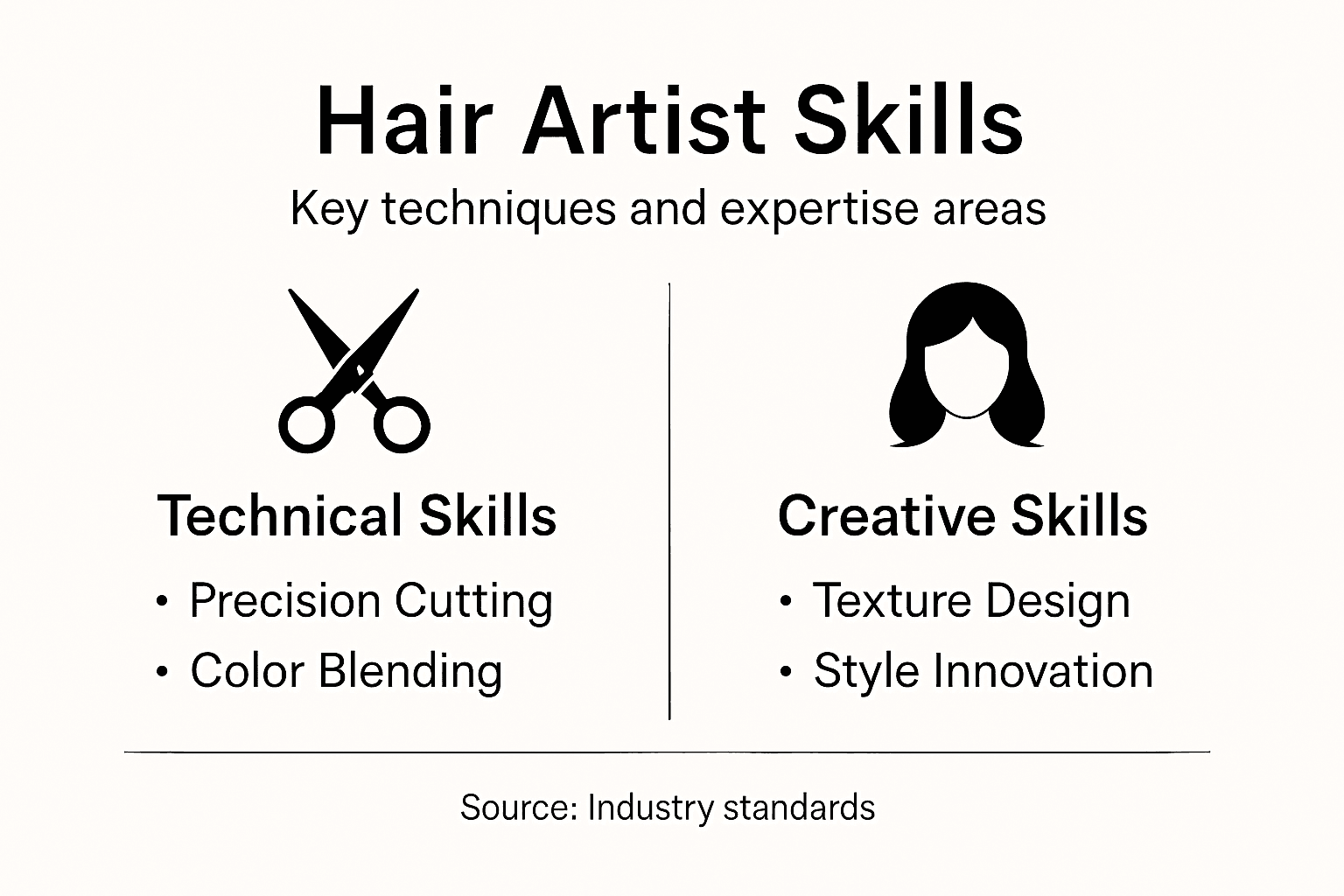
Pro tip: Request a consultation that explores your hair’s natural texture and growth patterns to help your hair artist design a style that works harmoniously with your individual hair characteristics.
Types of Services Provided in Salons
Luxury hair salons offer a comprehensive range of professional beauty and grooming services that extend far beyond traditional haircuts. These services are designed to provide holistic personal care, addressing not just hair styling but overall aesthetic enhancement and personal wellness.
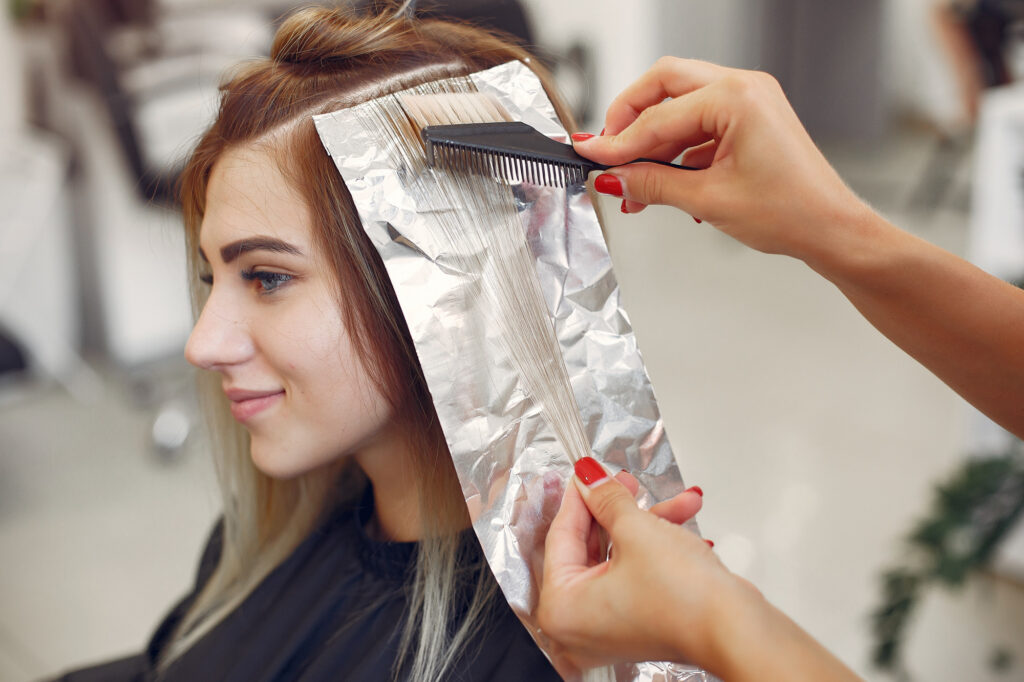
The core services typically include precision haircuts for all genders and ages, advanced coloring techniques like balayage and highlights, specialized hair treatments for health and restoration, and transformative styling options. Additional offerings often encompass complementary beauty services such as skincare treatments, facial services, makeup applications, and nail care, creating a comprehensive wellness experience for clients seeking total personal transformation.
Modern salons distinguish themselves through personalized service approaches that go beyond standard treatments. They integrate advanced technological equipment, specialized product lines, and customized consultation processes to ensure each client receives a unique, tailored experience. This might include detailed hair and scalp analysis, personalized product recommendations, and styling strategies that consider individual hair texture, facial structure, and personal aesthetic preferences.
Here’s a summary of specialized salon services and their unique benefits:
| Service Type | Unique Benefit | Typical Duration | Who Benefits Most |
|---|---|---|---|
| Precision Haircut | Tailored to face shape | 30-60 minutes | All hair types |
| Advanced Coloring | Personalized color effects | 90-180 minutes | Those seeking a new look |
| Restorative Treatments | Improves hair health | 30-90 minutes | Damaged or dry hair clients |
| Skincare & Makeup | Enhances overall appearance | 30-60 minutes | Special occasion clients |
| Nail Care | Boosts confidence | 30-90 minutes | Anyone wanting neat nails |
Pro tip: Schedule a comprehensive consultation before major hair services to discuss your lifestyle, maintenance preferences, and desired aesthetic outcomes, ensuring your stylist can design a truly personalized approach.
Qualifications, Training, and Licensing Needed
Becoming a professional hair artist requires comprehensive professional training and vocational qualifications that go far beyond basic styling techniques. These educational pathways blend theoretical knowledge with practical skill development, ensuring practitioners can deliver high-quality, professional services.
Typically, aspiring hair artists pursue multi-tiered educational routes including vocational diplomas, apprenticeship programs, and specialized certification courses. These programs cover essential skills such as hair cutting, coloring techniques, chemical treatments, hair and scalp health, client consultation, and professional communication. Many jurisdictions require practitioners to complete state-approved cosmetology programs, which often involve 1,000-2,000 hours of supervised training and comprehensive examinations testing both technical skills and theoretical understanding.
Continual professional development is critical in this dynamic field. Successful hair artists regularly participate in advanced training workshops, attend industry conferences, and pursue specialized certifications in emerging techniques like advanced color theory, precision cutting methods, and innovative styling approaches. This commitment to ongoing learning ensures practitioners remain current with evolving trends, technological advancements, and client expectations in the rapidly changing beauty industry.
Pro tip: Research your state’s specific licensing requirements and choose an accredited cosmetology program that offers comprehensive hands-on training and strong industry connections.
Client Consultation and Personalization Process
The art of client consultation in hairdressing represents a critical foundation for creating personalized hair transformations. This intricate process goes far beyond simple small talk, serving as a strategic dialogue that uncovers each client’s unique style vision, lifestyle requirements, and personal aesthetic goals.
A comprehensive consultation typically involves multiple layers of communication and assessment. Hair artists carefully evaluate hair texture, scalp condition, face shape, personal style preferences, and maintenance capabilities. They ask strategic questions about daily hair routines, styling challenges, professional environments, and personal image objectives. This detailed exploration allows them to design a customized approach that harmonizes technical expertise with individual client expectations, ensuring both technical precision and personal satisfaction.
Successful consultations require advanced communication skills that blend technical knowledge with empathetic listening. Hair artists must translate complex technical possibilities into accessible language, helping clients understand potential outcomes, maintenance requirements, and style recommendations. They use visual tools like hair color swatches, texture samples, and digital imaging to help clients visualize potential transformations, building trust and transparency throughout the creative process.
This table outlines key steps in the hair artist client consultation process:
| Consultation Step | Purpose | Client Outcome |
|---|---|---|
| Visual Assessment | Evaluate hair, scalp, and face | Identify styling possibilities |
| Lifestyle Discussion | Understand daily routines | Suggest practical options |
| Style Exploration | Review images and goals | Define personal vision |
| Product Preview | Introduce care/styling products | Educate on hair maintenance |
Pro tip: Bring reference images and be prepared to discuss your lifestyle, styling preferences, and maintenance comfort level to help your hair artist create the most personalized styling experience.
Safety, Hygiene, and Professional Standards
Professional hair salons adhere to rigorous health and safety procedures that protect both clients and practitioners. These comprehensive protocols encompass everything from equipment sterilization to chemical handling, ensuring a safe and healthy environment for every interaction.
Key safety standards involve multiple critical components. This includes maintaining meticulously clean workstations, using disposable or properly sterilized tools, implementing strict chemical management protocols, and ensuring proper ventilation. Hair artists must be trained in allergen identification, patch testing for chemical treatments, understanding potential skin reactions, and maintaining precise records of client sensitivities and product interactions.
Beyond physical safety, professional standards also encompass ethical practices and client protection. This includes informed consent processes for chemical treatments, transparent communication about potential risks, maintaining client confidentiality, and developing personalized safety approaches that consider individual health conditions. Modern hair artists are not just stylists but also health-conscious professionals who prioritize client well-being alongside aesthetic transformation.
Pro tip: Always request documentation of your hair artist’s current certifications and ask about their specific safety protocols before undergoing any chemical or invasive hair treatment.
Elevate Your Personal Expression with Expert Hair Artistry at Joel C Ma Hair Studio
The journey to discovering a hairstyle that truly reflects your individuality starts with understanding your unique hair texture, face shape, and lifestyle needs. This article highlights how a hair artist transforms hairstyling into a form of personal storytelling through advanced techniques and tailored consultations. If you seek to express your identity through a hairstyle that blends creativity with professional precision, Joel C Ma Hair Studio in La Jolla offers exactly that experience. Our expert team brings over 25 years of artistry and mastery to every haircut and color treatment, including innovative balayage and personalized color applications.
Ready to experience a personalized consultation that listens to your vision and crafts a style aligned with your personal expression? Visit Joel C Ma Hair Studio today and explore how our talented hair artists can transform your look into a vibrant statement. Learn more about our artistic approach and client-focused services in our Uncategorized Archives and start your journey toward a hairstyle that is uniquely you. Don’t wait to reveal your best self—schedule your appointment now at Joel C Ma Hair Studio for a luxurious and transformative hair experience.
Frequently Asked Questions
What is the role of a hair artist?
A hair artist transforms hair into a medium of personal storytelling and artistic expression, using techniques such as cutting and coloring to reflect individual identity.
How do hair artists create personalized styles for clients?
Hair artists assess hair texture, face shape, and personal style preferences during consultations to design looks that align with clients’ desired aesthetics and lifestyles.
What kind of training do hair artists undergo?
Hair artists typically complete vocational diplomas, apprenticeship programs, and specialized certification courses, totaling 1,000-2,000 hours of training in various hairstyling techniques.
What services can I expect from a luxury hair salon?
Luxury hair salons offer a range of services including precision haircuts, advanced coloring techniques, restorative treatments, and complementary beauty services like skincare and makeup.