
Roles in a Hair Studio: Elevating the Client Experience
Most luxury hair studios in American cities like La Jolla depend on a core team of experts whose precision and artistry deliver truly elevated experiences. For affluent women searching for impeccable style and advanced coloring, every detail matters. Behind every flawless look are skilled professionals working seamlessly, each role designed to ensure comfort, innovation, and personalized attention. Discover how top studios achieve uncompromising quality, and learn what sets the industry’s elite apart from the typical salon.
Table of Contents
- Hair Studio Roles And Core Functions
- Key Responsibilities Of Hair Stylists
- Specialty Experts: Colorists And Technicians
- Salon Assistants And Client Support
- Management, Leadership, And Safety Standards
Key Takeaways
| Point | Details |
|---|---|
| Collaboration is Key | Hair studios depend on a well-coordinated team consisting of stylists, assistants, and management for exceptional client experiences. |
| Stylists Go Beyond Haircuts | Professional hair stylists engage in comprehensive consultations and continuous education to offer tailored transformations. |
| Role of Salon Assistants | Salon assistants ensure smooth operations and maintain high standards, enabling stylists to focus on creativity and client interactions. |
| Leadership and Safety | Effective salon management blends artistic vision with operational excellence, prioritizing safety and team development to enhance service quality. |
Hair Studio Roles and Core Functions
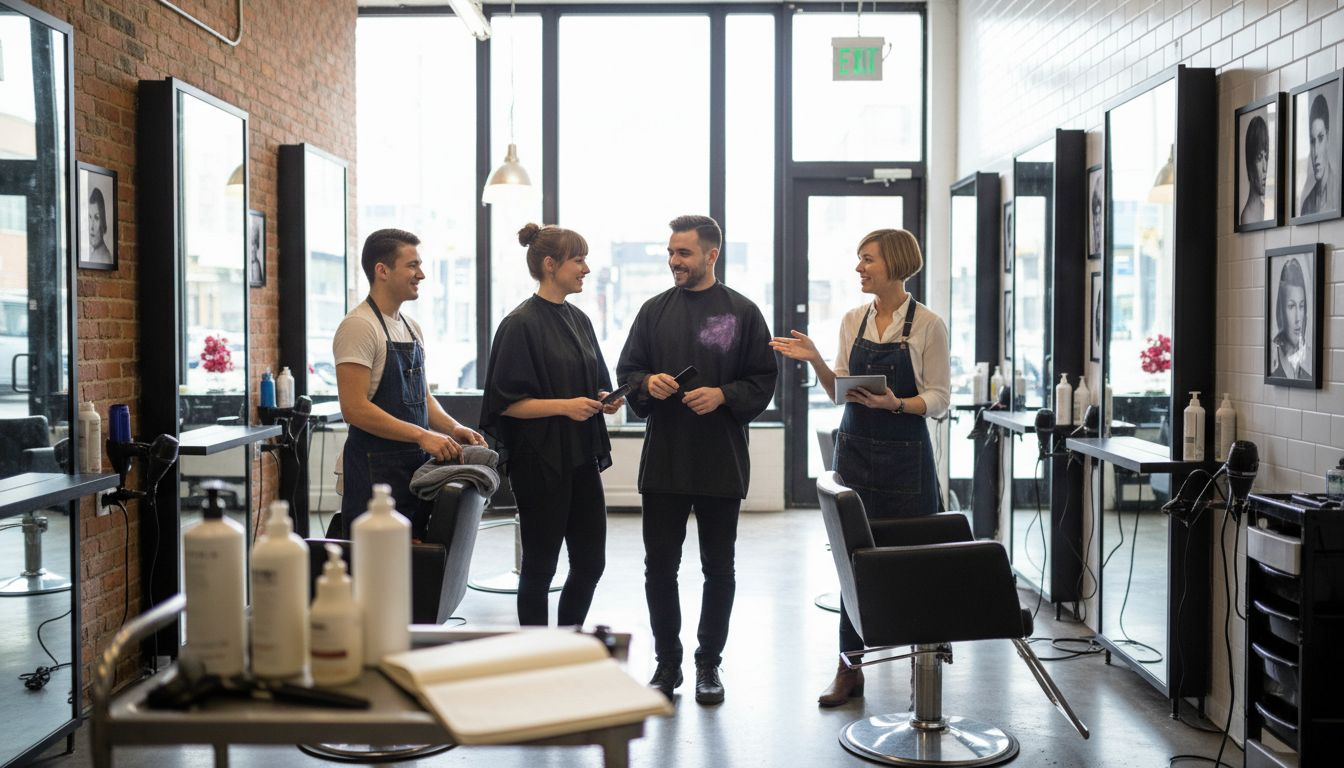
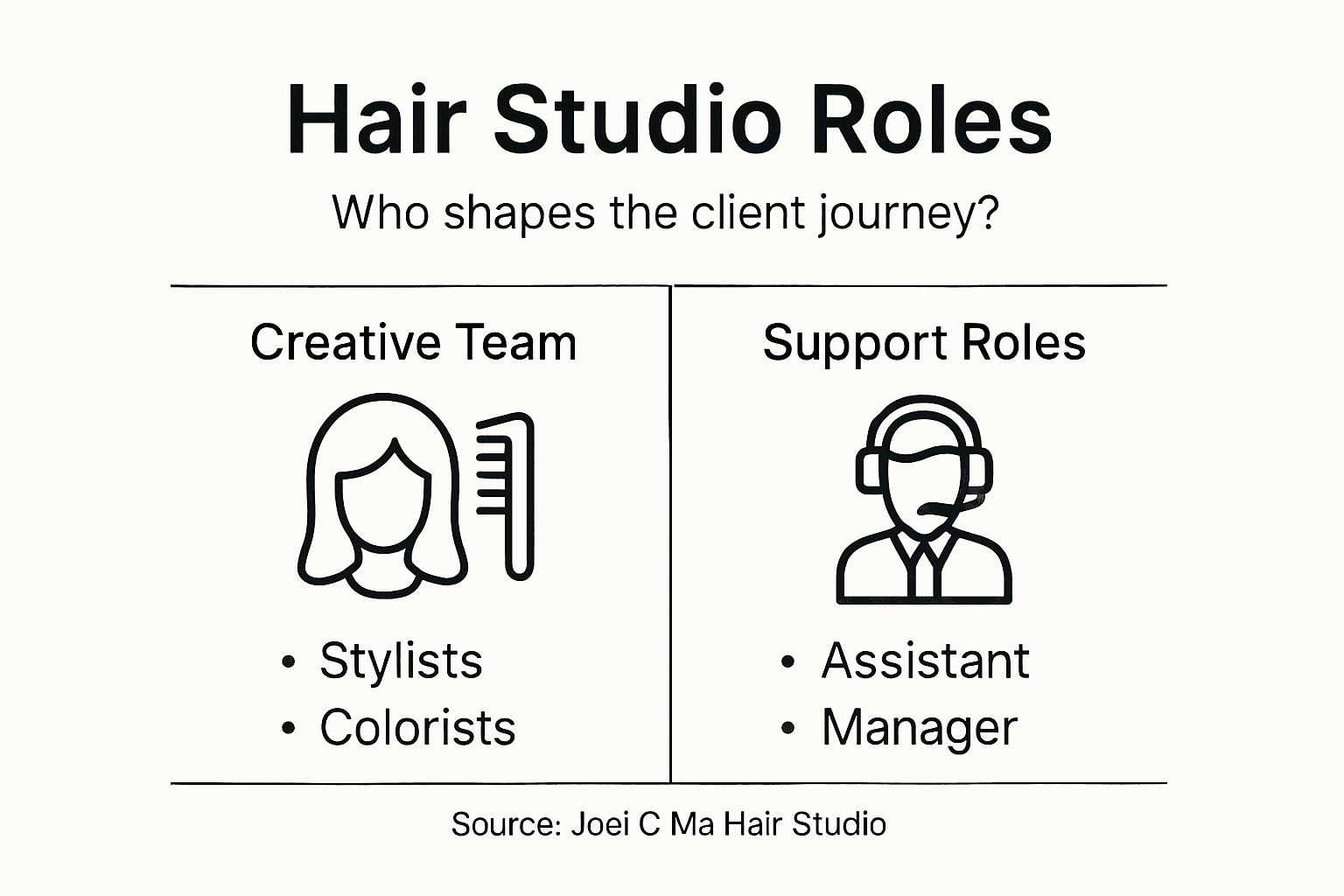
Every exceptional hair studio operates through a carefully choreographed collaboration of specialized professionals, each playing a strategic role in delivering an outstanding client experience. From artistic stylists to meticulous support staff, these roles interconnect to transform hair styling into a sophisticated art form.
At the core of a professional hair studio, key roles emerge that ensure comprehensive client service. Salon assistant responsibilities include critical operational tasks like client reception, salon maintenance, and supporting primary stylists. These professionals create the foundational infrastructure that allows creative hair professionals to focus entirely on their craft. Their behind-the-scenes work encompasses everything from greeting clients with warmth to maintaining immaculate workspaces and managing essential supplies.
The artistic team represents the creative heartbeat of the studio. Roles like senior stylists, color specialists, and artistic directors bring unique expertise to hair transformations. Senior stylists typically handle complex technical services and mentor junior team members, while color specialists execute intricate color techniques tailored to individual client preferences. Artistic directors oversee the studio’s creative vision, ensuring consistent quality and innovative styling approaches that reflect current fashion trends.
Here’s a summary of key studio roles and their unique contributions:
| Studio Role | Main Contribution | Unique Value to Client Experience |
|---|---|---|
| Senior Stylist | Leads complex styling and mentoring | Delivers advanced techniques, ensures quality |
| Color Specialist | Executes intricate coloring techniques | Creates personalized color, stays on trend |
| Salon Assistant | Supports operations and hygiene | Ensures comfort and seamless appointments |
| Artistic Director | Oversees creative vision | Maintains innovation and style consistency |
Pro tip: When selecting a hair studio, observe how seamlessly team members interact and support one another, as this often indicates the quality of service you can expect.
Key Responsibilities of Hair Stylists
Hair stylists are artistic professionals who transform client appearances through sophisticated technical skills and personalized creative vision. Their role extends far beyond simple haircuts, encompassing a complex range of responsibilities that blend technical expertise, artistic creativity, and exceptional customer service.
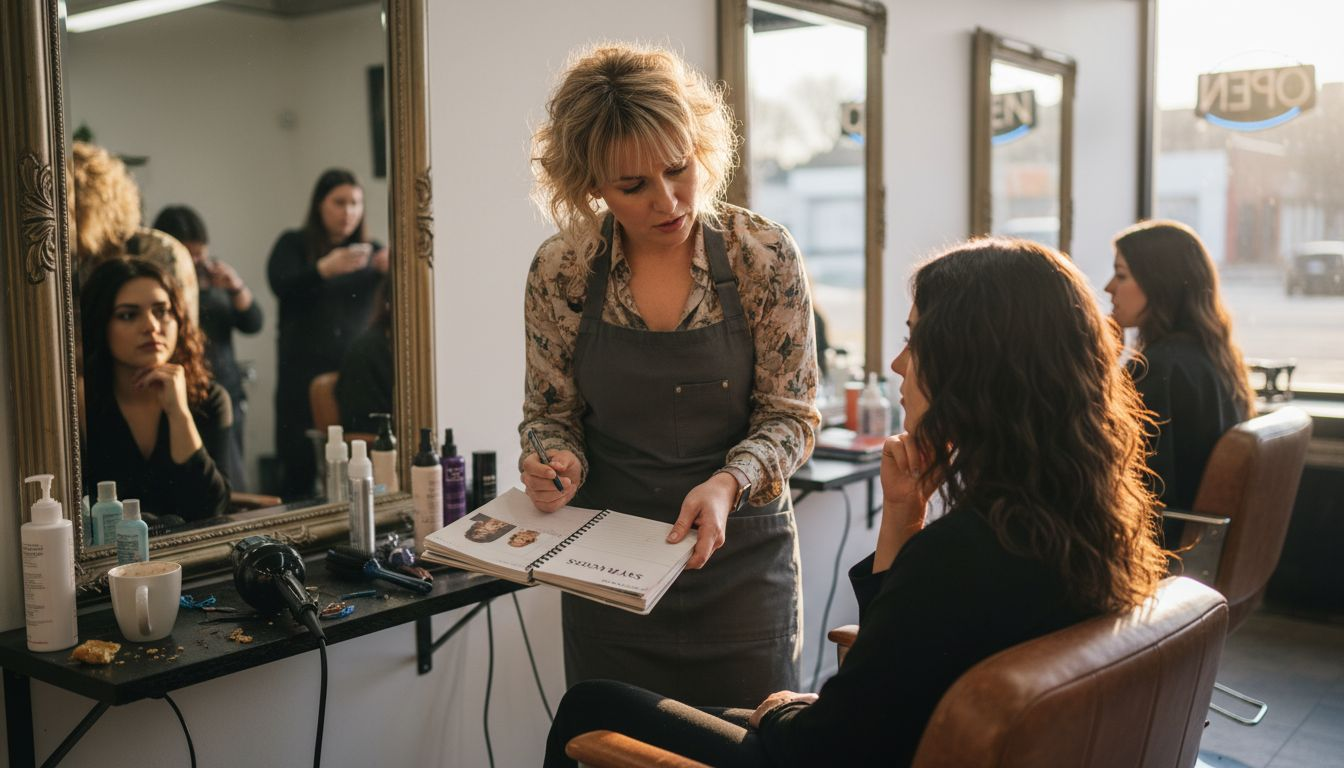
The core responsibilities of hair stylists include comprehensive client consultation techniques that help translate individual style preferences into stunning hair transformations. Stylists must carefully listen to client desires, assess hair texture and condition, and recommend tailored styling solutions that complement each person’s unique features. This process requires deep knowledge of hair types, current fashion trends, and advanced technical skills in cutting, coloring, and styling techniques.
Beyond the artistic elements, professional hair stylists manage critical operational aspects of their service. This includes maintaining precise appointment schedules, recommending and selling professional hair care products, and ensuring salon hygiene and equipment standards. Successful stylists continuously update their skills through ongoing education, attending workshops, and studying emerging hair design trends to provide clients with contemporary and innovative styling options.
Pro tip: Always schedule a thorough consultation before any major hair service to ensure your stylist fully understands your aesthetic goals and hair care needs.
Specialty Experts: Colorists and Technicians
Hair colorists represent the pinnacle of artistic and technical expertise in modern hair design, combining advanced scientific knowledge with creative vision to transform client appearances. These specialized professionals go beyond traditional styling, utilizing intricate techniques and deep understanding of color chemistry to create personalized hair color experiences that enhance individual beauty and style.
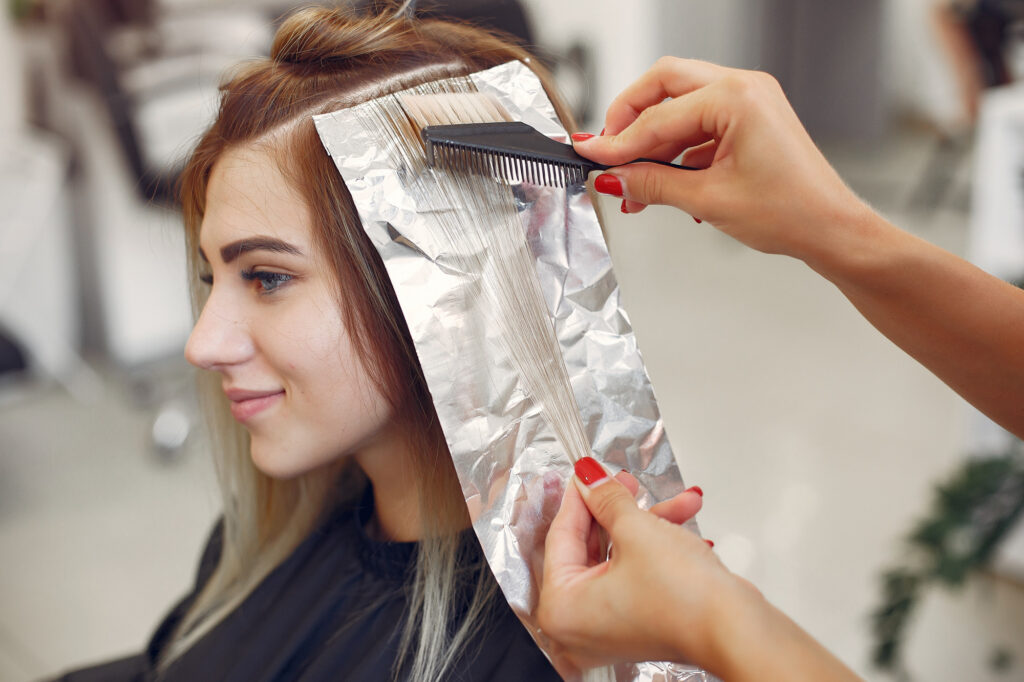
Color specialists develop their craft through advanced color theory techniques that require precision, creativity, and comprehensive technical understanding. They meticulously assess each client’s unique hair texture, skin tone, and personal aesthetic to design custom color formulations that achieve natural-looking, vibrant results. Their expertise encompasses complex coloring methods like balayage, ombré, highlights, and corrective color treatments that demand exceptional skill and artistic intuition.
Beyond technical proficiency, hair colorists serve as trusted consultants who guide clients through sophisticated color transformation processes. They must stay current with emerging trends, understand hair health principles, and recommend personalized maintenance strategies that preserve color integrity and hair condition. This holistic approach requires continuous education, advanced product knowledge, and the ability to translate client aspirations into stunning, wearable hair designs that reflect individual personality and style.
See how colorists differ from general stylists in their core skills and focus:
| Aspect | General Stylist | Hair Colorist |
|---|---|---|
| Primary Focus | Cutting & styling | Advanced color transformations |
| Key Knowledge | Hair types, trends | Color theory, chemistry |
| Client Role | Style consultant | Color consultant & advisor |
| Advanced Skills | Latest cuts, blowouts | Balayage, corrective color, ombré |
Pro tip: Always request a thorough consultation and patch test before any significant color service to ensure optimal results and minimize potential allergic reactions.
Salon Assistants and Client Support
Salon assistants represent the critical operational backbone of a professional hair studio, providing essential support that ensures seamless client experiences and maintains the highest standards of service excellence. Their multifaceted role bridges the gap between technical expertise and exceptional customer care, making them integral to the salon’s overall performance and client satisfaction.
These professionals excel in comprehensive salon support tasks that range from administrative coordination to direct client assistance. Their responsibilities include greeting clients with warmth, preparing treatment stations, managing appointment schedules, processing payments, and providing preliminary hair care services like shampooing and blow-drying. By handling these foundational tasks, salon assistants enable senior stylists to focus entirely on delivering sophisticated hair transformations and personalized consultations.
Beyond operational support, salon assistants play a crucial role in creating a welcoming, professional environment. They maintain meticulous salon hygiene, ensure equipment and product readiness, and often serve as the first point of contact for clients. Their interpersonal skills, attention to detail, and ability to anticipate client and stylist needs make them essential contributors to the salon’s reputation and client retention. Many successful hair professionals begin their careers as salon assistants, using this role as a comprehensive training ground to develop technical skills and professional insights.
Pro tip: Treat salon assistants with respect and appreciation, as they are the unsung heroes who help create your exceptional salon experience.
Management, Leadership, and Safety Standards
Professional hair studios demand exceptional leadership that balances artistic vision with rigorous operational management. Salon leaders must orchestrate a complex ecosystem where creativity, technical expertise, and client satisfaction converge, requiring a strategic approach that extends far beyond traditional management techniques.
Salon management encompasses comprehensive responsibilities, including strategic salon leadership practices that integrate team development, financial planning, and service excellence. Effective leaders cultivate a collaborative environment, resolve interpersonal dynamics, implement performance standards, and create professional development pathways for their team. They must simultaneously manage business metrics, marketing strategies, and maintain the salon’s artistic reputation.
Safety standards represent a critical dimension of salon management, demanding meticulous attention to health regulations, equipment sterilization, and risk mitigation. Leaders must implement comprehensive training programs that educate staff on proper chemical handling, personal protective equipment usage, workspace sanitation, and emergency protocols. This approach protects both staff and clients, ensuring a professional environment that meets stringent health and safety compliance requirements while maintaining the highest standards of client care.
Pro tip: Regularly conduct team safety training and maintain detailed documentation to create a culture of proactive risk management and professional excellence.
Discover the Art of Exceptional Hair Studio Service with Joel C Ma Hair Studio
Understanding the vital roles within a hair studio reveals how each expert contributes to elevating your overall experience. If you seek precision in every detail from artistic haircuts to expert color treatments like balayage, you deserve a salon where every team member collaborates seamlessly. At Joel C Ma Hair Studio, our Uncategorized Archives – Joel C Ma Hair Studio showcase how our seasoned professionals embody the core functions described in this article, delivering personalized, creative, and attentive care.

Ready to experience a transformative visit where artistry meets professionalism? Visit Joel C Ma Hair Studio today to explore our full range of premium services and schedule your personalized consultation. Don’t settle for anything less than a salon dedicated to your unique style and comfort.
Frequently Asked Questions
What are the main roles in a hair studio?
The main roles in a hair studio include senior stylists, color specialists, salon assistants, and artistic directors, each contributing to a seamless client experience through their specialized skills and responsibilities.
What responsibilities do salon assistants have?
Salon assistants manage critical operational tasks such as greeting clients, maintaining salon hygiene, scheduling appointments, and providing preliminary hair care services, which enable stylists to focus on client transformations.
How do hair colorists differ from general stylists?
Hair colorists specialize in advanced color techniques, utilizing in-depth knowledge of color theory and chemistry to create customized color solutions, whereas general stylists primarily focus on cutting and styling hair.
Why is salon management important for client safety?
Effective salon management ensures adherence to health regulations and safety standards, protecting both clients and staff through training on proper chemical handling, workspace sanitation, and emergency protocols.
Recommended
- What Is a Luxury Hair Studio? Comprehensive Overview – Joel C Ma Hair Studio
- What Defines a High-End Salon: A Comprehensive Guide – Joel C Ma Hair Studio
- Luxury Salon Experience: Elevating Personal Style and Care – Joel C Ma Hair Studio
- Complete Guide to Benefits of Luxury Hair Salons – Joel C Ma Hair Studio