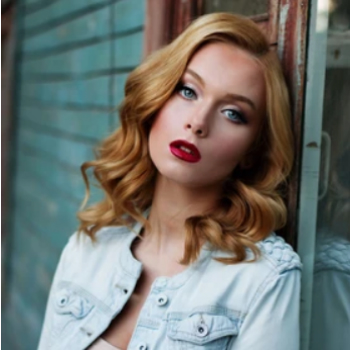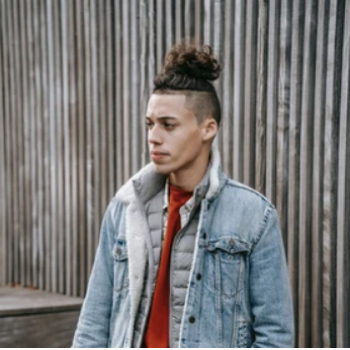

Artistry in Hairstyling: Transforming Personal Style
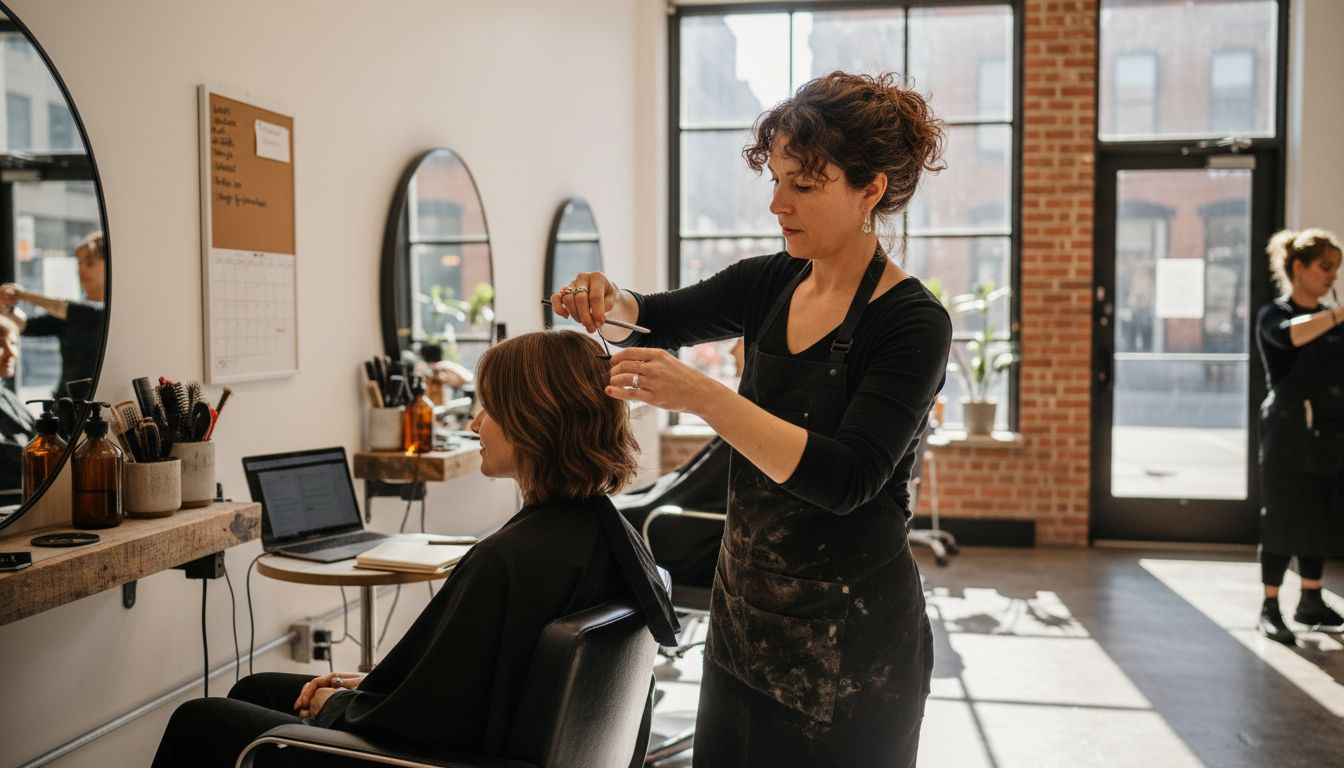
Over 80 percent of American women surveyed say their hair is a vital part of self-expression. In vibrant La Jolla, high-end hairstyling means much more than a simple trim or color treatment. This article offers a fresh perspective on how artistic salons redefine hair as a personalized canvas, blending technical mastery with creative flair to help fashion-conscious women achieve styles that truly reflect their identity.
Table of Contents
- Defining Artistry In Hairstyling And Core Concepts
- Creative Techniques And Styling Methods Explained
- Color, Texture, And The Expression Of Identity
- Cultural Influences And Modern Fashion Trends
- Risks, Safety, And Professional Obligations
- The Distinction Of Artistic Salons And Stylists
Key Takeaways
| Point | Details |
|---|---|
| Artistic Hairstyling | Hairstyling blends technical skill with creative vision, transforming hair into a medium for personal storytelling. |
| Innovative Techniques | Advanced methods like structural cutting and thermal molding create unique, personalized hairstyles that reflect individual aesthetics. |
| Cultural Significance | Hair color and texture serve as powerful expressions of identity, influenced by cultural heritage and personal narrative. |
| Professional Responsibilities | Stylists must prioritize client health and safety, ensuring ethical practices and informed consultations throughout the styling process. |
Defining Artistry in Hairstyling and Core Concepts
Hairstyling transcends mere technical skill, emerging as a profound artistic discipline where creativity meets personal transformation. At its core, artistic hairstyling represents a nuanced intersection of technical precision and imaginative expression, where hair becomes a living canvas for individual storytelling. Professionals in this field approach each client’s hair as a unique opportunity to craft a personalized aesthetic narrative.
The academic perspective reveals fascinating insights into this creative process. Research exploring hair artistry emphasizes that true mastery involves combining traditional skills with modern sustainable practices, where stylists assess their work not just through technical execution but through stylistic expression and consumer emotional resonance. This holistic approach transforms hairstyling from a routine service into a sophisticated art form that communicates identity, personality, and individual style.
Artistic hairstyling encompasses several critical dimensions: technical expertise, creative vision, understanding of color theory, knowledge of facial structures, and an intuitive sense of personal aesthetics. Skilled hair artists analyze factors like face shape, skin tone, lifestyle, and personal preferences to design hairstyles that are simultaneously technically precise and emotionally resonant. They view each haircut, color treatment, and styling session as an opportunity to create a harmonious visual symphony that enhances the client’s natural beauty.
Pro tip: When seeking a truly artistic hair transformation, look for stylists who demonstrate a portfolio showcasing diverse styles and a keen ability to personalize their approach to each individual client’s unique characteristics.
Creative Techniques and Styling Methods Explained
Hairstyling has evolved far beyond traditional cutting and coloring, emerging as a sophisticated art form that demands extraordinary technical skill and creative vision. Hair sculpting techniques represent the cutting edge of this artistic transformation, pushing the boundaries of what’s possible with hair design through innovative approaches that blend precision and imagination.
Professional stylists employ a diverse range of advanced methods to create personalized hair experiences. Structural cutting involves precise geometric approaches that reshape hair’s fundamental form, while thermal molding uses specialized heat tools to create intricate textures and volumes. Product sculpting emerges as another critical technique, where styling agents are strategically applied to mold, define, and enhance hair’s natural characteristics. These methods allow stylists to craft unique service interaction strategies that establish their expert status, transforming each styling session into a personalized artistic collaboration.
The most advanced styling techniques blend technical precision with creative interpretation. Complex braiding methods, intricate twisting techniques, and strategic layering allow stylists to create three-dimensional hair designs that reflect individual personality and aesthetic preferences. By analyzing factors like hair texture, facial structure, and personal style, skilled artists can develop transformative looks that go beyond standard haircuts, turning each styling session into a unique form of personal expression.
Here’s a summary of innovative hairstyling techniques and their creative impacts:
| Technique | Main Purpose | Creative Impact |
|---|---|---|
| Structural Cutting | Reshape hair’s silhouette | Offers geometric, custom looks |
| Thermal Molding | Add texture and volume | Enables sculpted, precise form |
| Product Sculpting | Enhance natural features | Customizes hold and definition |
| Complex Braiding | Create multi-dimensional form | Showcases artistic complexity |
| Strategic Layering | Adjust hair movement | Enhances style versatility |
Pro tip: Request a detailed consultation before your styling session to help your stylist understand your lifestyle, aesthetic preferences, and hair maintenance capabilities, ensuring a truly personalized and sustainable hair design.
Color, Texture, and the Expression of Identity
Hair represents far more than a simple aesthetic element; it is a powerful medium of personal and cultural storytelling. Color and texture serve as profound instruments of individual expression, allowing individuals to communicate their unique identity, cultural heritage, and personal narrative through carefully crafted styling choices.
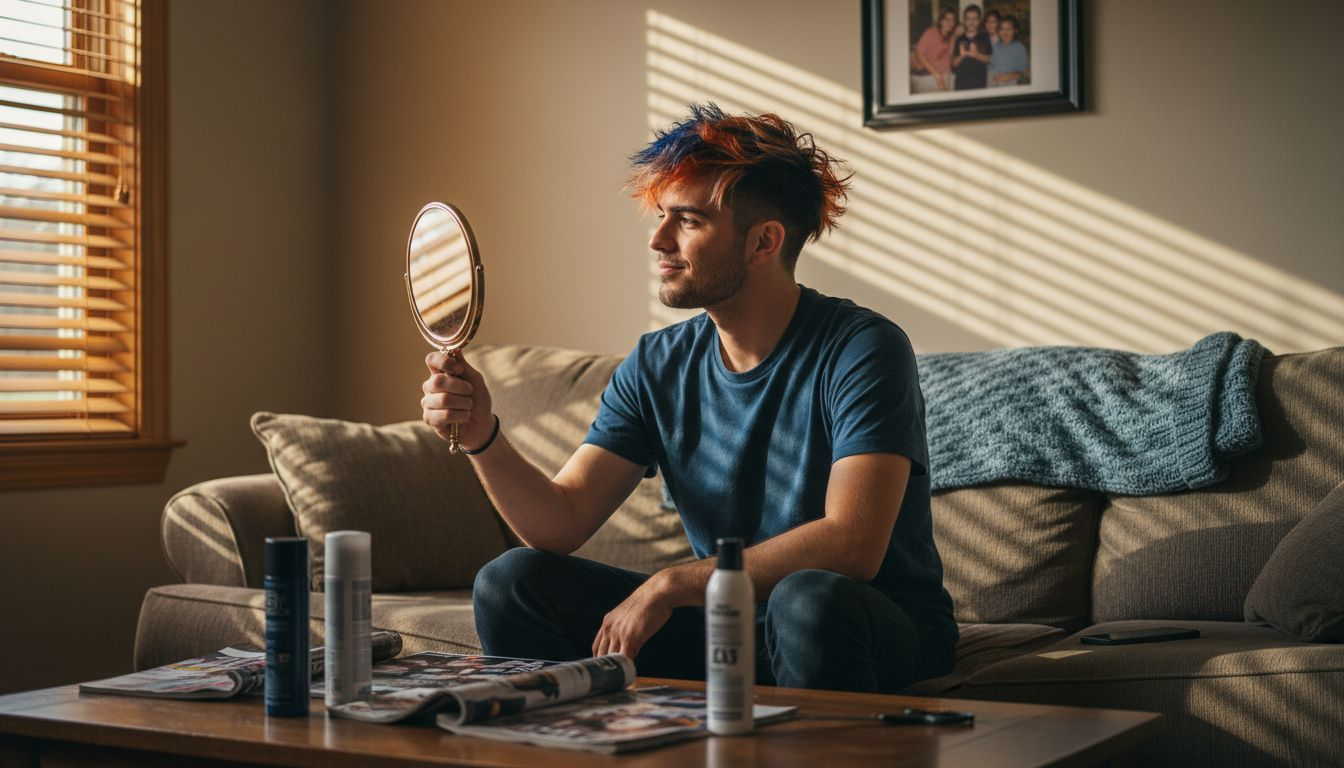
Visionary stylists understand that hair color transcends mere visual appeal, functioning as a nuanced language of self-representation. By strategically applying color theory and texture manipulation techniques, professionals can create hairstyles that reflect complex personal identities. Contemporary research highlights the intricate connections between hair texture, styling methods, and cultural significance, revealing how different communities use hair as a powerful form of personal and collective expression.
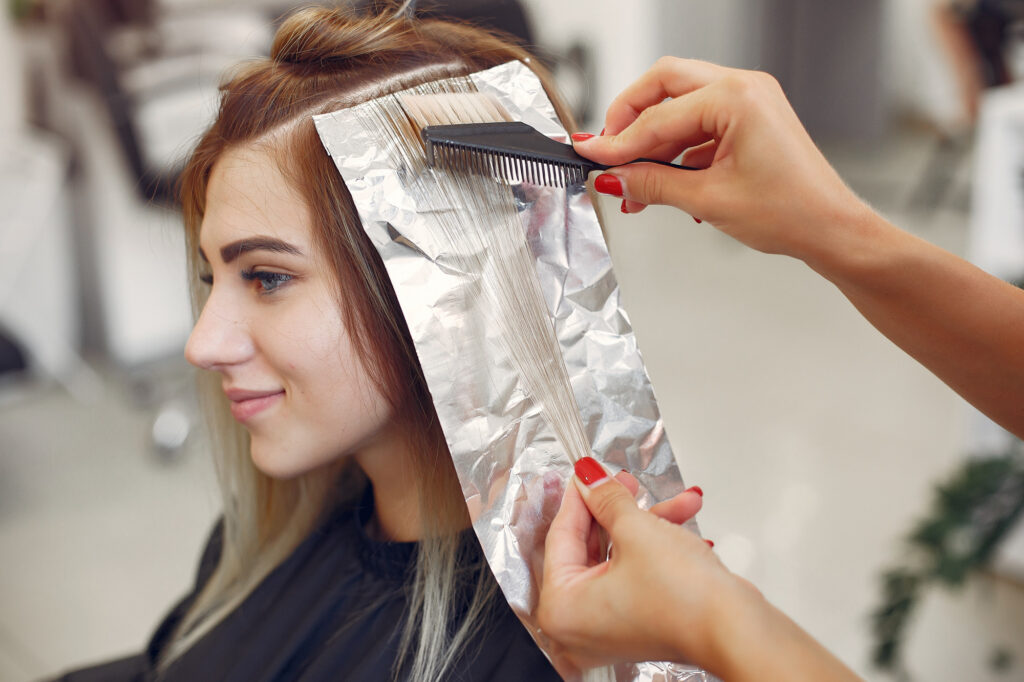
The interplay between color, texture, and identity is remarkably complex. Different hair treatments can signify personal transitions, cultural affiliations, or emotional states. From subtle highlights that add dimension to bold color transformations that challenge traditional aesthetic norms, each styling choice becomes a deliberate act of self-definition. Skilled stylists approach these transformations not as mere technical procedures, but as collaborative artistic processes that honor the individual’s unique journey and aesthetic vision.
Pro tip: Choose hair colors and textures that authentically reflect your personality and lifestyle, ensuring that your hairstyle feels like a natural extension of your personal identity.
Cultural Influences and Modern Fashion Trends
Hairstyling emerges as a dynamic canvas where cultural heritage and contemporary fashion intersect, creating a rich tapestry of artistic expression. Contemporary stylists draw inspiration from diverse global influences, transforming traditional techniques into innovative fashion statements, reflecting the increasingly interconnected nature of global beauty trends.
Cultural hairstyling practices reveal profound insights into identity, gender, and social dynamics, challenging traditional aesthetic norms and celebrating diverse forms of personal expression. Social media platforms have dramatically accelerated this trend, enabling rapid transmission of styling techniques across geographic and cultural boundaries. Street fashion, international runway shows, and digital influencers now collaborate to create a dynamic, constantly evolving landscape of hair artistry that transcends traditional cultural boundaries.
Today’s most innovative hairstylists function as cultural translators, skillfully blending traditional techniques with contemporary aesthetic sensibilities. They recognize that each hairstyle represents more than a fashion choice – it is a nuanced form of personal storytelling that communicates individual identity, cultural pride, and creative vision. From intricate braiding techniques rooted in ancestral traditions to avant-garde color treatments that challenge conventional beauty standards, modern hair artistry celebrates the complexity of human expression.
Pro tip: Embrace hairstyles that honor your cultural background while allowing room for personal interpretation and contemporary innovation.
Risks, Safety, and Professional Obligations
Professional hairstyling demands far more than aesthetic expertise; it requires a comprehensive understanding of client health and safety considerations. Contemporary research underscores the critical importance of recognizing potential risks associated with various hairstyling practices, highlighting the significant professional responsibilities that come with transforming an individual’s appearance.
The intersection of hairstyling and dermatologic care reveals complex challenges in managing potential health risks, particularly concerning scalp health and hair integrity. Professional stylists must navigate a complex landscape of potential complications, including hair loss, scalp damage, and allergic reactions. This requires not just technical skill, but a deep understanding of different hair types, potential sensitivities, and the long-term implications of styling techniques.
Ethical hairstyling practice extends beyond immediate aesthetic outcomes. It encompasses a holistic approach that prioritizes client well-being, involving careful consultation, thorough health assessments, and transparent communication about potential risks. Skilled professionals must be prepared to recognize warning signs, recommend alternative approaches when necessary, and know when to refer clients to medical professionals for specialized care. This approach transforms hairstyling from a purely cosmetic service into a responsible, health-conscious professional practice that respects individual client needs and long-term hair health.
Pro tip: Always disclose any known allergies, scalp conditions, or previous hair treatment reactions to your stylist to ensure the safest and most appropriate styling approach.
The Distinction of Artistic Salons and Stylists
Artistic salons transcend traditional hairstyling services, emerging as sophisticated creative environments where technical mastery meets profound personal expression. These unique spaces cultivate an expert status through exceptional client interactions and innovative styling approaches, transforming hair styling from a routine service into a deeply personalized artistic experience.

Contemporary artistic salons distinguish themselves through elevated interaction dynamics and creative autonomy, where stylists function as both technical experts and creative consultants. These professionals go beyond simple hair maintenance, acting as informal caregivers and cultural interpreters who understand the nuanced relationship between personal identity and aesthetic expression. Their approach integrates technical skill, emotional intelligence, and an intuitive understanding of individual style preferences.
The most distinguished artistic salons create immersive environments that celebrate creativity and individual transformation. They prioritize personalized consultations, holistic client understanding, and innovative styling techniques that reflect each client’s unique personality. These spaces are not merely service providers but collaborative artistic studios where hair becomes a medium of personal storytelling, cultural expression, and individual empowerment. The stylists who work in these environments are true artists, capable of translating complex personal narratives into transformative visual experiences.
Below is a comparison of standard salons versus artistic salons:
| Aspect | Standard Salon Experience | Artistic Salon Experience |
|---|---|---|
| Consultation Approach | Brief, service-focused | In-depth, holistic discussion |
| Style Personalization | Limited customization | Highly tailored to client |
| Creative Autonomy | Follows established norms | Encourages innovation and input |
| Emotional Connection | Transactional interaction | Emphasis on relationship-building |
Pro tip: Select a salon that offers comprehensive consultations and demonstrates a portfolio showcasing diverse, personalized styling approaches.
Elevate Your Personal Style with True Hair Artistry
Are you ready to transform your look with expert hairstyling that goes beyond a simple haircut? This article highlights how artistic hairstyling combines creativity, technical precision, and personal expression to create unique styles that truly reflect your individuality. At Joel C Ma Hair Studio, we understand the importance of personalized consultations, innovative color techniques, and skillful craftsmanship to bring your vision to life while respecting your hair’s health and cultural identity.
Experience the difference with a team of seasoned hair artists who specialize in tailored artistic haircuts and color transformations like balayage. Visit our Uncategorized Archives – Joel C Ma Hair Studio for inspiration and client stories that showcase our commitment to creative expression and safety. Discover how our luxurious La Jolla salon prioritizes your unique style journey with professionalism and attention to detail. Take the first step now by exploring our full range of services at Joel C Ma Hair Studio and schedule your personalized consultation to start your transformation today.
Frequently Asked Questions
What factors should I consider when choosing a hairstyle?
When selecting a hairstyle, consider factors like your face shape, skin tone, hair texture, lifestyle, and personal aesthetic preferences. A skilled stylist can help you analyze these elements to find the perfect look for you.
How do advanced hairstyling techniques influence my hairstyle?
Advanced techniques like structural cutting, thermal molding, and product sculpting enhance the form and texture of your hair, allowing for personalized designs that reflect your unique style and personality.
How can hair color and texture communicate my identity?
Hair color and texture are powerful means of self-expression. They can signify personal transitions, cultural affiliations, and emotional states, making your hairstyle an essential part of your identity narrative.
What should I discuss during my consultation with a stylist?
During your consultation, share your aesthetic preferences, lifestyle, and any hair concerns you have. This will help your stylist create a personalized and sustainable hair design that aligns with your individual needs.
Recommended
- Inspiring Hair Artistry Ideas for Your Next Look
- Hair Contouring Explained: Techniques and Benefits – Joel C Ma Hair Studio
- Hair Styling Techniques Explained: Ideas to Elevate Your Style
- Precision Cutting: Sculpting Sleek, Elegant Hair – Joel C Ma Hair Studio
- Understanding the Role of Ritual in Beauty Routines – Eneleo – Natural Skin Care