
Precision Cutting: Sculpting Sleek, Elegant Hair
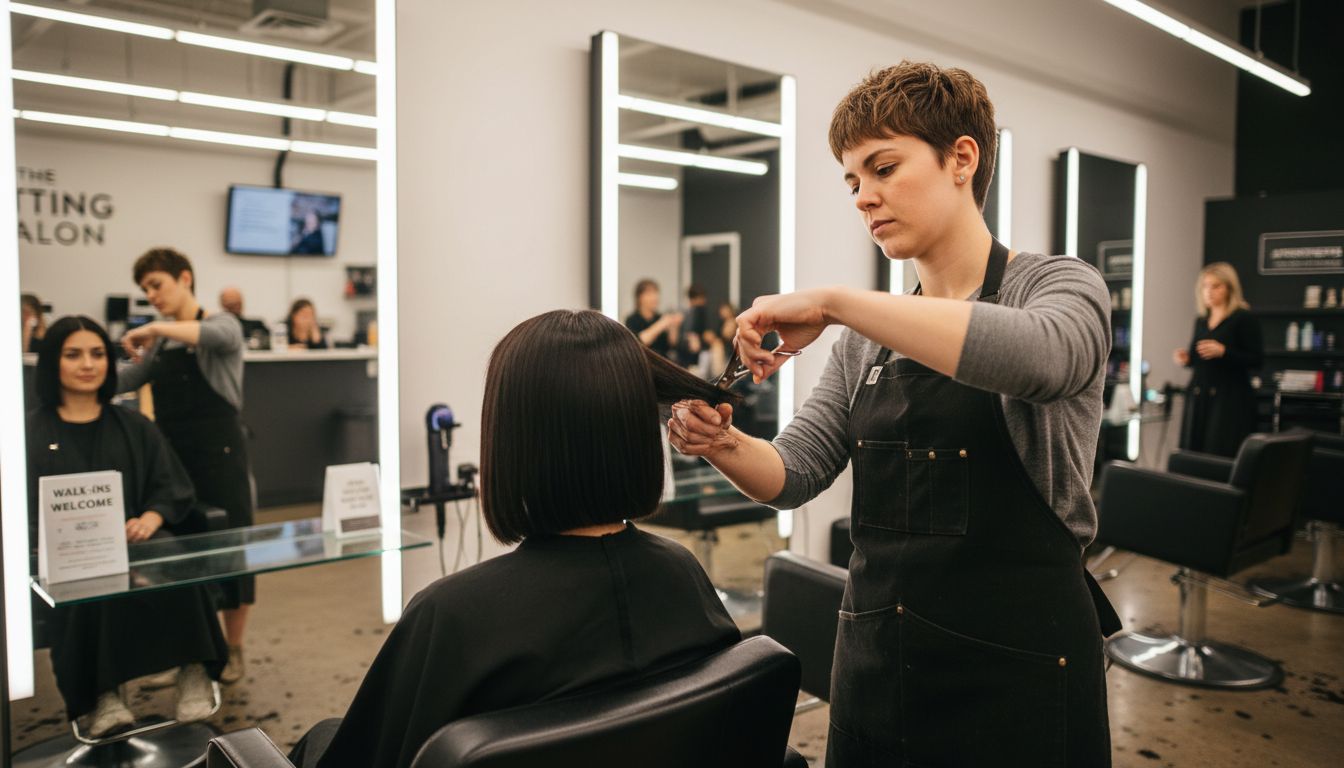
Over 80 percent of American salon clients say the finishing touch of a haircut is all about the details. The precision cutting trend has redefined what people expect from a great style, making flawless edges and perfect symmetry the new standard. Whether you want effortless hair maintenance or a signature look, understanding how professional stylists achieve such clean, personalized results can change your entire approach to salon visits.
Table of Contents
- What Precision Cutting Means
- Techniques That Define Precision Cutting
- Tools And Sectioning Essentials
- Tailoring Precision To Hair Types
- Maintaining Precision Results
Key Takeaways
| Point | Details |
|---|---|
| Importance of Precision Cutting | Precision cutting is a highly skilled technique that transforms hair styling into art by focusing on geometry and tailored approaches. |
| Core Techniques | Mastery of techniques like elevation, over-direction, and texturizing is essential for creating structured, personalized hairstyles. |
| Adapting to Hair Types | Successful precision cutting requires customizing methods based on individual hair characteristics to achieve optimal results. |
| Maintaining Precision | Regular maintenance and appropriate home care are crucial for preserving the shape and integrity of precision haircuts. |
What Precision Cutting Means
Precision cutting is the pinnacle of hair artistry, transforming routine trims into sculptural masterpieces. Unlike standard haircuts, this technique demands extraordinary technical skill and creative vision. Precision haircutting involves cutting hair with extreme accuracy to create clean lines, smooth transitions, and balanced styles.
At its core, precision cutting is about understanding hair’s fundamental geometry. Professional stylists approach each cut like an architect designing a complex structure, analyzing hair texture, growth patterns, and facial structure. The technique combines technical control with creative vision to craft structured yet fluid hairstyles. This means every snip is deliberate, every angle calculated to complement the client’s natural features.
The hallmarks of precision cutting include:
- Perfect Symmetry: Exact measurements and balanced proportions
- Clean Edges: Sharp, intentional lines with zero imperfections
- Customized Approach: Tailoring techniques to individual hair types and face shapes
- Minimal Styling Required: Cuts so precise they naturally fall into place
Mastering precision cutting requires years of training and an almost surgical approach to hair design. It transforms haircuts from mere maintenance into personalized artistic expressions, where every strand tells a story of meticulous craftsmanship and individual style.
Techniques That Define Precision Cutting
Precision cutting requires a sophisticated arsenal of advanced techniques that transform ordinary hair into extraordinary style statements. Core techniques in precision cutting include elevation to control length, over-direction to shape and add volume, and sectioning for better control, creating a foundation for expert hair design.
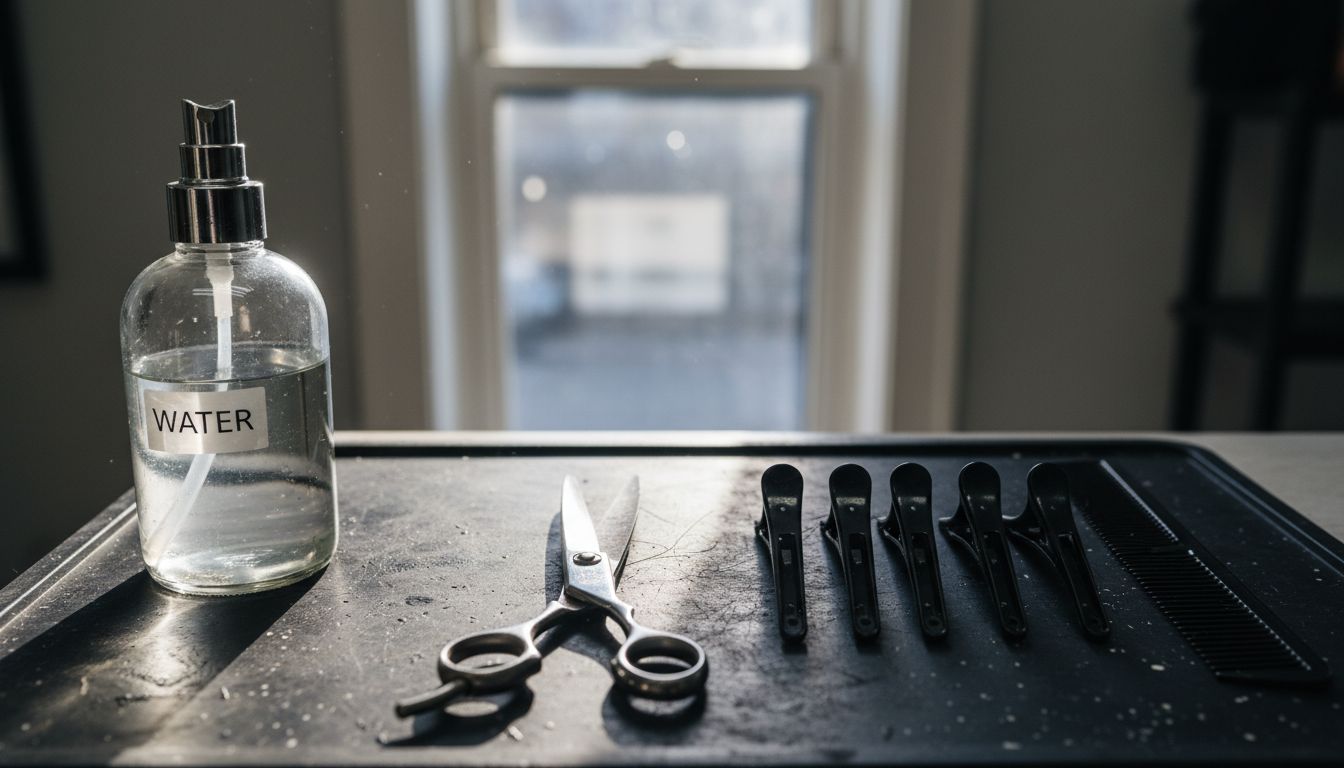
Stylist expertise truly emerges through specialized cutting methods. Precision techniques encompass advanced approaches like texturizing methods: slide cutting, point cutting, and freehand cutting, each serving a unique purpose in sculptural hair design. Slide cutting creates soft, seamless layers, point cutting adds texture and movement, while freehand cutting allows for creative, organic shapes that complement individual facial structures.
Professional precision cutting techniques include:
- Elevation Control: Determining exact hair length and angle
- Over-Direction: Manipulating hair flow for enhanced volume and shape
- Sectioning: Creating precise, balanced geometric divisions
- Texturizing: Removing weight, adding dimension and movement
- Angle Management: Calculating perfect cutting angles for desired outcome
Mastering these techniques transforms haircuts from simple trims into personalized artistic expressions. Each method requires intense concentration, muscle memory, and an almost intuitive understanding of hair’s unique characteristics and potential.
Tools And Sectioning Essentials
Professional haircutting demands precision instruments and strategic approaches to hair management. Essential tools for precision cutting include shears, razors, thinning shears, and clippers, each serving a unique purpose in creating immaculate hairstyles.
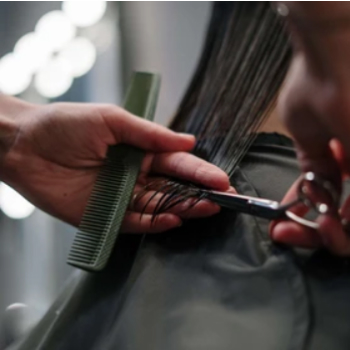
The professional stylist’s toolkit is a carefully curated collection of specialized instruments. High-quality shears remain the cornerstone of precision work, with professional-grade scissors crafted from premium Japanese stainless steel offering razor-sharp edges and ergonomic designs. Thinning shears provide subtle texture modification, while professional razors allow for intricate detailing and soft, graduated edges.
Key precision cutting tools include:
- Professional Shears: Surgical-grade cutting instruments
- Thinning Shears: Creating soft texture and weight removal
- Precision Razors: Enabling fine detailing and soft edges
- Sectioning Clips: Maintaining clean, organized hair divisions
- Professional Combs: Ensuring exact measurements and angles
Sectioning techniques are equally critical in precision cutting. Professional stylists divide hair into systematic geometric sections, treating each area as a unique canvas. This methodical approach ensures consistent length, balanced proportions, and a harmonious final style that complements the client’s natural hair texture and facial structure.
Tailoring Precision To Hair Types
Every hair type demands a unique approach to precision cutting. Adapting precision cutting techniques requires careful consideration of hair characteristics, classifications, head and face shape, and hair length to create personalized styles. The one-size-fits-all methodology simply does not work in professional hair design.
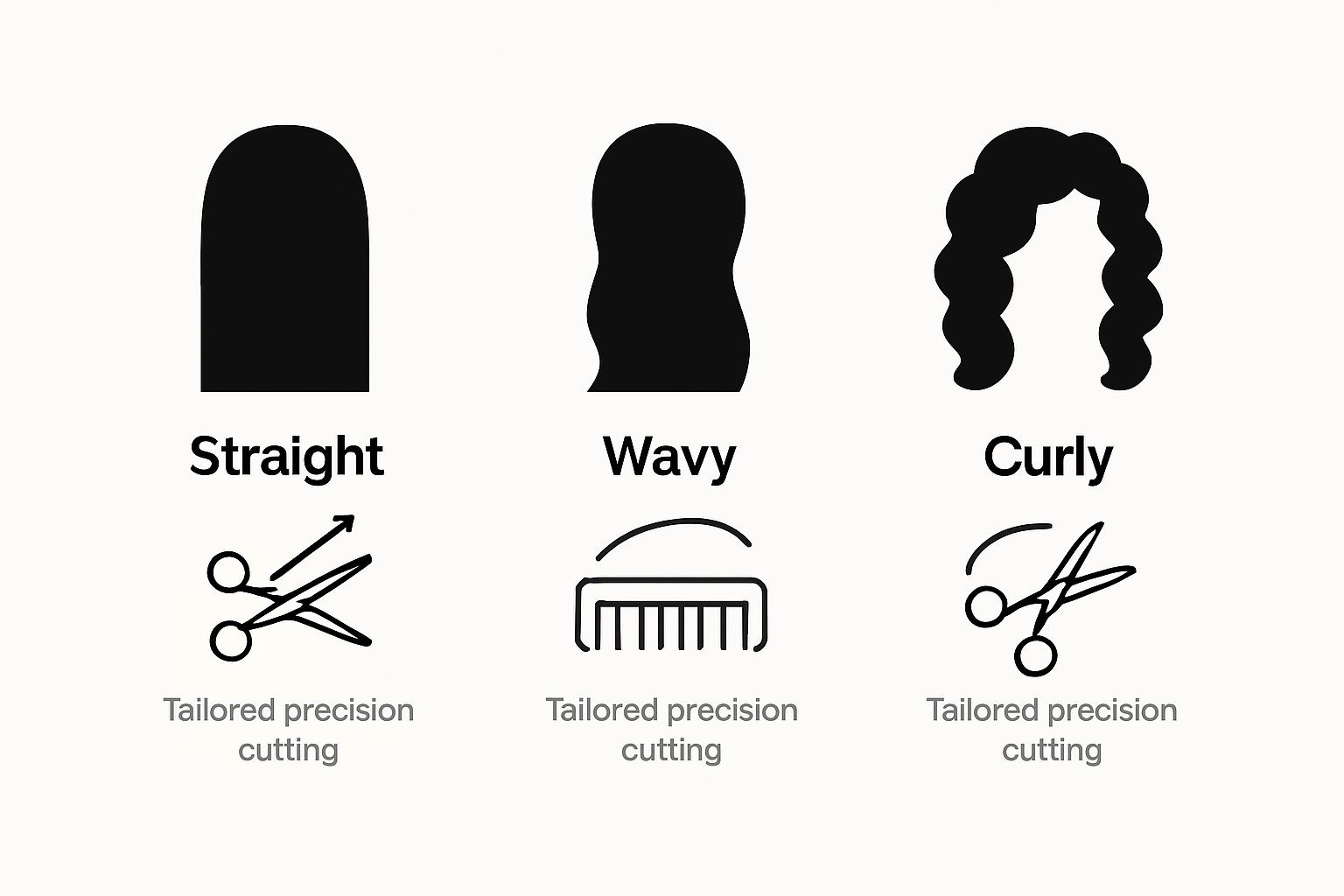
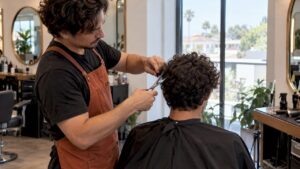
For curly hair, precision cutting requires specialized techniques like point cutting and layering to enhance the natural curl pattern, add volume, and create a flattering shape. Straight hair needs different strategies, focusing on clean lines and geometric precision, while wavy hair requires techniques that respect its natural movement and texture.
Precision cutting strategies by hair type include:
- Curly Hair:
- Point cutting to maintain curl definition
- Layering to reduce bulk
- Cutting at specific angles to prevent frizz
- Straight Hair:
- Sharp, geometric lines
- Precise perimeter cutting
- Minimal texturizing
- Wavy Hair:
- Soft, graduated layers
- Texturizing to enhance natural movement
- Strategic length management
The ultimate goal of tailored precision cutting is to work with each client’s unique hair texture, creating a style that looks effortless yet intentional. Professional stylists must develop an intuitive understanding of how different hair types respond to cutting techniques, transforming technical skill into personalized artistry.
Maintaining Precision Results
Precision haircuts require meticulous ongoing maintenance to preserve their original architectural design and aesthetic integrity. The initial cut is merely the foundation – preserving its shape, texture, and intentional structure demands consistent professional care and strategic home maintenance.
Home care routines are critical in extending the life of a precision cut. Professional-grade styling products specifically matched to hair texture, regular trims every 4-6 weeks, and careful styling techniques help maintain the cut’s original geometric lines and intended silhouette. Understanding how to blow dry, brush, and style the hair using techniques that respect the original cutting pattern becomes essential.
Key maintenance strategies include:
- Regular Professional Trims: Preserving original shape and preventing split ends
- Targeted Hair Care Products: Using items designed for specific hair textures
- Minimal Heat Styling: Reducing damage that can compromise cut precision
- Proper Brushing Techniques: Maintaining structured lines and preventing unnecessary stress
- Protective Nighttime Routines: Using silk pillowcases and gentle hair ties
Ultimately, maintaining a precision cut is a collaborative effort between the stylist and client. The most exquisite haircut requires ongoing commitment, transforming a single styling moment into a sustained expression of personal aesthetic and professional craftsmanship.
Elevate Your Style with Precision Cutting Expertise
Achieving a sleek and elegant hairstyle through precision cutting demands not only skill but also a deep understanding of hair texture, angle management, and tailored techniques. If you have experienced frustration with haircuts that lack symmetry or fail to enhance your unique features, it is time to experience the transformation that true precision cutting offers. At Joel C Ma Hair Studio, our expert hair artists combine over 25 years of professional mastery with an artistic vision to sculpt hair that perfectly complements your individuality and lifestyle.

Discover how personalized precision cutting can redefine your look with clean edges, perfect symmetry, and minimal styling effort. Book your consultation today at Joel C Ma Hair Studio and take the first step toward a tailored hairstyle crafted with confidence. Experience the artistry, professionalism, and premium client care that makes us San Diego’s destination for exceptional hair design. Visit us now to schedule your appointment and embrace the lasting beauty of precision cutting.
Frequently Asked Questions
What is precision cutting in hair styling?
Precision cutting is a technique that involves cutting hair with extreme accuracy to create clean lines, smooth transitions, and balanced styles. It requires a combination of technical skill and creative vision to craft structured but fluid hairstyles.
How does precision cutting differ from standard haircuts?
Unlike standard haircuts, precision cutting focuses on perfect symmetry, clean edges, and a customized approach tailored to individual hair types and face shapes. It emphasizes careful design to enhance the client’s natural features, rather than simply trimming hair.
What techniques are involved in precision cutting?
Core techniques in precision cutting include elevation to control the length, over-direction to shape and add volume, sectioning for better control, and various texturizing methods such as slide cutting, point cutting, and freehand cutting to create desired texture and movement.
How can I maintain a precision haircut?
To maintain a precision haircut, it’s crucial to get regular professional trims every 4-6 weeks, use targeted hair care products that suit your hair type, minimize heat styling, and adopt proper brushing techniques to preserve the haircut’s original shape and structure.
Recommended
- What Is Dry Cutting? Complete Salon Expert Guide – Joel C Ma Hair Studio
- Hair Contouring Explained: Techniques and Benefits – Joel C Ma Hair Studio
- Inspiring Hair Artistry Ideas for Your Next Look
- Master Cutting Curly Hair Techniques for Stunning Styles – Joel C Ma Hair Studio
- Hair Extensions for Thin Hair Tutorial: Effortless Guide