
Managing Postpartum Hair Loss – Effective Solutions for Recovery

Most American women are surprised to learn that as many as 50 percent will experience significant postpartum hair loss. This temporary shedding often catches new mothers off guard, causing unnecessary anxiety and confusion about what is normal. By separating facts from common myths and highlighting both medical insights and real recovery solutions, this guide empowers you to understand the process and regain confidence during early motherhood.
Table of Contents
- Defining Postpartum Hair Loss And Common Myths
- Causes And Timing Of Hair Shedding After Birth
- Proven At-Home Recovery Practices
- Salon Treatments For Thinning Hair
- When To Consult A Hair Health Specialist
Key Takeaways
| Point | Details |
|---|---|
| Postpartum Hair Loss is Normal | It is a common physiological response to hormonal changes after childbirth, affecting 40-50% of women. |
| Temporary Condition | Most women will regain hair fullness within 6-12 months; it is not a sign of permanent damage. |
| Nutritional Support is Key | A balanced diet rich in essential nutrients is crucial for hair recovery. |
| Consult a Specialist if Necessary | Seek medical evaluation if hair loss persists beyond six months or if there are unusual symptoms. |
Defining Postpartum Hair Loss and Common Myths
Postpartum hair loss is a natural physiological response that many new mothers experience, characterized by significant hair shedding several months after childbirth. Unlike common misconceptions, this phenomenon is not a sign of permanent hair damage but a temporary condition triggered by complex hormonal shifts. Telogen effluvium, the medical term for this hair loss, typically begins about three months after delivery and affects approximately 40-50% of women.
During pregnancy, elevated estrogen levels prolong the hair growth phase, resulting in thicker, more luxurious hair. After delivery, hormone levels rapidly decline, causing hair to transition from the growth phase to the shedding phase simultaneously. This sudden shift can lead to noticeable hair thinning, with women experiencing up to 300 hair strands lost daily compared to the typical 50-100 strands. Contrary to popular belief, this process is completely normal and does not indicate any underlying health problems.
Common myths surrounding postpartum hair loss often create unnecessary anxiety for new mothers. Some widespread misconceptions include:
- Myth: Breastfeeding causes hair loss
- Reality: Hormonal changes, not breastfeeding, trigger hair shedding
- Myth: Hair will never return to its pre-pregnancy state
- Reality: Most women regain hair fullness within 6-12 months
- Myth: Postpartum hair loss can be completely prevented
- Reality: While management strategies exist, the process is a natural biological response
Understanding the science behind postpartum hair loss can help new mothers approach this temporary phase with greater confidence and reduced stress. The key is recognizing that this experience is a normal part of the postpartum journey, not a permanent condition of hair loss.
Causes and Timing of Hair Shedding After Birth
Hormonal fluctuations play a pivotal role in postpartum hair loss, creating a complex biological cascade that dramatically impacts hair growth cycles. During pregnancy, elevated estrogen levels keep hair in an extended growth phase, resulting in thicker, more voluminous hair that feels fuller and healthier. This prolonged growth phase means fewer hair strands enter the shedding stage, creating the appearance of lush, abundant hair that many women experience during pregnancy.
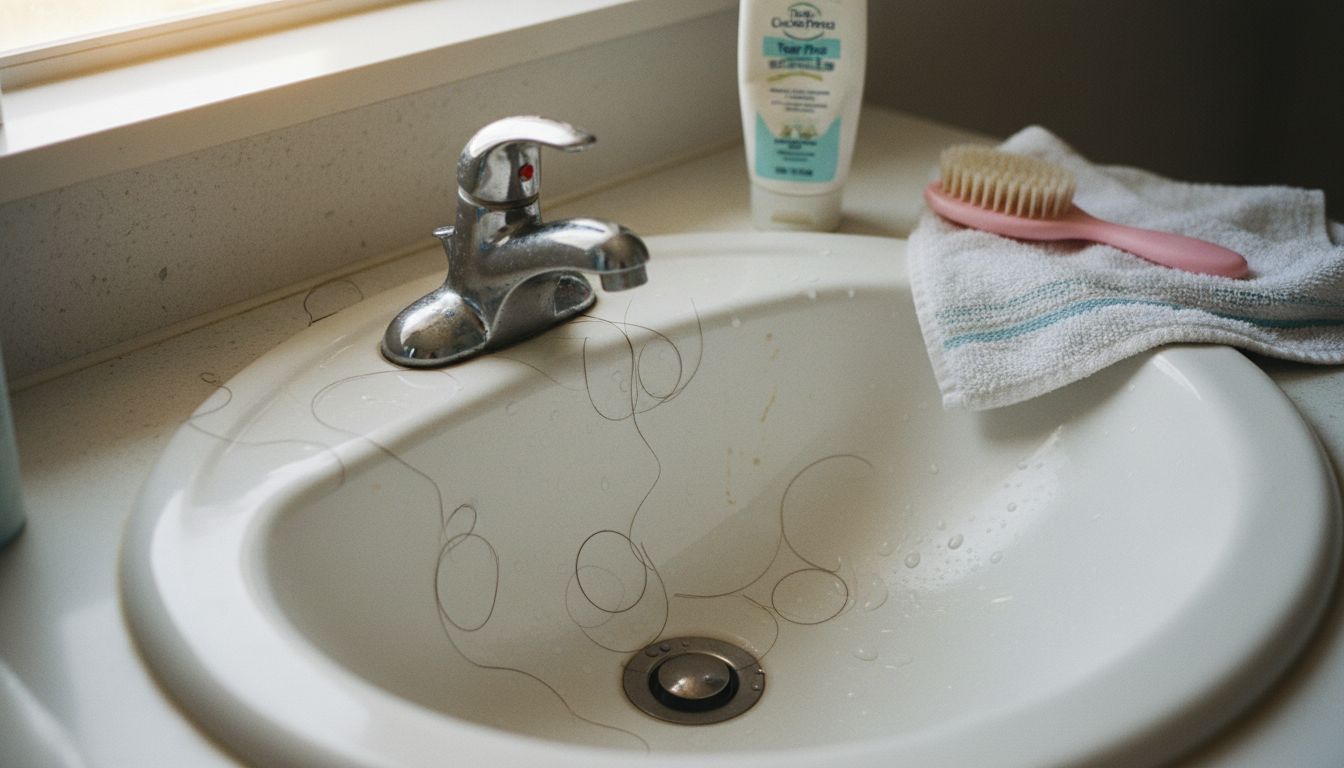
After childbirth, a rapid decline in hormone levels triggers a significant physiological shift. Estrogen levels drop dramatically, causing a substantial number of hair follicles to simultaneously transition from the growth phase (anagen) to the resting phase (telogen). This synchronized shedding typically begins approximately three months postpartum and can continue for up to six months. Women might experience losing 300 hair strands daily, compared to the usual 50-100 strands, which can be alarming but is entirely normal.
The timing and intensity of postpartum hair loss can vary based on several individual factors:
- Hormonal Sensitivity: Some women experience more dramatic hair changes due to individual hormone receptivity
- Delivery Method: Cesarean and vaginal deliveries can impact hormonal recovery differently
- Breastfeeding Status: Hormonal fluctuations during lactation can influence hair shedding patterns
- Nutritional Status: Dietary intake and overall health can affect hair recovery speed
While the process might seem distressing, understanding the underlying biological mechanisms can help new mothers approach this transitional phase with greater peace of mind. The body’s hair growth cycle is remarkably adaptive, and most women will naturally return to their pre-pregnancy hair density within 6-12 months after giving birth.
Proven At-Home Recovery Practices
Nutritional support is fundamental in managing postpartum hair loss, serving as a critical first line of defense for hair recovery. A balanced diet rich in essential nutrients can significantly impact hair health and regeneration. Key nutrients like protein, biotin, iron, and vitamins A, C, and E play crucial roles in supporting hair follicle strength and promoting healthy growth. New mothers should focus on incorporating lean proteins, leafy greens, nuts, seeds, and whole grains to provide the building blocks necessary for robust hair restoration.
Gentle hair care practices can dramatically minimize additional stress on already fragile postpartum hair. This includes avoiding tight hairstyles that pull on the scalp, minimizing heat styling tools, and using sulfate-free, volumizing shampoos that add body without causing additional breakage. Scalp massages with nourishing oils like coconut or argan can stimulate blood circulation, potentially encouraging healthier hair growth and providing a soothing self-care ritual during a challenging time.
Specific at-home recovery strategies include:
-
Hair Care Techniques:
- Use wide-toothed combs to detangle gently
- Avoid brushing hair when wet and vulnerable
- Air dry when possible to reduce heat damage
-
Nutritional Interventions:
- Supplement with prenatal vitamins
- Increase protein and omega-3 intake
- Stay hydrated with adequate water consumption
-
Stress Reduction Methods:
- Practice gentle yoga or meditation
- Prioritize sleep and rest
- Seek support from family and friends
Understanding that hair recovery is a gradual process can help new mothers approach this transition with patience and self-compassion. While the journey might feel overwhelming, most women will experience significant hair restoration within 6-12 months, with consistent care and a holistic approach to health and wellness.
Salon Treatments for Thinning Hair
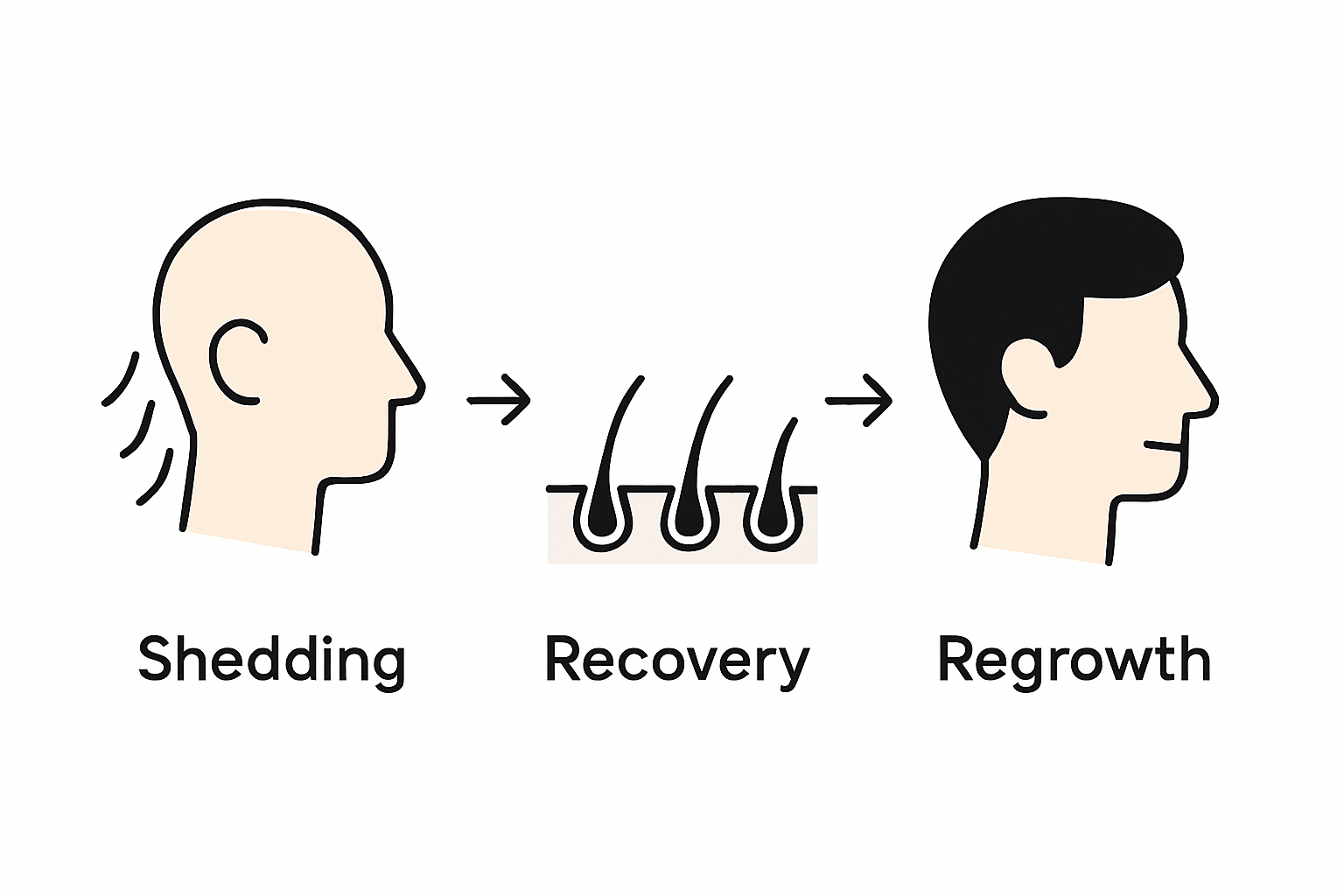
Professional hair restoration offers new mothers strategic solutions for managing postpartum hair loss, transforming their approach from home care to expert intervention. Salon treatments can provide targeted approaches that address both the aesthetic and psychological challenges of hair thinning. Specialized stylists understand the delicate nature of postpartum hair, employing techniques that add volume, strengthen existing hair, and create illusions of fuller, more robust hair without causing additional stress to sensitive scalp and hair follicles.
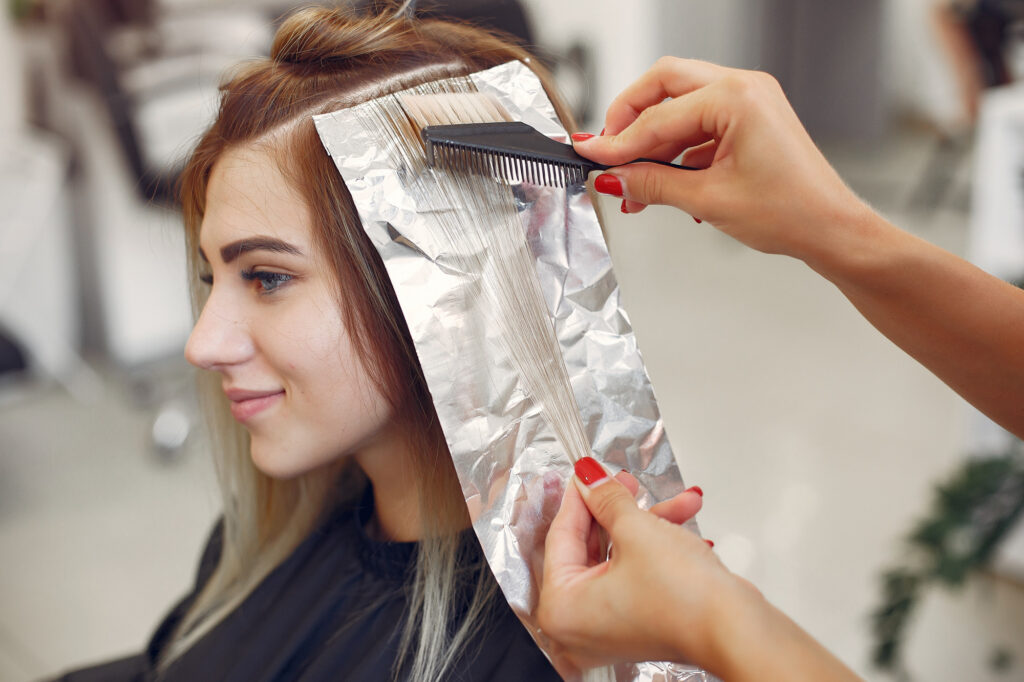
Volumizing styling techniques play a crucial role in managing visual appearance during hair loss. Professional stylists can recommend strategic haircuts that create the illusion of thickness, such as layered styles, textured bobs, or pixie cuts that minimize the appearance of thinning. These precision cuts work with natural hair texture, redistributing volume and creating visual depth that camouflages areas of sparse growth. Additionally, expert colorists can use advanced highlighting techniques that create dimension and the perception of fuller hair.
Salon treatments specifically designed for postpartum hair recovery include:
-
Scalp Treatments:
- Stimulating scalp massages
- Professional deep conditioning protocols
- Nutrient-rich scalp therapies
-
Styling Strategies:
- Precision haircuts that maximize volume
- Customized styling techniques
- Temporary hair integration solutions
-
Advanced Hair Restoration:
- Low-level laser therapy
- Specialized protein treatments
- Gentle hair strengthening protocols
How to style thinning hair naturally becomes an art form when working with a professional who understands the unique challenges of postpartum hair transformation. By combining expert techniques, personalized consultation, and gentle treatment approaches, salon professionals can help new mothers navigate this temporary phase with confidence and grace.
When to Consult a Hair Health Specialist
Professional medical intervention becomes critical when postpartum hair loss extends beyond typical recovery timeframes. While most women experience temporary hair shedding, certain signs indicate the need for specialized medical evaluation. Understanding these nuanced warning signals can help new mothers distinguish between normal postpartum changes and potential underlying health conditions that require comprehensive assessment.
Several red flags suggest immediate consultation with a hair health specialist or healthcare provider. Prolonged hair loss extending beyond six months warrants professional investigation, as persistent shedding might signal complex medical issues like nutritional deficiencies, hormonal imbalances, or thyroid dysfunction. Additional concerning symptoms include sudden patches of hair loss, scalp inflammation, intense itching, or significant changes in hair texture that deviate from typical postpartum transformations.
Key indicators that demand professional hair health consultation include:
-
Persistent Hair Loss Indicators:
- Hair shedding continuing beyond 12 months postpartum
- Noticeable bald patches or uneven hair thinning
- Significant reduction in hair density
-
Physical Symptom Triggers:
- Scalp inflammation or unusual scalp conditions
- Concurrent unexplained weight changes
- Extreme fatigue or mood fluctuations
-
Diagnostic Evaluation Markers:
- Comprehensive hormonal panel assessment
- Nutritional deficiency screenings
- Thyroid function comprehensive testing
Preventing hair loss naturally starts with proactive medical consultation and a holistic approach to understanding your body’s unique postpartum recovery journey. Professional specialists can provide personalized strategies that address both immediate hair health concerns and potential underlying systemic issues.
Restore Confidence and Volume After Postpartum Hair Loss
Experiencing postpartum hair loss is a natural but challenging part of the new motherhood journey. The rapid hormonal changes and increased shedding can leave you feeling anxious and uncertain about your hair’s future. At Joel C Ma Hair Studio, we understand these unique challenges and specialize in personalized solutions that support your hair’s recovery while enhancing your natural beauty. From expert volumizing haircuts to gentle styling techniques designed for delicate, thinning hair, our skilled team is here to restore fullness and confidence with care and artistry.
Don’t let postpartum hair loss hold you back from feeling your best. Explore our range of premium hair treatments tailored to your needs on our Uncategorized Archives – Joel C Ma Hair Studio page. Ready for a transformation? Visit Joel C Ma Hair Studio today to book your personalized consultation. Take control of your hair recovery journey with expert care that understands your story and prioritizes your well-being.
Frequently Asked Questions
What is postpartum hair loss?
Postpartum hair loss is a natural condition that many women experience after giving birth, characterized by significant hair shedding due to hormonal fluctuations. It typically starts around three months postpartum and is usually temporary.
How can I manage postpartum hair loss at home?
New mothers can manage postpartum hair loss by focusing on a balanced diet rich in essential nutrients, practicing gentle hair care techniques, and and incorporating scalp massages. Supplements like prenatal vitamins can also support hair recovery.
What salon treatments are available for postpartum hair loss?
Salon treatments for postpartum hair loss include scalp massages, nutrient-rich scalp therapies, precision haircuts to create the illusion of volume, and advanced hair restoration therapies like low-level laser therapy.
When should I consult a specialist about postpartum hair loss?
It’s advisable to consult a hair health specialist if you experience persistent hair loss beyond six months, develop bald patches, or feel significant changes in hair texture. Additional symptoms like scalp inflammation or unexplained weight changes may also warrant professional evaluation.
Recommended
- Complete Guide to Reasons for Hair Thinning – Joel C Ma Hair Studio
- Complete Guide to Stress and Hair Loss Men – Joel C Ma Hair Studio
- How to Prevent Hair Loss Naturally: Expert Steps That Work – Joel C Ma Hair Studio
- Dealing With Hair Loss: Complete Guide and Solutions – Joel C Ma Hair Studio
- Understanding Hair Growth After Chemo: What to Expect | MyHair