
How to Prevent Hair Loss Naturally: Expert Steps That Work
More than 50 million American adults experience some form of hair thinning or loss, making healthy hair a top concern across the country. Whether you notice more strands falling out in the shower or visible changes in your hairline, understanding what truly works can be confusing. This guide breaks through the clutter with science-backed steps so you can confidently protect and strengthen your hair from the start.
Table of Contents
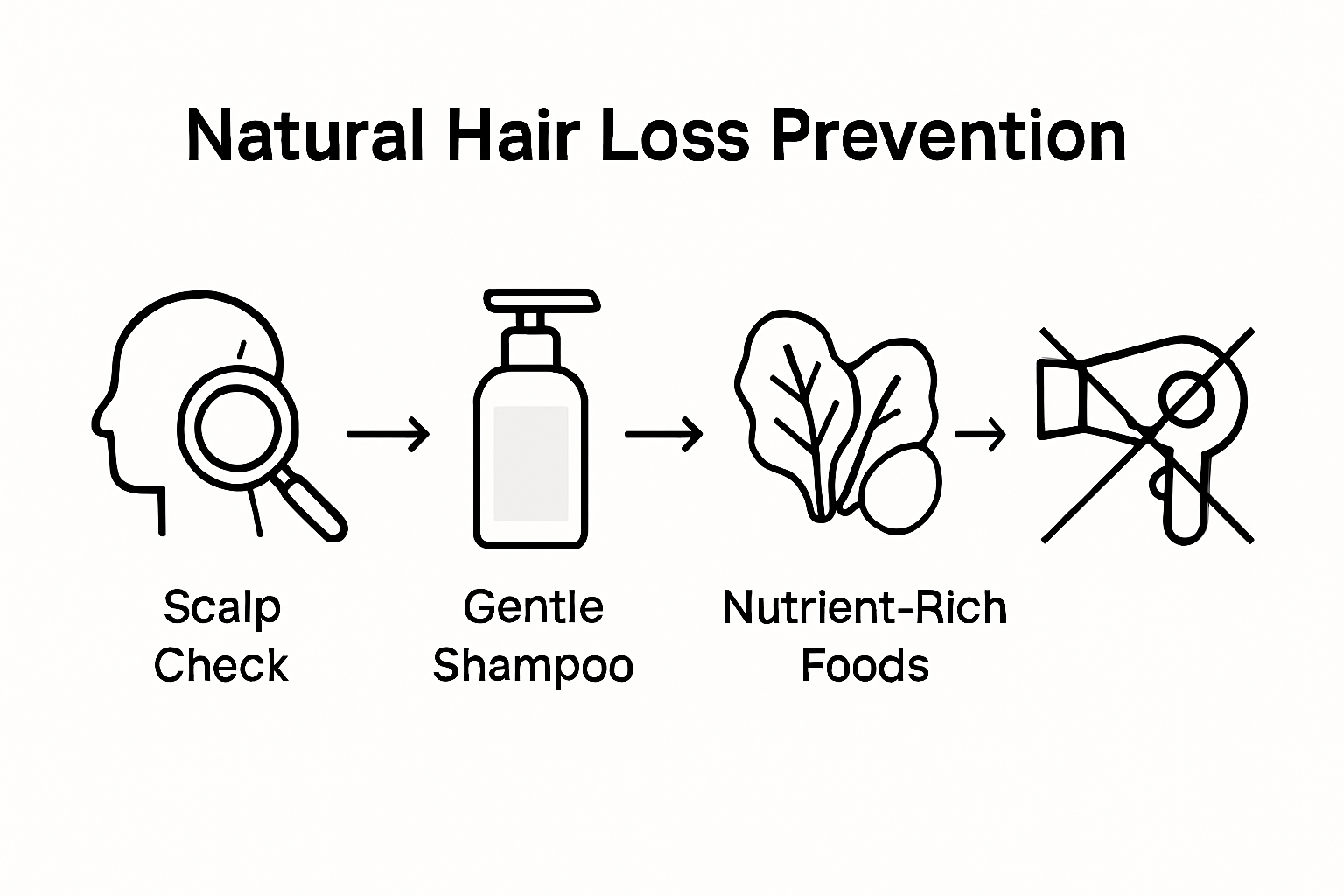
- Step 1: Assess Your Hair and Scalp Condition
- Step 2: Adopt a Healthy Hair Care Routine
- Step 3: Incorporate Nutrient-Rich Treatments
- Step 4: Limit Heat and Chemical Damage
- Step 5: Monitor Progress and Adjust Methods
Quick Summary
| Key Insight | Explanation |
|---|---|
| 1. Assess Hair and Scalp Condition | Regularly evaluate your scalp and hair to identify any issues or potential hair loss patterns early. |
| 2. Establish a Healthy Hair Care Routine | Adopt gentle washing and styling practices to maintain your hair’s natural strength and minimize damage. |
| 3. Use Nutrient-Rich Treatments | Incorporate natural remedies and a balanced diet to nourish your hair and support follicle health effectively. |
| 4. Limit Heat and Chemical Exposure | Reduce the use of heat styling and harsh chemicals to protect hair integrity and prevent breakage. |
| 5. Monitor Progress Effectively | Track your hair health changes through photographs and logs to adjust your hair care methods as needed. |
Step 1: Assess Your Hair and Scalp Condition
Understanding your hair and scalp health is the first critical step in preventing hair loss. Through advanced trichoscopic diagnostic techniques, you can gain profound insights into your hair’s current condition and potential vulnerabilities. This comprehensive assessment involves carefully examining your scalp’s texture, hair density, and overall health indicators.
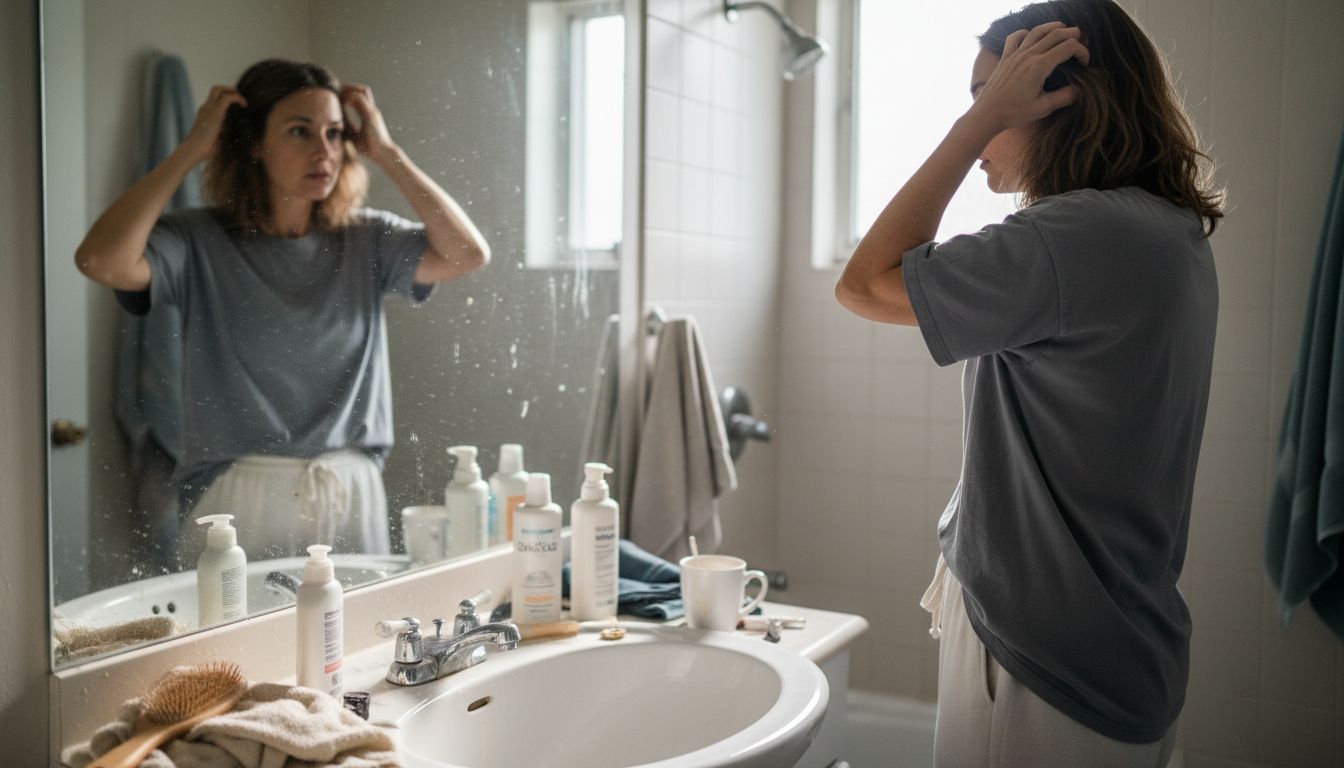
To perform a thorough hair and scalp evaluation, start by examining your scalp under good lighting. Look for signs of inflammation, unusual redness, excessive dryness, or areas with reduced hair density. Gently part your hair in multiple sections to reveal the scalp surface and assess its condition. Pay special attention to areas where hair thinning might be occurring, which could indicate potential hair loss patterns. Advanced diagnostic methods recommend using both visual inspection and systematic tracking to monitor hair health effectively.
Pro Tip: Use a handheld mirror and smartphone camera to document your scalp’s condition, creating a baseline for future comparisons.
As you complete this assessment, you will have a clear understanding of your current hair and scalp health. This crucial first step sets the foundation for targeted hair loss prevention strategies in the upcoming sections of our guide.
Step 2: Adopt a Healthy Hair Care Routine
Creating a strategic hair care routine is essential in preventing hair loss and maintaining vibrant hair health. Dermatologist-recommended practices emphasize a holistic approach that protects your hair from daily damage and supports its natural strength.
Start by selecting gentle hair products specifically suited to your hair type. Limit heat styling and choose mild shampoos that do not strip your scalp of natural oils. When washing, use lukewarm water and massage your scalp gently to stimulate blood circulation without causing stress to your hair follicles. Focus on techniques that minimize breakage such as using a wide tooth comb to detangle wet hair and avoiding tight hairstyles that pull on your hair roots.
Pro Tip: Pat your hair dry with a microfiber towel instead of rubbing, which can cause significant hair damage and breakage.
By implementing these careful hair care strategies, you will create a foundation for healthier hair growth and reduce potential hair loss risks. Your next step involves exploring nutrition and lifestyle factors that directly impact hair health.
Step 3: Incorporate Nutrient-Rich Treatments
Transforming your hair health requires strategic nourishment from both external treatments and internal nutrition. Natural remedies like aloe vera, coconut oil, and onion juice can provide powerful scalp and hair strengthening benefits that combat hair loss and promote robust growth.
To maximize your hair’s potential, focus on creating a comprehensive nutrition plan. A balanced diet rich in proteins, vitamins, and minerals is crucial for supporting hair follicle health. Consider incorporating supplements like biotin and vitamin D3, which can significantly enhance hair strength and resilience. When applying topical treatments, always perform a patch test and massage the product gently into your scalp to improve absorption and stimulate blood circulation.
Pro Tip: Consistency is key with nutrient treatments. Apply natural remedies at least twice a week and track your hair’s progress over time.
These targeted nutrient treatments will help fortify your hair from root to tip, setting the stage for stronger, healthier hair growth. Your next step involves understanding how lifestyle choices can further impact your hair’s overall health and vitality.
Step 4: Limit Heat and Chemical Damage
Protecting your hair from destructive styling practices is crucial in preventing long-term hair loss and maintaining its natural strength. Minimizing the use of heat styling tools and chemical treatments can dramatically reduce the risk of structural damage that weakens hair follicles and leads to breakage.
Dermatologist recommended approaches emphasize reducing high heat exposure and harsh chemical processes. When styling, use the lowest heat setting possible and always apply a heat protectant spray before using any hot tools. Consider alternative styling methods like air drying, braiding, or using soft rollers that create beautiful texture without causing thermal stress. For chemical treatments, space them out significantly and choose gentler formulations that minimize scalp and hair shaft damage.
Pro Tip: Invest in professional grade heat styling tools with adjustable temperature controls to minimize potential hair damage.
By implementing these protective strategies, you will significantly reduce the risk of hair loss caused by mechanical and chemical stress. Your next step involves understanding how stress management and lifestyle factors can further support your hair health journey.
Step 5: Monitor Progress and Adjust Methods
Tracking your hair health journey requires a systematic approach that combines careful observation and scientific insight. Detailed analytical methods and global assessment techniques are crucial for understanding how your hair responds to different treatments and identifying potential areas of improvement.
Trichoscopy provides an advanced diagnostic tool that allows you to document and evaluate your hair’s condition over time. Take monthly photographs of your scalp and hair from consistent angles and lighting to create a visual progress record. Pay attention to key indicators like hair density, scalp health, breakage rate, and overall hair thickness. Keep a detailed journal documenting the treatments you’ve used, dietary changes, and any noticeable improvements or challenges. This systematic tracking will help you understand which strategies are most effective for your unique hair health needs.
Pro Tip: Use digital tracking apps or create a spreadsheet to log your hair care progress consistently and objectively.
By maintaining a proactive and analytical approach to your hair health, you will gain valuable insights that empower you to make informed decisions about your ongoing hair care strategy. Remember that hair health is a dynamic process that requires patience, adaptability, and continuous learning.
Take Control of Your Hair Health with Expert Care at Joel C Ma Hair Studio
Experiencing hair thinning and worried about hair loss can be unsettling. This article highlights key challenges like scalp condition assessment, nutrient-rich treatments, and protecting hair from damage. If you are seeking personalized solutions to complement your natural hair loss prevention efforts, Joel C Ma Hair Studio in La Jolla offers expert-driven services tailored to your unique hair needs. Our team of skilled hair artists uses advanced techniques inspired by over 25 years of experience to support and enhance your hair’s natural strength and vitality.
Discover how professional consultations and customized hair care at Joel C Ma Hair Studio can elevate your hair health journey. Benefit from artistic haircuts, nourishing treatments, and styling strategies designed to reduce breakage and boost confidence. Act now to book your personalized session and start transforming your hair from root to tip. Visit us today at https://joelcma.com and experience premium care created specifically for lasting results.
Frequently Asked Questions
How can I assess my hair and scalp condition at home?
To assess your hair and scalp condition, examine your scalp under good lighting for signs of inflammation, redness, dryness, or thinning areas. Create a baseline by taking photos of your scalp condition and track changes over time.
What are some healthy hair care routine tips to prevent hair loss?
To create a healthy hair care routine, avoid harsh shampoos and excessive heat styling. Use lukewarm water while washing your hair and gently massage your scalp to improve blood circulation, aiming to wash your hair only 2-3 times a week to retain natural oils.
Which nutrients should I include in my diet to support hair health?
Include proteins, vitamins, and minerals in your diet to support hair health. Focus on foods rich in biotin and vitamin D, such as eggs, nuts, and leafy greens, and aim to take a daily supplement if your diet lacks these nutrients.
How can I protect my hair from heat and chemical damage?
Limit the use of heat tools and harsh chemical treatments to minimize hair damage. Use the lowest heat setting possible and apply a heat protectant spray whenever you use styling tools, keeping chemical treatments to a minimum by spacing them out.
What steps should I take to monitor my hair health progress?
To monitor your hair health progress, take monthly photographs of your scalp and hair in consistent lighting. Maintain a journal to document treatments, dietary changes, and any observable results, reviewing your progress every 30 days to evaluate what works best for you.
How often should I apply natural nutrient treatments for optimal results?
Apply natural nutrient treatments, like aloe vera or coconut oil, at least twice a week for optimal results. Consistency is key; tracking your hair’s progress over time will help you understand the effectiveness of these treatments.