
Complete Guide to Stress and Hair Loss Men

More than forty million american men face hair loss, and stress often plays a bigger role than most realize. Tangled in daily pressures, men find that emotional strain can quietly disrupt hair growth and health. Understanding this link offers more than hope, it opens real solutions for managing stress and protecting hair. Explore how scientific discoveries and practical tips can help american men regain control over both mind and hair.
Table of Contents
- Understanding Stress and Hair Loss in Men
- Common Types of Stress-Related Hair Loss
- Recognizing Symptoms and Key Triggers
- Treatment Options and Professional Care
- Lifestyle Changes for Hair and Scalp Health
- Preventing Future Hair Loss in Men
Key Takeaways
| Point | Details |
|---|---|
| Understanding Stress-Related Hair Loss | Stress can trigger various hair loss conditions in men, including Telogen Effluvium, Trichotillomania, and Alopecia Areata. It’s essential to recognize how psychological strain impacts hair health. |
| Importance of Stress Management | Effective stress management techniques, such as meditation and exercise, are vital for preventing hair loss and maintaining overall well-being. |
| Professional Evaluation and Treatment | Early consultation with healthcare professionals can help identify the causes of hair loss and develop comprehensive treatment strategies targeting both psychological and physiological aspects. |
| Preventive Measures for Hair Health | Regular scalp assessments, nutritional support, and stress reduction strategies are crucial for maintaining healthy hair and preventing future loss. |
Understanding Stress and Hair Loss in Men
Stress isn’t just an emotional experience – it can have profound physical consequences, particularly for men’s hair health. Modern research reveals a complex biochemical relationship between psychological strain and hair follicle disruption. Hair loss triggered by stress is more than a cosmetic concern; it’s a physiological response with serious implications.
The scientific mechanism behind stress-induced hair loss is fascinating. Stress hormones like cortisol can impair hair follicle stem cells, forcing hair into prolonged resting phases and interrupting normal growth cycles. This disruption means hair stops regenerating normally, leading to noticeable thinning and potential baldness. Essentially, your body prioritizes survival mechanisms over hair production during high-stress periods.
Men can experience multiple stress-related hair loss conditions, including:
- Telogen Effluvium: Sudden hair shedding caused by intense emotional or physical shock
- Trichotillomania: Stress-induced compulsive hair pulling behavior
- Alopecia Areata: An autoimmune response where stress triggers patchy hair loss
Managing stress becomes critical for maintaining healthy hair growth. Targeted stress reduction techniques like meditation, regular exercise, and professional counseling can help mitigate these physiological responses. By understanding the intricate connection between mental well-being and hair health, men can take proactive steps to protect both their psychological resilience and their hair.
Common Types of Stress-Related Hair Loss
Stress can manifest in multiple hair loss conditions, each with unique characteristics and underlying mechanisms. Mental health disorders profoundly impact hair follicle health, creating complex patterns of hair loss that extend beyond simple genetic predispositions. Understanding these variations helps men recognize early warning signs and seek appropriate interventions.
Telogen Effluvium represents the most common stress-induced hair loss type. This condition occurs when significant emotional or physical trauma pushes a large percentage of hair follicles into a simultaneous resting phase. Individuals experiencing sudden job loss, serious illness, or major life transitions often notice dramatic hair shedding 2-3 months after the stressful event. The hair typically falls out in diffuse, widespread patterns rather than creating specific bald spots.
Two additional stress-related hair loss conditions include:
- Trichotillomania: A psychological disorder characterized by compulsive hair pulling
- Alopecia Areata: An autoimmune response where stress triggers patchy hair loss through targeted follicle attacks
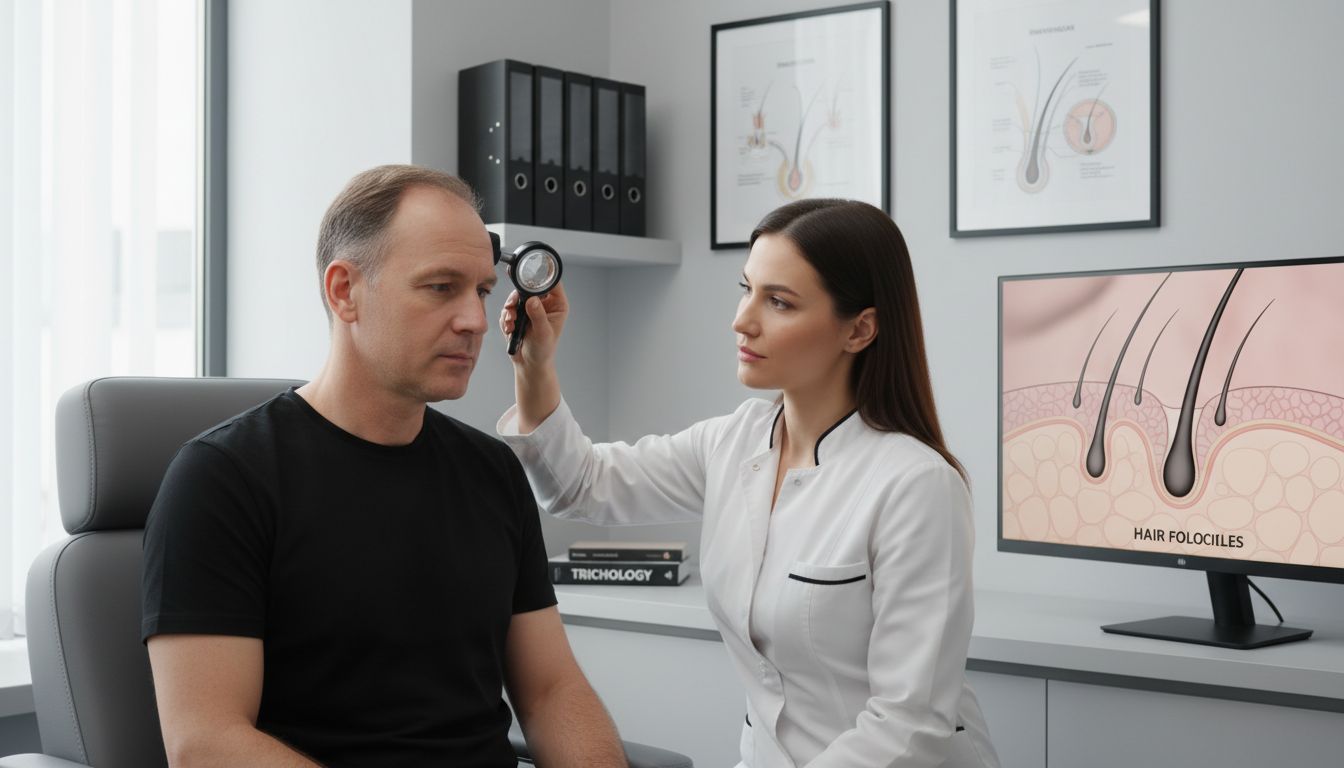
Men experiencing persistent hair loss should view these symptoms as potential stress indicators. Professional evaluation can help distinguish between temporary hair shedding and more serious underlying conditions. Consulting dermatologists or trichologists provides comprehensive insights into individual hair loss patterns, enabling targeted treatment strategies that address both psychological and physiological components of hair health.
Recognizing Symptoms and Key Triggers
Hair loss is rarely a random occurrence, especially in men. Specific life stressors can dramatically impact hair health, creating a complex interplay between psychological strain and physiological responses. Understanding these connections allows men to identify potential triggers and take proactive measures before significant hair damage occurs.
Key stress triggers that frequently contribute to hair loss include:
- Personal relationship challenges
- Intense work or academic pressures
- Financial instability and economic uncertainties
- Major life transitions like divorce, job changes, or relocation
- Chronic health conditions or sudden medical diagnoses
Research specifically highlights the psychological impact on younger men, revealing that hair loss can trigger substantial emotional distress. Younger single men and those experiencing early onset of hair thinning often report heightened anxiety and preoccupation with their appearance. This emotional feedback loop can actually exacerbate hair loss, creating a challenging cycle of stress and hair deterioration.
Recognizing early symptoms requires careful self-observation. Watch for warning signs like increased hair shedding during showering, noticeable thinning at the crown or hairline, sudden changes in hair texture, and unexplained scalp sensitivity. These physical manifestations often correlate directly with underlying stress levels, making them critical indicators of potential long-term hair health challenges. Consulting healthcare professionals can provide comprehensive assessments and personalized strategies for managing both the emotional and physiological aspects of stress-related hair loss.
Treatment Options and Professional Care
Professional intervention is crucial for addressing stress-related hair loss effectively. Consulting medical professionals early can help reverse hair loss patterns and prevent long-term scalp damage. Men experiencing consistent hair thinning should seek comprehensive evaluations that explore both psychological and physiological components.
Treatment strategies typically involve a multi-dimensional approach:
- Psychological Interventions:
- Cognitive behavioral therapy
- Stress management counseling
- Mindfulness and relaxation techniques
- Medical Treatments:
- Topical minoxidil solutions
- Prescription medications like finasteride
- Low-level laser therapy
- Emerging Scientific Approaches:
- Targeted molecular treatments exploring the GAS6 pathway to counteract stress hormone impacts
Nutritional and lifestyle modifications play a significant role in hair restoration. Implementing a balanced diet rich in proteins, vitamins, and minerals can support hair follicle health. Supplements containing biotin, zinc, and iron might help strengthen hair roots and mitigate stress-induced damage. Additionally, adopting consistent sleep patterns, reducing caffeine and alcohol consumption, and maintaining regular exercise can significantly improve overall stress resilience and potentially slow hair loss progression.
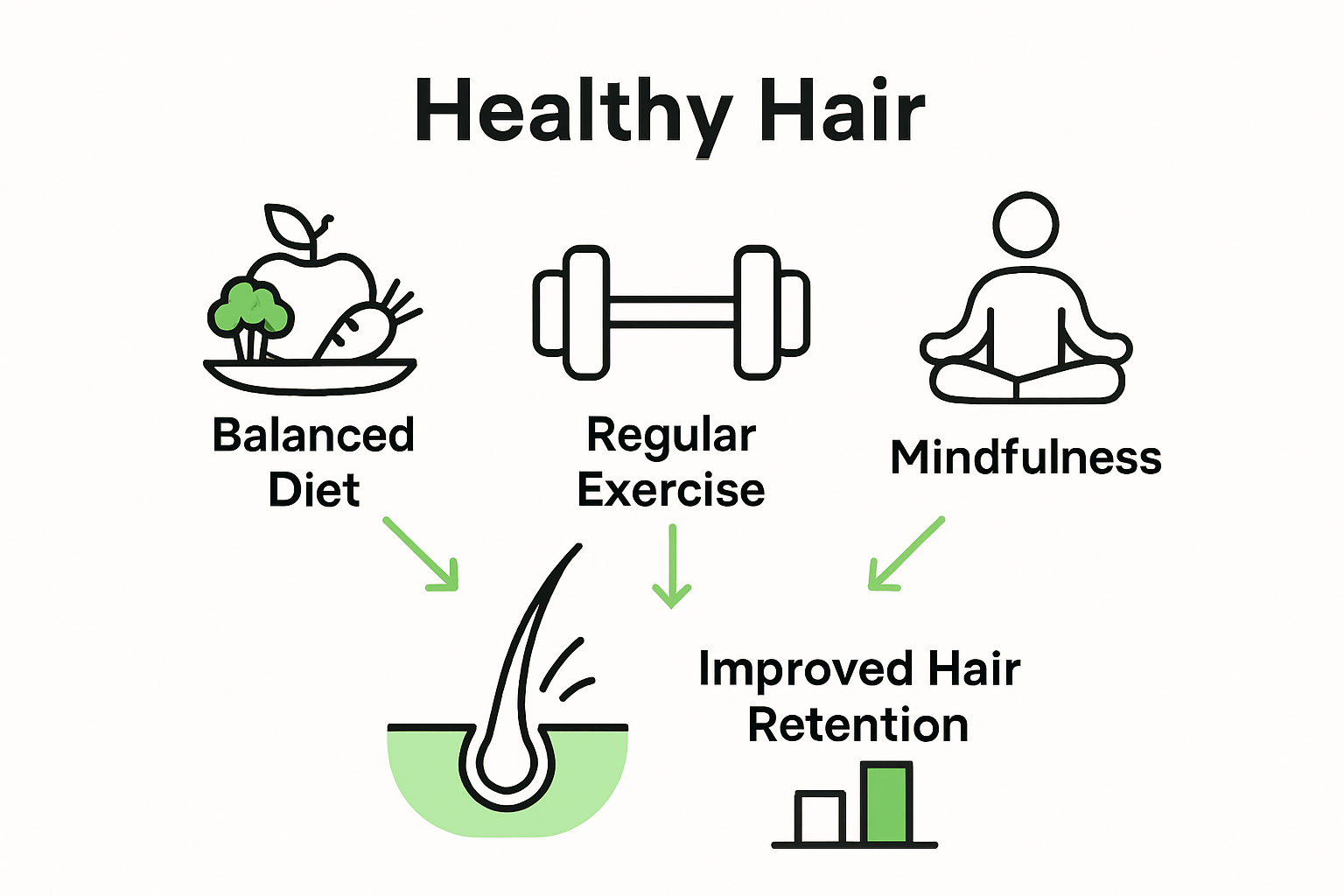
Advanced diagnostic techniques now allow dermatologists to create personalized treatment plans. Scalp microscopies, blood tests, and comprehensive hormone panels help identify specific triggers and develop targeted interventions. By combining medical expertise, psychological support, and cutting-edge research, men can effectively manage stress-related hair loss and restore both their hair and confidence.
Lifestyle Changes for Hair and Scalp Health
Mental health plays a critical role in maintaining optimal hair and scalp condition. Integrating comprehensive stress-coping strategies can significantly mitigate hair loss symptoms and improve overall psychological well-being. Understanding the intricate connection between mental state and physical hair health becomes crucial for men seeking long-term hair restoration.
Essential lifestyle modifications for supporting hair health include:
- Stress Management:
- Daily meditation practices
- Regular exercise routines
- Consistent sleep schedules
- Nutritional Adjustments:
- High-protein diet
- Omega-3 fatty acid intake
- Balanced micronutrient consumption
- Mental Wellness Strategies:
- Professional counseling
- Mindfulness techniques
- Cognitive behavioral approaches
The bidirectional relationship between psychiatric conditions and hair loss underscores the importance of holistic mental health approaches. Chronic stress disrupts hormonal balance, directly impacting hair follicle function and potentially accelerating hair thinning. By addressing underlying psychological factors, men can create a supportive environment for hair regeneration and scalp health.
Implementing these lifestyle changes requires consistent commitment and patience. Tracking progress, maintaining open communication with healthcare professionals, and developing personalized stress management techniques can transform hair loss from an overwhelming challenge into a manageable journey of self-improvement. The goal extends beyond hair restoration – it’s about cultivating comprehensive mental and physical wellness that naturally supports robust hair growth.
Preventing Future Hair Loss in Men
Proactive prevention is the most effective strategy for maintaining long-term hair health. Developing comprehensive stress management techniques can significantly reduce the risk of hair loss and mitigate potential psychological impacts. Understanding the early warning signs and implementing strategic interventions becomes crucial for men seeking to preserve their hair and confidence.
Key preventive strategies include:
- Early Detection Methods:
- Regular scalp assessments
- Tracking hair density and texture changes
- Annual dermatological consultations
- Stress Reduction Techniques:
- Mindfulness meditation
- Regular physical exercise
- Professional stress counseling
- Protective Hair Care:
- Gentle hair handling
- Balanced nutrition
- Avoiding harsh chemical treatments
The intricate connection between mental health and hair loss highlights the importance of a holistic approach. Chronic stress creates hormonal imbalances that can accelerate hair follicle deterioration, making psychological well-being a critical component of hair preservation. By addressing mental health proactively, men can create a protective environment that supports natural hair growth and prevents premature hair loss.
Successful hair loss prevention requires a multifaceted approach combining medical insights, lifestyle modifications, and personal commitment. Regular health screenings, maintaining a balanced diet, managing stress levels, and staying informed about emerging treatments can empower men to take control of their hair health. The goal is not just preventing hair loss, but cultivating overall wellness that naturally supports robust, healthy hair growth.
Restore Confidence and Control Over Stress-Related Hair Loss
Stress can take a heavy toll on men’s hair health through conditions like telogen effluvium and alopecia areata. If you are noticing increased hair shedding, thinning, or sudden changes in your hair texture, it is essential to address both the physical symptoms and the psychological impact. At Joel C Ma Hair Studio, we understand how deeply hair loss can affect your confidence and well-being. Our expert team offers personalized consultations and styling solutions designed to rejuvenate your look and support healthy hair growth.
Don’t wait until stress takes over your hair’s future. Visit Joel C Ma Hair Studio today to explore how our advanced hair care techniques and artistic styling can help you regain your natural vibrance. Find out more about our luxury services and book your personalized appointment now at Joel C Ma Hair Studio. Take the first step to transforming your hair and your confidence.
Frequently Asked Questions
What is the link between stress and hair loss in men?
Stress can trigger biochemical responses in the body, particularly affecting hair follicle health. High levels of stress hormones, such as cortisol, can induce hair follicles to enter a resting phase, leading to conditions like Telogen Effluvium, where hair shedding occurs.
What are the common types of stress-related hair loss conditions in men?
Men may experience several types of stress-related hair loss, including Telogen Effluvium, which is characterized by sudden and diffuse hair shedding, Trichotillomania, a compulsion to pull hair out, and Alopecia Areata, which is an autoimmune condition resulting in patchy hair loss.
What techniques can help manage stress to prevent hair loss?
Effective stress management techniques include meditation, regular exercise, and seeking counseling or therapy. These strategies can help mitigate physiological responses to stress that may impact hair health.
How can I recognize if my hair loss is stress-related?
Signs of stress-related hair loss include increased hair shedding, noticeable thinning of hair in specific areas, sudden changes in hair texture, and scalp sensitivity. These symptoms often appear after periods of significant stress or trauma.
Recommended
- Dealing With Hair Loss: Complete Guide and Solutions – Joel C Ma Hair Studio
- Complete Guide to Reasons for Hair Breakage – Joel C Ma Hair Studio
- Men’s Shampoo Guide: The Best Picks to Elevate Your Routine
- How to Style Thinning Hair for a Fuller Look – Joel C Ma Hair Studio
- best supplements to reduce cortisol: 7 Powerful Cortisol Manager Options
- Niacinamide for Hair Loss: Discover the Benefits – Claribelskincare.com